





Cashmere vs Merino Wool Socks: Which Is Better?
Cashmere socks are better for softness, lightweight warmth, lounging and luxury gifting, while merino wool socks are better for everyday wear, walking, moisture control and durability. For most people wearing socks inside shoes all day, merino is the more practical choice. For bed socks, cold feet at home and premium gifts, cashmere is usually the better choice.
Cashmere and merino wool are not competing versions of the same thing. That's the bit nobody tells you at the till. Choose cashmere socks if your priority is exceptional softness, lightweight warmth and a proper luxury feel against the skin. Choose merino wool socks if you need something that copes with sweat, miles on foot, and the general abuse of daily wear. Neither fibre wins outright. It genuinely comes down to what your feet are going to be doing while wearing them, and I'll walk you through exactly where each one earns its keep.
What Are Cashmere and Merino Wool?
What Is Cashmere?
Cashmere comes from the soft undercoat of cashmere goats, mostly reared across Mongolia and parts of northern China, where brutal winters force the animal to grow an insulating layer beneath its coarser guard hair. Each goat produces a surprisingly small amount of usable fibre a year, somewhere around 180 grams according to fibre industry figures cited by Selvane's technical fibre comparison, which partly explains why a lovely cashmere sweater never comes cheap. The fineness is the whole story here. Cashmere fibres typically measure somewhere between 14 and 18 microns, noticeably finer than most sheep's wool, and that fineness is what your skin registers as softness rather than scratch. Fine fibres bend more easily against the skin instead of pricking it, which is the entire physiological reason cashmere feels the way it does. It's also why cashmere garments, socks included, can feel delicate. Fine strands with shorter staple length are more prone to breaking and pilling under friction, something Onward Cashmere's research on staple length goes into in more depth than most retailers bother to.

What Is Merino Wool?
Merino wool comes from merino sheep, a breed prized for centuries for producing fine, crimped fleece rather than the coarser wool you'd get off a traditional sheep like a Romney or a Suffolk. Merino fibres generally run from about 19 to 23 microns, per the breakdown from Mes Chaussettes Rouges' fibre specifications, which is coarser than cashmere on paper but still fine enough that good merino rarely feels itchy the way regular wool jumpers from decades past used to. What sets merino apart isn't just fibre diameter though. It's the way the fibre behaves once it's on your foot and things start heating up. Merino has a genuinely hygroscopic structure, meaning it can absorb a startling amount of moisture vapour, up to around 30% of its own dry weight according to the mechanics laid out by Isobaa's merino odour resistance guide, and it does this without feeling damp against the skin. That's why merino turns up in performance apparel, activewear, hiking gear and yes, walking socks, far more often than cashmere ever will.
Why Fibre Type Shapes Sock Performance
Here's the thing people miss when comparing sock materials purely on softness: fibre diameter, staple length, and how the fibre absorbs or repels moisture all combine to decide how a sock actually performs once it's inside a shoe for eight hours. A soft fibre isn't automatically a durable one. A durable fibre isn't automatically comfortable against bare skin. Wool as a broad fibre category covers everything from coarse carpet wool to the finest merino and cashmere, so lumping "wool socks" together as one category is genuinely misleading. The specific wool type, and how it's spun into yarn, does the heavy lifting.
Cashmere vs Merino Wool Socks at a Glance
| Feature | Cashmere socks | Merino wool socks | Winner |
|---|---|---|---|
| Softness | Exceptional | Very soft | Cashmere* |
| Warmth-to-weight | Exceptional | Excellent | Cashmere |
| Moisture management | Good | Excellent | Merino |
| Odour resistance | Good | Excellent | Merino |
| Durability in shoes | Moderate | Excellent | Merino |
| Walking/hiking | Poor–moderate | Excellent | Merino |
| Bed socks | Excellent | Very good | Cashmere |
| Everyday work wear | Moderate | Excellent | Merino |
| Sensitive skin | Depends on fibre diameter & construction | Depends on fibre diameter & construction | Depends |
| Luxury gifting | Excellent | Good | Cashmere |
| Ease of care | Delicate | Easier | Merino |
| Typical price | Higher | Lower | Merino for value |
| Best overall use | Luxury/low-friction | Everyday/active | Depends |
Bottom line: Cashmere wins for indulgence. Merino wins for performance.
How Do Cashmere and Merino Compare on Warmth and Softness?

Are Cashmere Socks Warmer Than Merino?
Cashmere has a genuine reputation for trapping warm air efficiently relative to how little fibre is used, sometimes cited as roughly three times the warmth-to-weight ratio of standard wool according to Selvane's technical comparison. That's genuinely impressive on paper. But warmth in a real sock is never just about fibre type sitting in isolation. Merino is also a highly capable insulator and tends to cope better when your activity level swings, say from sitting still at a desk to walking briskly to catch a train, because it manages moisture rather than letting damp feet turn cold fast. I'd never tell someone cashmere is "warmer" full stop. It's warmer per gram, in still, low-activity conditions. That's a different claim entirely.
Are Cashmere Socks Softer Than Merino?
Yes, generally, and this isn't really in dispute among textile people. The finer the fibre, the less it deflects against skin receptors, and cashmere's tighter micron range simply wins that contest most of the time. That said, don't write off merino as scratchy. Extra-fine merino, the kind used in premium activewear and baselayers, can feel remarkably soft, and for someone who wants comfort alongside performance rather than pure indulgence, fine merino might actually be the smarter pick, as Sanvt's overview of merino benefits makes clear.
What Actually Determines a Sock's Warmth?
Fibre type is one variable among several, and treating it as the only one is how people end up disappointed by an expensive purchase. Thickness of the knit, density of the yarn, whether the sock is a blend or a pure fibre, cushioning underfoot, how snugly the sock fits inside the shoe or boot, and your actual activity level all factor into the final warmth you feel. A thin, loosely knitted cashmere sock can feel less warm than a densely knitted merino sock with a cushioned sole. This is worth remembering before anyone tells you one fibre is "the warmest sock material" full stop.
How Do They Compare on Durability, Breathability and Moisture?
Which Lasts Longer, Cashmere or Merino?
Merino, generally, and by some distance if we're talking about socks that see regular use in shoes. Cashmere's fine fibres and often shorter staple length mean they're more prone to breaking under repeated friction at the heel and toe, the exact areas where socks take the most punishment, something MP Magic's sock material breakdown explains well. Merino's longer, springier fibres bounce back from compression rather than snapping, which is why merino holds shape after repeated wash cycles far better than cashmere tends to. This doesn't mean cashmere is fragile rubbish. It means cashmere wants a gentler life, and reinforced heels or blended yarns can extend its working life considerably.
Which Manages Moisture and Odour Better?
Merino, without much argument. The fibre's molecular structure allows keratin proteins to bind with the amino compounds that cause odour, essentially neutralising the smell at a chemical level rather than just masking it, according to research summarised by The Woolmark Company's odour-resistance trials, which draw on CSIRO wearer studies. Merino also maintains a naturally slightly acidic surface pH, somewhere in the 3.5 to 5.5 range, which creates an environment less hospitable to the bacteria that actually cause foot odour, as detailed by Soxs' natural fibre chemistry data. I'll stop short of calling anything "odour-proof" though, because no fibre on earth stops sweat entirely, and anyone who tells you otherwise is selling something.
Which Suits Sweaty Feet?
Merino, and it's not particularly close. Socks manage moisture, they don't stop the sweating itself, but merino's hygroscopic absorption keeps the skin's micro-climate noticeably drier than cashmere manages, according to the chemistry outlined by Manumit Apparel's hygroscopic science report. If sweaty feet are a genuine daily frustration, merino wool socks are the sensible default, full stop.
Which Material Suits Your Lifestyle Best?
Cold feet and sweaty feet are actually two completely different problems, and I'd argue most people buying socks online never stop to separate them.
-
If you're generally chilly, sedentary for long stretches, and want cosy warmth without bulk: cashmere, particularly for evenings and bedtime.
-
If you're on your feet all day, walking, commuting on foot, or prone to sweaty feet regardless of the weather: merino, every time.
-
If you're somewhere in between, wanting comfort at a desk with occasional walking: a fine merino blend usually covers both bases better than pure cashmere would.
Cashmere vs Merino for Walking and Hiking
Merino wins this one comfortably, and I won't pretend otherwise for the sake of "balance." Moisture management, durability against boot friction, and the ability to regulate temperature across changing terrain and pace all favour merino heavily. Brands like Bridgedale, Darn Tough and Smartwool built entire reputations on merino-based walking and hiking socks for exactly these reasons. Cashmere simply isn't engineered for that job, and I wouldn't recommend it for a serious hike unless a specific product has been reinforced and blended for that purpose, which is rare.
Cashmere vs Merino for Bed Socks, Work and Everyday Wear
Bed socks are where cashmere genuinely shines, honestly one of its best use cases. Cashmere bed socks (or any well-made cashmere bed sock deliver a soft, low-friction warmth that doesn't need to survive footsteps or friction, just gentle contact under a duvet on a cold night. For office wear, cashmere brings a smart, luxurious feel that suits smart shoes and long sedentary hours. But if your working day involves standing, walking a warehouse floor, or being outdoors, merino's practicality takes over.
Which Is Better for Sensitive Feet and Gifting?
Cashmere vs Merino for Sensitive Feet
Cashmere often feels gentler initially thanks to its fine fibre diameter, but sensitivity is rarely about fibre alone. Seam placement, cuff tightness, overall fit and construction quality matter just as much, sometimes more. Worth flagging too: some people are sensitive to wool fibres generally, even genuinely fine merino, so neither fibre should be assumed hypoallergenic without trying it first.
Cashmere vs Merino as a Gift
Cashmere has the stronger gift appeal, no real contest. There's something about handing someone a small box of cashmere socks women or men will actually notice the moment they open it, unlike a functional pair of walking socks. Christmas, birthdays, Mother's Day, Father's Day, "the person who has everything," cashmere ticks the box every time. Merino earns its place as a gift too, just for a different recipient: the walker, the hiker, the frequent traveller who'd genuinely rather have something that performs than something that merely looks lovely in wrapping paper.
100% Cashmere vs Cashmere Blends: Does It Matter?
This distinction trips up more buyers than almost anything else in this comparison. A sock labelled "cashmere" doesn't automatically mean 100% cashmere, and a low-percentage blend behaves very differently from the real thing. Genuine Grade A cashmere sits somewhere around 14 to 15.5 microns according to Selvane's grading standards, and diameter directly affects how prone a sock is to pilling. Blends often introduce nylon, polyamide or a touch of elastane, and while purists might scoff, these additions genuinely improve shape retention, stretch and day-to-day durability. A 100% cashmere sock isn't objectively "better" than a well-made blend. It's softer, arguably, and more luxurious in feel, but a sensible cashmere-nylon blend will usually outlast it in a shoe.
Cashmere and Merino Socks Side by Side
Reading fibre specifications is useful, but socks are made to be worn, not studied on a spreadsheet. So we compared cashmere and merino wool socks side by side to see how the differences actually feel in everyday use.
Rather than judging them purely by fibre composition, we focused on the things that matter most once the socks are actually on your feet: softness, warmth, comfort inside shoes, pilling, washing and moisture management.
Our aim was not to declare one fibre universally better. Cashmere and merino are designed to do slightly different jobs, and the results reflected that.
Test 1: Which Feels Softer?
For the first test, we compared the two socks by touch and against bare skin, paying attention to softness, smoothness and any sensation of itchiness or coarseness.
Result: Cashmere felt noticeably softer and more luxurious from the first touch. The merino pair was still very comfortable and much softer than traditional coarse wool, but cashmere had the smoother, more indulgent feel.
Winner: Cashmere
This is exactly where cashmere earns its luxury reputation. For bed socks, lounging and gifting, the difference in hand-feel is immediately noticeable.
Test 2: Which Feels Warmer?
We wore both pairs during similar periods of low activity to compare how quickly they felt warm and how well they retained that warmth without becoming bulky.
Result: Cashmere felt warmer more quickly and delivered an impressive amount of warmth for such a lightweight sock. Merino was also warm, but its advantage became more noticeable once movement and temperature changes were introduced.
Winner for low-activity warmth: Cashmere
For sitting at home, working at a desk or wearing socks in bed, cashmere had the edge. For changing activity levels, merino felt more balanced.
Test 3: Which Is More Comfortable Inside Shoes?
Both pairs were worn inside the same type of footwear for an extended period, with attention paid to heel friction, temperature, bunching and general comfort.
Result: Cashmere felt exceptionally soft at first, but merino was the more comfortable option after prolonged wear inside shoes. The merino pair handled heat and movement better and felt more practical for a full day on your feet.
Winner: Merino
Cashmere was still pleasant inside footwear for shorter periods, but merino felt better suited to commuting, work and everyday walking.
Test 4: Which Pills More After Repeated Wear?
We inspected both pairs after repeated use, focusing particularly on the heel, ball of the foot and toe, where socks experience the most friction.
Result: The cashmere pair developed more visible surface fuzzing and light pilling in high-friction areas. The merino pair held its surface appearance better and showed less obvious wear.
Winner: Merino
This does not mean the cashmere performed badly. Fine cashmere fibres are naturally more delicate, so some pilling is to be expected. The test simply reinforced why cashmere is better suited to lower-friction use.
Test 5: What Happens After Washing?
We compared how both socks responded to gentle washing, paying attention to shape retention, softness, shrinkage and surface appearance.
Result: Merino retained its shape more consistently and looked more suited to frequent washing. Cashmere remained soft, but it required more careful handling and showed more evidence that it benefits from gentler washing and drying.
Winner: Merino for ease of care
Cashmere still performed well when treated carefully, but merino was clearly the easier option for regular everyday use.
Test 6: Which Handles Moisture Better?
For the final comparison, both pairs were worn during a brisk walk to see how they managed heat and moisture during activity.
Result: Merino was the clear winner. Feet felt drier and more comfortable after walking, while the cashmere pair felt warmer and slightly less suited to prolonged activity.
Winner: Merino
This was one of the clearest differences in the comparison. Merino is simply better suited to walking, commuting, travel and other situations where feet are likely to heat up.
Our Cashmere vs Merino Test Results
| Test | Cashmere | Merino | Winner |
|---|---|---|---|
| Initial softness | Exceptional | Very soft | Cashmere |
| Low-activity warmth | Excellent | Excellent | Cashmere |
| Comfort inside shoes | Very good | Excellent | Merino |
| Resistance to pilling | More delicate | More resilient | Merino |
| Ease of care | Requires gentler care | Easier for regular use | Merino |
| Moisture management | Good | Excellent | Merino |
What Did Our Test Show?
Our side-by-side comparison confirmed that there is no single winner across every category.
Cashmere was the better choice for softness, lightweight warmth, lounging and luxury appeal. It felt noticeably more indulgent and is the fibre we would choose for bed socks, relaxing at home or giving as a premium gift.
Merino was the stronger all-round performer for everyday wear. It handled prolonged shoe wear, moisture, repeated use and washing more effectively, which makes it the better option for commuting, walking, travel and active days.
The biggest lesson from the test was that cashmere and merino should not really be treated as interchangeable fibres.
Cashmere is about comfort and luxury.
Merino is about comfort plus performance.
If your socks are mainly going to be worn around the house or given as a special gift, cashmere makes more sense. If they are going to spend long days inside shoes, merino is usually the better choice.
The comparison also reinforced something that fibre percentages alone cannot tell you: the construction of the finished sock matters enormously. Knit density, reinforcement, yarn quality, stretch, seams and overall fit can change how a sock performs just as much as the material written on the label.
Why Merino Socks Are Often Blends Too
The same logic applies in reverse. Most serious performance merino socks aren't 100% merino either. Manufacturers add nylon or polyester for strength at stress points, and a touch of elastane for a snugger fit that holds up wash after wash. This isn't cutting corners, it's just sound textile engineering, and it's worth knowing before assuming "100%" is always the premium choice on either side of this comparison.
Sock Geeks Cashmere Socks: Where This Range Fits Best
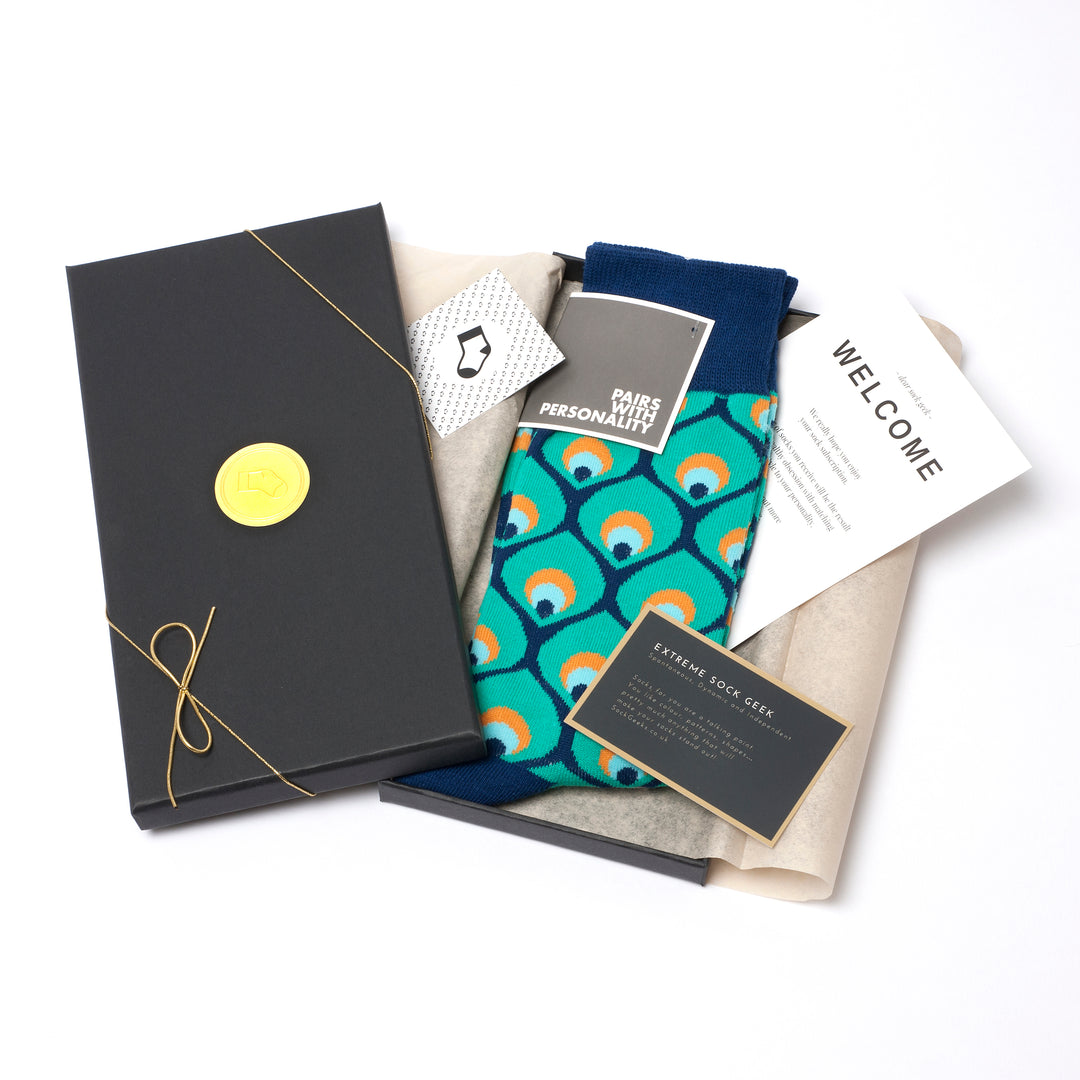
If you're leaning towards cashmere for the gifting side of things rather than a hiking trail, this is where a brand like Sock Geeks becomes genuinely useful to know about.
We sell cashmere and merino wool socks, so we have a commercial interest in both categories. Our recommendation isn't that one fibre is universally superior: we position cashmere primarily around softness, luxury and gifting, while merino is the more practical option for regular wear.
Price, Value and Care: What You're Really Paying For
Why Are Cashmere Socks More Expensive?
Supply is genuinely limited. Each cashmere goat yields a small annual harvest of usable undercoat fibre, processing to remove coarser guard hairs is labour-intensive, and finer micron grades command a premium because they're rarer and harder to spin without breakage. Merino, by contrast, benefits from a much larger global supply chain and more mechanised processing, which keeps costs down without necessarily compromising quality.
Are Cashmere Socks Worth It?
Honestly, it depends entirely on what you're buying them for. They're worth every penny if softness, warmth-to-weight, gift value and lounging comfort are what you're after. They're a poor investment if you're planning daily wear inside work boots or a hiking pack, because you'll wear through them faster than the price tag deserves. Merino, meanwhile, often delivers better practical value per wear for anyone putting genuine miles on their feet, even if it lacks that instant "ooh" factor when unwrapped.
How to Care for Cashmere and Merino Socks
Cashmere generally wants a cooler wash, ideally hand washed or on a wool-specific machine cycle, with a proper wool detergent rather than standard laundry powder. Dry flat, away from direct heat, and avoid tumble drying unless the label explicitly says it's fine, because heat and agitation are cashmere's real enemies. Merino care depends heavily on the specific product, some are genuinely machine-washable and built for that, others need gentler handling similar to cashmere, so checking the label always beats guessing.

Common Myths About Cashmere and Merino Socks
"Cashmere is always warmer" doesn't hold up once you factor in knit density and construction. "Merino is itchy" is largely outdated, fine merino used in modern activewear and leggings bears little resemblance to the coarse regular wool jumpers people remember from childhood. "100% cashmere is always better" ignores how blends improve durability and stretch for actual foot use. "Natural fibres never smell" is simply false, no fibre is immune to enough sweat over a long enough day. And "merino socks are only for hiking" undersells how comfortable they are for ordinary daily wear too.
What About Alpaca or Other Wool Alternatives?
Worth a brief mention since it comes up often: alpaca wool sits somewhere between cashmere and merino on softness and warmth, and some retailers also produce capricorn mohair socks as another premium alternative, prized for durability and a distinct sheen rather than pure softness. None of these fully replace the cashmere-versus-merino decision, but they're worth knowing exist if neither core option feels quite right for your feet.
Cashmere vs Merino Wool Socks: Our Verdict
Choose cashmere for luxury, softness, warmth-to-weight, bed socks and premium gifting. Choose merino for durability, moisture management, walking, travel and active everyday use.

Choose Cashmere If: You want the softest possible feel against skin, you're buying primarily for lounging or bedtime, gifting is the main purpose, you rarely wear the socks inside shoes for long stretches, and warmth without bulk matters more than longevity.
Choose Merino If: You need socks that survive daily footwear friction, sweaty feet are a genuine issue, you're walking or hiking regularly, you want easier care, and you're prioritising long-term value over indulgent softness.
Which Cashmere or Merino Question Do You Still Have?
If you're still torn, ask yourself two honest questions: will these live indoors as bed socks or outdoors inside shoes, and are you generally battling cold feet or sweaty feet? Answering those two things alone resolves most of the indecision people carry into this purchase.
Frequently Asked Questions About Cashmere vs Merino Wool Socks
Is cashmere warmer than merino wool?
Cashmere provides excellent warmth relative to its weight, making it particularly well suited to cold feet, lounging and low-activity wear. Merino wool is also an excellent insulator, but its advantage becomes more apparent when activity levels change because it combines insulation with effective temperature and moisture management.
The Woolmark Company explains that Merino wool is an active fibre that responds to changes in body temperature, helping the wearer stay warm when conditions are cold while also managing heat when conditions become warmer.
Our verdict: For sitting at home, wearing bed socks or low-activity warmth, choose cashmere. For walking and active use in cold conditions, choose merino.
Further reading: The Woolmark Company - Wool Fibre Properties & Benefits.
Is cashmere softer than merino wool?
Cashmere is famous for its exceptionally soft and luxurious feel, but the comparison is more nuanced than simply saying that cashmere is always softer.
Fibre diameter plays an important role in how soft or prickly a textile feels. The Woolmark Company explains that finer fibres bend more easily against the skin, while coarser fibres are more likely to create a sensation of itch or prickle. It also notes that very fine Merino wool can be softer than some cashmere.
This means the quality and fineness of the individual fibre matter, rather than simply whether the label says "cashmere" or "merino".
Our verdict: High-quality cashmere usually provides the indulgent hand-feel people associate with luxury socks, but superfine merino can also be exceptionally soft.
Further reading: The Woolmark Company - Why Is Merino Wool So Soft?
Which lasts longer: cashmere or merino socks?
For regular use inside shoes, merino wool socks will generally be the more practical choice. Cashmere's exceptionally fine fibres can be more vulnerable to repeated friction, particularly around the heel, toe and ball of the foot.
Sock construction matters too. Reinforced heels and toes, yarn quality, knit density and the use of strengthening fibres can all affect how long a pair of socks lasts.
Pilling itself is not necessarily evidence of poor-quality wool. The Woolmark Company defines pilling as the formation of small fuzzy balls on the surface of wool garments and provides specific advice for managing and preventing it.
Our verdict: Choose merino for frequent wear and cashmere for lower-friction luxury wear.
Which is better for sweaty feet: cashmere or merino?
Merino wool is our preferred choice for sweaty feet and active wear.
Wool fibres can absorb moisture vapour, and The Woolmark Company identifies moisture management, breathability and temperature regulation among Merino wool's natural performance properties. It also explains that wool can absorb odour molecules from sweat before releasing them during washing.
These properties help explain why merino is widely used for walking socks, outdoor clothing and next-to-skin performance garments.
Our verdict: Choose merino for commuting, travelling, walking and long days inside shoes.
Further reading: The Woolmark Company - Wool Fibre Properties & Benefits.
Which is better for cold feet?
The answer depends on what you're doing while your feet are cold.
For low-activity situations such as relaxing at home, sitting at a desk or sleeping, cashmere's combination of softness, lightweight insulation and luxury makes it an excellent option.
For cold feet while walking or spending extended periods outdoors, merino is generally more practical because warmth is combined with moisture and temperature management.
Simple rule: cashmere for cosy warmth; merino for active warmth.
Which is better for walking: cashmere or merino socks?
Merino wool is the better choice for walking.
The combination of moisture management, temperature regulation, odour resistance and resilience makes merino particularly suitable for extended periods inside footwear. The Woolmark Company also highlights wool's breathability and ability to help prevent feet from feeling excessively hot and clammy during exercise.
Cashmere can feel exceptionally comfortable, but its delicate fibres make it less suited to prolonged friction and heavy everyday walking.
Our verdict: Merino wins for walking, commuting, hiking and travel.
Further reading: The Woolmark Company - Washing Merino Wool Socks and the Benefits of Wool Socks.
Are 100% cashmere socks worth it?
100% cashmere socks can be worth the investment when the priority is exceptional softness, lightweight warmth and luxury.
They're particularly well suited to lounging, bed socks and premium gifting. However, "100% cashmere" does not automatically mean "better sock".
Socks experience considerably more friction and stretching than scarves or jumpers. Adding carefully selected strengthening fibres can improve durability, elasticity and shape retention.
Our verdict: Choose 100% cashmere for maximum luxury and low-friction use. Consider a high-quality cashmere blend if you want greater practicality and durability.
Can you machine wash cashmere or merino wool socks?
Always follow the care label on the individual pair first.
Many modern Merino wool products can be machine washed when their care instructions permit it. The Woolmark Company recommends using a wool cycle - or a cold/delicate cycle where appropriate - together with a mild detergent. Wool garments are commonly dried flat unless the product's care instructions specifically permit another method.
Cashmere generally benefits from more delicate handling, so hand washing or an appropriate gentle wool cycle may be preferable depending on the manufacturer's instructions.
The most important rule is not to assume that every wool sock should be washed in exactly the same way.
Which is better for sensitive feet: cashmere or merino?
Neither fibre is automatically best for every person with sensitive feet.
Cashmere often feels exceptionally gentle because of its fine fibres, but high-quality superfine Merino can also be extremely soft. Research and information published by The Woolmark Company indicate that the sensation of itch and prickle is strongly associated with fibre diameter rather than wool simply being wool.
Sock construction is equally important. Toe seams, cuff pressure, sizing, fit and knit texture can all influence comfort.
Our verdict: Don't choose solely from the words "cashmere" or "merino" on the label. Look at fibre quality, construction, seams and fit as well.
Which makes a better gift: cashmere or merino socks?
Cashmere usually makes the more luxurious gift.
Its softness, lightweight warmth and association with premium clothing give cashmere particularly strong appeal for Christmas, birthdays, Mother's Day, Father's Day and luxury gift boxes.
Merino makes a better gift when the recipient is a walker, traveller, commuter or someone who values performance and practicality.
Our verdict: Luxury gifting - cashmere. Practical and outdoor gifting - merino.
Conclusion
Stop asking which fibre is "the best" full stop, because that question doesn't actually exist in this comparison. Ask what your feet need on a Tuesday versus what they need on Christmas morning, and the answer more or less picks itself.





Leave a comment