





Diabetic Socks

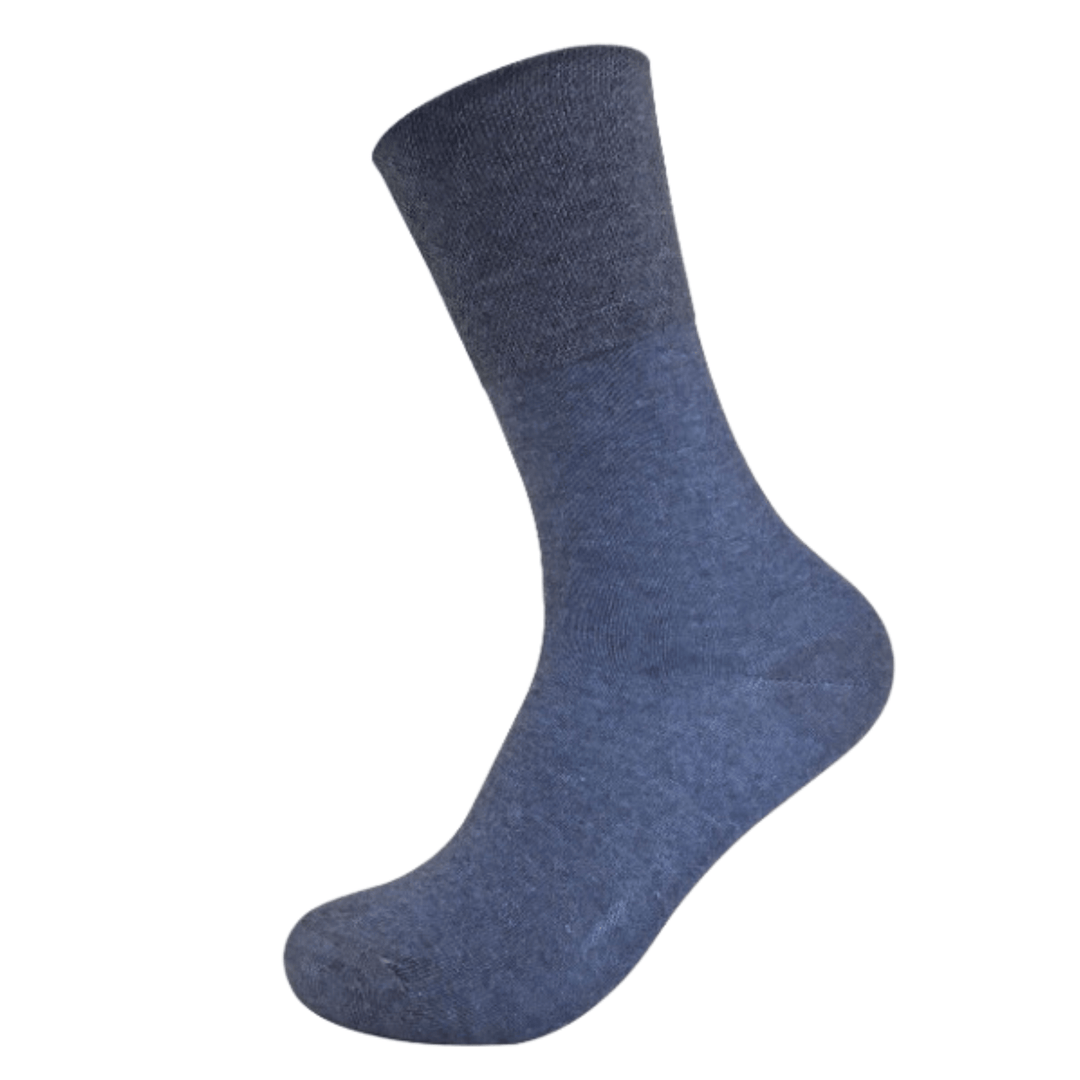
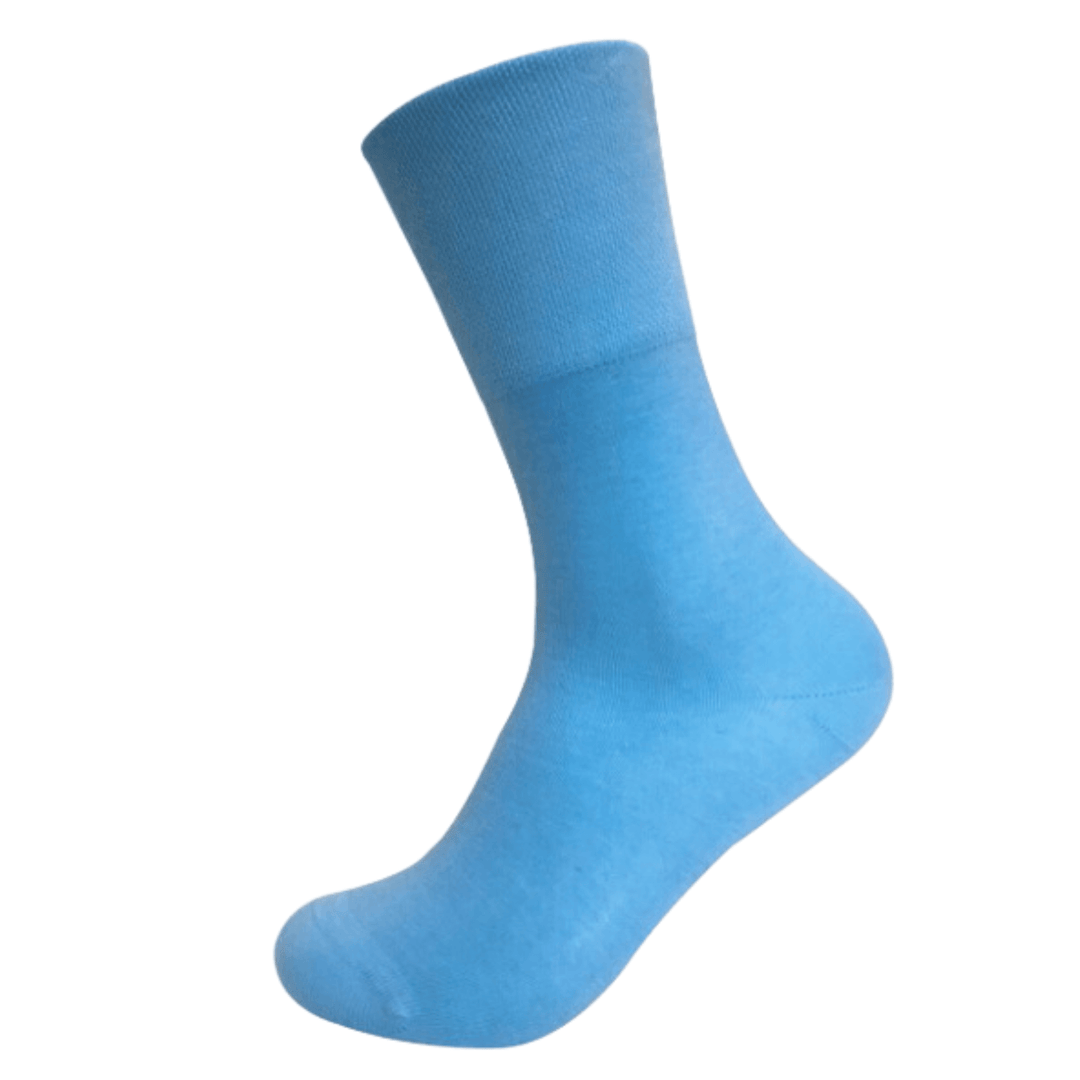
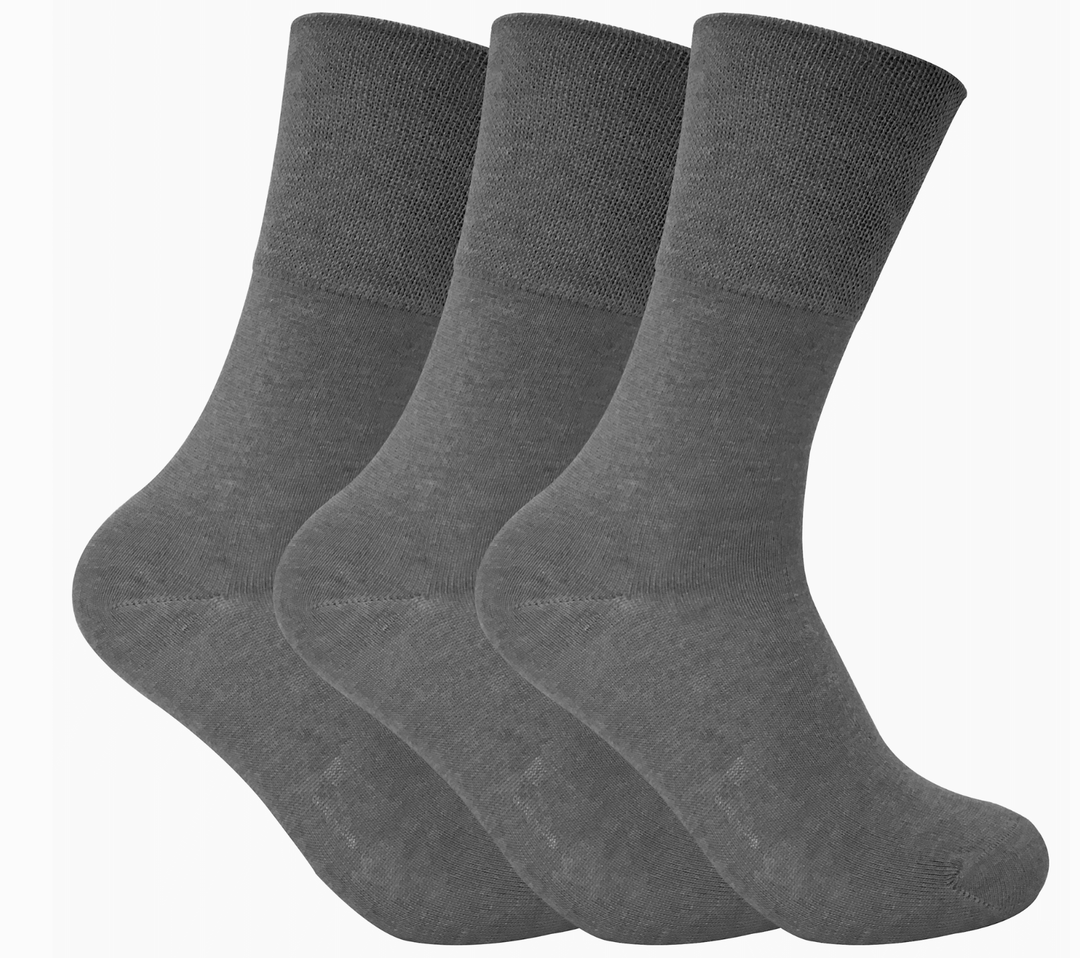
Shop diabetic socks in the UK from Sock Geeks, with styles for men and women designed around a gentler, less restrictive fit. The collection includes comfort-focused features such as gentle-grip cuffs, smoother toe construction, and cushioned designs, depending on the individual product.
When choosing diabetic socks, check the size, construction, thickness and materials of each pair to make sure they work comfortably with your footwear. For people with diabetes, socks are only one part of appropriate foot care and should not replace professional medical advice.
What Makes Diabetic Socks Different?
Diabetic socks are generally designed to reduce unnecessary tightness or irritation from the sock itself.
Depending on the individual product, useful features may include:
- Gentle or less restrictive cuffs
- Smooth or low-profile toe seams
- Cushioned sections
- Soft-feeling materials
- Different lengths and thicknesses
- Men’s and women’s sizing options
NIDDK guidance recommends clean, lightly padded socks that fit properly and notes that seam-free styles can help avoid irritation.
Always check the individual product details because construction can vary between pairs.
Diabetic Socks for Men and Women
Our collection includes diabetic socks for men and diabetic socks for women, with different sizes, colours and designs depending on current availability.
When choosing a pair, consider:
- Correct sizing
- Cuff construction
- Toe-seam design
- Cushioning
- Sock thickness
- Fibre composition
- Fit inside your usual footwear
The sock should fit smoothly without excessive tightness, bunching or folds inside the shoe.
For broader everyday styles, men can also browse our Men’s Socks, while women can explore our Women’s Socks.
Gentle-Grip Cuffs, Smooth Seams and Cushioning
Comfort-focused construction is one of the main reasons shoppers look specifically for diabetic socks.
A gentler cuff may be preferable to firmer elastic tops, while smoother toe construction can reduce prominent seams inside footwear. Cushioned designs provide another option for shoppers who prefer additional padding.
These are design and comfort features, not guarantees that a sock will prevent or treat diabetic foot complications.
If rubbing, swelling, numbness, sores or other foot problems are present, seek appropriate professional advice rather than relying on a particular sock feature alone. Diabetes-related nerve damage can make foot injuries harder to notice.
Diabetic Socks vs Compression Socks
Diabetic socks and compression socks are not the same thing.
Diabetic socks generally focus on reducing unnecessary restriction and irritation, whereas compression garments are specifically designed to apply controlled pressure.
If you have been advised to wear compression socks because of swelling, venous problems or another medical reason, follow your healthcare provider’s recommendations rather than substituting diabetic socks yourself. The American Diabetes Association recommends discussing compression socks with a provider when relevant medical conditions are present.
How to Choose Diabetic Socks
When comparing diabetic socks, focus on the features that matter for your feet and footwear.
Consider:
- Fit — select the correct size and avoid excessive tightness.
- Cuff — look at whether the top has a gentler construction.
- Toe area — consider smoother seams if prominent seams cause irritation.
- Cushioning — choose the level of padding you prefer.
- Thickness — make sure there is enough room inside your shoes.
- Material — check the exact fibre composition.
- Care — follow the instructions for the individual product.
If you are shopping mainly by material rather than diabetic-specific construction, you can also compare our Bamboo Socks and 100% Cotton Socks. These are separate material collections and should not be treated as replacements for diabetic-specific footwear advice.
A Note on Diabetic Foot Care
For people with diabetes, appropriate socks and footwear are only part of everyday foot care. NIDDK recommends checking the feet regularly, wearing properly fitting shoes and socks, and seeking medical attention for foot problems such as sores or wounds.
The American Diabetes Association likewise recommends regular foot checks and appropriate footwear as part of protecting the feet.
Choose socks according to your individual needs and follow advice from your doctor, podiatrist or other healthcare professional if diabetes affects your feet, sensation or circulation.
FAQs