





Why ethical fashion subscriptions are worth it in the UK
Yes, ethical fashion subscriptions are genuinely worth it for most UK consumers who want a more sustainable wardrobe. Research published in the Journal of Retailing & Consumer Services finds that subscribers to rental and curated clothing boxes show higher engagement in pro-environmental behaviours than non-subscribers, with psychological ownership playing a key role in driving adoption. Third-party rating platforms such as Good On You give consumers a credible, independent way to verify brand claims across people, planet and animals. Sock Geeks, a UK-based sock subscription service using ethically sourced materials and a personality-matched curation model, is one practical example of how this model works at an accessible price point.
The three benefits you will understand clearly by the end of this article:
- Environmental: subscriptions extend garment life, increase utilisation, and reduce the volume of new items purchased
- Social: pooled demand can support fairer wages, artisan livelihoods, and traceable supply chains
- Value and convenience: cost-per-wear typically falls, and curated delivery removes the decision fatigue of ethical shopping

Key takeaways
Ethical fashion subscriptions deliver measurable environmental, social, and financial benefits when subscribers choose transparent brands and wear items frequently.
| Point | Details |
|---|---|
| Utilisation is everything | Wearing each item often is what makes a subscription environmentally beneficial; unworn items deliver no gains. |
| Psychological ownership drives behaviour | Research shows subscribers who feel connected to items engage more in pro-environmental behaviours. |
| Cost-per-wear beats sticker price | A durable ethically made item worn regularly costs less over time than cheap fast-fashion equivalents replaced frequently. |
| Greenwashing is common | Check Good On You ratings and look for named certifications; vague “eco” claims with no audit are a red flag. |
| Sock Geeks | A UK sock subscription using ethically sourced bamboo and cashmere, personalised by quiz, with a 4.72 customer rating. |
Table of Contents
- What are the main benefits of an ethical fashion subscription?
- How do subscriptions change the environmental maths?
- How can subscriptions support fairer supply chains?
- Is a clothing subscription actually cost-effective?
- Which subscription model suits your wardrobe goals?
- What does the research actually say about subscriptions and sustainability?
- How do you pick a genuinely ethical subscription in the UK?
- What are the real downsides and greenwashing traps?
- How to use a subscription so it actually reduces harm
- How Sock Geeks designs its subscriptions to be ethical
- Sock Geeks: a UK sock subscription built around ethics and personality
- Sources
- FAQ
What are the main benefits of an ethical fashion subscription?
Expert interviews analysed in a peer-reviewed sustainability study identified four consistent themes: reduced environmental pollution, increased consumer convenience, potential cost benefits, and positive social impacts including skills and income generation. Those four themes map almost perfectly onto what a well-designed subscription delivers.
Environmental benefit is the headline claim. Subscriptions reduce the number of new garments a person buys by giving them access to variety without ownership. Fewer purchases means fewer items manufactured, fewer raw materials extracted, and less textile waste sent to landfill.
Social and ethical benefit follows from the business model itself. A subscription service that commits to a regular delivery cadence can plan production further in advance, which makes it easier to work with smaller, higher-quality suppliers who pay living wages rather than racing to the cheapest factory.
Convenience is underrated as a driver of sustainable behaviour. When ethical choices are the default, people make them more often. A curated sock subscription that arrives monthly removes the need to hunt for responsibly made products each time you need a new pair.
Cost and value take longer to materialise but are real. Durable, well-made garments cost more upfront and less over time because they last. Subscriptions that curate quality items shift spending from volume to longevity.
Statistic callout: Qualitative analysis across six industry experts consistently identified cost benefits as one of four core advantages of sustainable fashion practices, alongside environmental, social, and convenience gains.
Pro Tip: If your primary goal is reducing your carbon footprint, prioritise subscriptions that emphasise garment longevity and take-back schemes. If you want to try new styles without commitment, a rental or curated-box model suits you better.
How do subscriptions change the environmental maths?
Subscriptions can meaningfully reduce environmental harm, but the mechanism is utilisation, not magic. A garment that is worn 30 times has a far lower carbon cost per wear than one worn three times and discarded. Subscription models, particularly rental and curated-box formats, are designed to keep items in circulation longer and in the hands of people who will actually use them.
Scientific American’s analysis of the fast-fashion backlash documents how repair, local dyeing, and upcycling clubs are becoming practical industry responses, and subscription models sit within the same circular logic: keep garments in use, delay disposal, reduce the need for new production.
The table below covers the key lifecycle levers and how different subscription formats influence them.
| Lifecycle lever | Rental model | Curated-box / ownership model | Resale / second-hand box |
|---|---|---|---|
| Carbon per wear | Lower (shared use across subscribers) | Lower than fast fashion if garment is kept long-term | Lowest (no new production) |
| Water use | Shared across multiple users | Reduced if fewer items purchased overall | Near zero for production |
| Textile waste | Reduced (items returned and re-circulated) | Reduced if take-back or repair scheme exists | Diverts existing waste |
| Garment utilisation | High (item rotates between users) | Depends on subscriber behaviour | Moderate to high |
Statistic callout: Providers that publish concrete environmental savings, such as reductions in water use or CO₂ per item, offer a measurable claim worth checking against their stated methodology before subscribing.
The honest caveat: shipping and laundering erode gains. A garment returned after one wear and washed at high temperature by a central facility can generate more emissions than a locally bought item worn frequently. Frequency of use and care practices matter as much as the subscription model itself.
How can subscriptions support fairer supply chains?
Subscriptions can enable fairer labour practices because they create predictable, recurring demand. A brand that knows it will ship a set number of boxes each month can plan production in advance, which removes the pressure to cut corners on wages or rush orders through exploitative factories.
Specific social benefits that well-designed subscriptions can deliver:
- Living wages: predictable orders allow suppliers to budget for fair pay rather than accepting last-minute contracts at suppressed rates
- Artisan scale-up: smaller craft producers can take on subscription contracts that give them steady income without requiring them to compete on fast-fashion volume
- Community development: some subscription brands reinvest a portion of revenue into training programmes or community infrastructure in their supply regions
- Traceability: subscription brands with a smaller, curated supplier base find it easier to map and disclose their full supply chain
Knowing which brands actually deliver on these claims requires independent verification. Good On You’s rating methodology scores brands across hundreds of criteria covering people, planet and animals, producing an overall rating from “We avoid” to “Great.” That framework is one of the most practical tools available to UK consumers comparing ethical claims.
Third-party audits, published transparency reports, and membership of recognised standards bodies (such as the Fair Wear Foundation or the Soil Association for organic materials) are the trust signals worth looking for. Vague language about “ethical sourcing” with no named certifications is a warning sign, not a reassurance.
Pro Tip: Search a brand’s name on Good On You before subscribing. A rating of “Good” or above across all three pillars (people, planet, animals) is a reasonable baseline for genuine ethical commitment.
Is a clothing subscription actually cost-effective?
Subscriptions save money when the cost per wear of the items you receive falls below what you would pay buying equivalent quality outright, and when the subscription prevents you from making lower-quality impulse purchases. They cost more when you receive items you do not wear often, or when you subscribe to multiple services simultaneously.
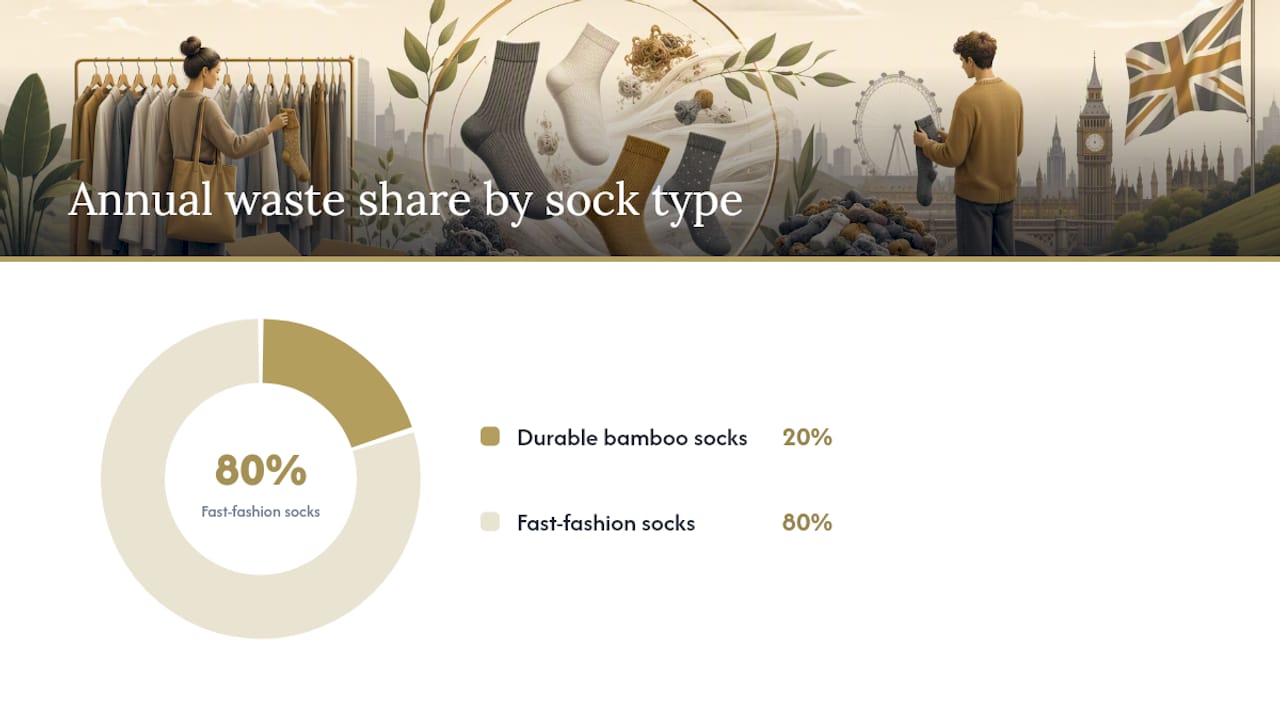
A simple worked example: a pair of ethically made bamboo socks costs £12 bought individually. Worn twice a week for a year, the cost per wear is roughly 12p. A fast-fashion equivalent at £3 that wears out in three months costs around 3p per wear initially, but you buy four pairs a year, spending £12 total and generating four times the waste. The durable pair is cheaper over 12 months and produces less waste. Subscription pricing that delivers the durable pair monthly, at a slight discount for commitment, improves that maths further.
Common subscription fee models in the UK market:
- Monthly rolling: pay month-to-month with no long-term commitment; typically the highest per-box price but maximum flexibility
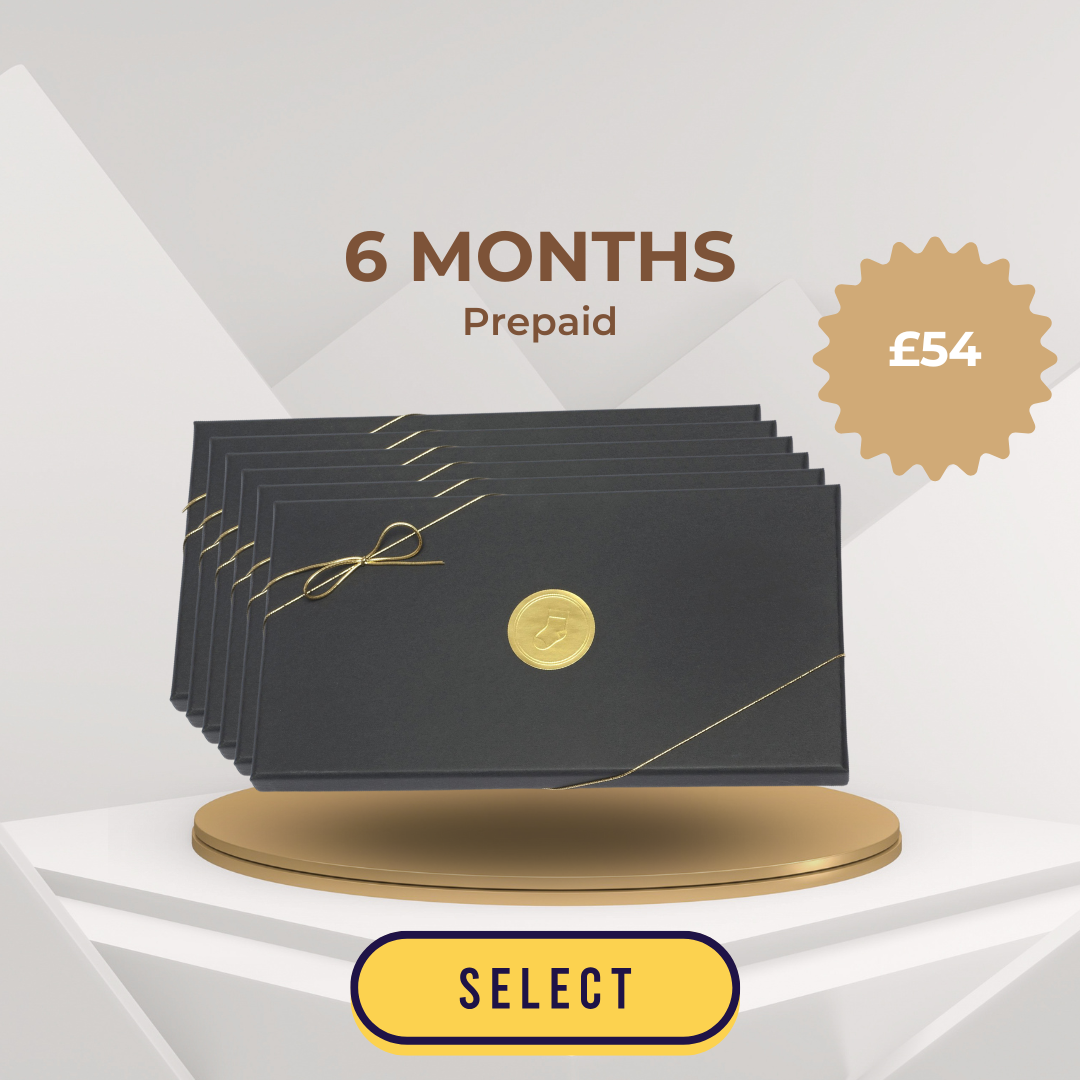
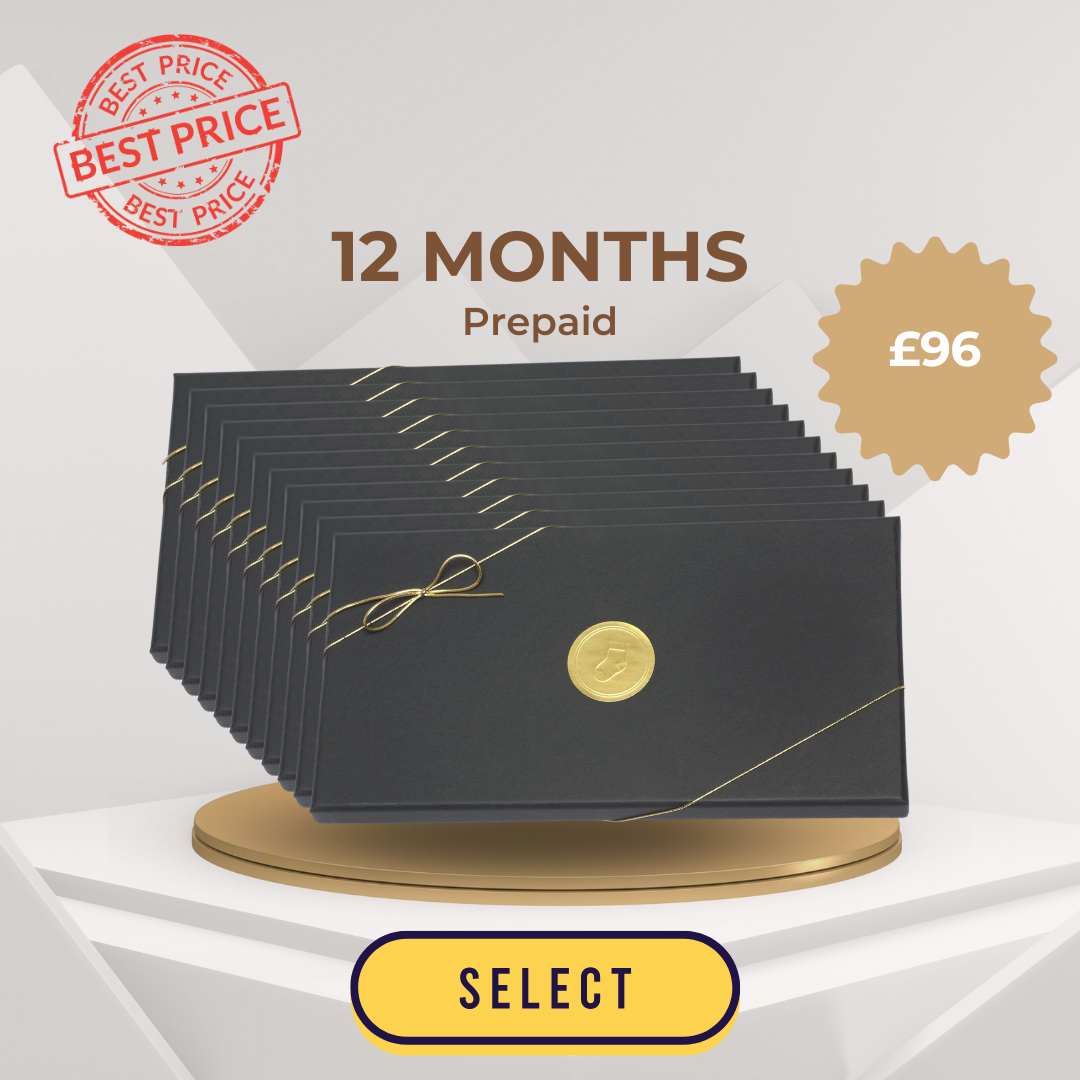
- Multi-month prepay (3, 6, or 12 months): lower per-box cost in exchange for upfront commitment; suits subscribers who are confident in the service
- Per-item billing: pay only for items you keep after a trial period; common in clothing rental; higher per-item cost but lower risk of paying for unwanted items
- Membership discount model: pay an annual or monthly fee for access to discounted ethical products; works best for high-frequency buyers
Sock Geeks’ monthly and multi-month subscription plans illustrate how the multi-month model rewards commitment with better value per box, while the rolling monthly option suits those who want to test before committing.
Statistic callout: Consumer guides consistently report that subscriptions reduce impulse purchases and improve wardrobe quality, though sizing inconsistencies and return-related emissions remain the most commonly cited friction points.
Which subscription model suits your wardrobe goals?
The right model depends on what you want from a subscription. Rental suits occasional-wear items. Curated ownership boxes suit everyday staples. Resale boxes suit budget-conscious shoppers who want to reduce new production entirely.
| Primary benefit | Cost model | Wardrobe impact | Sustainability practices | Customer experience |
|---|---|---|---|---|
| Rental: access without ownership | Monthly fee plus deposit; per-item fees if kept | High variety; lower cost-per-wear for occasional items | Shared use extends garment life; cleaning process matters | Returns required; sizing and fit risk; personalisation varies |
| Curated ownership box: discovery and quality | Monthly or multi-month subscription fee | Builds a curated wardrobe; reduces impulse buying | Depends on materials and supplier ethics; take-back schemes add value | Personalisation through quiz or profile; surprise element |
| Membership discount: access to ethical brands | Annual or monthly fee unlocks discounts | Buyer controls selection; no curation | Relies on member choosing ethical items | High control; low surprise; suits informed shoppers |
| Resale / second-hand box: circular fashion | Per-box or monthly fee | Extends garment life; no new production | Highest circularity; condition varies | Condition and sizing less predictable |
Rental models carry the highest utilisation potential but also the highest laundering footprint if items are cleaned between every user. Curated ownership boxes, like those offered by Sock Geeks for men and women, work particularly well for everyday items where fit is consistent and the subscriber builds a lasting wardrobe rather than rotating through borrowed pieces.
What does the research actually say about subscriptions and sustainability?
The academic evidence is encouraging but not unconditional. The most directly relevant study, published in the Journal of Retailing & Consumer Services, finds that consumers using rental clothing box subscriptions show higher pro-environmental engagement, and that psychological ownership, the feeling that a rented or trial item is “yours,” mediates adoption intentions. This matters practically: subscribers who feel connected to the items they receive are more likely to care for them, wear them more often, and engage with the brand’s sustainability messaging.
Research in the Journal of Fashion Marketing and Management and related fields points to a consistent pattern: sustainable fashion adoption is driven by perceived value, social norms, and convenience, not just environmental concern. Subscriptions address all three by making ethical choices easy, socially visible (a curated box is a conversation starter), and financially defensible.
Scientific American’s reporting on the fast-fashion backlash adds industry-level context: repair cafés, upcycling clubs, and local dyeing initiatives are growing precisely because consumers are looking for alternatives to disposable fashion. Subscriptions are part of the same shift.
The honest limit of the evidence: most studies focus on clothing rental rather than curated ownership boxes, and sample sizes are often modest. The direction of the findings is consistent, but the magnitude of environmental benefit depends heavily on subscriber behaviour, specifically how often items are worn and how carefully they are maintained.
How do you pick a genuinely ethical subscription in the UK?
Prioritise transparency, repair and return policies, materials, and frequency before anything else. A subscription that ticks the marketing boxes but cannot tell you where its materials come from is not ethical, whatever the branding says.
Checklist of questions to ask before subscribing:
- Materials and certifications: are fabrics certified organic, recycled, or sustainably sourced? Look for GOTS, OEKO-TEX, or equivalent marks.
- Cleaning and repair process: for rental models, how are items cleaned between users? Is the process low-impact? Does the brand offer repair rather than replacement?
- Returns and insurance: what happens if an item is damaged? Is there a no-fault return window? Are return emissions offset?
- Shipping: does the brand use carbon-neutral or low-emission delivery? Are items shipped in recyclable or reusable packaging?
- Sizing and personalisation: does the service offer a quiz, profile, or fit guarantee? Poor sizing leads to returns, which erode sustainability gains.
- End-of-life plan: what happens to items at the end of their usable life? Donation, recycling, or composting are all better than landfill.
- Third-party ratings: check the brand on Good On You or equivalent platforms for an independent view.
For UK-specific context on what subscription boxes offer and how they are structured, this guide to UK subscription boxes covers the practical mechanics well.
Pro Tip: Always check the cancellation policy before committing to a multi-month plan. A brand confident in its product will offer a straightforward exit. One that buries cancellation in small print is a red flag regardless of its sustainability claims.
What are the real downsides and greenwashing traps?
Subscriptions have genuine benefits, but they also carry real environmental and practical costs that honest shoppers should weigh.
Trade-offs to consider:
- Frequent shipping: monthly deliveries generate packaging and transport emissions; consolidating orders or choosing brands that use low-emission couriers reduces this
- Laundering footprint: rental models require industrial cleaning between users; the emissions from this process can be significant if items are returned after minimal use
- Sizing waste: ill-fitting items get returned, generating additional transport emissions and sometimes ending up unsold
- Subscription inertia: paying for a service you rarely use is both financially wasteful and environmentally pointless; set a calendar reminder to review every three months
- Cost accumulation: multiple simultaneous subscriptions add up quickly; one well-chosen service outperforms three mediocre ones
Red flags that suggest greenwashing rather than genuine ethics:
- Vague claims (“eco-friendly”, “conscious”, “green”) with no named certifications or third-party audits
- No published supplier list or transparency report
- No end-of-life or take-back scheme
- Carbon-neutral claims with no methodology or offset provider named
- Ratings of “We avoid” or “It’s a start” on Good On You alongside premium ethical pricing
Sustainable fashion commentary notes that the definition of sustainability in fashion continues to evolve, and brands that defined themselves as ethical five years ago may not meet current standards. Re-check your subscriptions annually.
How to use a subscription so it actually reduces harm
The single most important rule: maximise how often you wear each item and minimise unnecessary returns. A subscription that sits unworn in a drawer delivers none of its promised benefits.
Practical tips for responsible subscription use:
- Care deliberately: follow garment care labels, wash at low temperatures, and air-dry where possible; this extends garment life significantly
- Rotate with intention: plan which items you will wear each week rather than reaching for the same two pieces; subscriptions deliver variety only if you use it
- Resist impulse keeps: in rental models, return items you have worn and enjoyed rather than keeping everything; the circular model only works if items re-circulate
- Use return windows sensibly: do not return items after a single wear if the fit is fine; one-wear returns generate emissions and undermine the model
- Apply the 3-3-3 rule: before deciding to keep or return an item, wear it at least three times in three different contexts; this gives you a realistic sense of whether it earns a place in your wardrobe
- Build a capsule set: identify the five to ten items you wear most and focus subscription choices around complementing them; this reduces churn and keeps your wardrobe coherent
Pro Tip: Order your correct size every time, even if it means contacting customer service to adjust your profile. Sizing errors are the single biggest driver of returns in subscription services, and returns are where most of the environmental gains disappear.
How Sock Geeks designs its subscriptions to be ethical
Sock Geeks approaches ethical subscription design through three practical commitments: materials, personalisation, and quality that lasts.
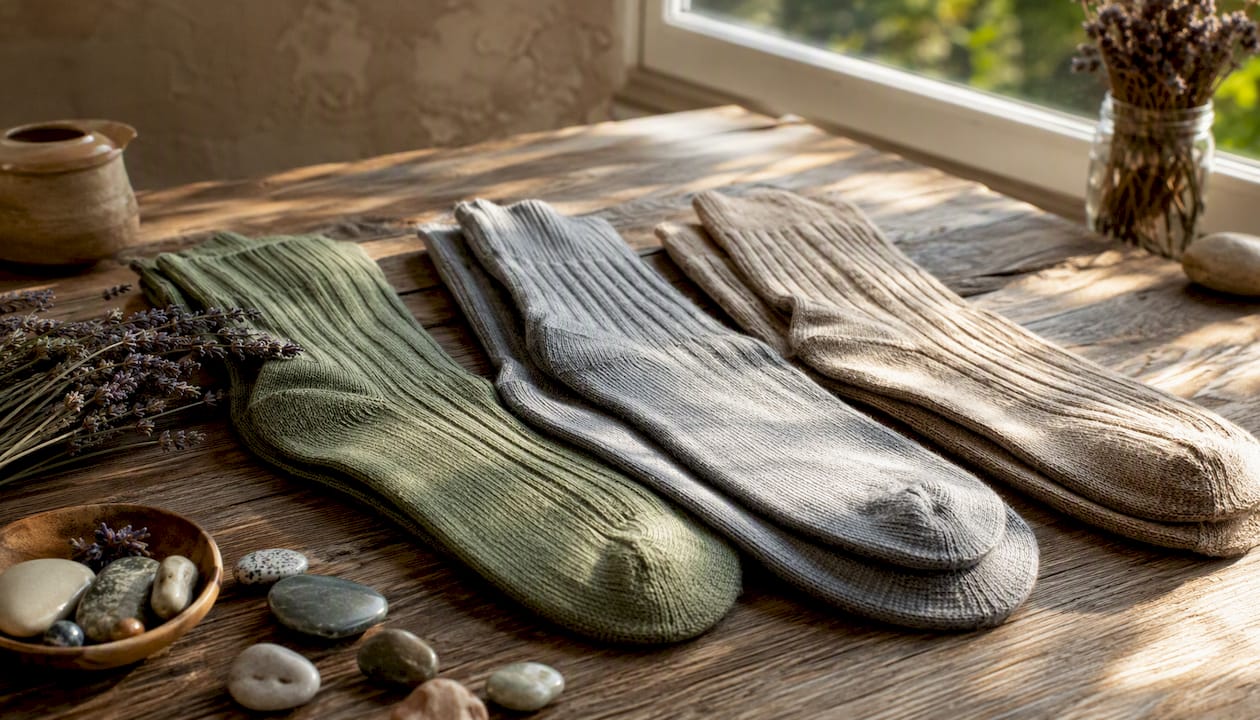
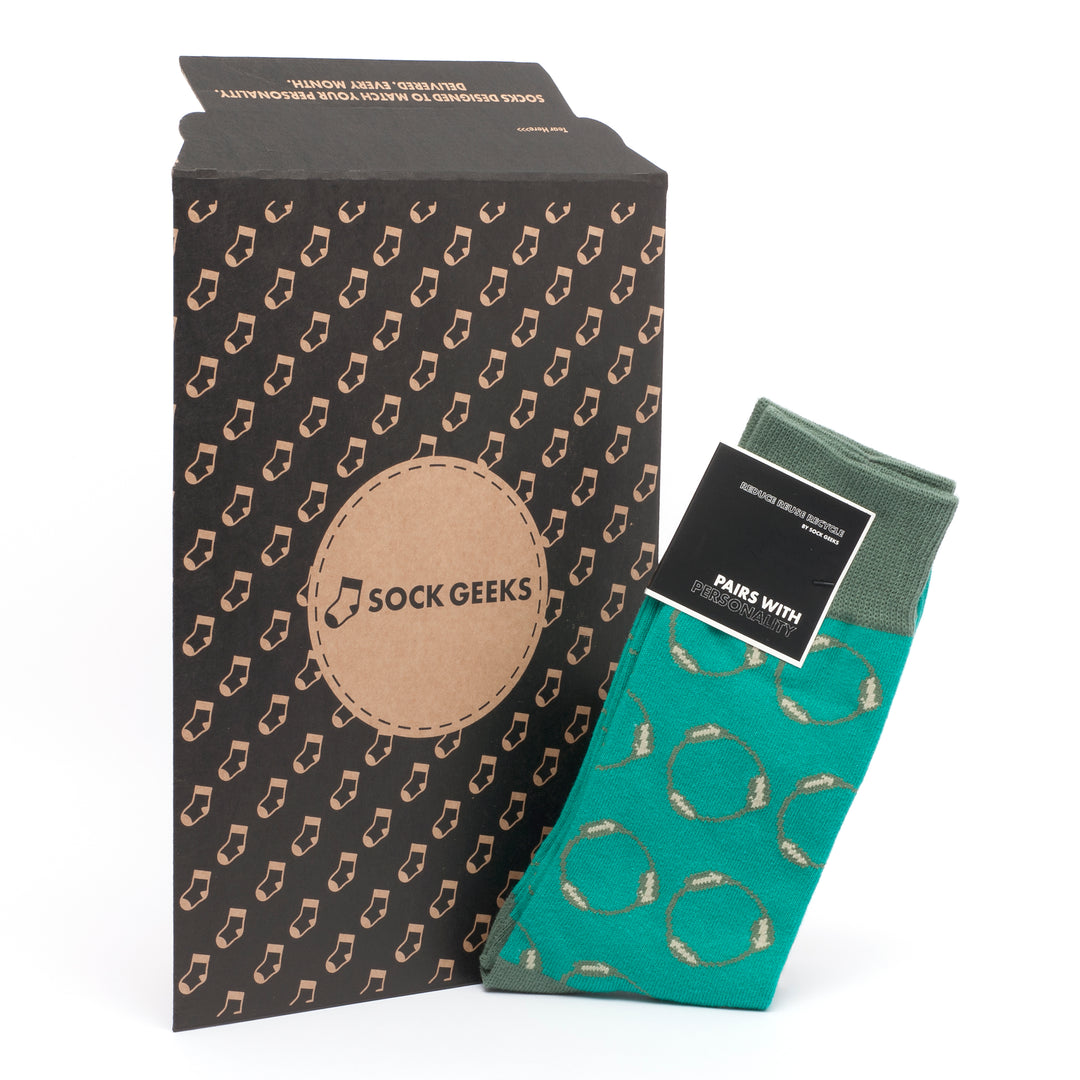
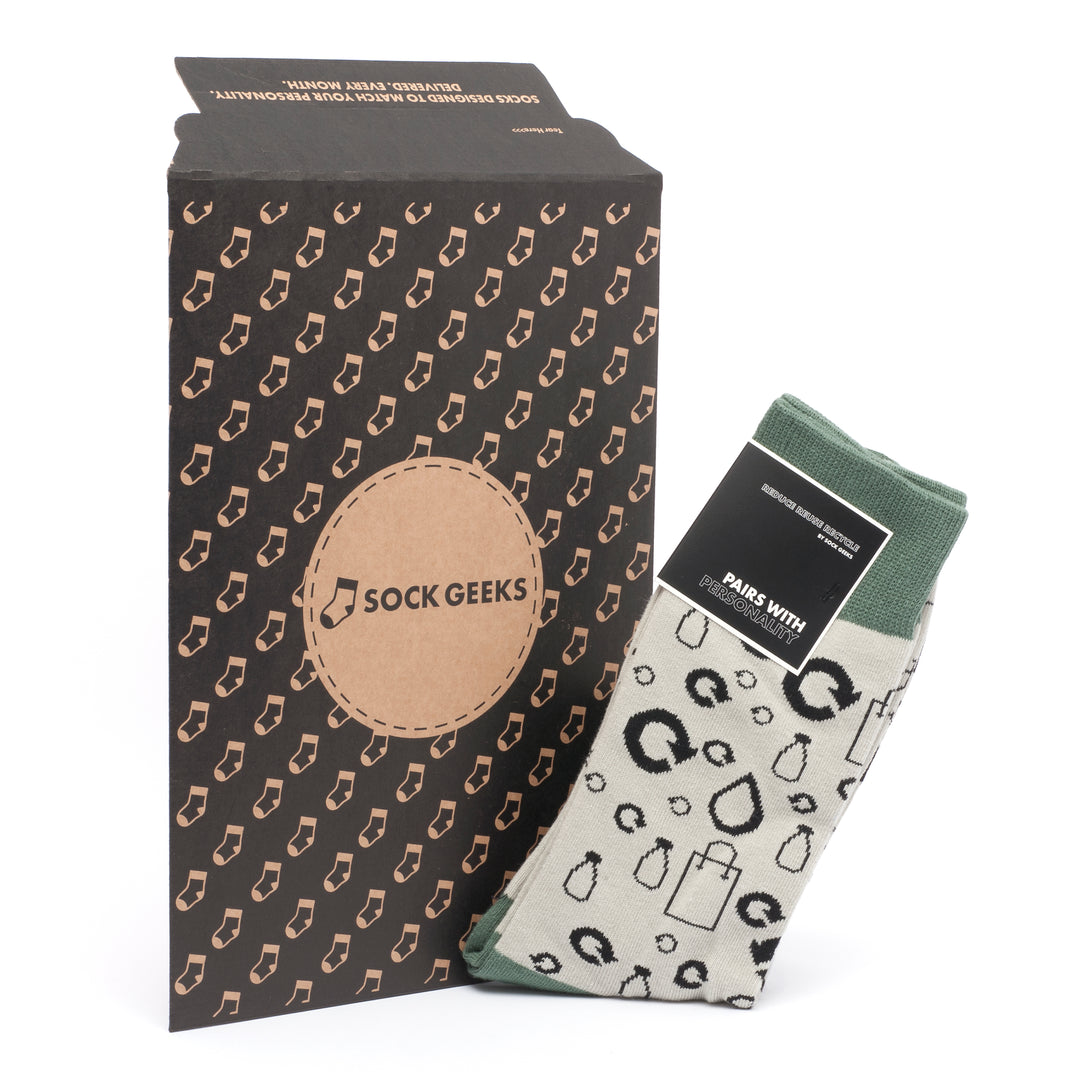
On materials, Sock Geeks uses ethically sourced fibres including bamboo and cashmere, chosen for comfort, durability, and lower environmental impact relative to conventional cotton or synthetic blends. Bamboo in particular requires significantly less water to grow and no pesticides under standard cultivation. Details on materials and sourcing are available on the Sock Geeks subscribe page.
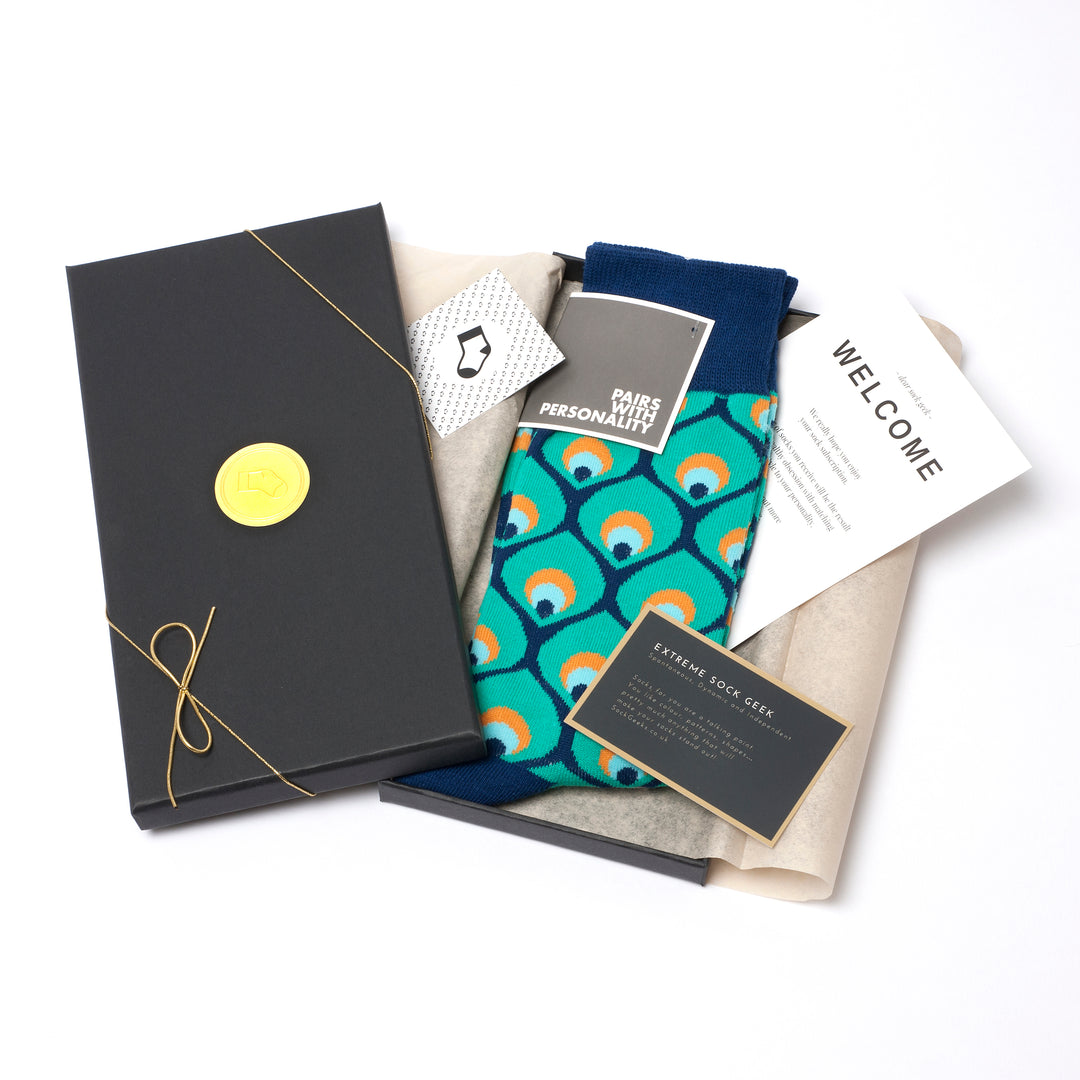
On personalisation, every subscription begins with a personality quiz that matches sock designs to individual taste. This matters for sustainability because a subscriber who genuinely likes what arrives wears it more often, extending garment life and reducing the likelihood of early disposal.
On quality, Sock Geeks holds a 4.72 customer rating, with reviewers consistently citing product durability and attention to detail. A sock that lasts two years rather than two months has a fundamentally different environmental footprint, regardless of the price on the label.
Disclosure: this article is published by Sock Geeks. Recommendations reflect the brand’s genuine commitment to ethical sourcing, but readers are encouraged to verify material and certification claims directly and to use independent rating tools such as Good On You when comparing options.
Why I think subscriptions matter more than most people realise
Most sustainability conversations focus on the big, visible choices: diet, travel, energy. Clothing sits in the background, treated as a minor issue. The data says otherwise. Subscriptions that shift even a modest portion of a household’s clothing spend from fast fashion to durable, ethically made items produce compounding benefits over time, and the UK market now has enough credible options to make that shift without sacrifice.
For UK shoppers specifically, the combination of accessible price points, strong consumer protection rights, and a growing number of independently rated brands makes this a genuinely good moment to try a subscription. The checklist in this article gives you everything you need to avoid the greenwashing traps and find something worth keeping.
Sock Geeks: a UK sock subscription built around ethics and personality
If you have read this far and want a practical starting point, Sock Geeks offers a personalised sock subscription built around ethically sourced materials, a personality-matching quiz, and a 4.72 customer rating that reflects genuine satisfaction rather than marketing copy. Unlike generic sock retailers, Sock Geeks curates each box to your taste, which means you are more likely to wear what arrives and less likely to discard it after a season.
Plans run monthly or across multi-month terms, with pricing that rewards commitment without locking you in indefinitely. Materials include bamboo and cashmere, both chosen for durability and lower environmental impact. Customer service is consistently praised in reviews, and the brand’s subscription benefits page sets out exactly what each plan includes. Take the personality quiz and choose a plan that fits your wardrobe goals.
Sources
- Rental clothing box subscription: The importance of sustainable fashion labels
- The fast fashion backlash is fueling a sustainability revolution | Scientific American
- Guide to sustainable fashion | Good On You
- Unlocking style: the benefits of sustainable fashion subscription services - Messgodess
FAQ
What are the main benefits of ethical fashion subscriptions?
Ethical fashion subscriptions reduce impulse purchases, extend garment life through better quality, and can support fairer supply chains. Research identifies four consistent benefits: reduced environmental pollution, consumer convenience, potential cost savings, and positive social impacts including income generation for producers.
Is a clothing subscription worth it financially?
Yes, when the cost-per-wear of subscription items falls below what you would pay for equivalent quality bought outright. Multi-month plans typically offer better value per box than rolling monthly options, and durable materials mean fewer replacements over time.
What is the 3-3-3 rule in fashion subscriptions?
The 3-3-3 rule means wearing an item at least three times in three different contexts before deciding whether to keep or return it. This gives a realistic picture of whether the item genuinely fits your wardrobe and reduces premature returns that generate unnecessary transport emissions.
How do I spot greenwashing in a fashion subscription?
Look for vague claims (“eco-friendly”, “conscious”) with no named certifications, no published supplier list, and no end-of-life scheme. Check the brand on Good On You; a rating of “It’s a start” or lower alongside premium ethical pricing is a reliable warning sign.
Does Sock Geeks offer an ethical subscription?
Sock Geeks offers a UK sock subscription using ethically sourced materials including bamboo and cashmere, personalised through a quiz, with a 4.72 customer rating. Plans are available monthly or across multi-month terms at sockgeeks.co.uk.



Leave a comment