





If you want one straight answer: Sock Geeks is the strongest all-round pick for affordable, ethically sourced socks in the UK, whether you buy single pairs, book a subscription, or want a gift box that doesn’t feel throwaway. It sources materials responsibly, keeps its buying process transparent, and sits in a price band most people can justify without a second thought.
Here’s why that verdict holds up:
- Materials and sourcing: ethically minded UK sock brands, Sock Geeks included, favour organic cotton, recycled fibres, and traceable wool rather than unlabelled synthetic blends.
- Transparency and certification signals: look for standards such as GOTS, OEKO-TEX Standard 100, and Fairtrade rather than vague “eco-friendly” claims with nothing behind them.
- Affordability: a genuinely ethical pair of socks in the UK typically costs between about £6 and £15, and subscription models often bring that average down further per pair.
This guide walks through how to judge any ethical sock brand on its merits, what the fabric choices actually mean for durability and the planet, which certifications are worth trusting, and where UK shoppers can buy well without overspending.
Table of Contents
- What makes ethical sock brands UK shoppers can trust?
- Which sock materials are actually the most sustainable?
- Which certifications and labels can UK shoppers trust?
- How much do ethical socks cost in the UK, and where do you buy them?
- Are bamboo socks ethical, and other quick answers
- How to make ethical socks last longer and dispose of them responsibly
- Why Sock Geeks stands out among ethical sock brands UK shoppers can choose from
- Key takeaways for buying ethical socks in the UK
- Where to check certifications and standards yourself
- Get matched with ethically sourced socks that actually fit your style
- Sources
- FAQ
What makes ethical sock brands UK shoppers can trust?
The honest answer is materials, supply-chain transparency, worker welfare, durability, and repairability, in roughly that order of importance. Get those five right and the certifications, price, and marketing gloss tend to fall into line behind them.
Start with the fibre. Organic cotton, recycled polyester, and responsibly sourced wool all reduce environmental strain compared with virgin synthetic yarn, but none of them mean much if the factory behind the sock pays workers badly or hides where production actually happens. Supply-chain transparency, whether a brand names its mill, publishes an audit, or simply answers a direct email about factory conditions, tells you more about genuine ethics than any single buzzword on a swing tag.
Use this checklist when you’re comparing brands, whether in a shop or scrolling a product page:
- Does the brand name its factories or at least its country of manufacture?
- Are the certification logos linked to a checkable certificate number, not just printed on the page?
- Is the material composition listed in full, including blend percentages?
- Does the brand explain how the socks were tested for durability, or is longevity just assumed?
- Is there a repair, exchange, or recycling scheme, or does the brand only talk about the first sale?
Watch for greenwashing red flags too. A brand that says “eco-friendly” or “sustainable” without naming a single certification, standard, or fibre percentage is usually hiding a gap rather than protecting a trade secret. So is a brand that talks endlessly about packaging (which matters, but is a small slice of a sock’s footprint) while staying silent on labour conditions. If a product page can’t tell you where the yarn was spun or the socks were knitted, ask customer service directly. A brand with nothing to hide usually answers within a day; one that dodges the question usually has a reason to.
Pro Tip: Ask a brand for its factory audit date or yarn country of origin before you buy. Genuine ethical brands answer quickly and specifically; the ones relying on vague sustainability language tend to stall or send a generic marketing reply.
Which sock materials are actually the most sustainable?
No single fibre wins outright. Each one trades off durability, comfort, animal welfare, or climate impact against the others, so the right choice depends on what you’re prioritising.
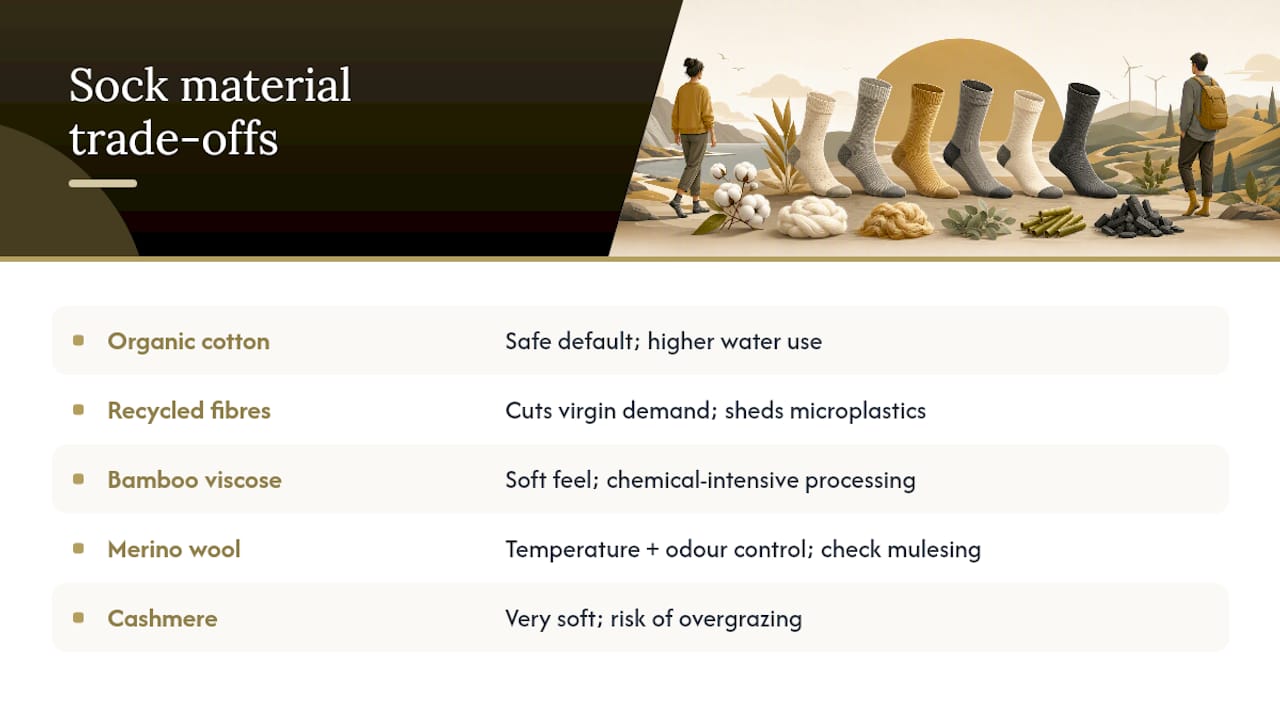
Organic cotton is the safest default for most buyers. Grown without synthetic pesticides and certified under standards like GOTS, it’s biodegradable, breathable, and widely available in the UK at a reasonable price. The trade-off is water use during cultivation, which remains higher than some alternative fibres even when farming practices improve.
Recycled fibres, usually recycled polyester or nylon under a scheme like the Global Recycled Standard, divert plastic waste from landfill and cut virgin material demand. GRS certification specifically requires traceability and chain-of-custody checks, so a genuinely GRS-certified sock has been through more verification than one simply labelled “recycled” with no standard attached. The downside is that recycled synthetics still shed microplastics in the wash and don’t biodegrade at end of life.
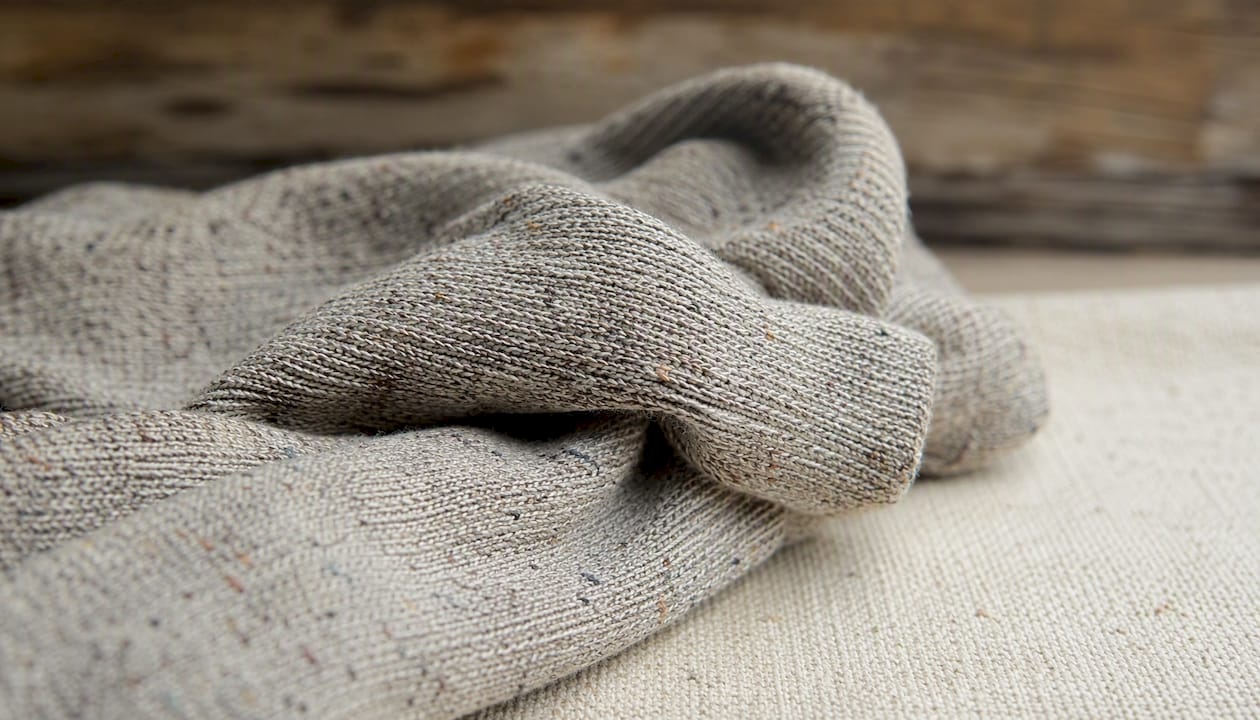
Bamboo viscose feels soft and drapes well, and bamboo itself grows quickly with minimal water. The catch is processing: turning bamboo into viscose fibre usually involves a chemical-intensive process, so the “bamboo is automatically green” claim oversimplifies things. A bamboo sock is only as ethical as the mill that processed it and the chemical management that mill follows.
Merino wool offers excellent temperature regulation and natural odour resistance, which extends the time between washes and indirectly reduces environmental load. Animal welfare is the key question here: buyers should look for mulesing-free sourcing, since mulesing (a surgical procedure performed on some sheep without anaesthetic) remains a serious welfare concern in parts of the wool industry.
Cashmere sits at the luxury end and, when sourced responsibly, delivers exceptional softness and warmth that outlasts cheaper knits if cared for properly. The trade-off is land use; cashmere goats graze extensively, and overgrazing has been linked to grassland degradation in some sourcing regions, so provenance matters more here than with almost any other fibre.
Which certifications and labels can UK shoppers trust?
Four labels carry real weight: GOTS, Fairtrade, OEKO-TEX Standard 100, and B Corp. Each one answers a different question, and knowing which is which stops you overpaying for reassurance you don’t actually need.
GOTS certifies organic fibre content and restricts harmful processing chemicals throughout manufacturing. OEKO-TEX Standard 100 is a product safety certification, meaning it tests the finished item for a wide range of harmful substances, but it doesn’t guarantee the cotton was grown organically or that workers were paid fairly. Fairtrade focuses specifically on farmer and worker livelihoods in agricultural supply chains, offering product-level guarantees about fair pay and community premiums, which matters enormously for cotton but says nothing about chemical safety. B Corp certification is different again: it assesses a company’s overall social and environmental performance, not a single product, so it’s the strongest signal that a brand’s ethics run through the whole business rather than one flagship line.
To verify a claim, don’t take a logo at face value. Search the certifying body’s own database (GOTS, OEKO-TEX, and B Corp all publish searchable directories) using the brand or certificate number listed on the product page. If a brand can’t or won’t provide that number, treat the claim as marketing rather than proof.
A useful way to think about it: third-party certification requires an external body to check a claim against a fixed standard, while a brand’s own “sustainably made” label requires you to simply believe them. That distinction is worth remembering the next time a product description leans hard on adjectives and light on named standards.
How much do ethical socks cost in the UK, and where do you buy them?
Budget for a range of prices per pair depending on material and finish, with most everyday ethical socks landing in a moderate price band. That’s a modest premium over fast-fashion multipacks, and it buys materials and labour practices that lower-price supermarket multipacks can’t match.
At the budget end, expect organic cotton blends, simpler designs, and fewer certifications stacked together, often just one or two. The mid-range is where most subscription boxes and specialist ethical retailers sit, typically combining certifications like GOTS or GRS with better durability testing and more distinctive design work. Premium socks cover higher-quality fibres such as merino and cashmere, and small-batch UK-manufactured runs, where you’re paying for fibre quality and verified production.
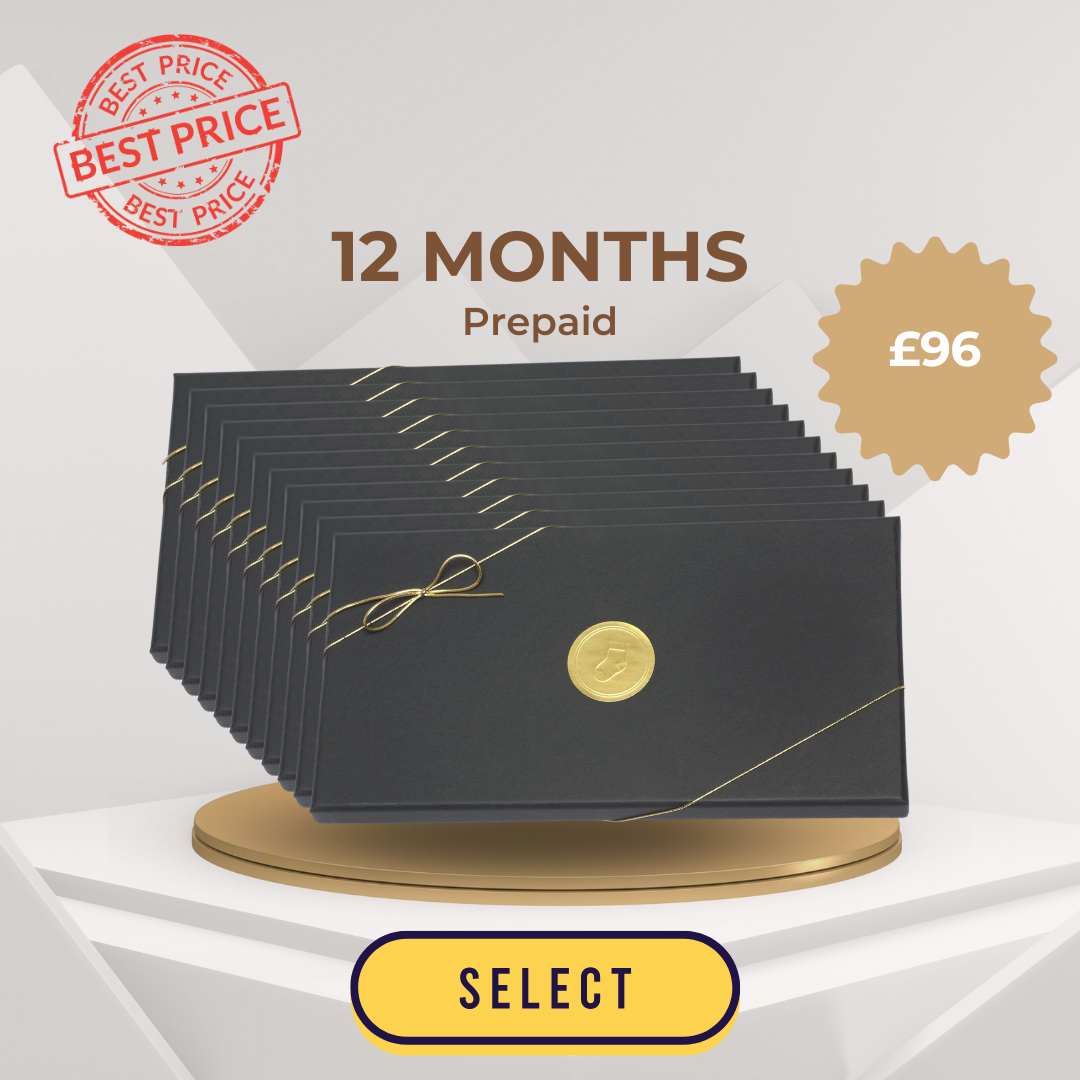
Subscription models, like the personality-matched boxes Sock Geeks offers, tend to bring the per-pair cost down because you’re buying in a batch, and they remove the repeat decision-making that leads some shoppers back to cheaper, less ethical multipacks out of convenience. UK ethical fashion roundups consistently flag certification, material sourcing, and country-of-manufacture transparency as the deciding factors shoppers use, regardless of channel.
On UK manufacturing specifically: yes, some socks genuinely are made in Britain, and brands offering British-made organic cotton ranges exist alongside imported ethical stock. UK manufacturing tends to carry a modest price premium because of labour costs, but it also shortens the supply chain, which makes transparency easier to verify since there are fewer intermediary factories to trace.
Are bamboo socks ethical, and other quick answers
Are bamboo socks ethical? Bamboo itself grows fast with low water and pesticide needs, but turning it into viscose fibre usually involves a chemical-intensive process, so the ethics depend heavily on how the manufacturer manages that processing and whether the finished fabric carries an OEKO-TEX or similar safety certification.
Are any socks made in the UK? Yes. A number of UK brands produce socks domestically, often marketed alongside organic cotton or recycled fibre claims, and buying UK-made typically shortens the supply chain and simplifies verification, though it doesn’t automatically guarantee organic or Fairtrade status on its own.
What are some popular sock brands in the UK? The UK market includes a mix of specialist ethical retailers, subscription services, and high-street labels, with certification standards varying considerably between them, so it’s worth checking each brand’s specific claims rather than assuming popularity equals ethical practice.
Is Sock Shop ethical? That depends on which range you’re looking at and what the product page actually discloses. The way to check any retailer, Sock Shop included, is to look for a named certification (GOTS, OEKO-TEX, Fairtrade) with a verifiable certificate number rather than relying on general sustainability language on the homepage.
How to make ethical socks last longer and dispose of them responsibly
Proper washing and a couple of basic repair habits can genuinely double a sock’s working life, which matters more for overall sustainability than the fibre choice alone. A cheap organic cotton sock that lasts one winter delivers less environmental benefit than a slightly pricier pair that lasts three.
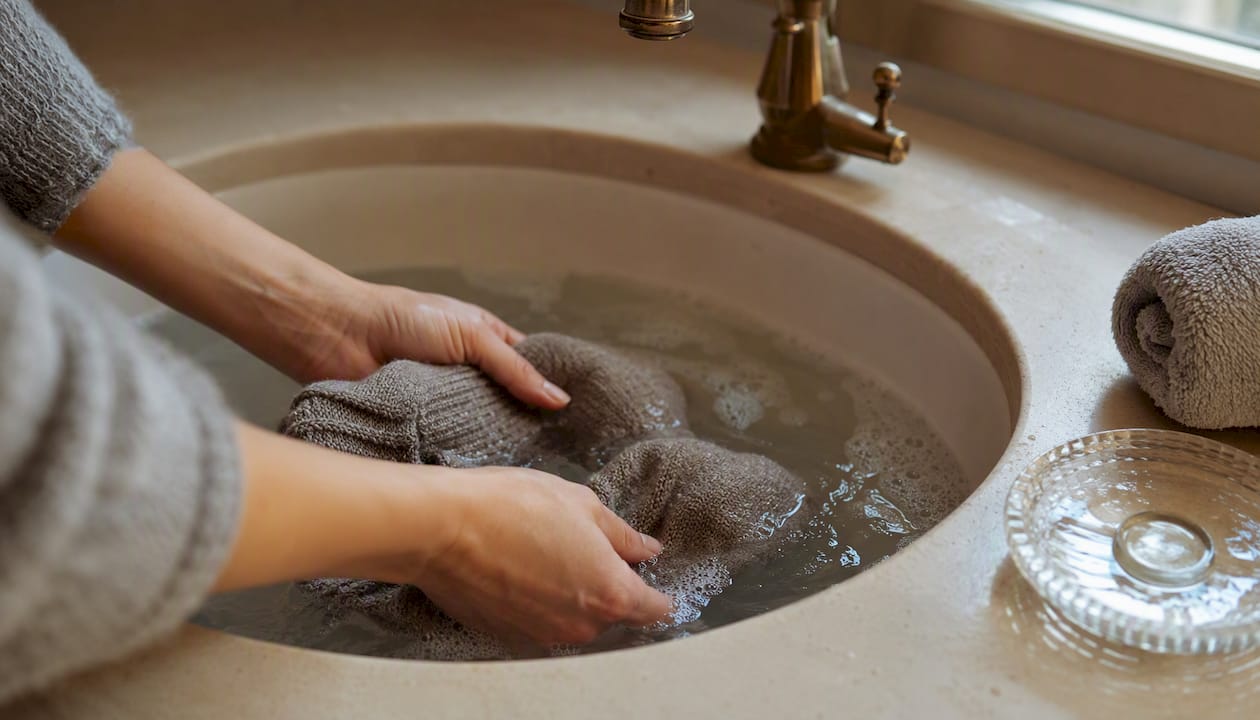
Wash wool and cashmere socks on a cool, gentle cycle or by hand, and always air dry rather than tumble dry, since heat is what breaks down wool fibres and shrinks cashmere fastest. Cotton and recycled synthetic blends tolerate machine washing better, but turning them inside out before washing reduces pilling and protects any decorative stitching. Avoid fabric softener on wool, as it coats the fibres and reduces their natural moisture-wicking properties.
When a hole appears at the heel or toe, before you write the sock off, try darning it. It’s a fifteen-minute skill, needle, matching thread, and a rough weave over the hole, and it can add another year of wear to a pair you’d otherwise bin. For socks genuinely past repair, look into UK textile recycling schemes and local sock recycling options rather than sending them to landfill; wool and cotton fibres can often be reprocessed into insulation or industrial cloth even when they’re no longer wearable.
Pro Tip: Keep a small “odd sock” bag by the washing machine. When you’ve got three or four unmatched or holed socks, take them to a local textile bank or clothing recycling point rather than letting them build up in a drawer for years before you finally deal with them.
Why Sock Geeks stands out among ethical sock brands UK shoppers can choose from
Sock Geeks earns its place at the top of this list by combining ethically sourced materials, a UK-based service, and a subscription model that keeps the per-pair cost sensible without cutting corners on quality.
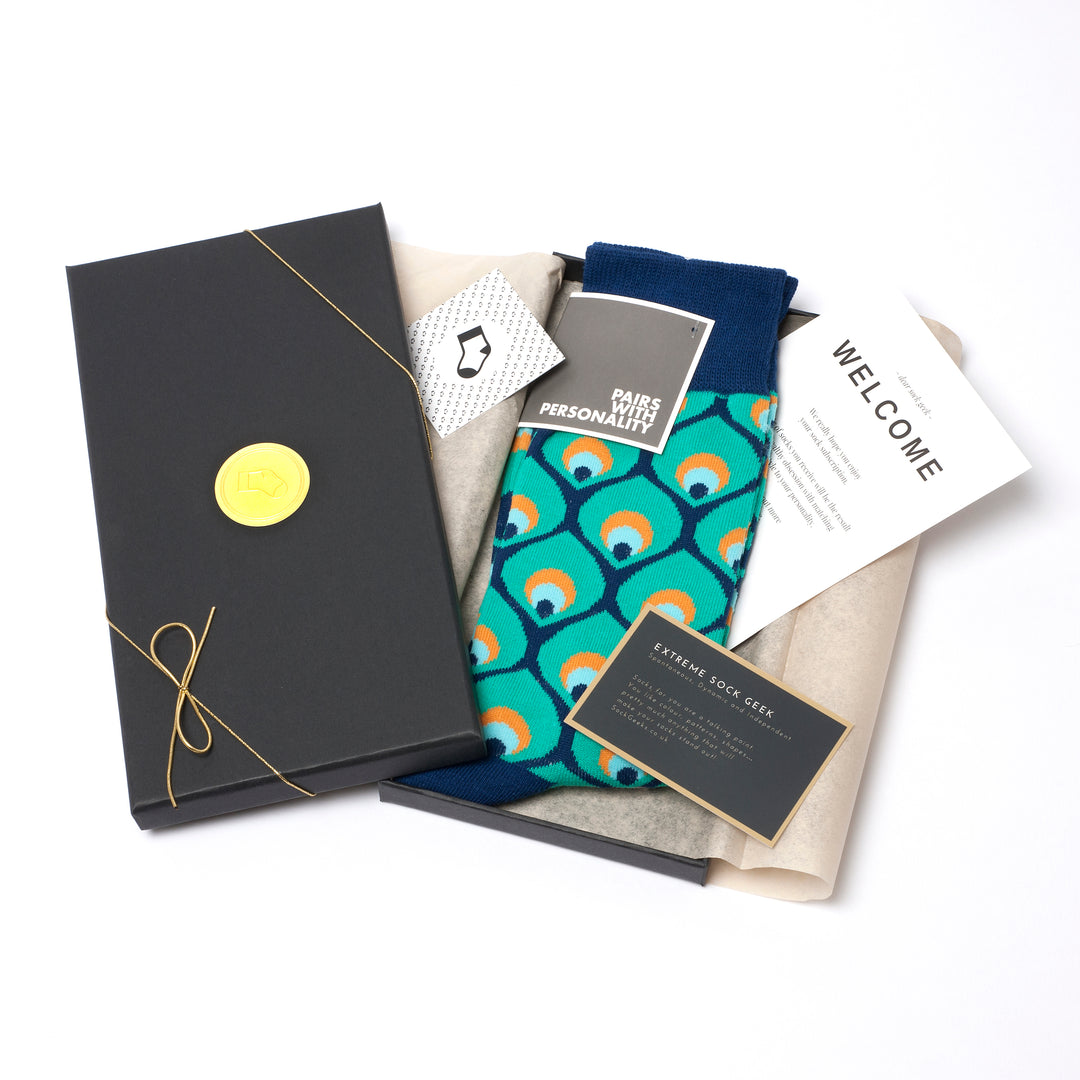
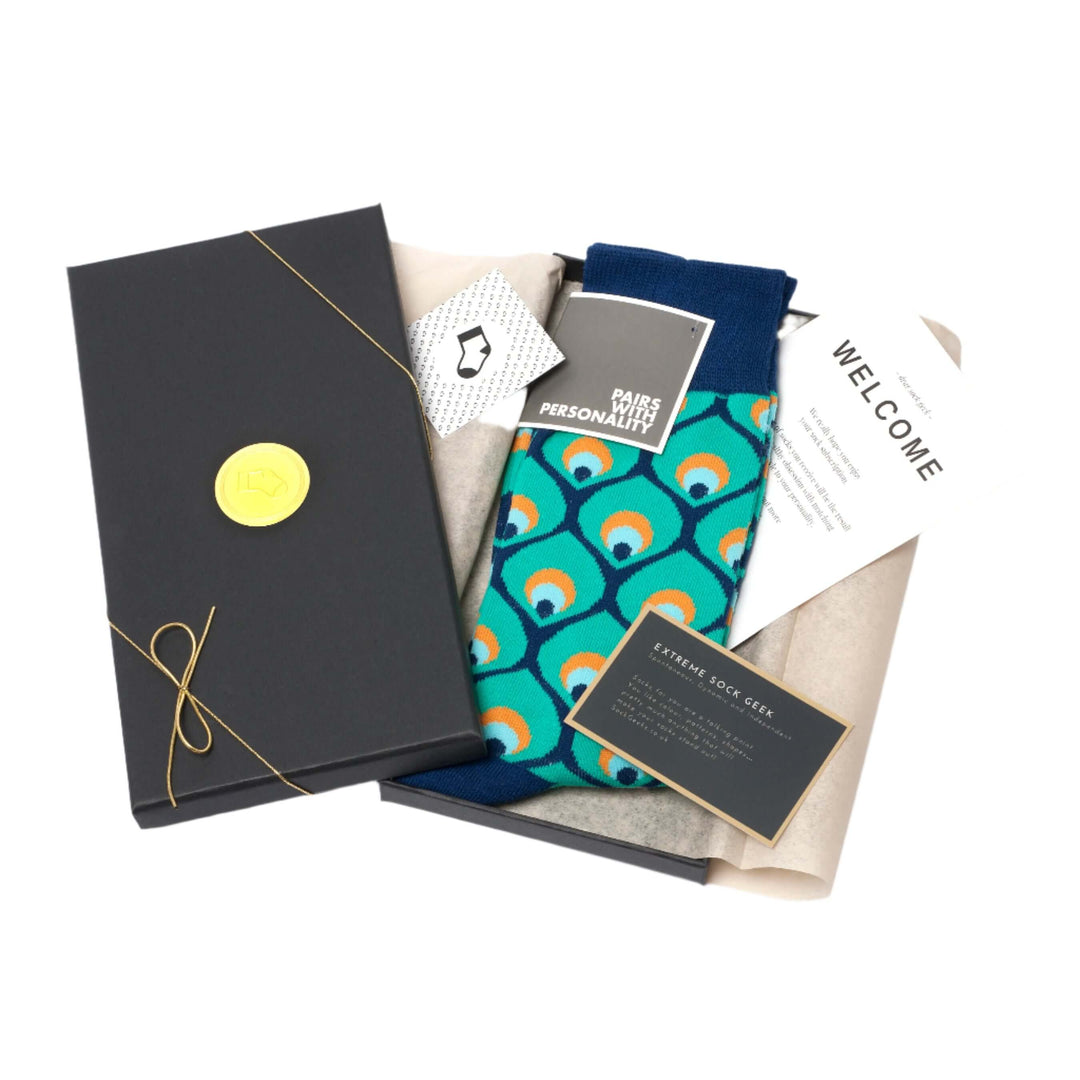
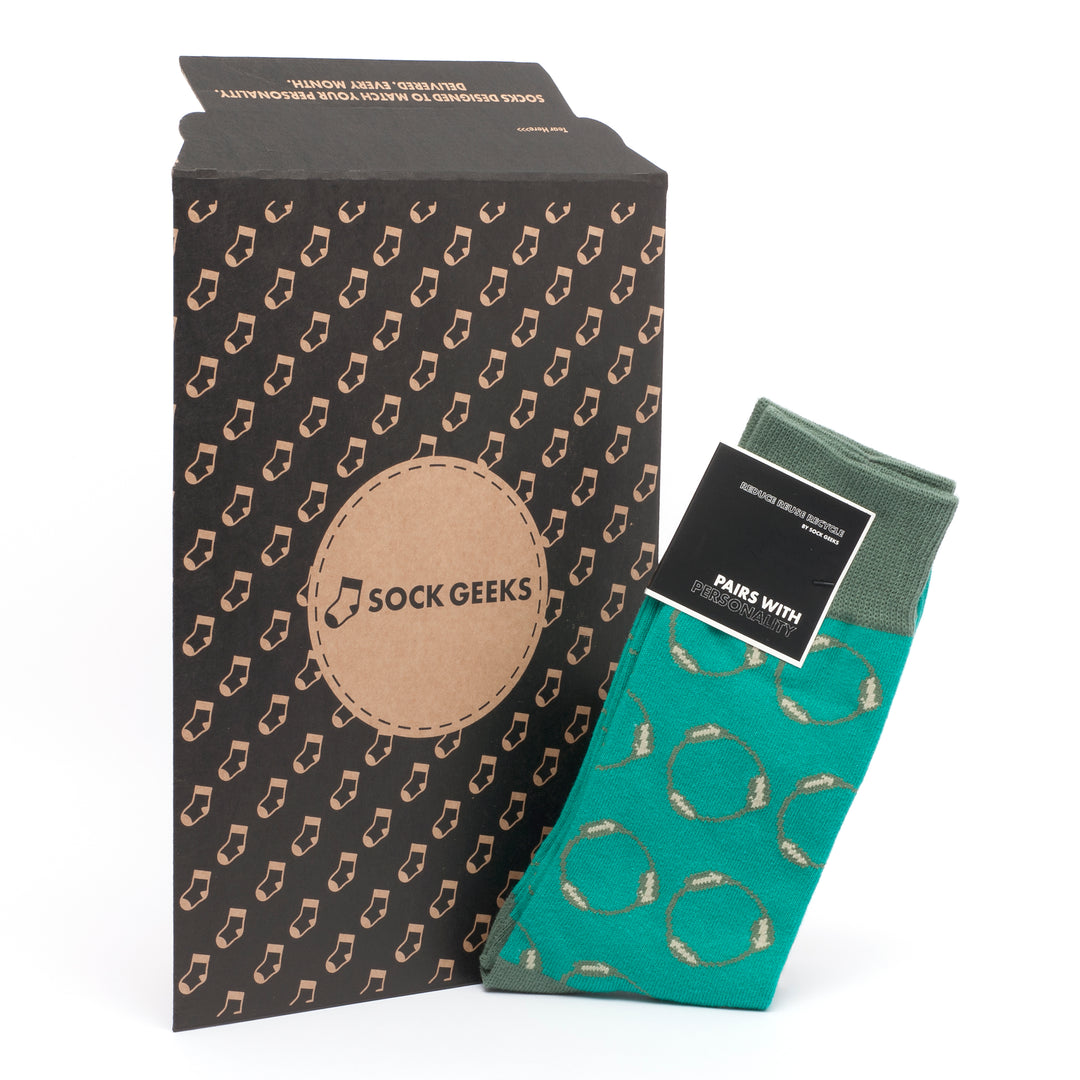
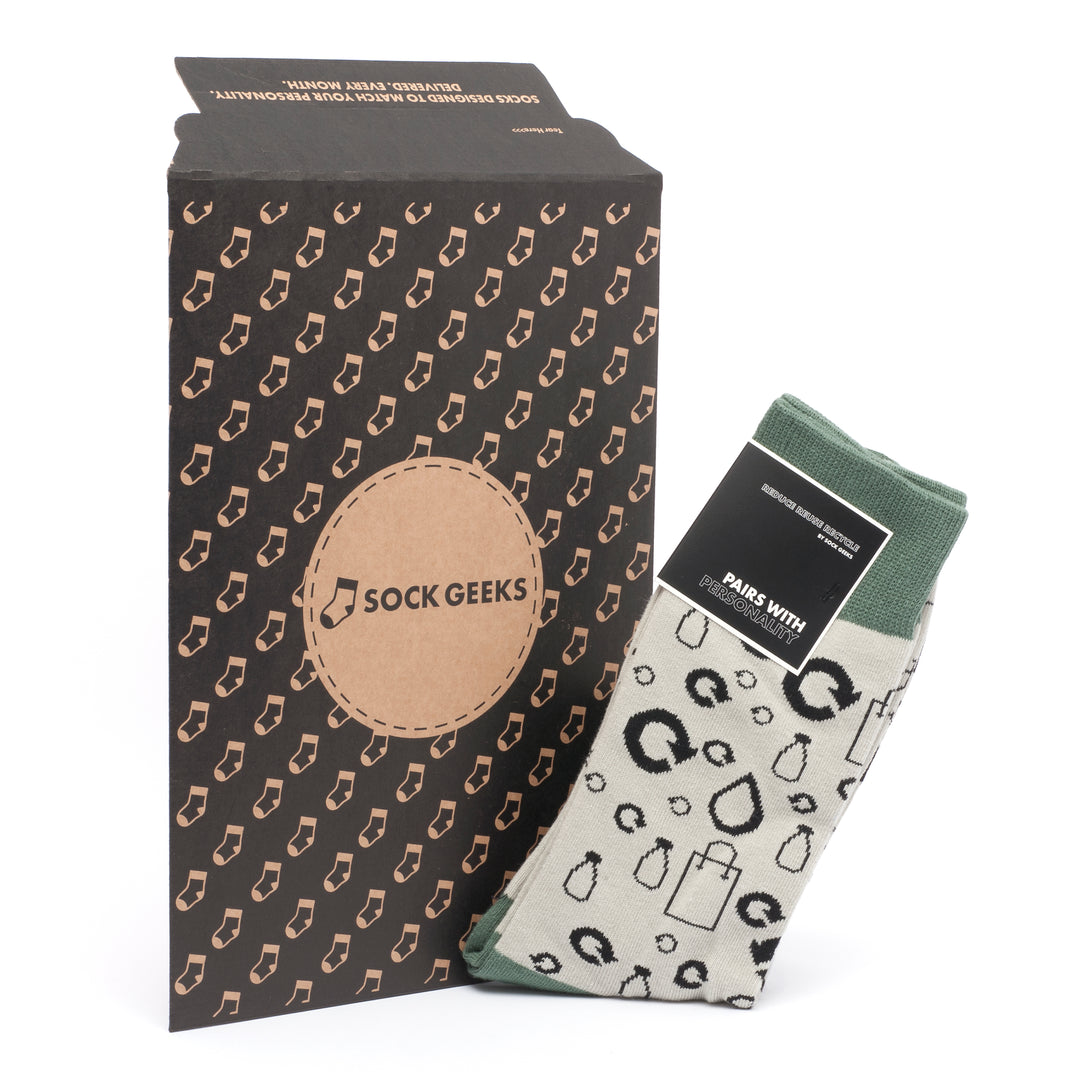
The core offering is a personality-matched subscription: a short quiz shapes each box so the designs suit the subscriber rather than arriving generic, which solves the common subscription complaint of receiving socks nobody actually wants to wear. Beyond the subscription, Sock Geeks sells a dedicated cashmere range for women, combining warmth and softness for gifting or personal treat purchases, and a full set of curated gift boxes covering birthdays, Christmas, weddings, new babies, and corporate gifting, each one personalised rather than mass-assembled.
Sock Geeks has built its reputation on a 4.72 customer rating, with buyers repeatedly citing product quality, customer service, and attention to detail as the reasons they return for repeat boxes and gifts.
That rating reflects more than fabric choice. It’s a sign that the whole experience, from the quiz to the packaging to the actual wear of the sock, holds up under repeat use. When you’re comparing that kind of subscription model against a generic multipack retailer or an unnamed high-street label, the difference isn’t really about ethics claims on a swing tag; it’s about a UK-based brand that has been transparent enough about sourcing and quality to earn genuine repeat custom.
Key takeaways for buying ethical socks in the UK
Buying well comes down to matching fibre choice and certification to your budget, then picking a channel, subscription or single-pair, that keeps you coming back rather than defaulting to a cheaper, unverified multipack.
If you’re ready to buy, the sequence is simple: first, check for a named certification (GOTS, OEKO-TEX, Fairtrade, or B Corp) with a verifiable number; second, pick the material that matches your priority, whether that’s animal welfare, recycled content, or luxury feel; third, decide whether a subscription or single-pair purchase suits how often you actually replace socks.
| Point | Details |
|---|---|
| Best overall pick | Sock Geeks offers ethically sourced materials, UK-based service, and a personality-matched subscription at an affordable per-pair cost. |
| Certifications to trust | Look for GOTS, OEKO-TEX Standard 100, Fairtrade, and B Corp with a checkable certificate number, not just a logo. |
| Materials trade-off | Organic cotton suits most budgets; recycled fibres cut waste; merino and cashmere cost more but last longer with proper care. |
| Typical price band | Expect £8 to £15 per pair for genuinely ethical mid-range socks, with premium wool or cashmere reaching £35. |
| Recommended next step | Try Sock Geeks’s subscription quiz to match designs to your taste while supporting verified ethical sourcing. |
Where to check certifications and standards yourself
A handful of independent bodies cover almost every claim you’ll see on a UK sock label, and each publishes its own verification tools.
- GOTS certifies organic fibre content and restricts harmful chemical processing throughout the textile supply chain.
- OEKO-TEX Standard 100 tests finished textiles for a wide range of harmful substances, covering product safety rather than farming or labour practices.
- B Corp assesses a company’s entire social and environmental performance, giving company-wide verification beyond any single product line.
- Global Recycled Standard (GRS) verifies traceability and chain-of-custody for recycled content, confirming that a “recycled” claim reflects genuinely tracked material.
For a wider view of ethical manufacturing principles that apply across clothing categories, not just socks, it’s worth reading why ethical manufacturing matters in general terms, since the underlying supply-chain questions (factory conditions, chemical management, worker pay) are consistent across garment types.
What I look for before I buy a pair of socks
Comfort matters, but it’s the third thing I check, not the first. Durability comes before it, and verified sourcing comes before that. A sock that feels lovely on day one but falls apart by week six, or one that looks organic but can’t back the claim with a certificate number, isn’t actually a good buy no matter how soft it feels in the shop.
What I’ve come to value most is a brand that treats transparency as routine rather than a marketing moment. That’s part of why the subscription model at Sock Geeks was built around named materials and clear sourcing information rather than vague “sustainable” language, because shoppers deserve to know exactly what they’re putting on their feet and where it came from, box after box.
Get matched with ethically sourced socks that actually fit your style
Reading certification labels and comparing material trade-offs is useful, but most people just want socks that feel good, last, and were made responsibly, without spending an evening researching every brand claim first. That’s exactly the gap Sock Geeks fills.
Sock Geeks’s subscription starts with a short personality quiz, so every box you receive reflects your actual taste rather than a generic seasonal print run, and every pair is made from ethically sourced materials rather than unlabelled filler stock. If you’re buying for someone else, the curated gift boxes cover everything from birthdays to corporate appreciation gifts, each personalised rather than assembled off a shelf, and the cashmere range for women gives you a genuinely premium option when a standard cotton pair won’t quite do. Take the quiz today and get your first box matched to your style.
Sources
FAQ
What are some popular sock brands in the UK?
The UK market has a broad mix of specialist ethical retailers, subscription services, and high-street labels, and certification standards vary considerably between them, so it’s worth checking each brand’s specific claims rather than assuming size or popularity equals ethical practice.
Is Sock Shop ethical?
That depends on the specific range, since ethical credentials vary by product line even within one retailer. Check for a named certification with a verifiable certificate number, such as GOTS or OEKO-TEX, on the product page itself rather than relying on general homepage language.
Are any socks made in the UK?
Yes, several brands produce socks domestically, including British-made organic cotton ranges, and UK manufacturing typically shortens the supply chain, making sourcing easier to verify.
Are bamboo socks ethical?
Bamboo grows quickly with low water and pesticide use, but converting it to viscose usually involves chemical-intensive processing, so the ethics depend on how the manufacturer manages that step and whether the fabric carries a safety certification like OEKO-TEX.
How do I know if an ethical sock brand is genuine, or just greenwashing?
Look for a named, verifiable certification (GOTS, OEKO-TEX, Fairtrade, B Corp) with a certificate number you can check independently, rather than vague terms like “eco-friendly” with no standard named behind them.




Leave a comment