



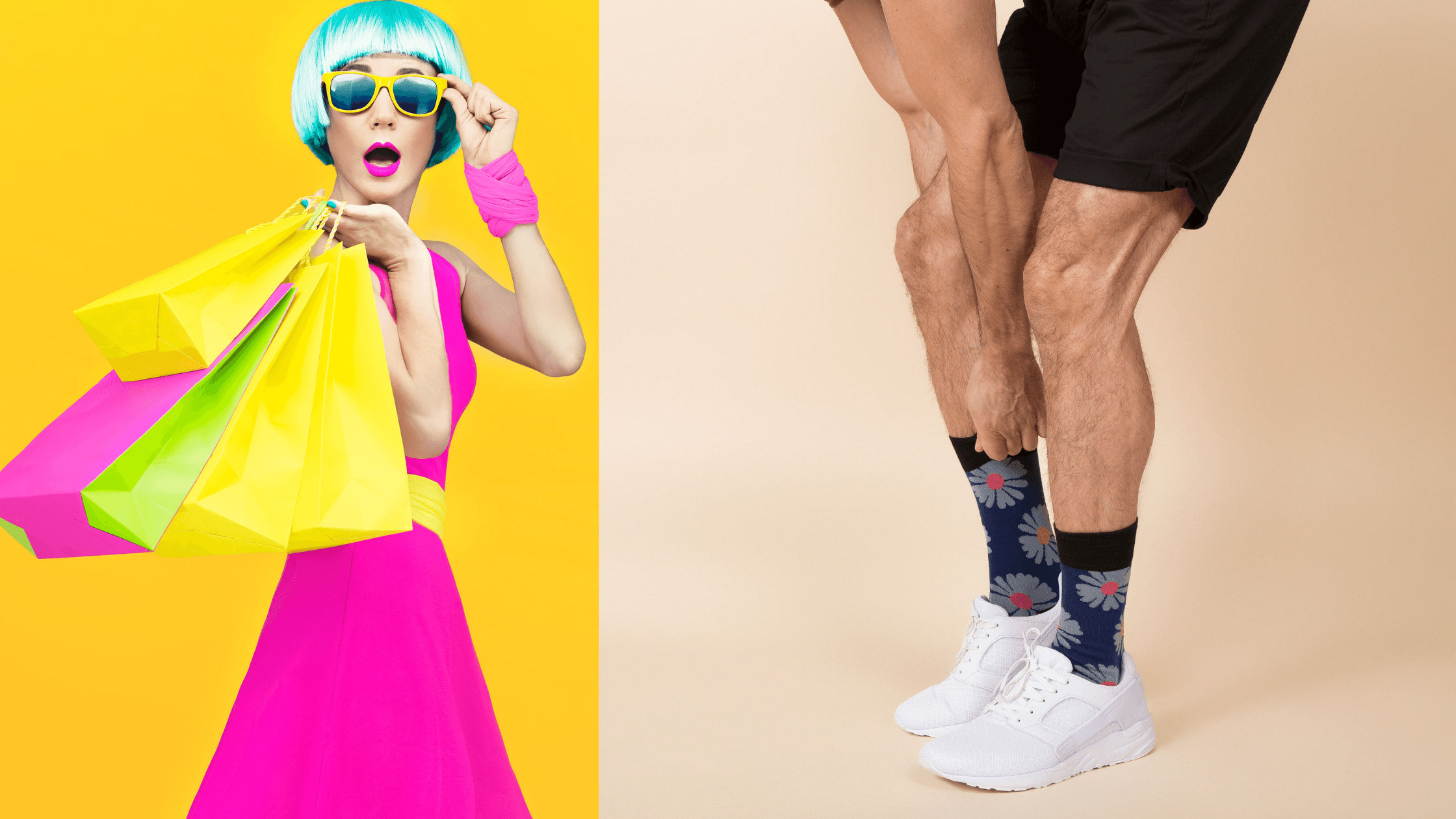


Socks are the most underestimated item in a professional wardrobe. To refresh your work wardrobe with quality socks is to improve both your appearance and your physical comfort in a single, low-cost move. Premium work socks, the industry term for performance-grade hosiery designed for all-day office wear, combine materials science with style in ways that cheap alternatives simply cannot match. Sock Geeks, rated 4.72 by customers, has built its reputation on exactly this principle: that the right pair of socks changes how you feel and how you present yourself from the moment you leave the house.
What makes socks suitable for refreshing your work wardrobe?
The material is the single most important factor in a quality work sock. Merino wool blends regulate temperature naturally and manage moisture efficiently, which means your feet stay comfortable whether you are in a warm boardroom or a cold open-plan office. Nylon and recycled cotton blends are equally strong performers. Moisture-wicking nylon with recycled cotton keeps feet dry and comfortable during extended wear, making these blends the go-to choice for professionals with long or physically varied days.
Compression is a feature that most professionals overlook until they experience its benefits. Graduated compression at 15–20 mmHg is the industry standard for daily office wear, improving circulation and reducing leg fatigue during long hours of sitting or standing. That pressure range is specific: too little and you lose the benefit, too much and the sock becomes uncomfortable for all-day use.

Fit and sock length matter more than most professionals realise. A sock that stays in place prevents bunching and hot spots, which directly affects both comfort and the clean line of your trouser break. Crew-length socks suit most office trousers, while over-the-calf styles are the correct choice for formal suits, as they prevent the sock from slipping down when you cross your legs.
Key features to prioritise when selecting work socks:
- Material: Merino wool, recycled cotton, or nylon blends for breathability and moisture management
- Compression: 15–20 mmHg graduated compression for circulation support on long days
- Length: Over-the-calf for formal suits; crew length for smart-casual office wear
- Elasticity: Reinforced heel and toe for durability through daily wear
- Fit: Anatomically shaped socks that hold their position without digging in
Pro Tip: Check the fibre composition label before buying. A sock with at least 60% natural or performance fibre, such as merino or moisture-wicking nylon, will outlast and outperform a sock made primarily from standard cotton.
How do you choose colours and patterns for the office?
Style coordination is where most professionals either play it too safe or get it wrong entirely. Classic colours and subtle patterns align best with traditional office wear. Navy, grey, and black are the most versatile choices for formal settings, and modest stripes or small geometric patterns add visual interest without crossing into casual territory. That versatility matters because these shades work across suits, chinos, and smart trousers without requiring you to think too hard in the morning.
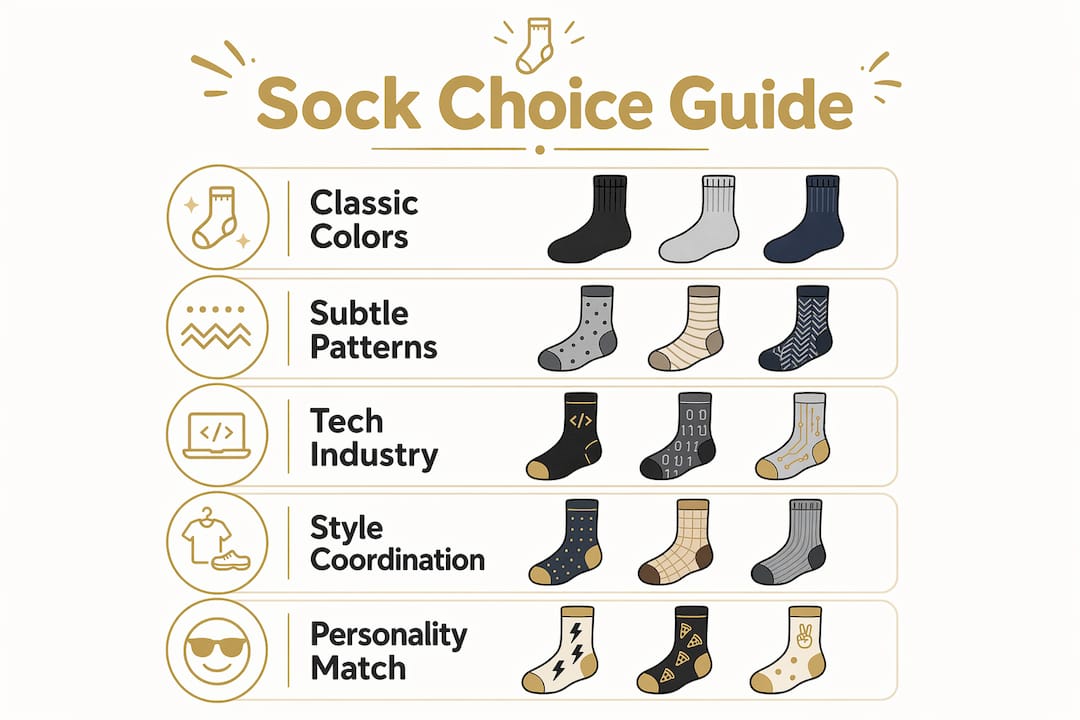
Statement socks are a legitimate professional tool when used with restraint. A pair of socks with a bold geometric print or a rich burgundy tone can signal personality and confidence, particularly in creative industries or client-facing roles where personal style carries weight. The rule is simple: the bolder the sock, the more conservative the rest of the outfit should be. A charcoal suit with a white shirt is the perfect canvas for a pair of socks with a striking pattern.
Common styling mistakes to avoid:
- Wearing white sports socks with formal shoes. This is the single most damaging sock choice for a professional appearance.
- Choosing socks that are too short for the shoe style, causing skin to show when seated.
- Clashing sock patterns with a patterned tie or shirt simultaneously.
- Ignoring sock colour entirely and defaulting to black regardless of outfit tone.
For professionals exploring tech industry dress codes, the rules are more relaxed, but the principle of intentional sock selection still applies. A well-chosen pair of socks in a casual tech environment signals the same attention to detail as a polished pair in a law firm.
How should you care for premium work socks?
Proper care extends the life of quality socks significantly. Heat is the primary enemy of premium sock materials. Washing in cold water on a delicate cycle and air drying preserves elasticity and antimicrobial properties that heat would otherwise destroy. This is not a minor consideration. Exposure to high temperatures in washing and drying cycles rapidly degrades the elastomers and performance finishes woven into premium yarns, turning a durable sock into a shapeless one within weeks.
Follow this care sequence to protect your investment:
- Turn socks inside out before washing to protect the outer surface and any printed designs.
- Wash on a cold, delicate cycle using a mild detergent without fabric softener. Fabric softener coats fibres and reduces moisture-wicking performance.
- Lay flat or hang to air dry. Never tumble dry, even on a low setting.
- Store folded rather than rolled into a ball. Rolling stretches the cuff and weakens the elastic over time.
- Rotate between at least five pairs to reduce wear frequency on any single pair.
Pro Tip: Inspect the heel and toe of each sock after washing. Thinning fabric in these zones is the first sign that a pair needs replacing. Catching this early prevents the embarrassment of a sock failing mid-workday.
Recognising when to retire a sock is as important as knowing how to wash one. Investing in higher quality materials delivers better durability and wearer satisfaction over time, but no sock lasts indefinitely. A sock that has lost its elasticity, developed thin patches, or no longer holds its shape should be replaced rather than kept in rotation.
Which sock types suit different professional roles?
The right sock depends on what your workday actually demands. A desk-based professional who commutes by train and sits for eight hours has different needs from a site manager who is on their feet all day. Matching the sock to the role is the most practical way to upgrade office socks without wasting money on features you will never use.
| Professional role | Recommended sock type | Key feature |
|---|---|---|
| Desk-based office worker | Merino wool blend, crew length | Temperature regulation, all-day comfort |
| Standing or active professional | Graduated compression, 15–20 mmHg | Circulation support, fatigue reduction |
| Frequent traveller or hybrid worker | Moisture-wicking nylon blend | Durability, odour resistance |
| Physically demanding role | Cushioned, reinforced construction | Impact absorption, durability |
| Warm office or active commuter | Breathable recycled cotton blend | Ventilation, moisture management |
Anatomical cushioning in key foot zones reduces strain and absorbs impact for professionals who spend significant time on their feet. This feature is particularly valuable for healthcare workers, retail managers, and anyone whose role involves standing on hard floors for extended periods.
Breathable socks suit professionals who commute actively or work in warmer environments. A sock with a ventilated knit panel across the top of the foot prevents overheating without sacrificing the polished appearance that office wear requires. For hybrid workers who move between environments, a moisture-wicking blend that performs equally well on a cycle commute and in a meeting room is the most practical choice. Sock Geeks offers a quality sock selection that covers these varied demands, with options matched to different workday lengths and environments.
Key takeaways
Upgrading to quality work socks is the fastest, most cost-effective way to improve both the comfort and the appearance of a professional wardrobe.
| Point | Details |
|---|---|
| Material determines performance | Choose merino wool, recycled cotton, or nylon blends for all-day moisture management and comfort. |
| Compression supports long days | Graduated compression at 15–20 mmHg is the industry standard for reducing leg fatigue in office wear. |
| Colour and pattern require intention | Navy, grey, and black are the most versatile base colours; use bold patterns sparingly against plain outfits. |
| Heat destroys premium socks | Always wash cold on a delicate cycle and air dry to preserve elasticity and antimicrobial properties. |
| Match the sock to the role | Active, desk-based, and travelling professionals each need different sock features for optimal comfort. |
Why I stopped treating socks as an afterthought
I spent years buying socks in multipacks from the supermarket, treating them as a disposable item rather than a wardrobe decision. The shift happened when I wore a pair of merino wool socks for the first time on a long travel day. By the time I arrived at my destination, my feet were dry, my legs felt less heavy, and the socks still looked presentable. That single experience reframed how I thought about the category entirely.
The unexpected benefit was not the comfort, though that was significant. It was the confidence that came from knowing every part of my outfit was considered. Socks are visible in meetings when you cross your legs, on the commute, and at after-work events. A pair that fits well, holds its colour, and carries a personality-driven pattern communicates something about how seriously you take the details of your work life.
My advice is to start with five pairs in versatile colours and one or two pairs with a pattern you genuinely like. Wear them, care for them properly, and notice the difference. The quality sock guide from Sock Geeks is a useful starting point for identifying what to look for in construction and materials. Investing in this part of your wardrobe is not indulgent. It is practical, and the returns in comfort and presentation are immediate. - Harrry
Sock Geeks: a practical way to keep your sock wardrobe sharp
Maintaining a strong collection of work socks is easier when you do not have to think about it constantly.

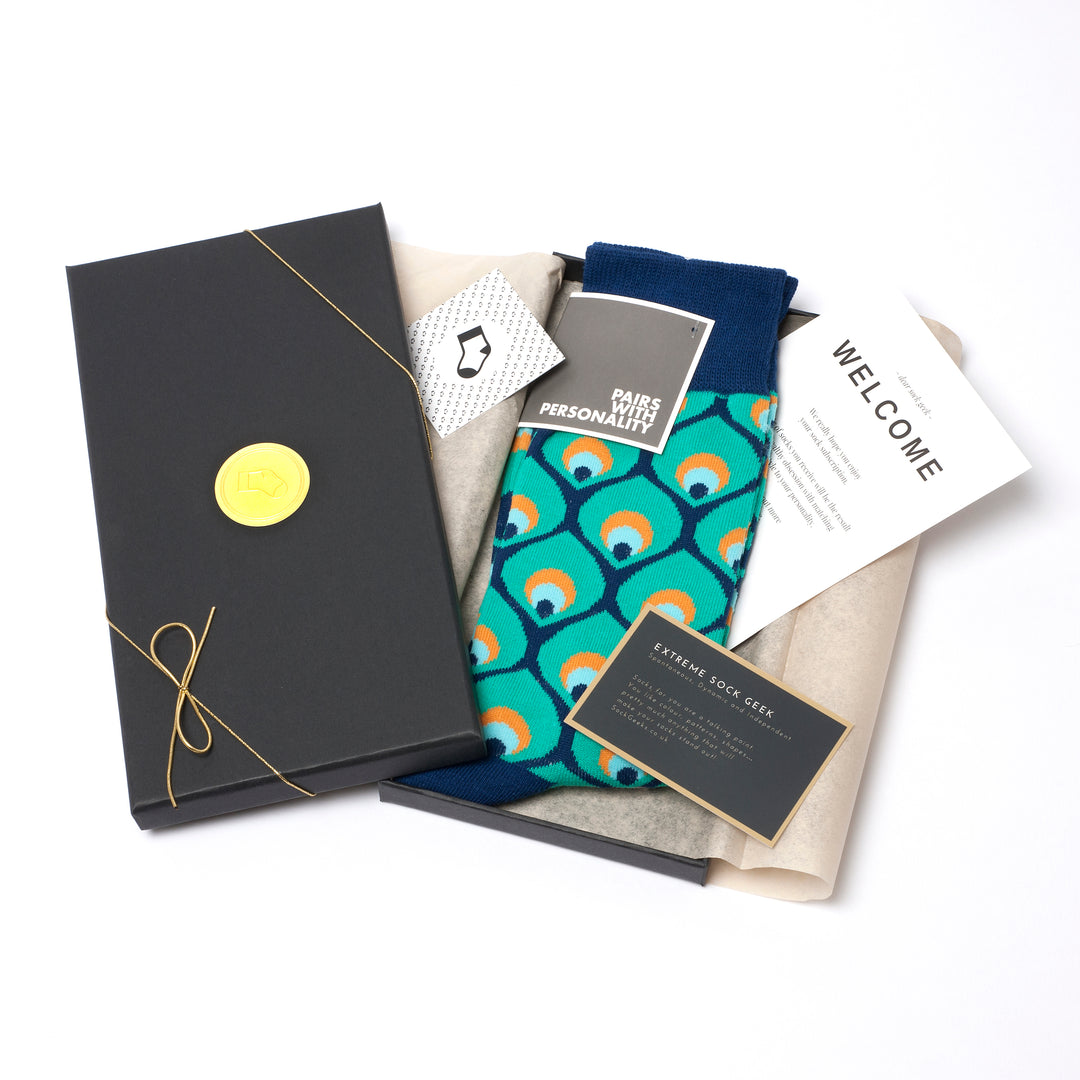
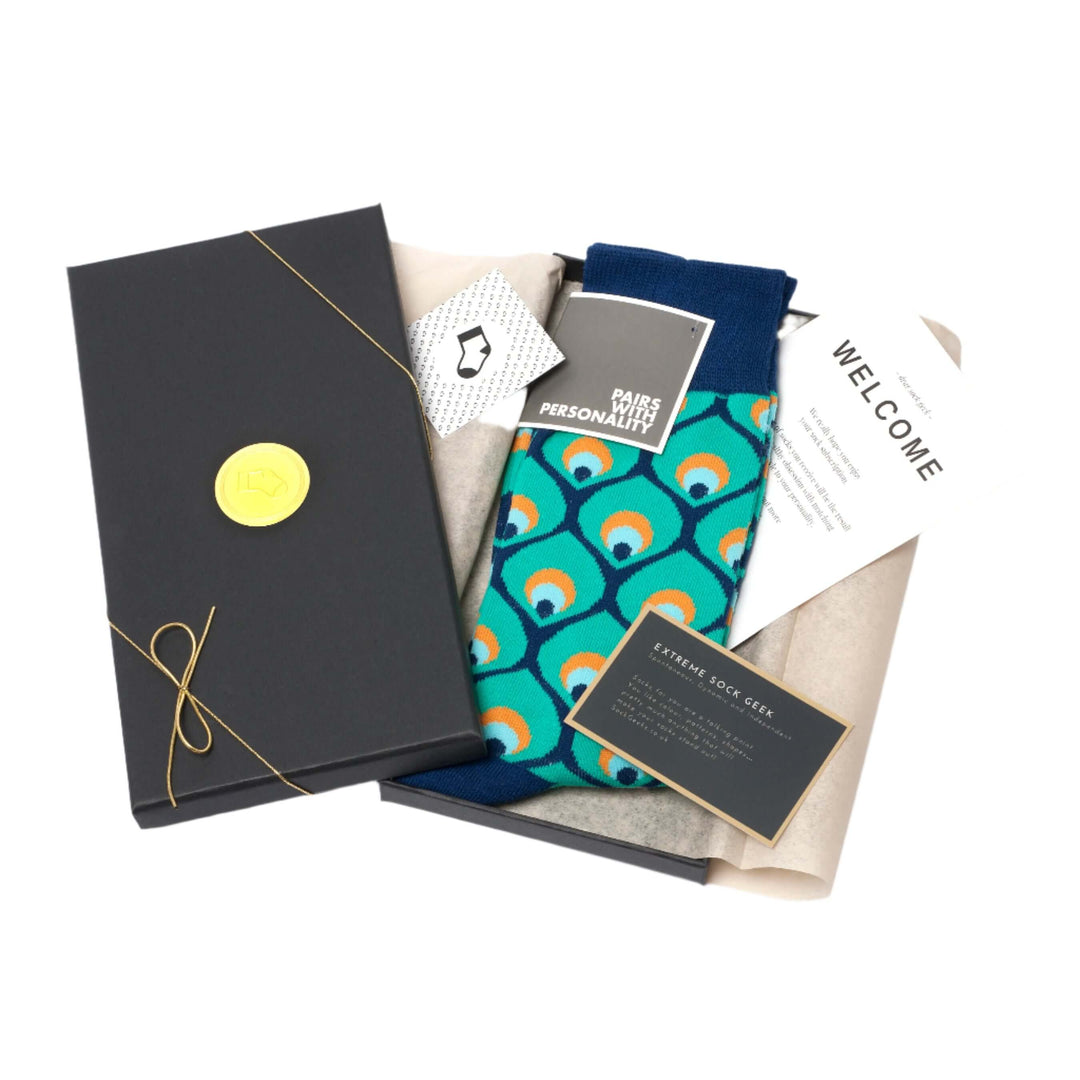
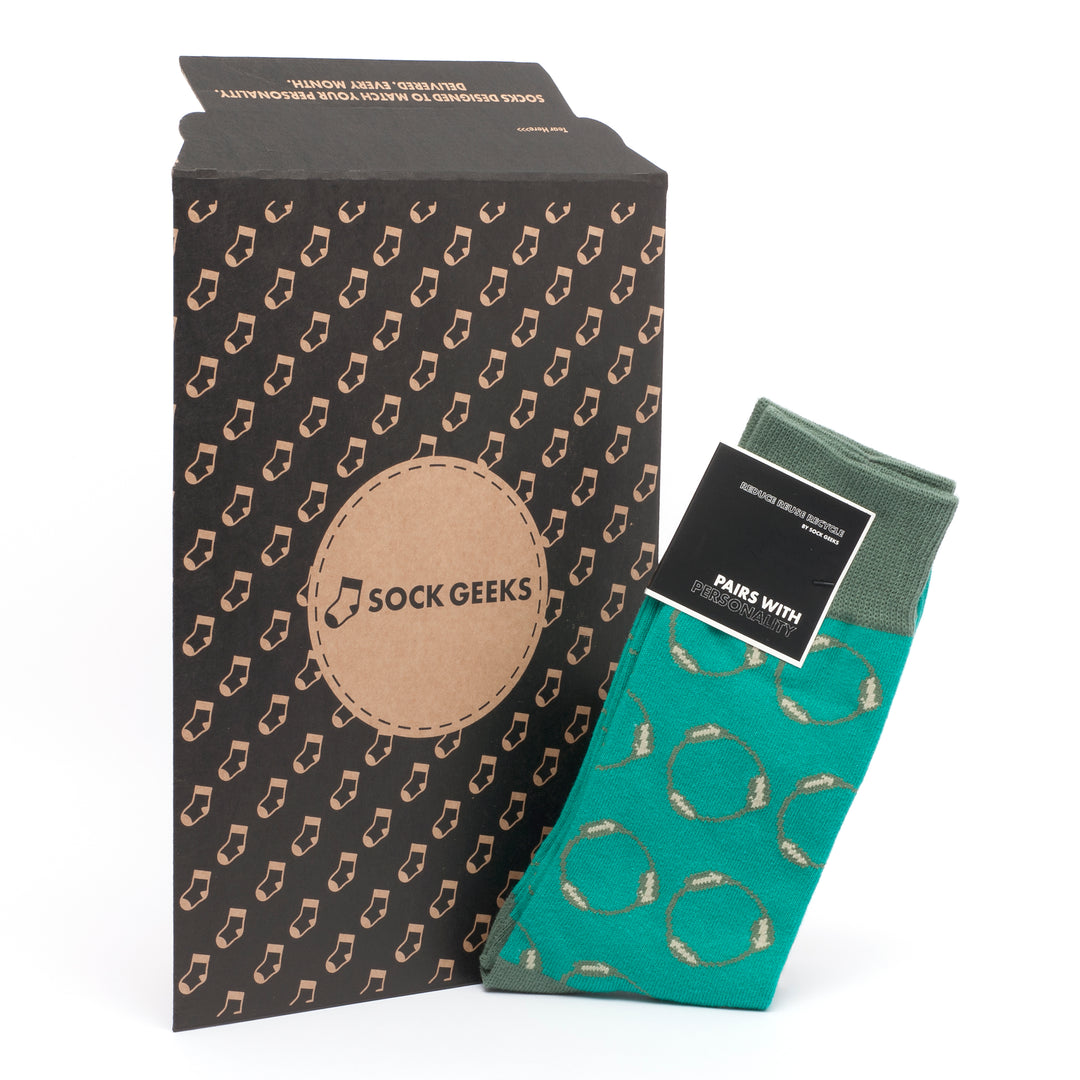
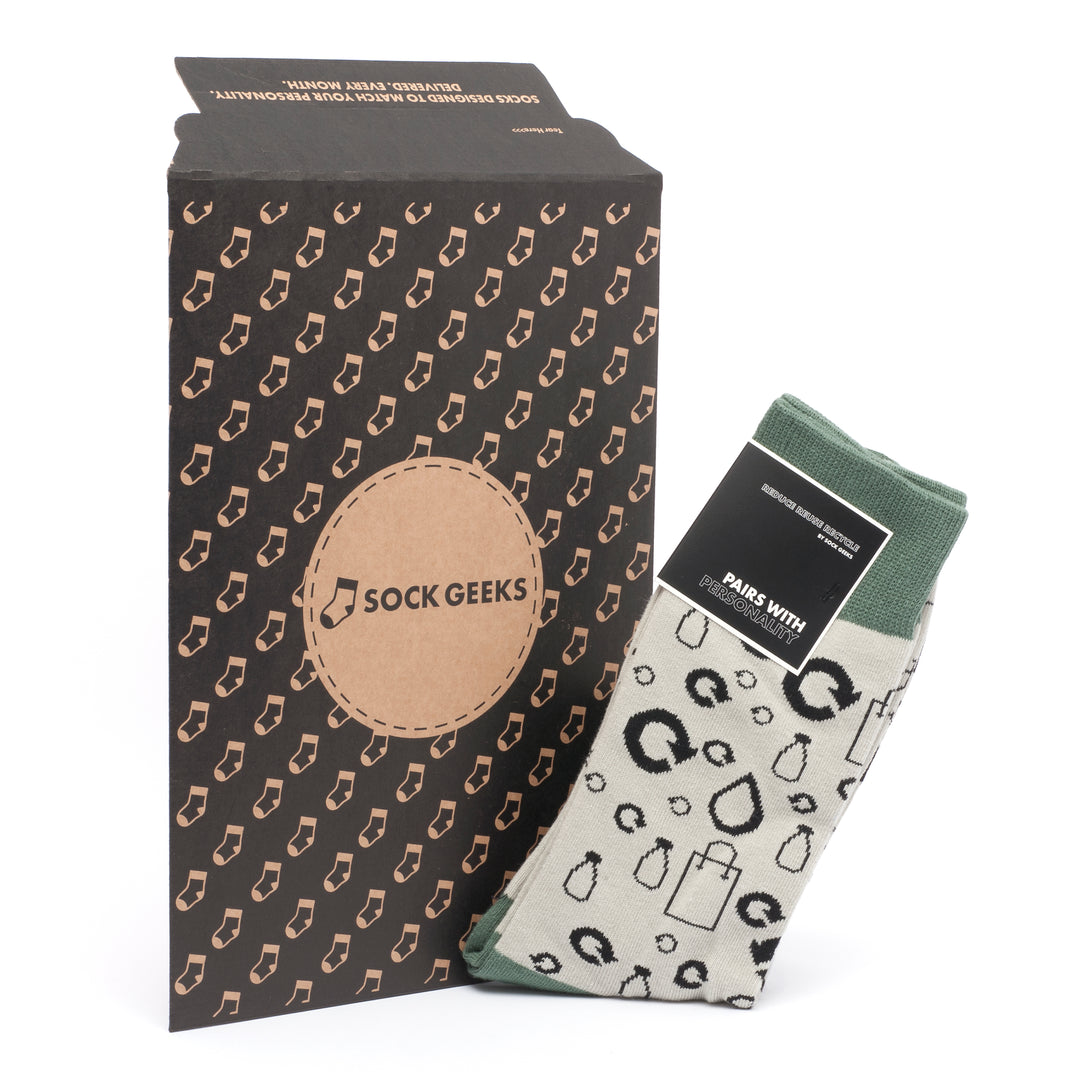
Sock Geeks offers a sock subscription service that delivers premium, personality-matched socks directly to your door. Each delivery is curated using a quiz that matches designs to your individual taste, so you receive socks that suit both your style and your professional environment. The materials meet the standards covered in this article: breathable blends, durable construction, and designs that work as well in a boardroom as they do on a commute. With a 4.72 customer rating and original designs not available in stores, Sock Geeks takes the effort out of keeping your sock wardrobe current, comfortable, and genuinely worth wearing.
FAQ
What are the best materials for work socks?
Merino wool blends and moisture-wicking nylon with recycled cotton are the strongest performers for office wear. These materials regulate temperature, manage moisture, and maintain comfort across long workdays.
How do compression socks help professionals?
Graduated compression at 15–20 mmHg improves circulation and reduces leg fatigue during extended periods of sitting or standing. This pressure level is the recognised standard for daily office use.
How often should I replace my work socks?
Replace work socks when the heel or toe fabric thins, elasticity is lost, or the sock no longer holds its shape after washing. Rotating between at least five pairs extends the lifespan of each one.
What colours work best for professional sock wardrobes?
Navy, grey, and black are the most versatile colours for formal and smart-casual office environments. Subtle stripes and small geometric patterns add personality without disrupting a polished overall look.
Where can I buy quality socks for work?
Sock Geeks is a strong option for professionals seeking premium, personality-matched socks with ethically sourced materials. A subscription service removes the need to restock manually and keeps your wardrobe consistently well-stocked.





Leave a comment