





The most useful way to understand sock design is through three dimensions: length, function, and material. Get those three right and every other choice - pattern, colour, cuff height - falls into place naturally. According to Typesofsocks, length is the single most important classification, because it determines visibility, warmth and which shoes a sock will actually work with.
Here is the full taxonomy at a glance:
- Length-based cuts: no-show, low-cut, ankle, quarter, crew/mid-calf, knee-high, over-the-knee/thigh-high
- Functional types: performance/athletic, compression, thermal, work/boot, non-slip/medical, liner, toe socks
- Style and dress categories: formal dress socks, novelty/patterned, luxury (cashmere, silk blends)
- Materials and construction: cotton, merino wool, bamboo, nylon/polyester, cashmere, elastane blends; knitted, jacquard, or printed patterns
- Care and longevity cues: wash temperature, drying method, when to replace
Key takeaways
Sock design styles are best understood through three decisions: length for visibility and shoe pairing, function for activity demands, and material for comfort and climate.
| Point | Details |
|---|---|
| Length comes first | Match sock height to shoe collar and occasion; over-the-calf for formal, ankle or crew for casual. |
| Function defines construction | Performance, compression and thermal socks use specific features (wicking, cushioning, grip) that a standard sock cannot replicate. |
| Material shapes comfort | Cotton suits everyday wear; merino handles cold and odour; synthetics add durability for sport. |
| Care extends lifespan | Wash at 30°C–40°C, air-dry where possible, and replace when fabric thins or elasticity fails. |
| Sock Geeks curates the choice | The personality quiz matches subscribers to designs, fit and materials suited to their actual lifestyle. |
Table of Contents
- What are the different sock lengths and when should you wear each?
- Functional sock types and what sets them apart
- Dress, fashion and novelty socks: when styling rules change
- Materials and construction: what the fibre choice actually changes
- How to choose the right sock for your shoe, activity and outfit
- Care, maintenance and when to replace your socks
- How Sock Geeks approaches sock design and selection
- Sock Geeks makes choosing the right sock genuinely easy
- Sources
- FAQ
What are the different sock lengths and when should you wear each?
Sock length shapes the entire look of an outfit, and it determines how much protection and warmth your ankle and lower leg actually receive. Crew, ankle and no-show styles are among the most commonly worn for everyday use because they balance coverage with comfort, but every length has a specific job.
No-show / liner socks sit below the shoe collar and are invisible when worn. They suit loafers, boat shoes, low-cut trainers and any occasion where the “sockless” look is the goal without the odour and friction that bare feet create. The trade-off: they offer almost no ankle protection and can slip on certain shoe shapes.
Low-cut socks sit just at or slightly above the ankle bone. They work well with casual trainers and canvas shoes, giving a little more heel coverage than no-show styles. Not ideal for boots, where they tend to bunch.
Ankle socks reach the ankle and are the workhorse of casual and athletic wardrobes. They pair with trainers, running shoes and everyday casual footwear. Comfortable and easy to launder, though they leave the lower leg exposed in cold weather.
Quarter socks rise a few centimetres above the ankle. Popular with hikers and trail runners because the extra height protects against shoe-collar rubbing without adding bulk. A practical upgrade on ankle socks for any activity involving rough terrain.
Crew / mid-calf socks end roughly halfway up the calf. This is the most versatile length: it works with boots, trainers, and casual trousers, and it is the standard for most patterned and statement sock styles. The visible cuff is exactly what makes bold designs worth wearing.
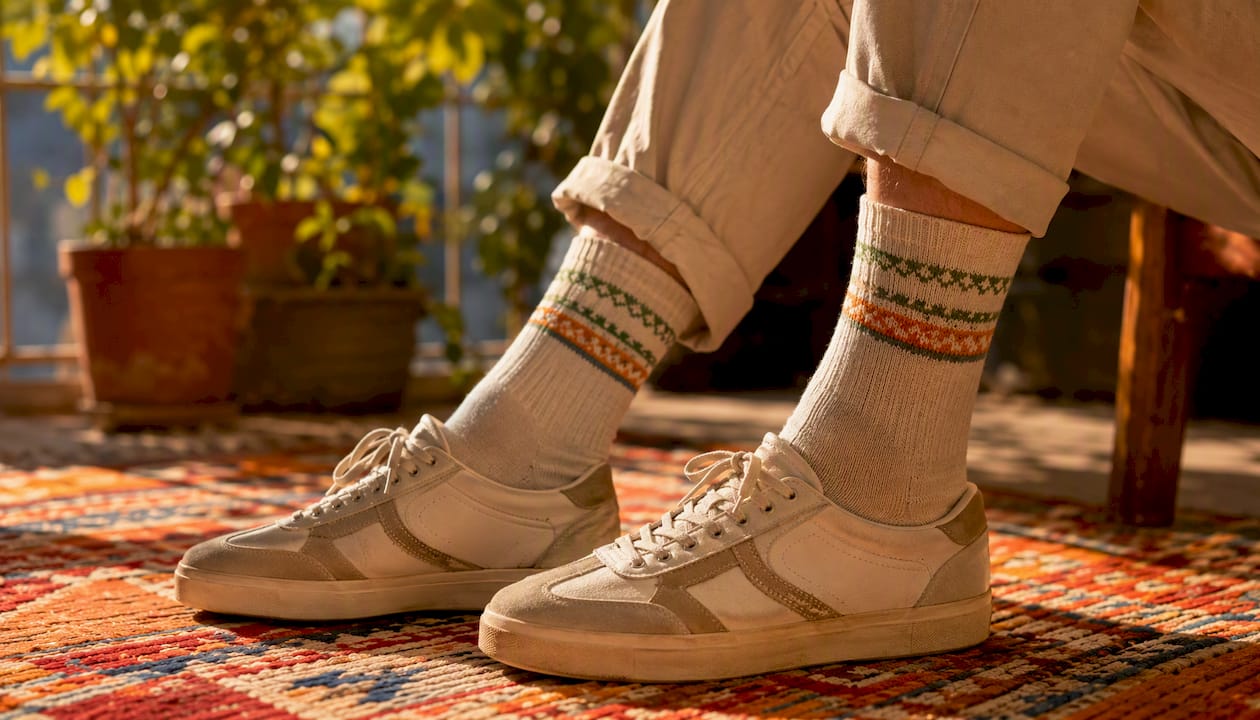
Knee-high / over-the-calf socks reach the knee or just below. They are the correct choice for formal trousers (no skin visible when seated), tall boots, and compression styles. They stay up better than shorter socks in boots and provide real warmth in winter.
Over-the-knee / thigh-high socks extend above the knee. Primarily a fashion and cold-weather item, they pair with skirts, shorts and dresses. Staying power depends heavily on the elastane content and the fit of the cuff.
Functional sock types and what sets them apart
Function-led socks are engineered rather than simply knitted. The construction features - cushioning zones, compression gradients, grip pads - are what separate them from a standard everyday sock, and choosing the wrong type for an activity is a common source of blisters, fatigue and discomfort.
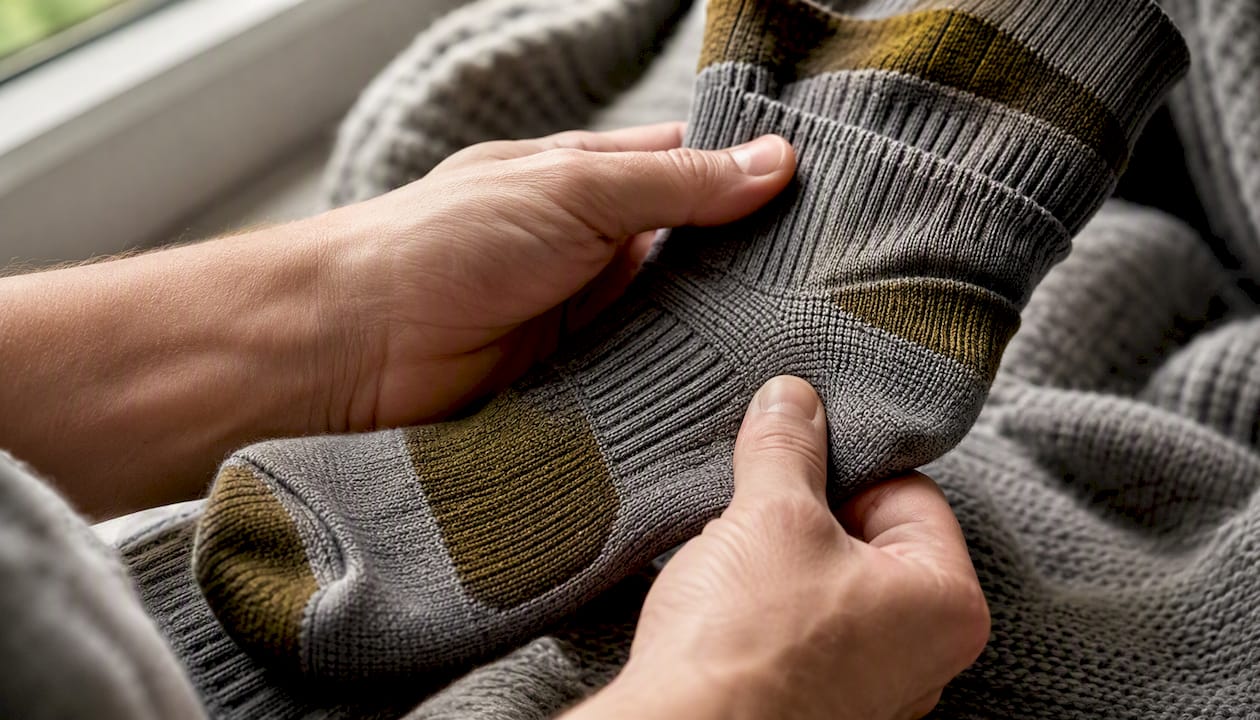
Performance/athletic socks are built around moisture-wicking fabrics, strategic cushioning and reinforced heel and toe zones. They are designed to reduce friction during repetitive movement, which is why a dedicated running sock genuinely reduces blister risk compared with a standard cotton crew. For runners specifically, the evidence on running-specific socks points to meaningful benefits for blister prevention and comfort over longer distances.
The main functional categories:
- Compression socks: graduated pressure (tightest at the ankle, easing toward the knee) supports circulation. Used for long-haul travel, post-exercise recovery and medical conditions affecting blood flow.
- Thermal / insulating socks: thick pile or brushed inner, often merino or wool-blend. Built for cold-weather hiking, skiing and winter boots. Warmth comes at the cost of breathability in mild conditions.
- Work / boot socks: reinforced throughout, with extra cushioning at the heel and ball of the foot. Designed to withstand the friction of heavy boots worn for long shifts.
- Non-slip / medical socks: rubber tread or grip dots on the sole. Commonly issued in hospitals and care settings to reduce slips, though the evidence for fall prevention is not conclusive. Sock Geeks has a detailed breakdown of slip-resistant sock design for anyone needing more on this category.
- Liner socks: ultra-thin, worn inside a thicker sock or hiking boot to reduce friction at the skin surface. Particularly useful for preventing blisters on long walks.
- Toe socks: individual toe pockets eliminate toe-on-toe friction. Polarising in feel, but genuinely effective for runners and hikers prone to blisters between the toes.
- Slipper socks: thick, soft, with grip soles. Designed for indoor warmth rather than footwear use.
Cotton holds moisture against the skin; synthetics and merino move it away. Pair that with a seamless toe construction and most friction-related blisters become avoidable. See the full moisture-wicking guide for a deeper breakdown.*
Dress, fashion and novelty socks: when styling rules change
Dress socks operate by a different logic to athletic or casual styles. The goal is a clean, unobtrusive line under tailoring - which means thinner fabric, a higher cut and a colour that complements rather than competes with the trouser.
Formal socks should be thin, sit high enough to prevent skin showing when seated, and use finer gauge yarns, sometimes with silk or cashmere blends, for a smooth profile. The classic rule is to match the sock to the trouser rather than the shoe: navy trousers, navy or dark grey sock. It keeps the leg line unbroken when you sit down. Patterned dress socks - subtle ribs, small dots, fine stripes - are acceptable in most business settings as long as the colour palette stays muted.
Novelty and statement socks work by the opposite principle. Bold patterns, cartoon motifs, and clashing colours are the point. They are now a deliberate styling choice rather than a fashion faux pas, with visible crew socks treated as an accessory in their own right. The practical rule: if the rest of the outfit is relatively restrained, a bold sock adds personality without overwhelming the look. Check current patterned sock trends for specific pattern and colour ideas.
Quick dos and don’ts:
- Do match sock height to trouser length for formal wear (over-the-calf for suits, always).
- Do use statement socks as a deliberate accent, not an afterthought.
- Don’t wear thick athletic socks with slim-cut trousers or dress shoes.
- Don’t let socks slide down during the day - poor elastane content ruins any look.
- Do consider colour coordination when mixing patterned socks with patterned trousers.
Luxury socks - cashmere, fine merino, silk blends - occupy a middle ground. They are not necessarily bold in pattern, but the fibre quality is immediately noticeable in softness and drape. They suit formal occasions and make genuinely appreciated gifts precisely because most people would not buy them for themselves.
Materials and construction: what the fibre choice actually changes
The fibre a sock is made from determines its warmth, breathability, durability and how it feels against the skin after several hours of wear. Construction method - how the pattern is applied - affects both durability and appearance.
| Fibre | Key strength | Main trade-off | Best use |
|---|---|---|---|
| Cotton | Breathable, soft, familiar | Holds moisture when wet | Everyday casual, warm weather |
| Merino wool | Insulating, odour-resistant, temperature-regulating | Higher cost, requires careful washing | Hiking, travel, cold weather |
| Bamboo | Soft, naturally antibacterial, eco-friendly | Less durable than synthetics | Sensitive skin, everyday comfort |
| Nylon / polyester | Durable, quick-drying, moisture-wicking | Less breathable than natural fibres | Athletic, performance, blended socks |
| Cashmere | Exceptionally soft, warm, luxurious | Delicate, expensive | Formal, gifting, winter comfort |
| Elastane (Lycra) | Stretch and shape retention | Used in blends only | All categories for fit and recovery |
Material trade-offs are predictable: cotton is breathable and familiar for everyday wear; merino wool provides insulation and odour resistance; synthetics add durability and quick drying. Blends combine properties - a cotton/elastane mix gives everyday softness with enough stretch to hold its shape through repeated washing.
Pattern construction is a separate consideration. Patterns are made by knitting (including jacquard), printing or embroidery, and each method has real trade-offs. Knitted patterns are integral to the fabric structure and the most durable. Jacquard knitting allows complex, multi-colour motifs without sacrificing that structural integrity. Printed patterns offer maximum visual freedom but sit on the surface of the fabric, which means they can crack or fade with heavy washing. Embroidery works well for small accent details but adds stiffness if overused.
For gift and retail lines, jacquard construction is generally the better investment because the design survives washing without degrading. Printed socks can look striking when new but show wear faster.
Reinforced heel and toe zones, seamless toe construction and cushioning placement are construction details worth checking. A mid-weight cotton blend with reinforced heel and toe zones is a reliable everyday choice for durability and comfort.
How to choose the right sock for your shoe, activity and outfit
Run through these five steps in order and the right sock becomes obvious:
- Define the shoe. The shoe collar height determines the maximum sock length. A low-cut trainer limits you to no-show or ankle. A tall boot needs at least a mid-calf sock to prevent bunching. Loafers and boat shoes call for no-show or a thin liner.
- Define the activity. Running, hiking and sport demand performance construction (moisture-wicking, cushioned, reinforced). Office wear calls for a thin dress sock. Cold-weather walking needs thermal insulation. Casual everyday wear gives you the most flexibility.
- Check thickness and fit. A sock that is too thick for a close-fitting shoe will create pressure points. A sock that is too thin for a heavy boot will bunch and cause blisters. The sock should feel snug at the heel without pulling.
- Check cuff height. For formal trousers, over-the-calf is the correct choice - no skin should show when seated. For casual outfits, crew or ankle works. For a deliberate style statement, a visible crew sock in a bold pattern is intentional, not accidental.
- Check material and care instructions. If you cannot machine-wash it on a standard cycle, factor that into the decision. Merino and cashmere need gentler treatment. Synthetics and cotton blends are the most laundry-friendly. For a quality check before buying, look at the reinforcement at the heel and toe, the gauge of the yarn and the elastane content at the cuff.
Shoe-pairing quick reference:
- Loafers and boat shoes: no-show or thin trouser sock
- Low-cut trainers: ankle or no-show
- Running shoes: performance ankle or quarter sock
- Chelsea or ankle boots: crew or mid-calf
- Tall boots: mid-calf or knee-high
- Formal shoes with suits: over-the-calf dress sock
Red flags to avoid: seams across the toe for anyone with sensitive feet or diabetes; socks that slide down within an hour (insufficient elastane); cotton-only socks for any high-intensity sport.
Care, maintenance and when to replace your socks
Socks wear out faster than most people realise, and poor laundering accelerates that process considerably.
Washing: turn socks inside out before washing to protect the outer surface. Wash at 30°C–40°C for most cotton and synthetic blends; merino and cashmere need a wool or delicate cycle at 30°C or cooler. Avoid fabric softener on technical or performance socks - it coats the moisture-wicking fibres and reduces their effectiveness. Wash socks in a mesh laundry bag to prevent them separating and to reduce friction against other garments.
Drying: air-dry where possible. Tumble drying on high heat degrades elastane quickly, which is why socks lose their shape and start sliding down after a year of machine drying. Merino and cashmere should always be dried flat to prevent stretching.
Storage and rotation: rotating between several pairs rather than wearing the same two pairs repeatedly extends the life of each pair significantly. Folding socks rather than rolling them preserves the cuff elastic.
When to replace: the signs are straightforward. Thinning fabric at the heel or ball of the foot means the reinforcement has worn through. Visible holes are obvious. Loss of elasticity at the cuff (socks that fall down during the day) means the elastic has gone. Persistent odour that survives washing suggests the fibres have broken down enough to harbour bacteria. At that point, no amount of care will restore the sock - replace it.
How Sock Geeks approaches sock design and selection
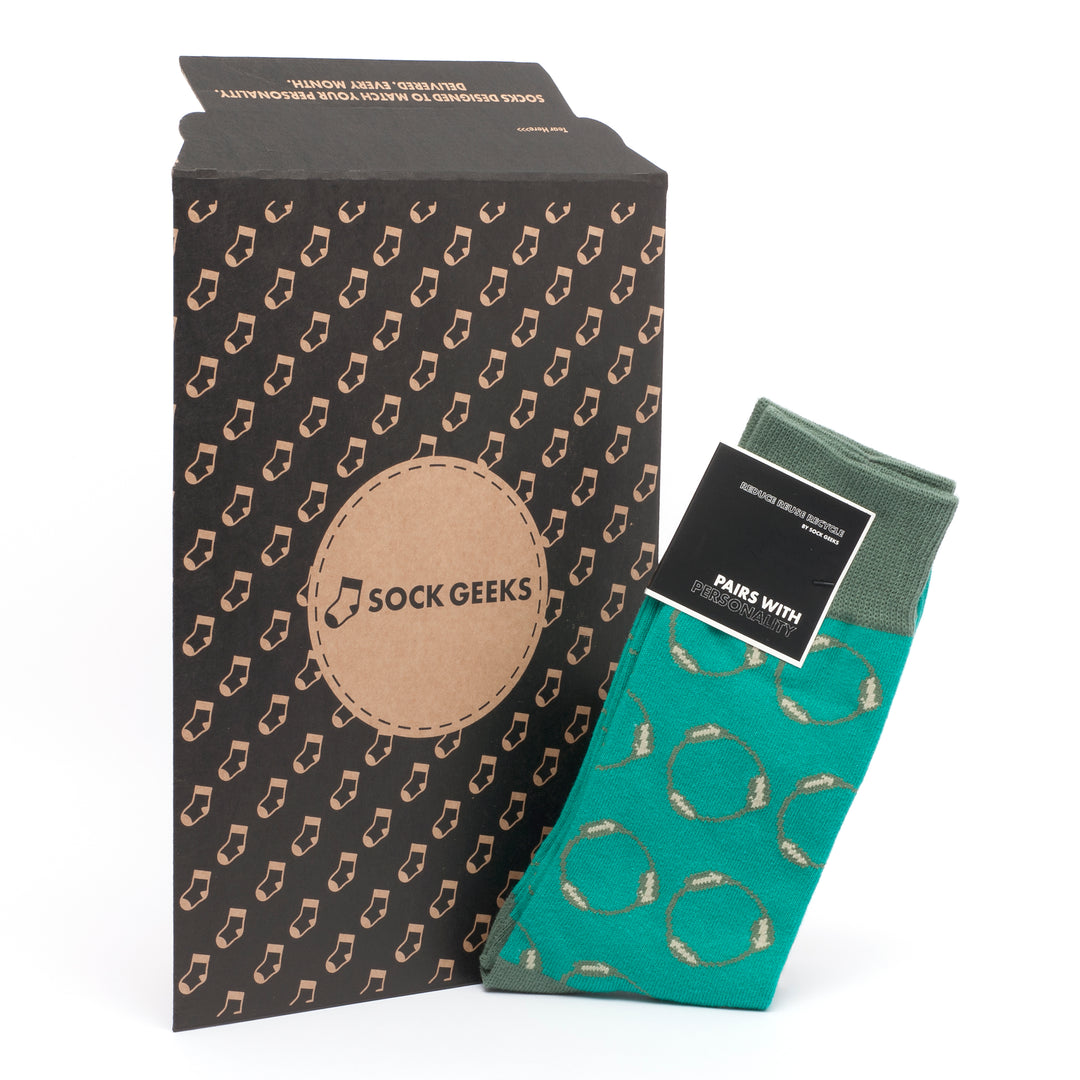
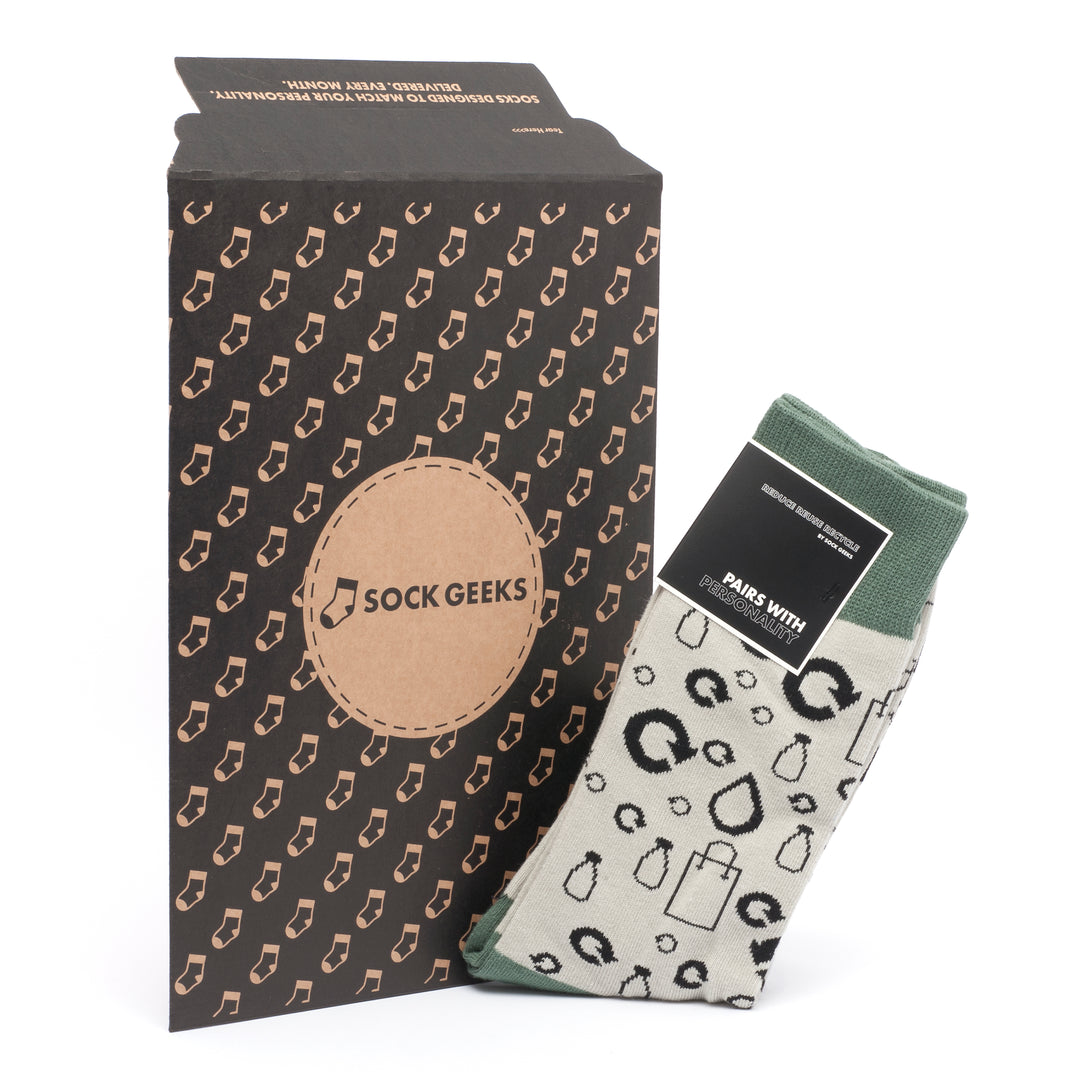
Sock Geeks builds its range around three priorities: ethically sourced materials, considered fit, and designs that are genuinely worth wearing rather than just filling a drawer. Every subscription box is curated through a personality quiz that matches design style, preferred fit and material preferences to the individual subscriber - which is a meaningfully different approach to buying a multipack off a shelf.
The construction choices reflect that: reinforced heel and toe zones, elastane blends for cuff recovery, and jacquard knitting for patterns that hold their detail through repeated washing. For formal and gifting occasions, the cashmere range uses fibres that are soft enough to feel noticeably different from a standard wool blend.
Pro Tip: If you are building a sock wardrobe from scratch, start with three categories: a performance sock for sport, a mid-weight cotton or merino crew for everyday wear, and one pair of over-the-calf dress socks. Everything else is a bonus.
A quick note on building a capsule sock wardrobe
You do not need twenty pairs of socks to cover every situation. Five to seven pairs across three categories handles most of daily life without cluttering a drawer. My own rotation keeps it simple: two or three performance socks for running and gym, two everyday crew socks in colours that work with most of my casual wardrobe, and one reliable over-the-calf pair for anything formal. The rest is personality - a bold pattern here, a seasonal colour there. The practical foundation makes the playful choices feel deliberate rather than random.
Sock Geeks makes choosing the right sock genuinely easy
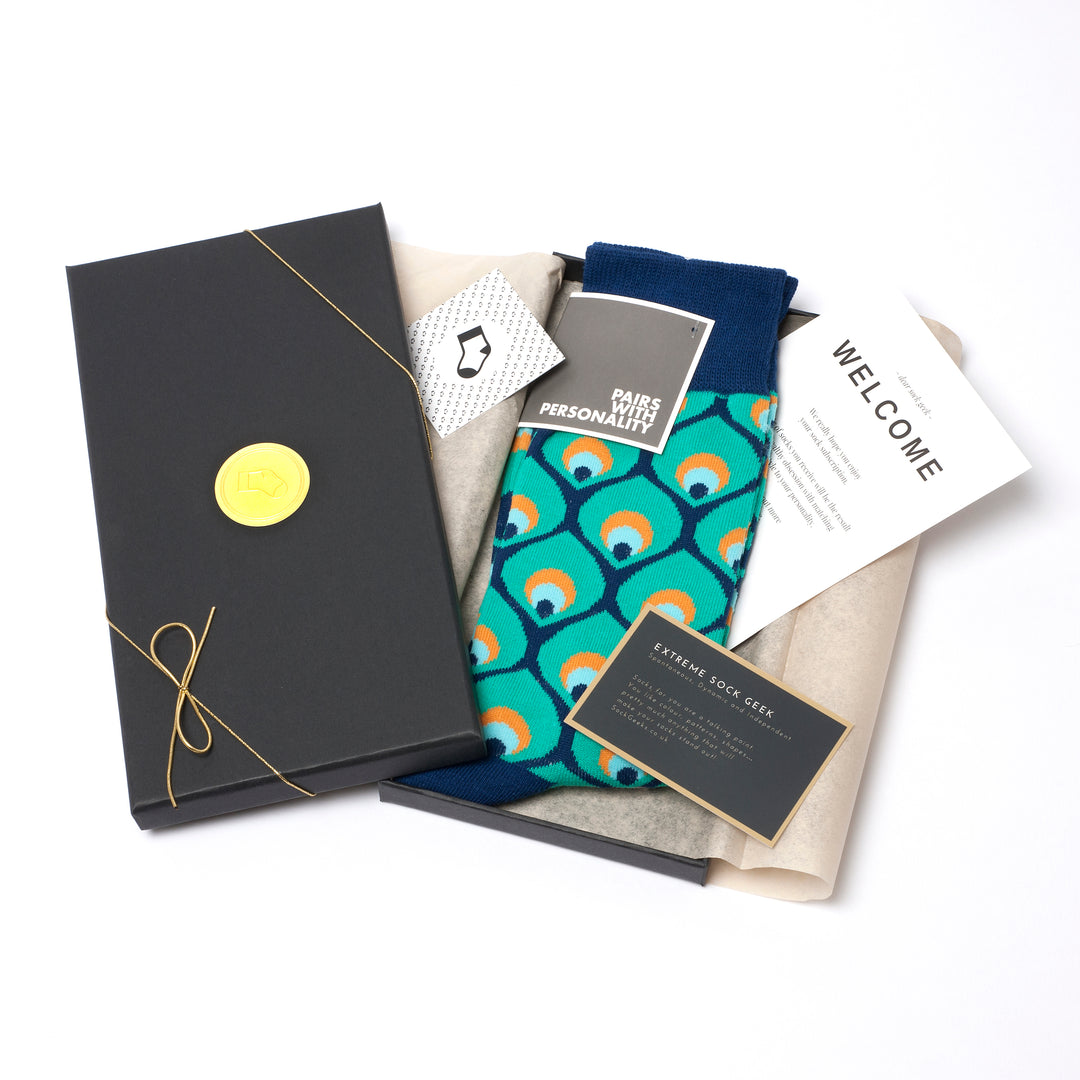
Knowing the theory is one thing; having socks that actually match your life is another. Sock Geeks solves the decision by doing the curation for you. The subscription service starts with a personality quiz that matches your style preferences, fit needs and material priorities to a monthly selection of designs you would not find on the high street.
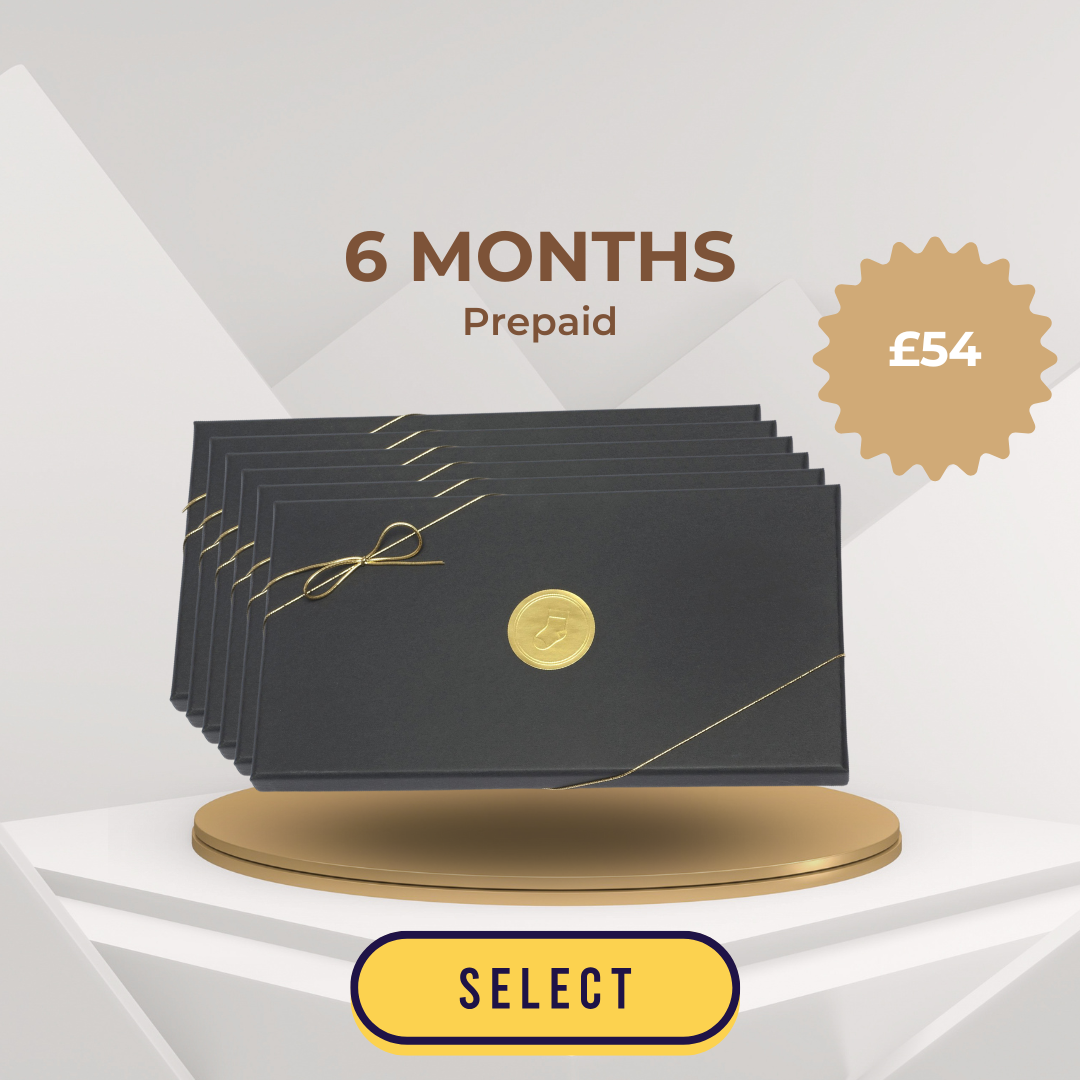
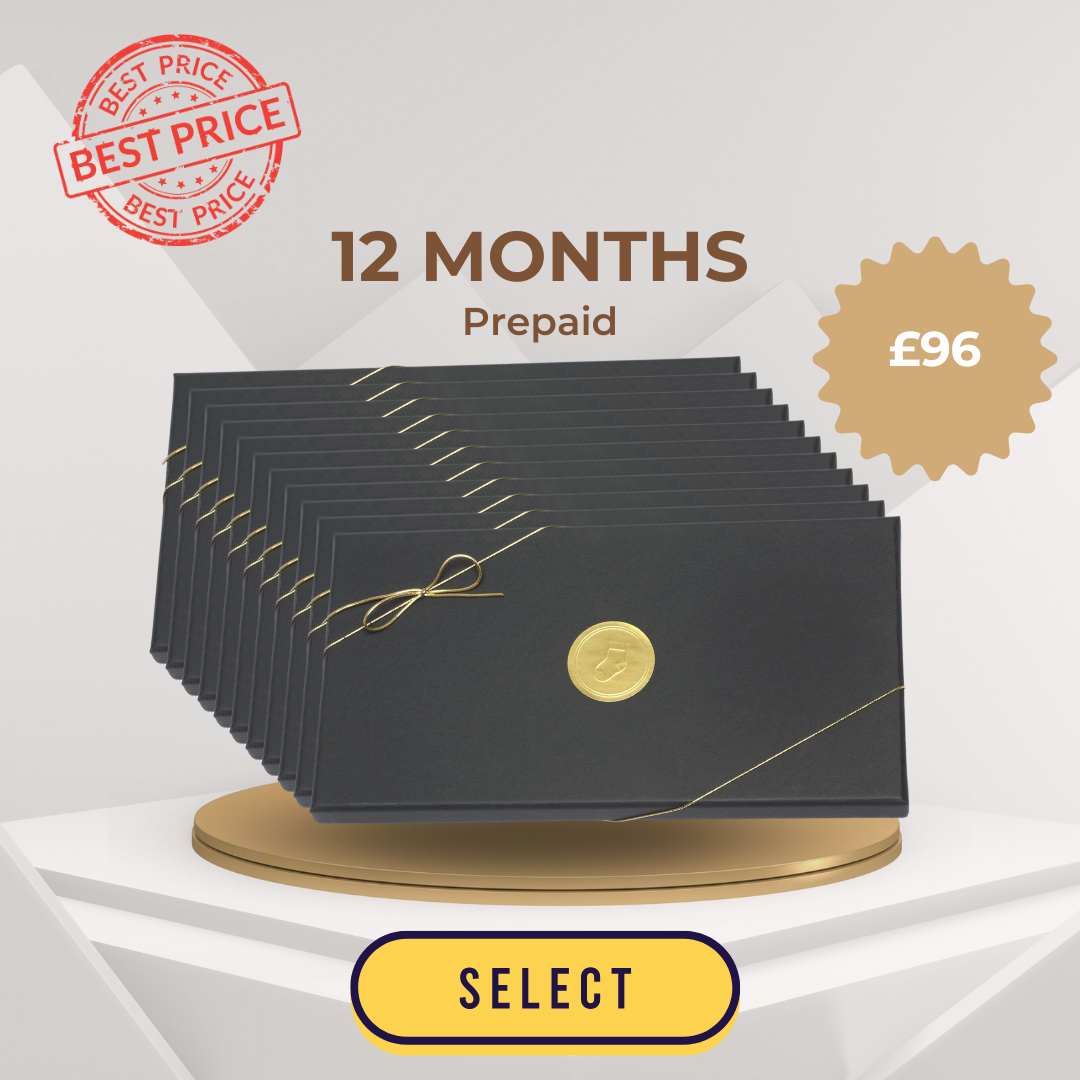
For gifting, the curated gift boxes cover everything from birthdays and Father’s Day to corporate occasions, each filled with premium designs chosen for the recipient rather than generic filler. Every pair uses ethically sourced materials, with jacquard construction for patterns that last.
- Quality materials: merino, cashmere, and performance blends
- Personalised picks via the quiz, not guesswork
- Gift boxes for every occasion, ready to send
Sock Geeks holds a 4.72 customer rating built on consistent quality and attention to detail. Start your subscription or browse the gift box range today.
Sources
- Sock — Wikipedia
- How to buy socks that last: a definitive guide
- 40 Types of Socks Explained: Find Your Perfect Pair Today
- How Are Sock Patterns Made? A Simple Guide from Design to Production - Uwill Socks
- 23 Types of Socks: Every Style & Length Explained
FAQ
What are the main styles of socks?
Socks are organised primarily by length (no-show, ankle, crew, knee-high, thigh-high), then by function (performance, compression, thermal, non-slip) and material (cotton, merino, cashmere, synthetics). Crew, ankle and no-show are the most commonly worn styles for everyday and athletic use.
What is the no-socks rule?
The no-socks rule refers to wearing shoes without visible socks, typically with loafers, boat shoes or low-cut trainers for a cleaner, more casual silhouette. In practice, most people wear no-show liner socks to avoid odour and friction while maintaining the bare-ankle look.
What sock styles are trending right now?
Bold, visible crew socks worn with trainers and cropped trousers are a consistent trend, with statement patterns and bright colours used as deliberate accessories rather than afterthoughts. Sock Geeks tracks current design and colour trends and incorporates them into its subscription selections.
What are personalised socks and how do they differ?
Personalised socks are either custom-designed with a specific image or text, or curated to match an individual’s style preferences through a selection process. Sock Geeks uses a personality quiz to personalise each subscriber’s monthly box, matching design style, fit and material to the individual rather than sending a generic selection.
How often should you replace your socks?
Replace socks when the fabric thins at the heel or ball of the foot, when holes appear, when the cuff elastic no longer holds the sock up, or when persistent odour survives a normal wash cycle. With proper care (cool washing, air-drying, regular rotation), a quality pair should last considerably longer than one washed on high heat and tumble-dried repeatedly.



Leave a comment