



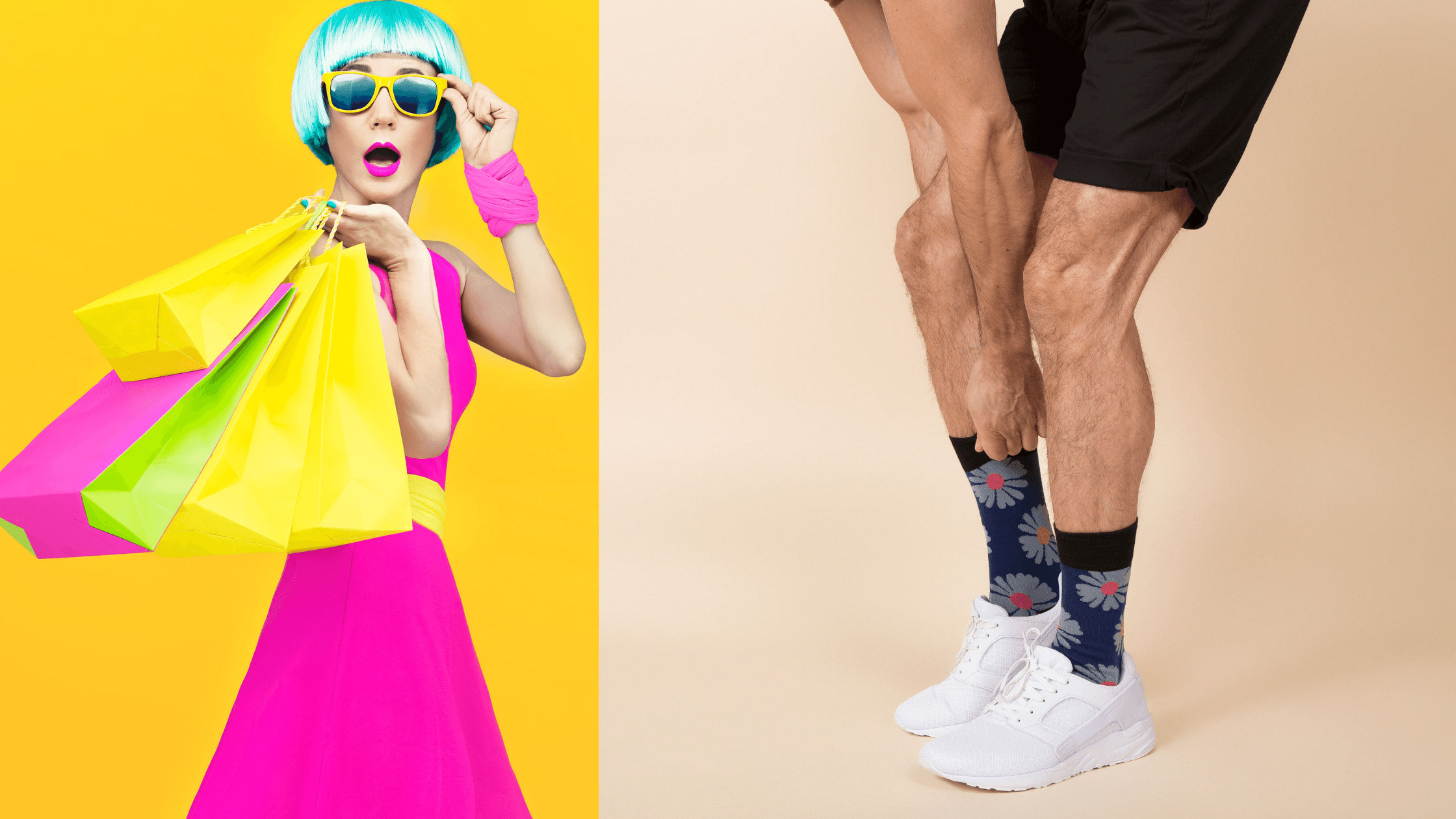


Why Choosing the Right Socks Matters
Socks are often underestimated, yet they play a crucial role in comfort, foot health, performance, and personal style. The wrong socks can cause blisters, sweating, cold feet, or even posture-related discomfort, while the right pair supports your lifestyle whether that’s long office hours, intense workouts, or relaxed weekends at home.
From materials and fit to cushioning and purpose, choosing the right socks is an investment in everyday wellbeing.
Types of Socks and When to Wear Them
1. Dress Socks for Professional Settings
Dress socks are typically made from finer materials like merino wool or cotton blends. They're thinner, more formal, and pair perfectly with business attire. Look for socks that match your trousers for a polished, professional appearance.
Dress socks are designed to complement formal and business attire. Typically made from fine cotton, bamboo, or merino wool, they are lightweight, breathable, and elegant.
Best for:
-
Office environments
-
Business meetings
-
Formal occasions (weddings, events)
Style tip:
Match your socks to your trousers rather than your shoes for a clean, elongated silhouette.

2. Athletic Socks for Active Lifestyles
Performance socks feature moisture-wicking technology and extra cushioning in high-impact areas. They help prevent blisters and keep your feet dry during intense workouts or long runs.
Best for:
-
Running and gym workouts
-
Hiking and cycling
-
High-impact sports
Key benefit:
They help prevent blisters, regulate temperature, and improve overall performance.

3. Casual Socks for Everyday Comfort
Casual socks offer versatility and comfort for daily wear. From crew length to ankle socks, these are perfect for weekend activities and relaxed environments.
Best for:
-
Daily wear
-
Travel
-
Relaxed social settings
This is where colour, pattern, and self-expression really shine.

Key Features to Consider When Choosing Socks
✔ Material Matters
-
Cotton: Soft, breathable, everyday comfort
-
Merino wool: Temperature-regulating, odour-resistant
-
Bamboo: Antibacterial, moisture-wicking, eco-friendly
-
Synthetic blends: Durable and performance-focused
✔ Proper Fit
Socks should:
-
Stay up without digging into your calves
-
Not bunch at the toes
-
Maintain shape after washing
Poor fit can lead to discomfort and restricted circulation.
✔ Cushioning & Support
Choose cushioning based on activity:
-
Heel & toe cushioning: Running and walking
-
Full foot cushioning: Standing all day
-
Light cushioning: Dress and formal wear
Caring for Your Socks
To extend the life of your socks, wash them inside out in cold water and air dry when possible. This helps maintain elasticity and prevents shrinkage.
To extend the life of your socks:
-
Wash inside out
-
Use cold water
-
Avoid tumble drying when possible
-
Skip fabric softener (it reduces elasticity)
Why Sock Choice Impacts Foot Health
Wearing the wrong socks can contribute to:
-
Excessive sweating
-
Fungal infections
-
Blisters and calluses
-
Cold feet and poor circulation
-
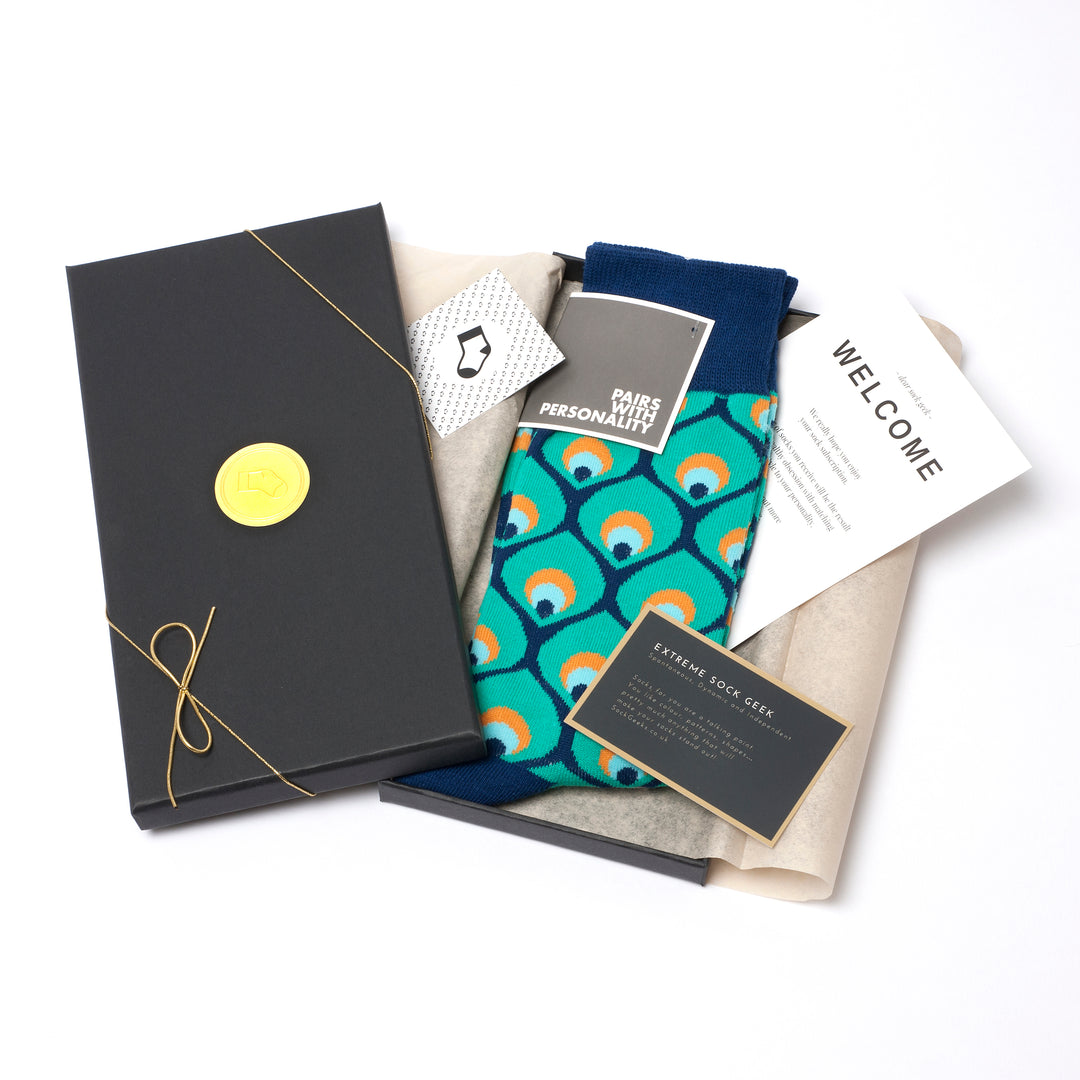
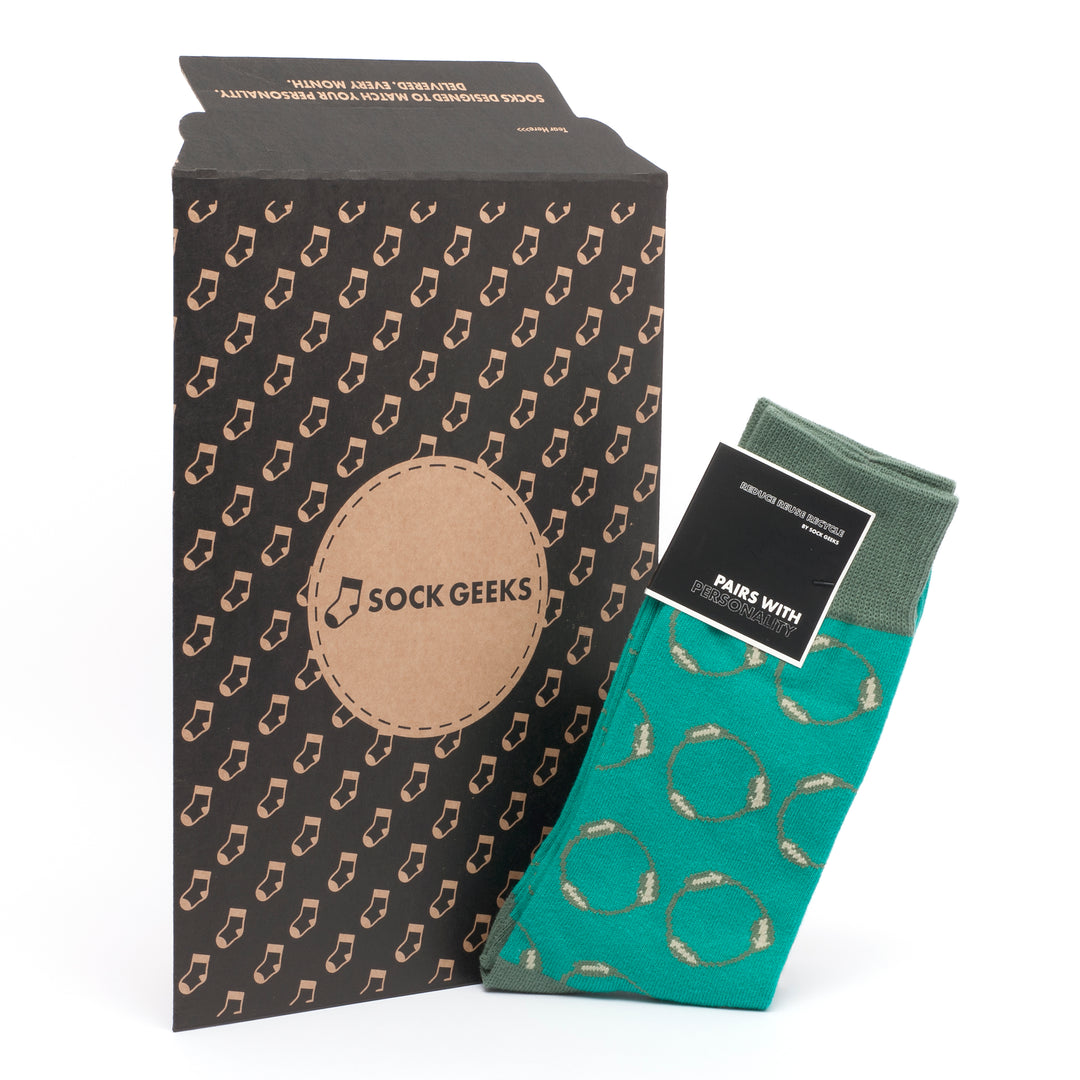
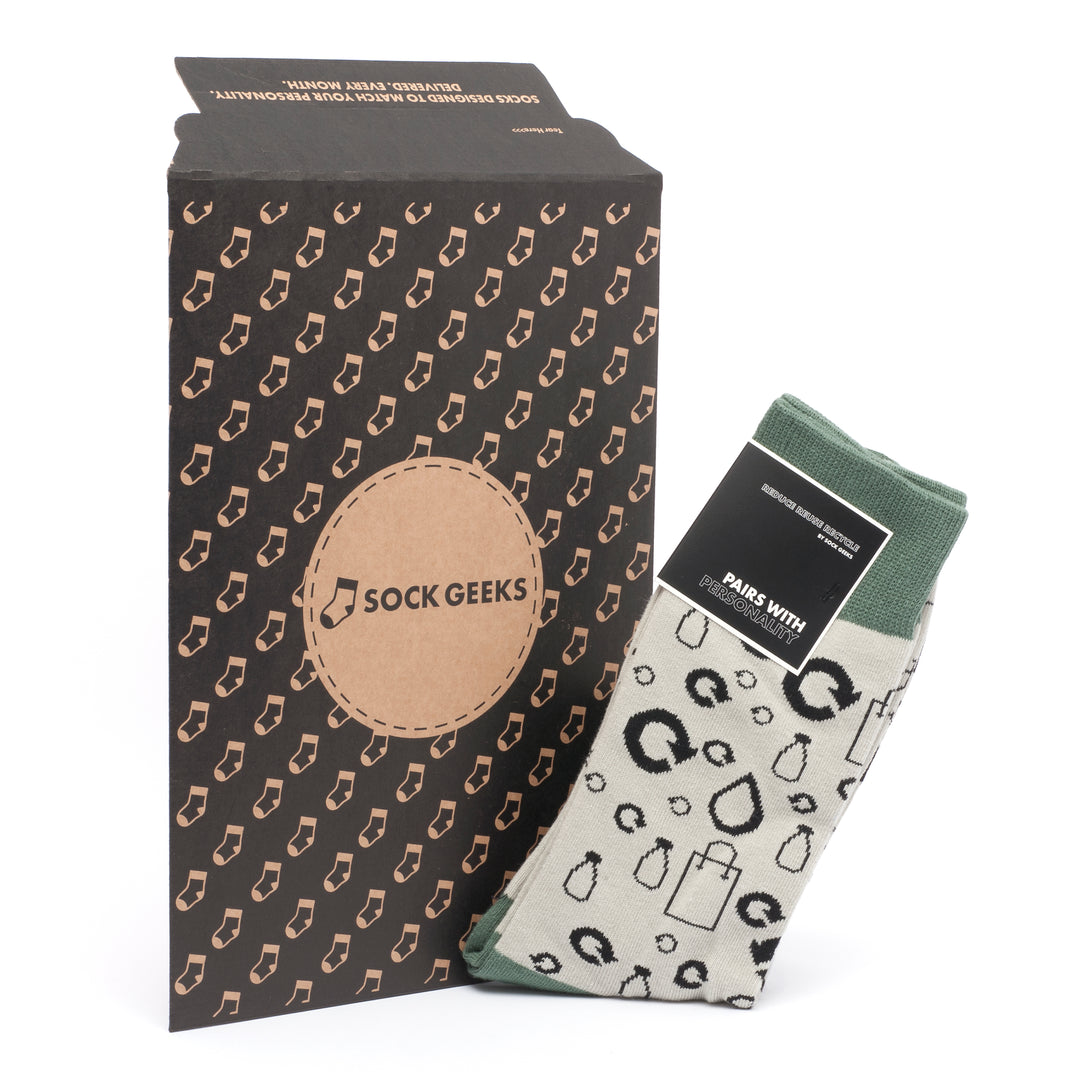
Sock Geeks designs socks that combine comfort, personality, and purpose. From breathable everyday socks to bold, conversation-starting designs, each pair is crafted with high-quality yarns and a deep understanding of foot comfort.
Sock Geeks focuses on:
-
Thoughtful material selection
-
Ethical production
-
Socks designed for real life not just fashion
Explore collections:
-
Everyday socks: https://www.sockgeeks.co.uk/collections/mens-socks
-
10 Most Asked Questions About Socks
-
1. How often should I replace my socks?
Every 6–12 months, depending on wear, elasticity, and thinning.
2. Are cotton socks good for sweaty feet?
Pure cotton absorbs moisture but doesn’t wick it away. Bamboo or merino wool are better options.
3. Do expensive socks really make a difference?
Yes, higher-quality socks last longer, fit better, and improve comfort.
4. What socks are best for standing all day?
Look for cushioned soles and arch support, preferably merino or bamboo blends.
5. Are wool socks only for winter?
No. Merino wool regulates temperature and works year-round.
6. Can socks affect circulation?
Tight elastic can restrict blood flow. Choose socks with gentle cuffs.
7. What socks prevent blisters?
Moisture-wicking socks with seamless toes reduce friction.
8. Should socks match shoes or trousers?
Traditionally, socks should match trousers, not shoes.
9. Are bamboo socks good for sensitive skin?
Yes bamboo is naturally soft and antibacterial.
10. How many pairs of socks should I own?
Ideally 14–20 pairs to rotate comfortably without over-washing.
Conclusion: Small Choice, Big Comfort
Choosing the right socks isn’t a minor decision it directly affects comfort, health, confidence, and style. By selecting socks designed for your lifestyle and made from quality materials, you’ll feel the difference from the first step to the last.
Whether you’re dressing for work, training hard, or relaxing at home, the right socks truly matter.





Leave a comment