






7 Types of Socks That Help with Neuropathy in the Feet (Complete Guide for Comfort & Circulation)


Living with neuropathy in the feet can transform simple daily routines into uncomfortable challenges. From persistent tingling to burning sensations and numbness, foot sensitivity requires more than standard footwear solutions. One of the most overlooked yet powerful tools for relief is something incredibly simple: the right pair of socks.
Not all socks are created equal. In fact, choosing the correct neuropathy socks, diabetic socks, or compression socks can significantly improve comfort, reduce pain, and protect long-term foot health.
This comprehensive guide explores the 7 most effective types of socks for neuropathy, how they work, and how Sock Geeks brings together comfort, innovation, and personality to support healthier feet.
Understanding Neuropathy and Why Socks Matter
Neuropathy, often linked to conditions like diabetes, affects the peripheral nerves—especially in the feet. This can lead to:
- Reduced sensation (you may not feel injuries)
- Increased sensitivity (pain from minor pressure)
- Poor circulation
- Higher risk of infections and ulcers
According to NHS guidance on peripheral neuropathy, proper foot care is essential to avoid complications.
Why socks play a critical role
The right socks act as a protective interface between your feet and the outside world by:
- Minimising friction
- Distributing pressure evenly
- Supporting blood flow
- Maintaining dryness and hygiene
At Sock Geeks, this philosophy is central: socks should enhance both comfort and wellbeing, not just style.
1. Cushioned Socks – Everyday Shock Absorption

Cushioned socks are designed to reduce impact and protect sensitive areas of the foot.
Why they work
Neuropathy often reduces your ability to feel pressure properly. This means small impacts can go unnoticed and cause damage over time.
Cushioned socks help by:
- Absorbing shock during walking
- Protecting heels and forefoot
- Reducing stress on joints
Best for:
- Long walks
- Standing jobs
- Daily wear comfort
Sock Geeks Tip: Choose medium cushioning for everyday use and thicker cushioning for active days.
2. Seamless Socks – Zero Friction Comfort
Traditional socks often have bulky seams that can rub against sensitive skin.
Benefits of seamless construction:
- Eliminates pressure points
- Prevents blisters and irritation
- Reduces risk of unnoticed injuries
For people with neuropathy, prevention is critical. A small blister can escalate quickly if not detected early.
3. Compression Socks – Boosting Circulation

Compression socks are designed to improve blood flow using graduated pressure.
How they help:
- Stimulate circulation in feet and legs
- Reduce swelling and fatigue
- Deliver oxygen and nutrients to tissues
Typical compression levels:
- 8–15 mmHg: Light support
- 15–20 mmHg: Moderate support
- 20–30 mmHg: Medical-grade (consult a professional)
Better circulation can reduce numbness and improve overall comfort.
4. Moisture-Wicking Socks – Keeping Feet Dry

Moisture is one of the biggest hidden risks for neuropathy sufferers.
According to Diabetes UK, damp environments increase the risk of infections and skin breakdown.
Key advantages:
- Pull sweat away from skin
- Prevent fungal infections
- Reduce odour and irritation
Materials to look for:
- Bamboo
- Merino wool
- Technical synthetic blends
5. Diabetic Socks – Maximum Protection Design

Diabetic socks are specifically engineered for people at higher risk of foot complications.
Key features:
- Non-binding tops
- Seamless interiors
- Antimicrobial fabrics
- Extra stretch for swelling
They are designed to reduce risk factors associated with neuropathy, including infections and restricted circulation.
6. Non-Binding Socks – Freedom Without Pressure


Tight elastic bands can restrict blood flow and worsen symptoms.
Non-binding socks offer:
- Gentle hold without constriction
- Comfort for swollen feet
- Improved circulation
Perfect for all-day wear, especially if your feet swell throughout the day
7. Therapeutic Socks – Advanced Neuropathy Support


Therapeutic socks combine multiple features into one advanced solution.
They may include:
- Targeted compression zones
- Arch and ankle support
- Temperature regulation
- Antimicrobial protection
These are ideal for individuals with moderate to severe neuropathy.
Sock Geeks: Where Foot Health Meets Personality
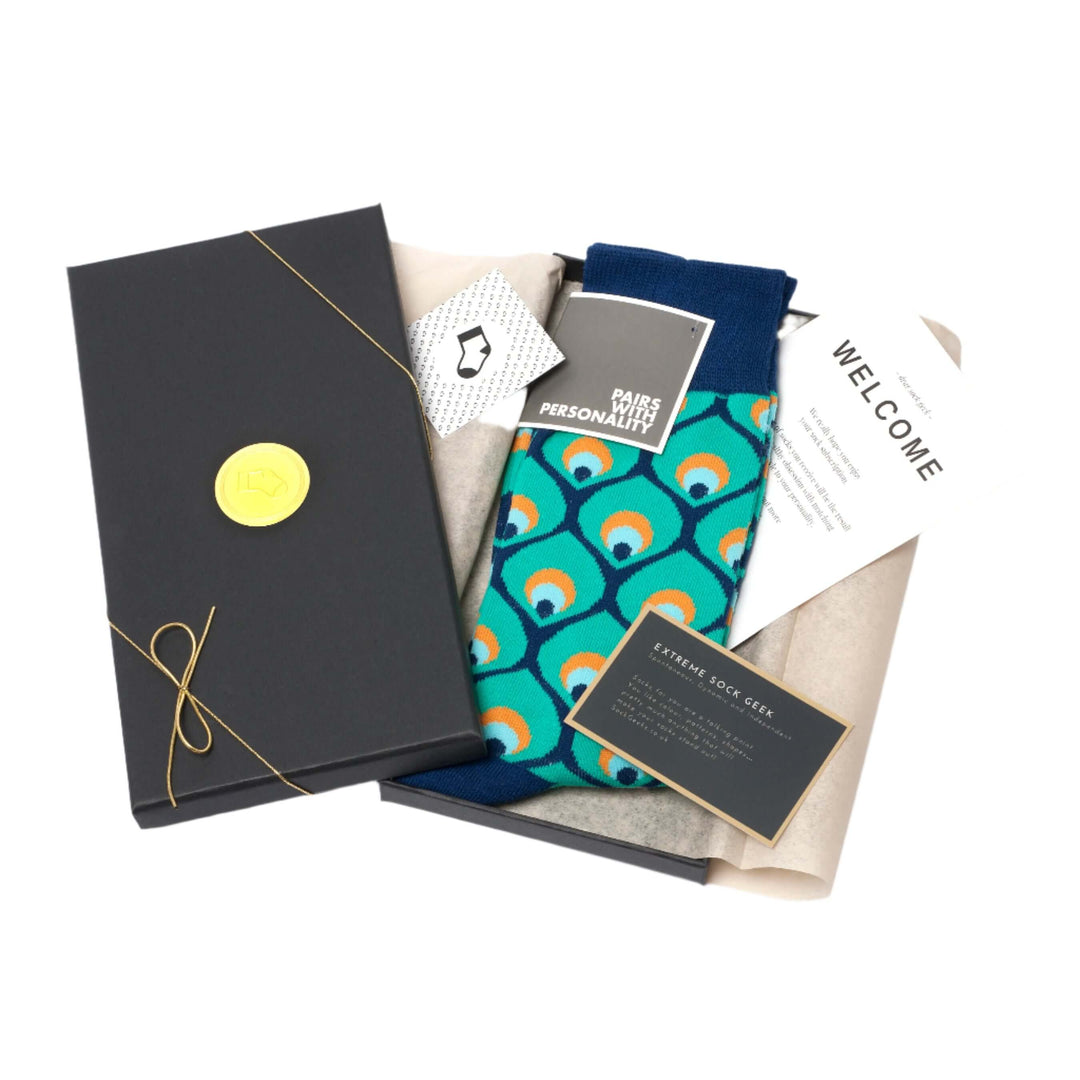
At Sock Geeks, socks are designed to do more than just look good—they support your lifestyle and wellbeing. By combining breathable fabrics, seamless construction, and carefully engineered comfort features, Sock Geeks delivers socks that align with both health needs and personal identity.
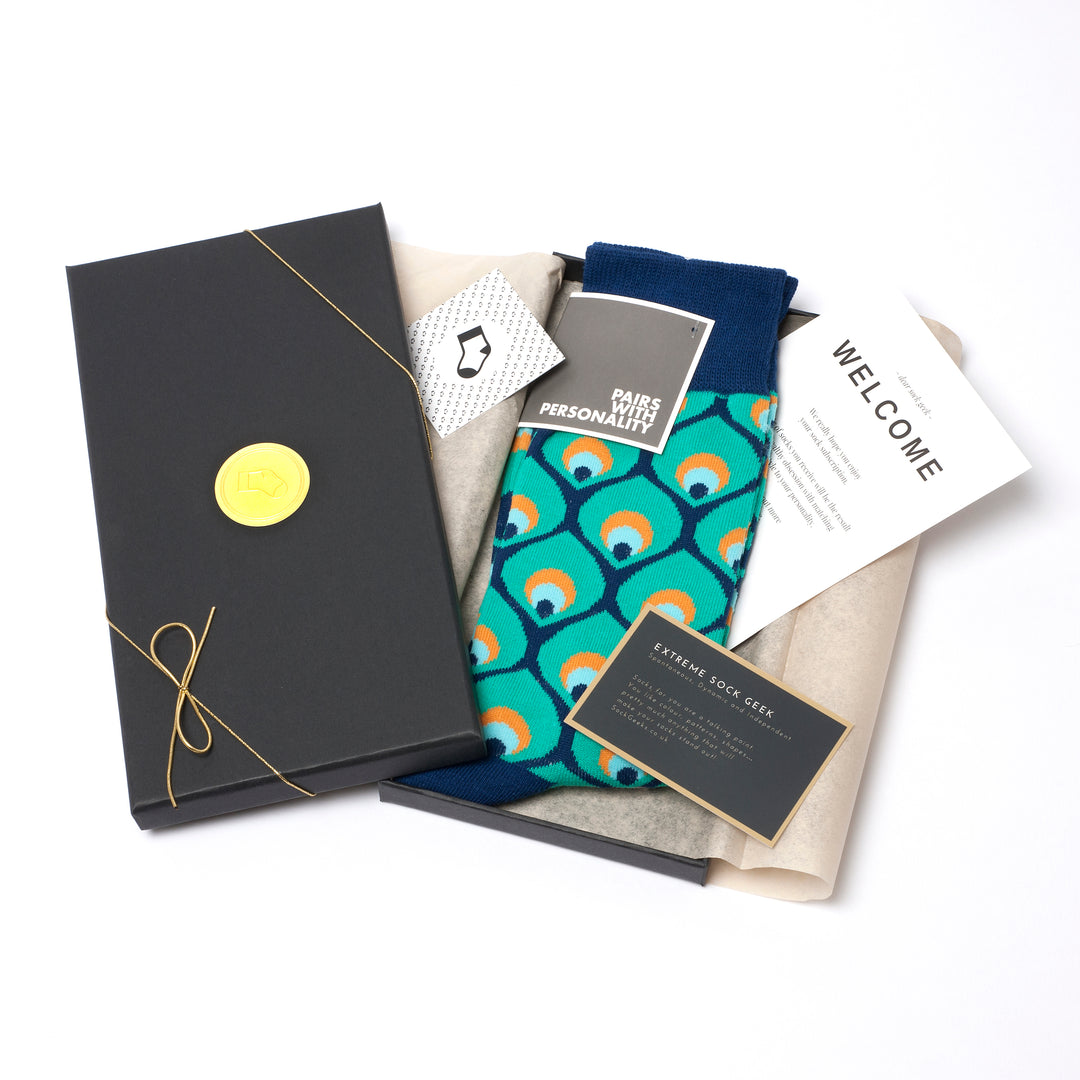
What sets Sock Geeks apart is its personality-matching experience, allowing customers to receive socks tailored to who they are—not just what they wear. This unique approach means you can enjoy:
- Comfortable, breathable materials
- Thoughtful design for everyday wear
- Socks that reflect your personality
Explore more at:
- https://www.sockgeeks.co.uk/
- https://www.sockgeeks.co.uk/sock-subscription/
- https://www.sockgeeks.co.uk/collections/mens-socks
- https://www.sockgeeks.co.uk/collections/womens-socks
- https://www.sockgeeks.co.uk/blogs/news
External Resources for Further Reading
- https://www.nhs.uk/conditions/peripheral-neuropathy/
- https://www.diabetes.org.uk/guide-to-diabetes/complications/feet
- https://www.healthline.com/health/peripheral-neuropathy
- https://www.medicalnewstoday.com/articles/neuropathy
- https://www.webmd.com/brain/understanding-peripheral-neuropathy-basic
How to Choose the Best Socks for Your Needs
When selecting neuropathy socks, consider:
Your symptoms:
- Pain → cushioning
- Swelling → compression
- Sensitivity → seamless
Your lifestyle:
- Active → moisture-wicking + cushioning
- Office → compression + comfort
- Home → non-binding + soft fabrics
Your footwear:
Ensure your shoes accommodate thicker or cushioned socks comfortably.
Frequently Asked Questions
What are the best socks for neuropathy?
A combination of seamless, cushioned, and moisture-wicking socks is ideal.
Can socks really help neuropathy pain?
Yes - by reducing pressure, improving circulation, and preventing irritation.
Should I wear compression socks daily?
Often yes, but consult a healthcare provider for correct pressure levels.
Are neuropathy socks suitable for hot climates?
Yes- breathable, moisture-wicking materials keep feet cool and dry.
How often should I replace them?
Every 3–6 months or when elasticity and cushioning wear out.





Leave a comment