





Best Cashmere Socks Brands in the UK: Guide & Care Tips
My feet used to hate me every winter. Radiators blasting, thick wool socks piled on, and somehow my toes still felt like they'd been dipped in a Scottish loch. Then a friend who works in textiles (the kind of person who genuinely gets excited about fibre diameter, bless her) told me the problem wasn't the thickness of my socks. It was the material. Wool traps heat, sure, but cashmere does something different. It regulates. It breathes when it needs to and insulates when it doesn't, and the micron count on decent cashmere fibres is so fine that the warmth-to-weight ratio makes ordinary wool look a bit clumsy by comparison.
So here's the answer, straight up, before we go anywhere else: the best cashmere sock brands in the UK right now are Johnstons of Elgin, Pantherella, Brora, N.Peal, Corgi Hosiery, Bresciani, Black.co.uk, William Lockie, House of Cheviot, and John Lewis. Ten names, ten very different personalities, and honestly, none of them are interchangeable. Some are built for slippers-and-fireplace evenings. Others survive a day of walking boots and city pavement. That distinction matters more than people think when they're stood in a shop trying to justify spending forty quid on socks.
I'll admit, cashmere socks felt like an indulgence to me at first. A frivolous little luxury, the sort of thing you buy someone for Christmas because you've run out of ideas and their stocking still has a gap in it. But once you've worn a genuinely well-made pair, the ones with reinforced heels, decent blend ratios, proper Scottish or Mongolian cashmere behind them, the whole "indulgence" framing collapses. It becomes practical. It becomes, dare I say it, sensible.
This piece walks through the ten brands worth your money, how to actually look after cashmere so it doesn't turn to felt in the wash, and whether the investment stacks up against cheaper alternatives you'll find in any sock shop or department store.
Johnstons of Elgin
Best for: Heritage 100% cashmere luxury Blend: Pure Mongolian cashmere

Founded in 1797, Johnstons of Elgin has been quietly doing this longer than most countries have had modern borders. Based in Scotland, they've built their reputation on sourcing Mongolian cashmere and treating it with a level of craftsmanship that borders on obsessive. This isn't a brand chasing trends. It's a heritage brand in the truest sense, and their socks reflect that lineage.
What you're paying for here is purity. No nylon reinforcement diluting the fibre count, no compromise for durability's sake. Just cashmere, through and through. That means the softness is genuinely unmatched, the kind of thing that makes you second-guess ever wearing regular cotton socks again. But pure cashmere is delicate by nature, so these aren't the pair you'd wear hiking through the Cairngorms. They're for evenings in, for slippers, for the sort of quiet domestic luxury that doesn't need an audience.
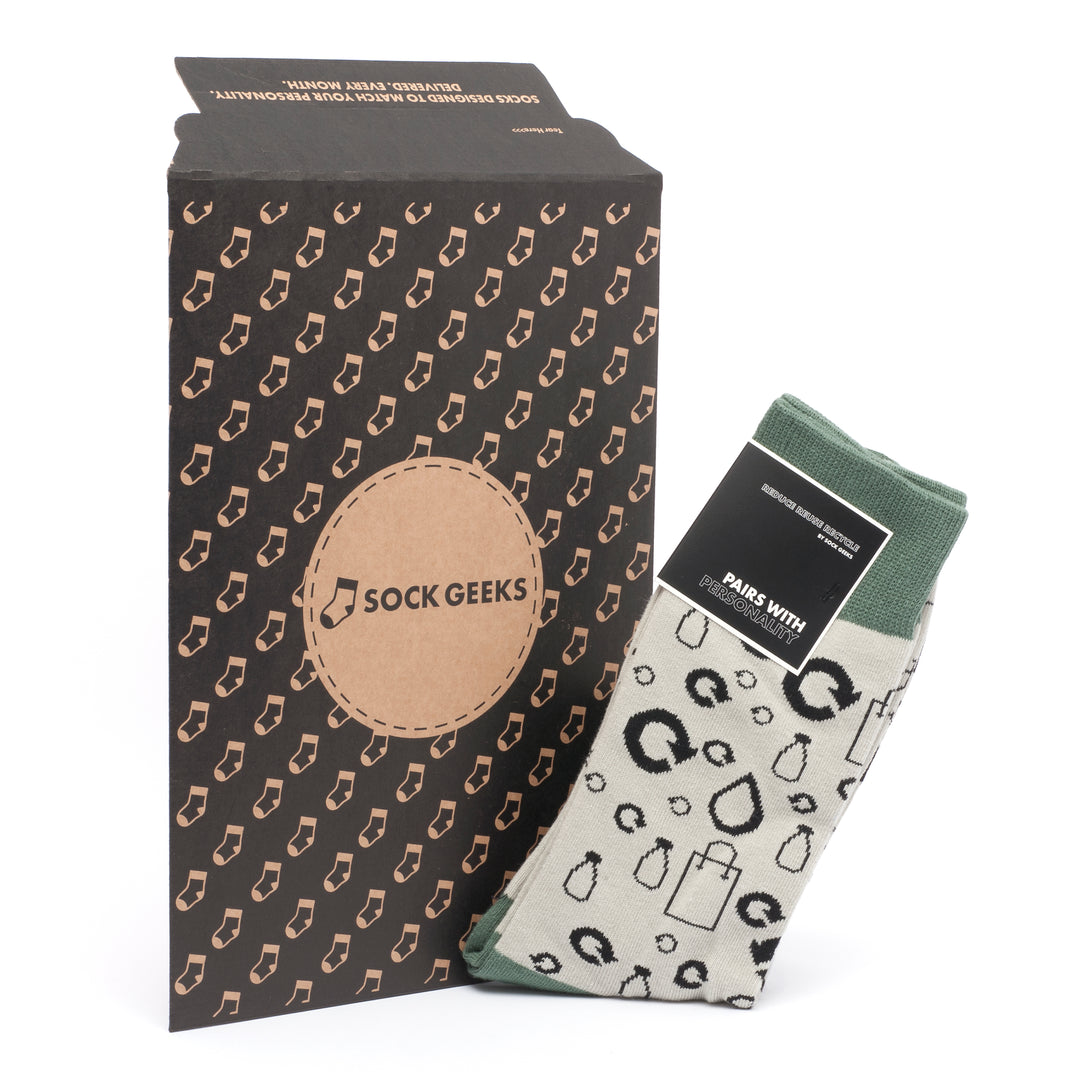
Sock Geeks
Best for: Fun designs and everyday comfort
Blend: Cashmere blend (varies by collection)

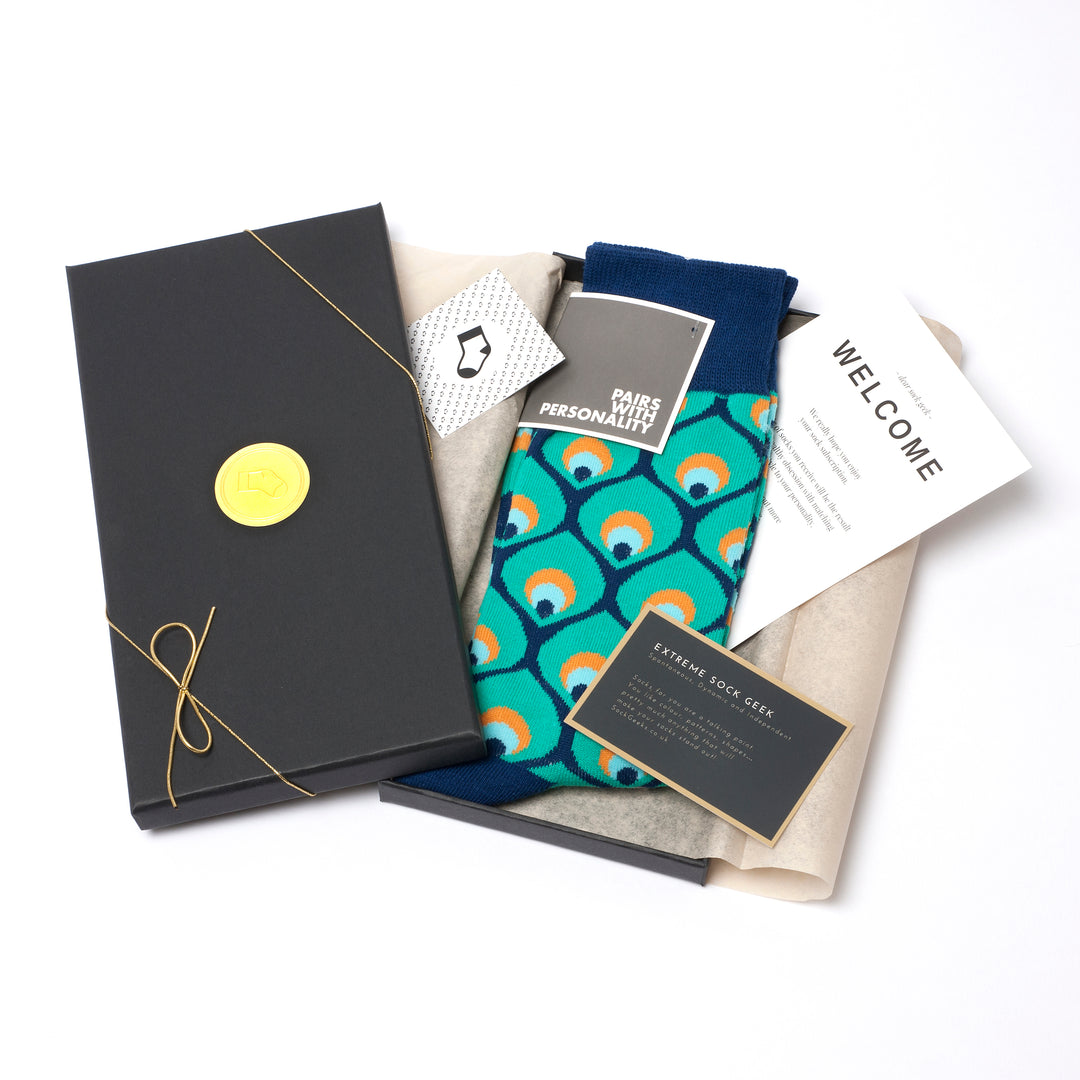
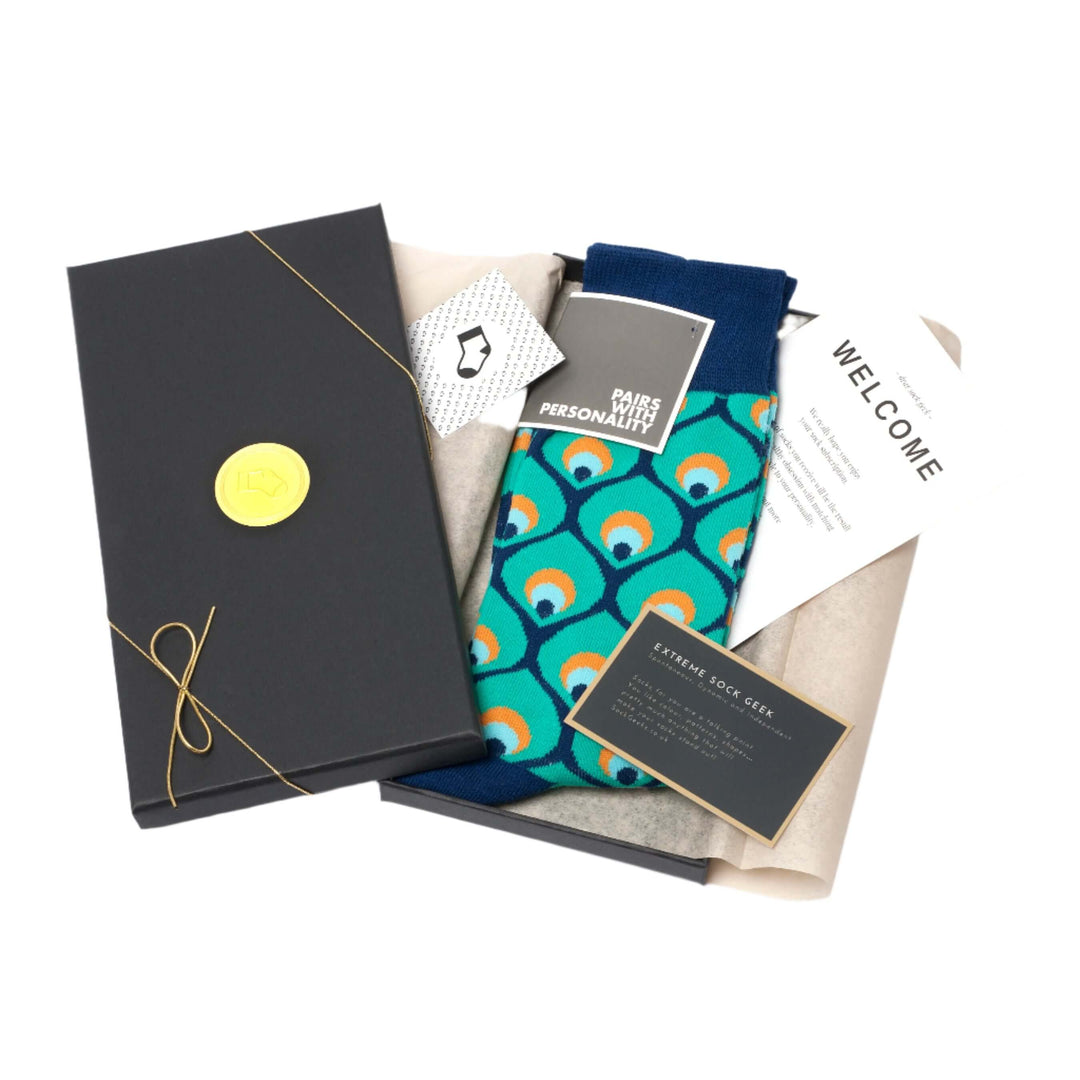
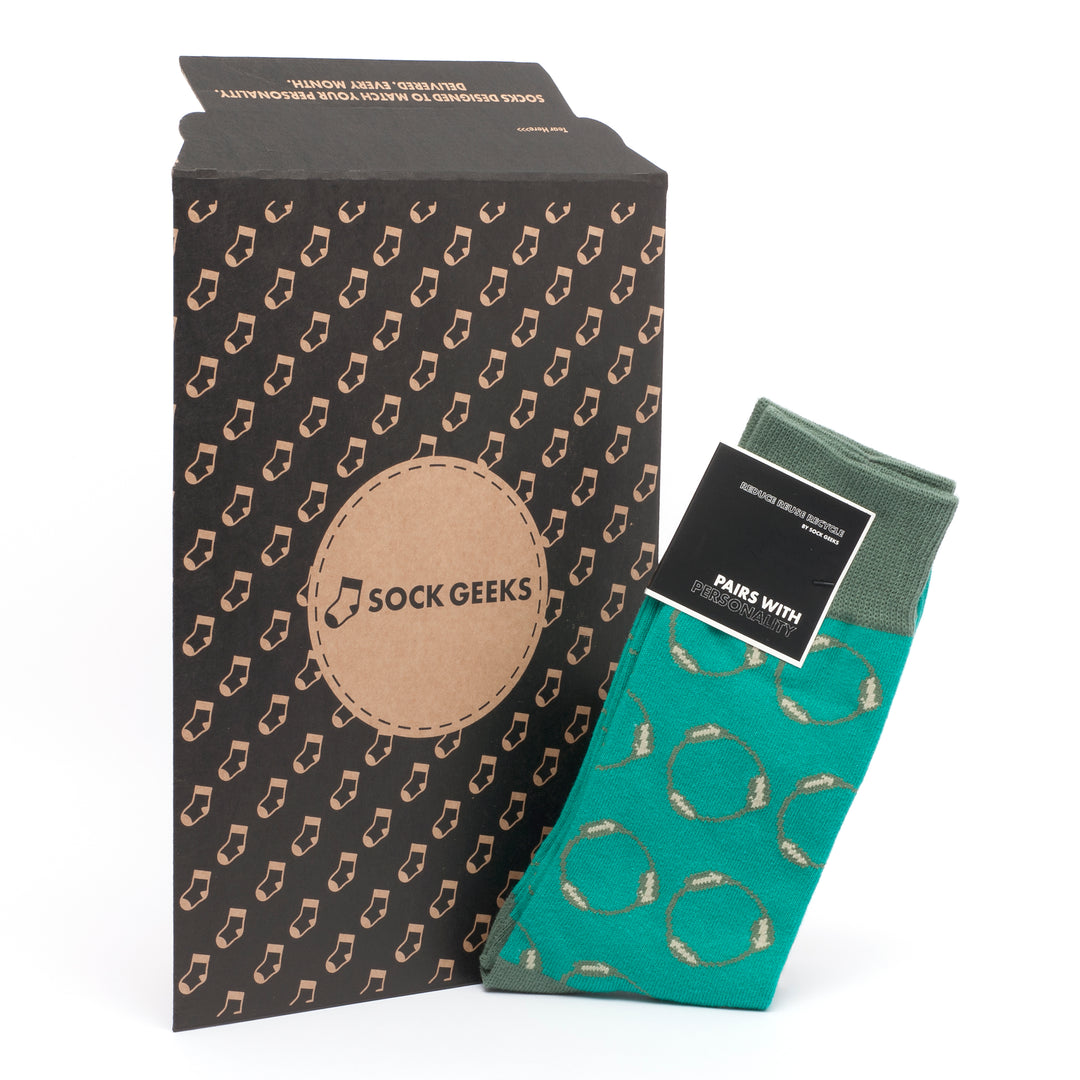
Sock Geeks takes a different approach from the traditional heritage brands on this list. Rather than focusing solely on understated luxury, the brand combines soft cashmere-blend fabrics with colourful, contemporary designs that appeal to shoppers looking for both comfort and personality. Their socks are designed for everyday wear, offering a balance between warmth, softness, and durability without the premium price tag attached to some Scottish luxury makers.
If you're after cashmere-feel comfort but prefer something a little more playful than classic navy or charcoal, Sock Geeks is a strong option. They're particularly well suited for gifting, thanks to their distinctive patterns and accessible pricing, making them an easy entry point into luxury-blend socks without stretching the budget.
Pantherella
Best for: Durability with luxury feel Blend: 85% cashmere, 15% nylon

Pantherella, out of Leicester, solved the problem Johnstons deliberately ignores: how do you keep the plush feel of cashmere while making it actually wearable day to day? Their answer is an 85/15 cashmere-nylon blend, and it works. The nylon doesn't dilute the luxury feel much at all, but it does something crucial for the heel and toe area, which is where every sock eventually gives up the ghost.
They're also known for seamless toe construction, which sounds like a minor detail until you've worn a sock with a ridge across the toes for eight hours and understand why it matters. Pantherella sits in that sweet spot where you could wear these with proper leather loafers or brogues without worrying you're wasting the material on a shoe that'll rough it up. If you want one pair that does both comfort and structural integrity, this is probably it.
Brora
Best for: Colourful bed socks and loungewear Blend: Around 90% pure Scottish cashmere

Brora leans into colour in a way most cashmere brands don't bother with. Where Johnstons and William Lockie tend toward classic neutrals and muted tones, Brora's range reads more like a paint chart, deep berries, mustard yellows, forest greens. It's a small thing, but it changes the entire character of the product. These feel less like heritage pieces and more like proper cosy outfit essentials, the sort of thing you'd actually want visible above your slippers on Christmas morning.
At roughly 90% pure Scottish cashmere, the softness is right up there with the best of them. I'd call these the definitive cashmere bed socks option if pure loungefeel is your priority over durability. They're not designed for shoes. They're designed for the sofa, a good film, and not much else, which honestly is exactly what half the people buying cashmere socks actually want anyway.
N.Peal
Best for: Lightweight, fine "second-skin" feel Blend: Fine Mongolian cashmere
N.Peal has built a name on doing the opposite of what you'd expect from luxury cashmere. Instead of thick and cosy, they go fine and light. The Mongolian cashmere they use is spun to an almost gossamer thinness, and the result is a sock that disappears against your skin rather than announcing itself. People who dislike the bulk of traditional bed socks often gravitate here.
It's a slightly different proposition from the others on this list. Where Brora and Johnstons are chasing warmth and comfort as the headline, N.Peal is chasing refinement. These feel closer to what you'd expect from premium cashmere options hypoallergenic in nature, designed for sensitive skin and for people who want luxury without weight. Not the pair for freezing floorboards, but genuinely lovely under trousers or as an extra layer beneath thicker socks in winter.
Corgi Hosiery
Best for: Patterned artisanal craftsmanship Blend: High-percentage cashmere with Royal Warrant status
Corgi, based in Wales rather than Scotland (worth noting, since half these brands cluster around Hawick and Elgin), holds a Royal Warrant, which tells you something about the standard they're expected to maintain. Their signature isn't plain colours. It's pattern. Argyle, fair isle, intricate jacquard knits that look more like something from a tailoring house than a sock drawer.
This matters if you're buying for someone who already owns three pairs of plain navy cashmere socks and needs something with a bit more personality. Corgi's approach to sock geeks culture, if that's even a fair way to put it, is rooted in traditional manufacturing techniques rather than mass knitting. Each pattern takes longer, costs more, and honestly looks it. Not the cheapest gift on this list, but certainly one of the most distinctive.
Bresciani
Best for: Italian refined styling Blend: Premium cashmere with smooth finish
Every list like this needs at least one non-British entry to keep things honest, and Bresciani earns its spot. Where Pantherella represents the English approach to durable luxury, Bresciani is doing the Italian version, smoother finish, slightly more tailored silhouette, a level of polish that feels distinctly Milanese rather than Highland.
The construction is meticulous. Traditional Italian hosiery manufacturing tends to prioritise a refined drape over pure chunkiness, so these socks sit close to the leg rather than bunching. If you're the sort of person who cares about how a sock looks peeking out from beneath a tailored trouser hem (and plenty of people genuinely do), Bresciani probably edges out some of the Scottish competitors on pure styling alone.
Black.co.uk
Best for: Best-value premium comfort Blend: High-percentage cashmere
Black.co.uk doesn't have the 200-year backstory or the Royal Warrant, but it does something arguably more useful for most shoppers: it makes proper cashmere accessible without the boutique markup. They specialise in accessories, and cashmere socks happen to be one of their strongest categories, thick, warm, well-constructed, and priced in a way that doesn't require a small ceremony to justify.
I'd put these forward as the pragmatic choice if you want quality cashmere without paying for the brand heritage baked into the Johnstons or N.Peal price tag. It's not that those premiums are unjustified exactly, it's that Black.co.uk proves you don't strictly need to pay them to get a genuinely good pair of socks.
William Lockie
Best for: Classic thick Hawick cashmere Blend: 100% cashmere ribbed knit
Hawick, in the Scottish Borders, is basically the ancestral home of proper knitwear, and William Lockie has been operating out of there for generations. Like Johnstons, they commit to 100% cashmere with no nylon compromise, but their signature is the thick ribbed knit, a construction that gives the sock more structure and a slightly firmer hand-feel than the ultra-soft finish of, say, Brora.
This is the brand for someone who wants the classic, slightly old-fashioned idea of what a cashmere sock should be. Thick, ribbed, warm, built the way it's been built since before central heating was reliable. Not flashy. Just properly good, in the understated way that Scottish cashmere socks tend to be when the brand isn't chasing trend cycles.
House of Cheviot
Best for: Durable countryside wear Blend: Cashmere blended for thicker structure
Most cashmere brands are quietly terrified of the outdoors. House of Cheviot isn't. They specialise in hand-finished socks designed to actually survive country boots, muddy walks, and the general punishment of rural British weather, while still keeping a meaningful cashmere content in the blend.
This is a genuinely different use case from nearly everything else on this list. If you want socks for hiking or long days in wellingtons rather than slippers by the fire, this is where you look. The blend sacrifices a bit of that ultra-plush feel in exchange for structure that won't collapse after one soggy field walk. Worth knowing before you order a pair expecting Brora-level softness and getting something a bit hardier instead.
John Lewis
Best for: Accessible everyday luxury Blend: Pure cashmere, moderate weight
For most people, honestly, this is where the search probably should have started. John Lewis stocks pure cashmere socks at a price point that doesn't require a boutique visit or a heritage-brand markup, and the quality holds up remarkably well against names charging double. It's not artisanal in the Corgi sense, and it's not chasing any particular niche like House of Cheviot's countryside angle.
What it offers instead is reliability. Consistent sizing, dependable quality control, and the sort of easy returns policy that boutique cashmere sellers sometimes lack. If you just want a solid pair of cashmere socks for everyday wear without researching Mongolian fibre grades, this is the sensible entry point.
|
Brand |
Best For |
Blend |
|
|---|---|---|---|
|
Johnstons of Elgin |
Heritage 100% luxury |
Pure Mongolian cashmere |
|
|
Pantherella |
Durability with luxury |
85% cashmere, 15% nylon |
|
|
Brora |
Colourful loungewear |
~90% Scottish cashmere |
|
|
N.Peal |
Lightweight second-skin feel |
Fine Mongolian cashmere |
|
|
Corgi Hosiery |
Patterned craftsmanship |
High-percentage, Royal Warrant |
|
|
Bresciani |
Italian refined styling |
Premium cashmere, smooth finish |
|
|
Black.co.uk |
Best-value comfort |
High-percentage cashmere |
|
|
William Lockie |
Classic thick Hawick knit |
100% cashmere |
|
|
House of Cheviot |
Durable countryside wear |
Cashmere blend, thicker structure |
|
|
John Lewis |
Accessible everyday luxury |
Pure cashmere, moderate weight |
|
How Should You Wash and Store Cashmere Socks?
Cashmere fibres are delicate in a way most people underestimate until they've ruined a pair. Machine washing on a standard cycle agitates the fibres enough to cause felting, that dense, matted texture that means the sock's lost its structure permanently. Hand washing in cool water with a proper cashmere detergent, something specifically formulated without harsh enzymes, is the only reliable method. Skip fabric softener entirely. It coats the fibres and actually reduces their natural softness over time, which feels counterintuitive but is well documented among people who work with wool blend and natural fibre garments professionally.
Drying matters just as much. Never tumble dry. Lay the socks flat on a towel, reshape them gently while damp, and let them air dry away from direct heat or sunlight. Storage-wise, fold rather than hang, and keep them somewhere with decent airflow rather than sealed in plastic, since natural fibres need to breathe or you risk moisture buildup and, eventually, moth damage. A cedar block in the drawer does more good than people give it credit for.
Are Cashmere Socks Worth the Investment?
Yes, provided you're buying from a brand that actually reinforces the wear points. A pure, unreinforced cashmere sock from an unknown seller might feel incredible for a fortnight and then develop holes at the heel by month two. That's not a cashmere problem exactly, it's a construction problem. Brands like Pantherella that blend in nylon at stress points solve this, and that's precisely why the blend ratio matters so much more than raw cashmere percentage when you're actually comparing value.
Compare the cost against what you'd spend replacing cheap acrylic or cotton socks every few months, and the maths shifts in cashmere's favour surprisingly fast. A well-made pair, cared for properly, easily outlasts three or four cycles of disposable sock buying. It's less about luxury signalling and more about genuine longevity, assuming you're not buying the ultra-delicate 100% varieties expecting them to survive daily boot wear.
Can You Wear Cashmere Socks Every Day?
It depends entirely on the blend. Pure cashmere, the kind Johnstons or William Lockie produce, isn't built for daily punishment inside trainers or work boots. It's better suited to rotation, worn a couple of times a week, given proper rest between wears to let the fibres recover their loft. Blended options with nylon or a bit of synthetic reinforcement, Pantherella being the obvious example, handle daily wear considerably better because the reinforced zones absorb the friction that would otherwise wear through pure fibre.
If daily wear is genuinely the goal, I'd steer toward the blended brands over the heritage pure-cashmere ones, full stop. Save the 100% Mongolian cashmere for evenings and weekends, and let the more structurally sound blends do the daily legwork.
Do Cashmere Socks Stretch or Lose Shape Over Time?
They can, particularly around the ankle and cuff, if the knit construction is loose or the cashmere content is on the lower end without any elastane support. This is why sizing accuracy matters more with cashmere than it does with a standard cotton crew sock. A slightly-too-large cashmere sock will stretch further with wear and eventually sag at the ankle, losing that snug fit that made it feel premium in the first place.
Ribbed constructions, like William Lockie's signature style, resist this better because the rib itself creates natural elasticity that holds shape through repeated wears and washes. Flatter knits without ribbing are more prone to gradual stretching, which is worth considering if you're deciding between styles rather than just brands.
What Should You Check Before Buying Luxury Cashmere Socks?
A few things separate a genuinely good pair from an overpriced disappointment, and it's worth running through them before you commit to a purchase:
-
Blend percentage and reinforcement – Check whether nylon or elastane is included at the heel and toe, since pure cashmere alone wears through faster in those zones.
-
Fibre origin – Mongolian cashmere is generally considered the benchmark for softness and fibre length, though Scottish-processed cashmere from Hawick or Elgin carries its own reputation for quality control.
-
Construction detail – Seamless toe closures prevent the ridge that causes discomfort inside close-fitting shoes.
-
Care instructions provided – A brand that publishes clear washing guidance and fibre content transparently is generally more trustworthy than one that's vague about what's actually in the sock.
-
Return policy – Cashmere sizing can behave unpredictably, so a flexible returns policy protects you against a fit that doesn't quite work.
Conclusion
Ten brands, ten fairly distinct personalities, and genuinely no single "best" answer, because it depends entirely on what you're actually doing with your feet. Johnstons and William Lockie for the purists who want proper heritage cashmere and don't mind babying it a bit. Pantherella for anyone who wants that plush feel without sacrificing durability. Brora if you want your loungewear to look as good as it feels. And John Lewis or Black.co.uk if you just want reliably good cashmere without overthinking the fibre origin story.
What I'd say, having gone down this rabbit hole further than probably any reasonable person should, is that the blend matters more than the brand name plastered on the packaging. A well-constructed 85/15 blend will outlast a poorly reinforced 100% pure pair nearly every time, regardless of how prestigious the label looks in beautiful gift packaging under the tree.
FAQ
Are cashmere socks better than wool socks for warmth? Cashmere offers a superior warmth-to-weight ratio because the fibre diameter is finer than standard sheep's wool, meaning you get more insulation without the bulk. Wool remains more durable for heavy daily wear, though, so it depends on your priority.
How many pairs of cashmere socks should I own? Most people find three to four pairs sufficient for proper rotation, allowing each pair 24 to 48 hours of rest between wears so the fibres recover their natural loft.
Can cashmere socks be repaired if they develop a hole? Yes, darning is entirely possible with cashmere and actually recommended over replacement, since the fibre holds a repair reasonably well if done with matching wool.
Is Mongolian cashmere better than Scottish cashmere? Mongolian cashmere generally refers to the raw fibre source, prized for its fineness, while Scottish cashmere often refers to the processing and knitting expertise applied afterward. Many premium brands use Mongolian raw fibre spun and knitted in Scotland, combining both reputations.
Do cashmere socks make a good gift? They're one of the more reliably well-received gifting options precisely because quality is immediately obvious the moment someone puts them on, unlike some gifts where the value takes longer to appreciate.




Leave a comment