



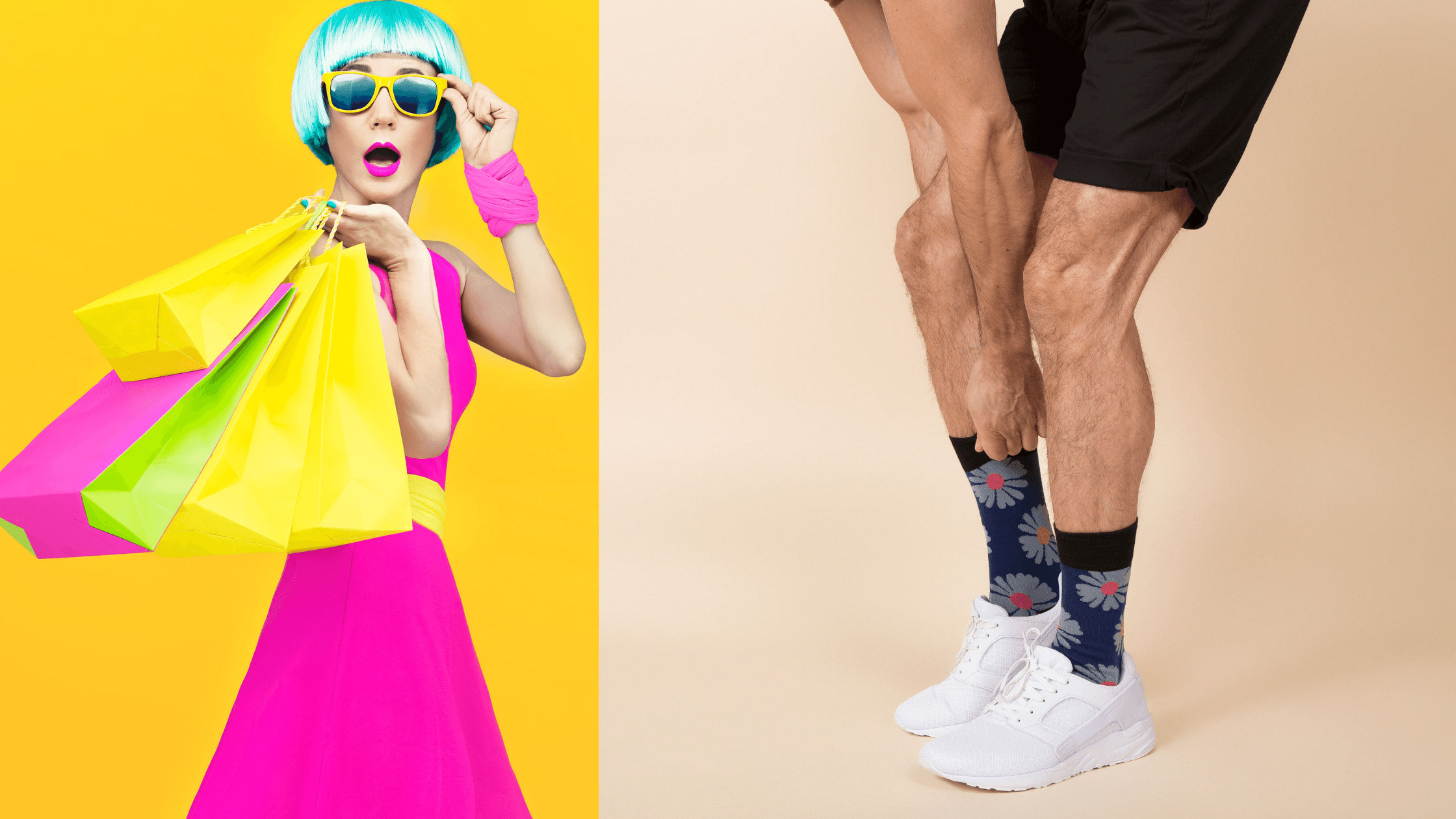


Limited edition socks are defined as footwear produced in deliberately restricted quantities, released as exclusive drops that retire permanently once stock sells out. Unlike mass-produced styles, these designs exist in finite numbers. Production runs for exclusive collaborations can be as limited as 215 pairs, making each pair genuinely rare. That scarcity is not accidental. It is the entire point. For collectors, fashion enthusiasts, and gift buyers alike, limited edition socks occupy a space between wearable art and personal statement. Sock Geeks has built its reputation on exactly this principle: original designs, premium materials, and the kind of exclusivity that makes a pair of socks worth seeking out.
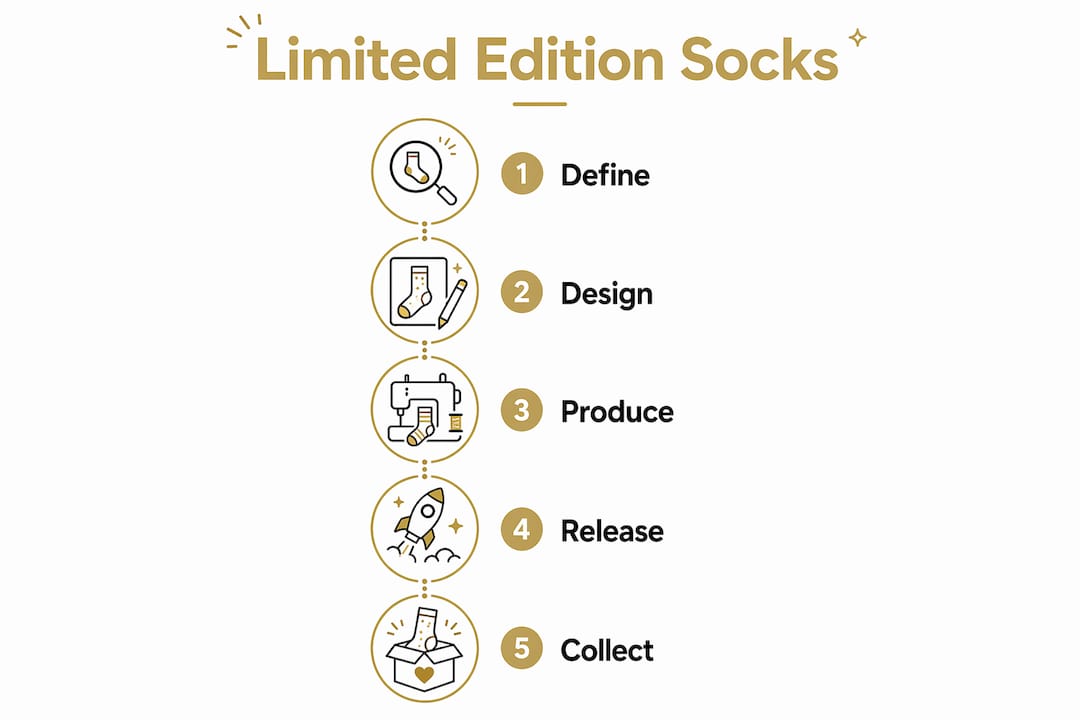
What are limited edition socks and what makes them unique?
Limited edition socks are distinguished from standard stock socks by three factors: restricted production volume, original design, and deliberate scarcity. Mass-produced socks arrive in the thousands. A limited edition run might produce fewer than 300 pairs worldwide. That difference in scale changes everything about how the product is perceived, valued, and worn.
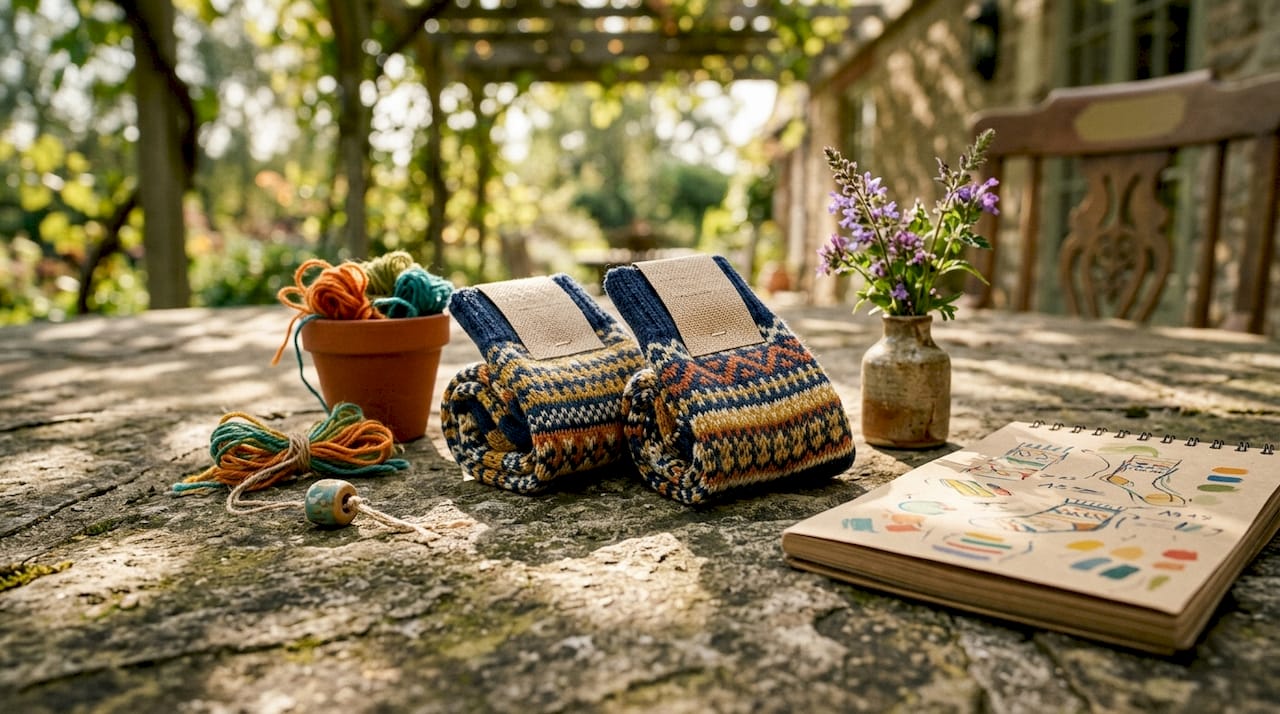
The design process for exclusive sock collections is also fundamentally different. Standard socks are designed for broad appeal and low cost. Limited edition designs are created with a specific vision, often by artists or designers who retain full creative control. Monthly artist collaborations result in original, limited edition designs produced with high-quality manufacturing. The result is a product that carries genuine artistic intent rather than a pattern chosen by a committee.
Construction method matters too. There are two primary approaches to sock design: knit-in patterns and sublimation printing. Each produces a very different result.
- Knit-in (woven) designs are embedded directly into the fabric during production. The pattern becomes part of the sock’s structure. These designs are permanent, durable, and retain their appearance through repeated washing.
- Sublimated (printed) designs are applied to the fabric surface using heat and dye. This method supports photographic detail and complex colour gradients that knitting cannot achieve. However, sublimated prints can fade after repeated washing over time.
- Artist-led designs often use knit-in techniques for logos and bold patterns, reserving sublimation for pieces where visual complexity is the priority.
- Material blend affects both comfort and how well a design holds. Combed cotton and bamboo blends tend to hold knit-in patterns better than synthetic mixes.
Pro Tip: If you are buying limited edition socks to keep as collectibles rather than wear daily, sublimation prints are fine. If you plan to wear them regularly, prioritise knit-in construction for longevity.
Socks also present unique design constraints. Font choices, placement zones, and design constraints affect final sock aesthetics and legibility in ways that flat garments do not. A design that works on a T-shirt may distort around the heel or ankle. Skilled designers account for the sock’s three-dimensional shape from the outset.
How do limited edition sock drops work?
A “drop” is a timed, limited release of a product in a fixed quantity. The term comes from streetwear culture, where brands release small batches of clothing at a set time, often with advance notice to build anticipation. Sock brands have adopted the same model. Limited production quantities and exclusive timed releases increase excitement and perceived value in ways that permanent catalogue listings simply cannot replicate.
The mechanics of a drop are straightforward. A design is produced in a fixed run. It goes on sale at a specific time. When the stock is gone, the design is retired. There is no restock. That finality is what creates urgency.
Collectors should recognise that limited edition status often depends on deliberate limited production runs rather than supply failures. This artificial scarcity is the key driver of sock value and resale potential. A pair that sold out in hours carries a different cultural weight than one that sat on shelves for months.
The psychology behind scarcity is well documented in consumer behaviour research. When buyers know a product will not return, the decision to purchase carries more weight. This is why limited edition drops generate genuine excitement in collector communities. The fear of missing out is real, and brands use it deliberately.
Key characteristics of a well-executed sock drop:
- A fixed production number announced in advance
- A clear release date and time
- No restocking policy once sold out
- Design retirement after the run ends
- Often accompanied by artist or collaboration credits
Artificial scarcity drives demand and builds collectible value. That is not manipulation. It is an honest signal that the product is genuinely rare.
What should collectors and buyers consider when choosing limited edition socks?
Buying limited edition socks well requires more than spotting an appealing design. The best sock designs for collectors balance visual impact, construction quality, and authentic exclusivity. Here is what to assess before purchasing.
-
Check the construction method. Knit-in designs last longer and feel better underfoot. If the listing does not specify, ask. A brand confident in its quality will answer clearly. Knit-in provides premium feel and longevity, while sublimation offers higher detail but a shorter lifespan.
-
Verify the production run size. A genuine limited edition will state how many pairs were produced. Vague language like “limited quantities” without a number is a weaker signal than “215 pairs produced.”
-
Research the designer or collaboration. Artist-led designs carry more collectible weight than generic patterns. Look for named collaborations, artist credits, or design stories attached to the release.
-
Assess the material blend. Combed cotton, merino wool, and bamboo blends offer comfort and durability. Avoid high-polyester blends if you plan to wear the socks regularly. For a collector’s guide to identifying quality, Sock Geeks offers a detailed buyer’s guide to sock quality worth reading before you spend.
-
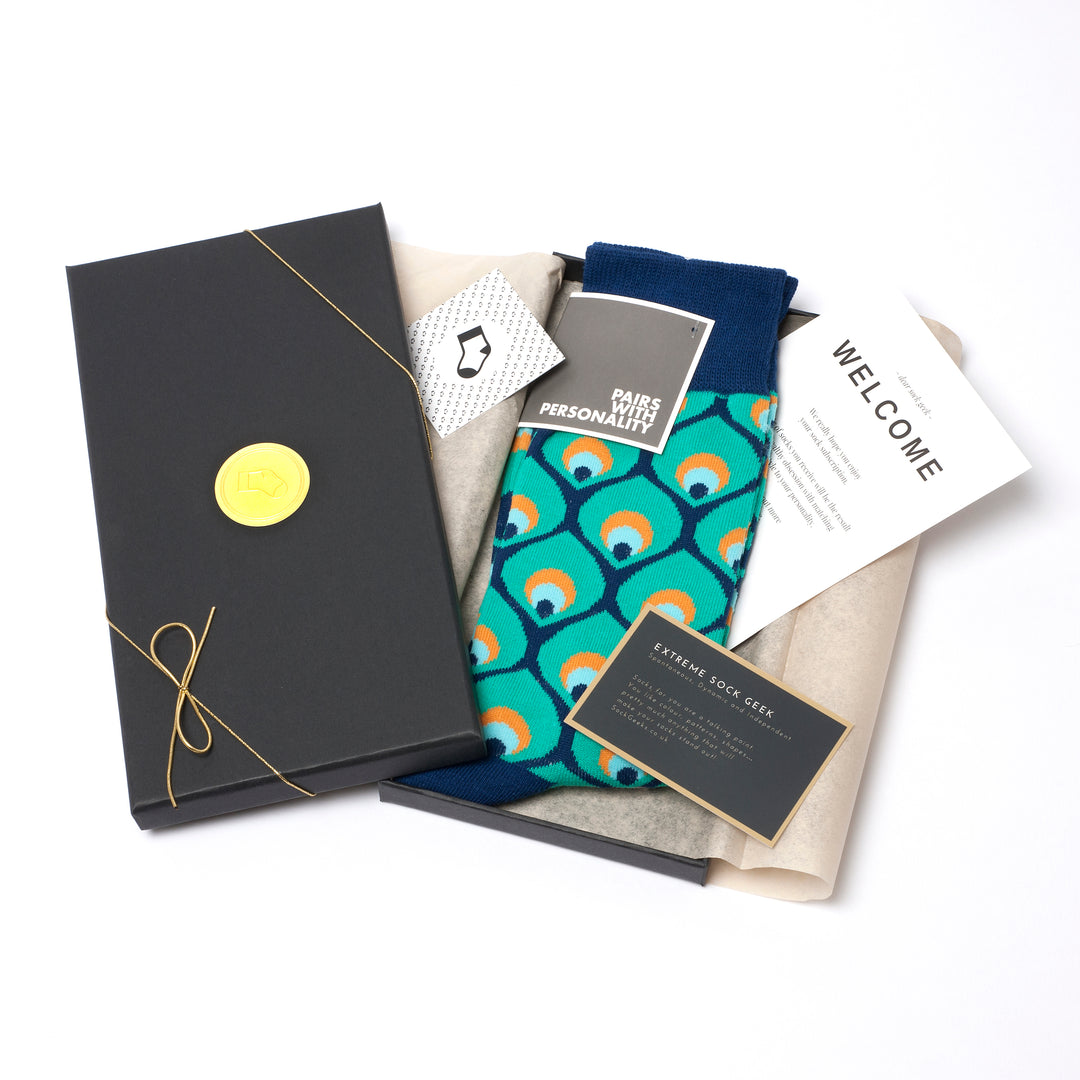
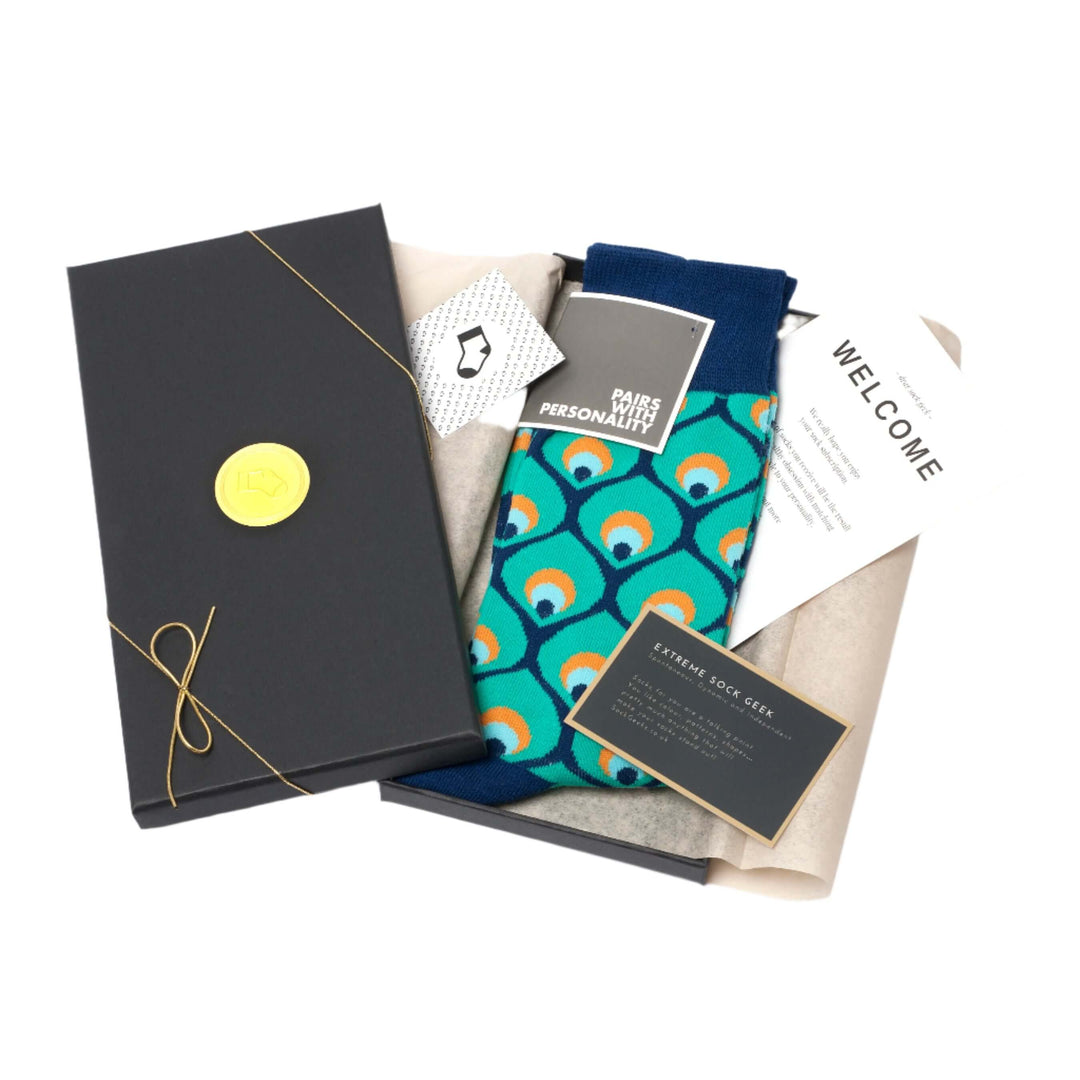
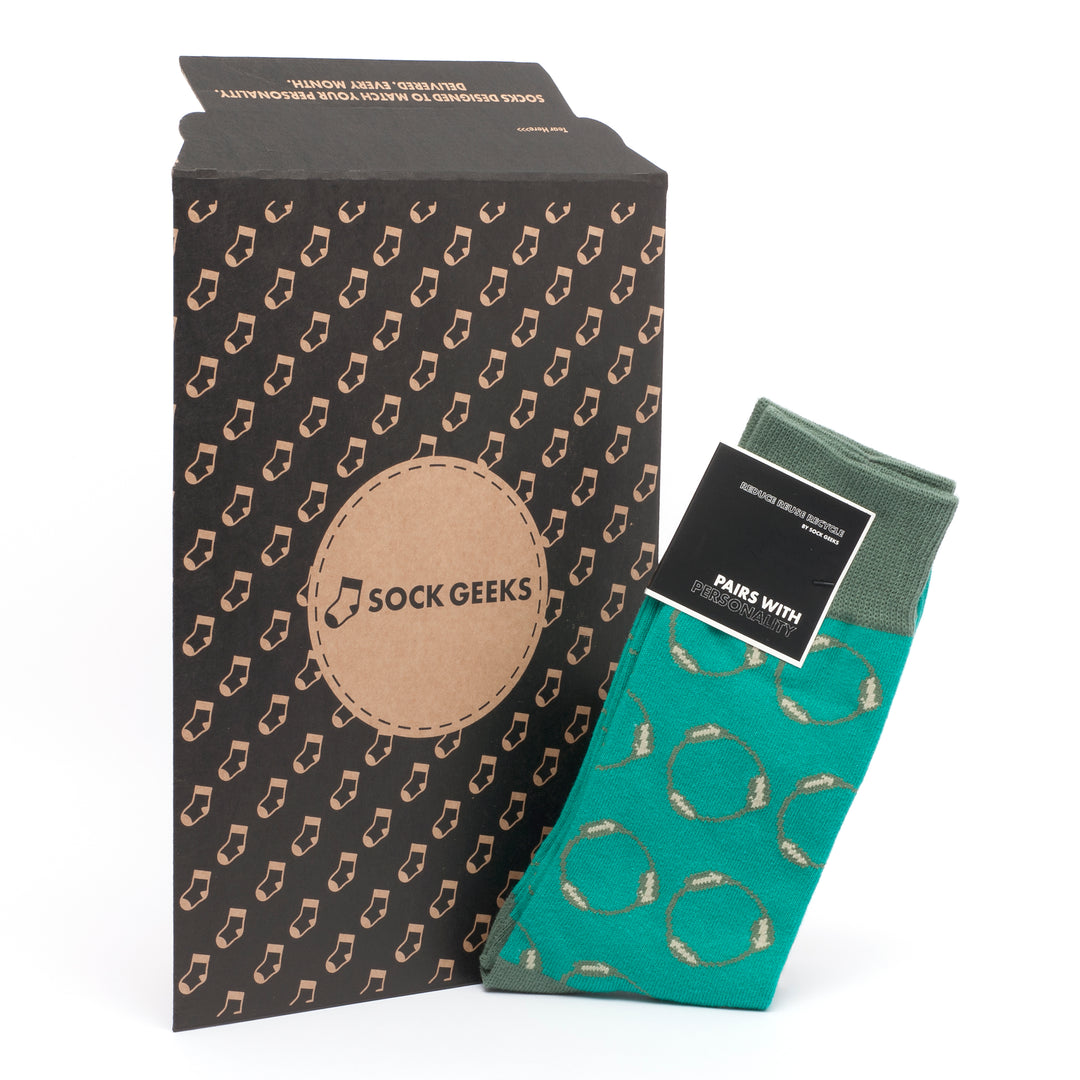
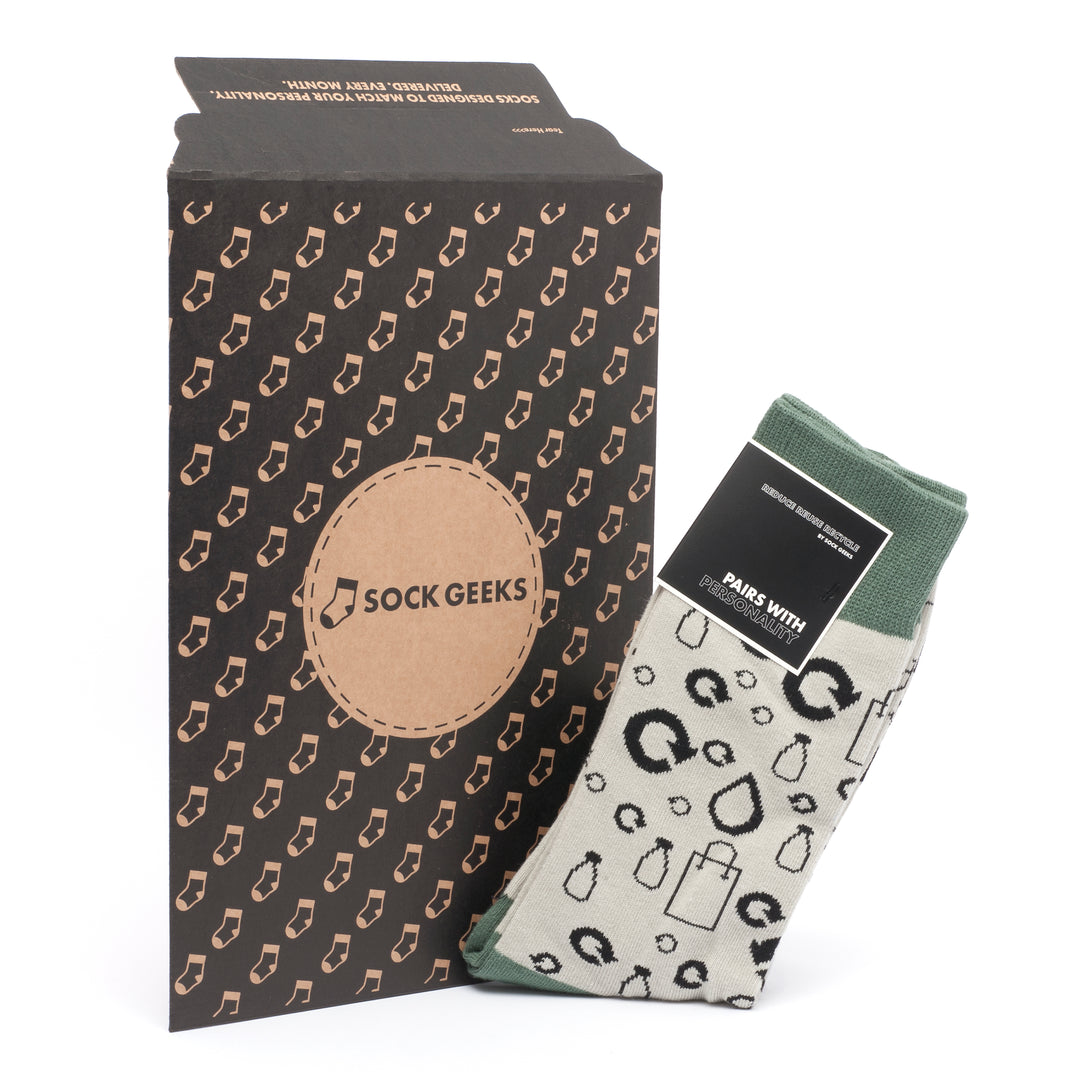
Consider packaging and presentation. Collectible socks often arrive in branded packaging that adds to their display value. If you plan to keep a pair unworn, original packaging preserves both condition and resale appeal.
-
Understand the return policy. Limited edition items often sell as final sale. Confirm this before purchasing, particularly when buying as a gift.
Pro Tip: Store unworn collectible socks flat in a cool, dry drawer away from direct sunlight. UV exposure degrades both dye and elastic over time, reducing both appearance and structural integrity.
Limited edition socks appeal to buyers seeking exclusivity, small-batch production, and personalised style. That appeal is strongest when the product genuinely delivers on all three. Knowing what to look for protects your investment and your enjoyment.
What role do limited edition socks play in self-expression and fashion?
Limited edition socks function as more than footwear. Limited runs allow consumers to align with niche communities and express identity through design in a way that mass-produced products cannot support. A pair of socks featuring an artist’s original illustration says something specific about the wearer. A generic stripe pattern says very little.
This is why exclusive sock designs have found devoted followings in communities as varied as cycling clubs, gaming groups, literary societies, and independent music scenes. Each group uses distinctive sock designs as a low-cost, high-visibility signal of belonging. The sock becomes a conversation starter and a membership badge simultaneously.
The fashion dimension is equally significant. Socks are one of the few garments where bold, unusual design is socially acceptable in almost any context. A brightly patterned sock visible above a shoe in a business meeting reads as personality, not eccentricity. That cultural permission makes socks an ideal canvas for limited edition design.
Limited edition socks transform traditional apparel into a form of personal branding and identity, blending fashion with collector culture. This is the insight that separates serious sock enthusiasts from casual buyers. The sock is not incidental. It is the statement.
Key ways collectors and fashion buyers use exclusive designs for self-expression:
- Wearing artist-collaboration socks to signal cultural awareness and taste
- Gifting limited edition pairs to mark significant occasions with something genuinely rare
- Building curated collections organised by artist, theme, or release year
- Using distinctive designs to differentiate professional or personal style in subtle, considered ways
Sock Geeks explores this idea in depth through its Sockology blog, which examines how sock choices reflect personality and creative identity.
Key takeaways
Limited edition socks are defined by restricted production, original design, and deliberate scarcity. These three factors together create genuine collectible value and personal expression potential that standard socks cannot match.
| Point | Details |
|---|---|
| Scarcity is intentional | Production runs as low as 215 pairs create genuine rarity, not a supply accident. |
| Construction method determines longevity | Knit-in designs outlast sublimated prints for regular wear; choose accordingly. |
| Artist collaboration adds value | Named designer credits increase both cultural weight and long-term collectible appeal. |
| Drops create urgency | Timed releases with no restock policy drive demand and build community excitement. |
| Socks are identity tools | Exclusive designs signal community membership and personal taste in a visible, low-risk way. |
Why I think limited edition socks deserve more serious attention
Most people still think of socks as an afterthought. I used to think the same. What changed my view was watching a small artist-collaboration drop sell out in under four hours, with buyers in three countries competing for fewer than 300 pairs. That is not the behaviour of people buying hosiery. That is the behaviour of collectors.
The cultural shift happening around limited edition socks mirrors what happened with trainers in the 1990s. Footwear that was once purely functional became a canvas for identity, community, and art. Socks are following the same arc, just a decade later and at a fraction of the price point. That accessibility matters. A limited edition sock drop at £15–£25 per pair opens collector culture to people who cannot spend £300 on a trainer release.
My advice to anyone new to this space: start by understanding construction. A beautiful design on a poorly made sock is a disappointment within six months. Prioritise brands that are transparent about their materials, production numbers, and design process. Sock Geeks is one of the few UK brands that consistently meets all three criteria, which is why its subscriber community keeps returning.
The most underrated aspect of limited edition socks is their gift potential. A pair that sold out publicly, given privately, carries a weight that no generic gift box can replicate. The recipient knows you paid attention.
Sock Geeks and the art of the exclusive drop

Sock Geeks curates a selection of original, limited edition designs that go beyond standard subscription fare. Each pair is produced in restricted quantities, using premium materials and original artwork that you will not find in any high street shop. The brand’s unique sock collections are designed for people who treat socks as a genuine expression of personality, not an afterthought. Whether you are building a collection, searching for a gift that stands apart, or simply want a pair worth talking about, Sock Geeks delivers designs with real creative intent behind them. With a 4.72 customer rating and a reputation for quality, it is the natural starting point for anyone serious about exclusive sock design.
FAQ
What are limited edition socks exactly?
Limited edition socks are produced in deliberately restricted quantities, often released as timed drops that retire permanently once stock sells out. Production runs can be as low as 215 pairs, making each design genuinely rare.
How do I know if a sock is truly limited edition?
A genuine limited edition will state the production run size and confirm no restock policy. Vague language without a specific number is a weaker indicator of true exclusivity.
Are knit-in or printed designs better for collectible socks?
Knit-in designs offer greater durability and are better for regular wear, while sublimated prints support complex artwork but fade over time. For display-only collecting, either works well.
Why do limited edition sock drops sell out so quickly?
Intentional scarcity combined with timed releases creates urgency. When buyers know a design will not return, demand concentrates at the moment of release, often clearing stock within hours.
Can limited edition socks be given as gifts?
Limited edition socks make distinctive gifts precisely because their rarity is verifiable. A sold-out design given as a present carries more meaning than a standard retail purchase.
Recommended
- How to spot high quality sock designs: a buyer’s guide – Sock Geeks
- What are socks made of, and why? – Sock Geeks
- Luxurious Socks 2024 | Material | Comfort Enhancement | Craftsmanship Socks – Sock Geeks
- Premium Materials | Luxury sock brands UK | Unique Styles | Dress Socks | Smart Socks – Sock Geeks



Leave a comment