





Breathable work socks are defined by their ability to manage moisture, not simply by how much air passes through the fabric. Over an 8–10 hour shift, your feet produce significant volumes of liquid sweat, and open-weave ventilation alone cannot evaporate it fast enough to keep you comfortable. The real work is done by fibre technology. Materials like merino wool, polyester blends, and bamboo pull sweat away from the skin and dry quickly, regulating temperature throughout the day. Choosing the wrong sock, particularly one made from cotton, means trapping that moisture against your skin and raising your risk of blisters, odour, and fatigue.

What materials make work socks breathable and why?
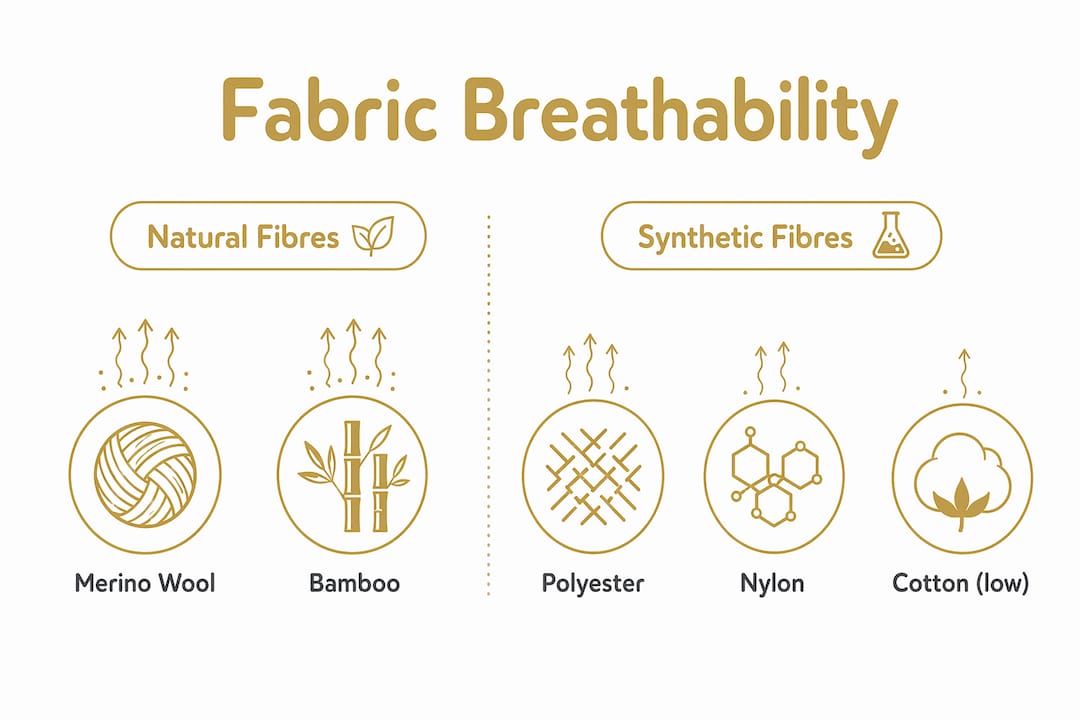
Fibre type is the single biggest factor in how well a work sock manages moisture. Not all materials perform equally, and the difference becomes obvious after a few hours on your feet.
Merino wool
Merino wool outperforms cotton in moisture control across long shifts, making it the gold standard for outdoor and construction site workers. It regulates temperature naturally, staying warm in cold conditions and cool when the temperature rises. Merino also resists odour without chemical treatment, which matters when you cannot change socks mid-shift. Sock Geeks uses merino blends precisely because of these properties, offering merino wool socks built for all-day wear.
Technical synthetics
Polyester and nylon blends, including fabrics marketed under the Coolmax technology standard, excel at wicking moisture and drying rapidly. They suit workers in hot environments where speed of drying matters more than temperature regulation. These fibres pull sweat away from the skin and move it to the sock’s outer surface, where it evaporates. The trade-off is that synthetics offer less natural odour resistance than merino wool.
Bamboo
Bamboo sits between merino and synthetics in performance. It carries natural antibacterial properties and manages moisture well, making it a practical choice for workers who want a softer feel without sacrificing breathability. Bamboo socks tend to be lighter than merino, which suits warmer office environments.
Why cotton falls short
Cotton absorbs sweat and traps it against the skin rather than wicking it away. This increases blister risk and creates the warm, damp conditions that bacteria thrive in. Many workers choose cotton because it feels soft, but softness and breathability are not the same thing. For any role involving prolonged standing, walking, or physical activity, cotton is the weakest performer of the common sock fibres. The wool versus cotton comparison is stark once you factor in moisture management over a full working day.
| Fibre | Moisture wicking | Odour resistance | Drying speed | Best suited for |
|---|---|---|---|---|
| Merino wool | Excellent | Excellent | Moderate | Outdoor, construction, cold climates |
| Technical synthetic | Excellent | Moderate | Fast | Hot environments, high-sweat roles |
| Bamboo | Good | Good | Moderate | Office, light physical work |
| Cotton | Poor | Poor | Slow | Low-activity, short wear only |
Pro Tip: If you work in a role that combines cold mornings and warm afternoons, a merino and synthetic blend gives you the temperature regulation of wool with the fast-drying speed of polyester.
How do design features improve breathability and comfort?
Material choice sets the foundation, but sock construction determines how well that material performs across a full shift. Several design elements make a measurable difference.
Mesh panels and ventilation zones increase airflow in targeted areas, typically the instep and upper calf. Strategic mesh placement matters here: mesh placed on high-friction zones like the ball of the foot or heel wears through quickly and reduces the sock’s lifespan. The best designs keep mesh away from these stress points while still promoting circulation where the foot needs it most.
Cushioned soles and reinforced heels and toes serve two purposes. They absorb impact during long periods of standing or walking, and they extend the sock’s durability in the areas that take the most punishment. Reinforced heels and toes combined with cushioned soles are a standard feature in quality work boot socks. Without them, even a premium fibre will wear thin within weeks.
Other design features worth prioritising:
- Stay-up construction: Elastic bands or ribbed cuffs prevent the sock from slipping down inside a boot, which causes bunching and friction.
- Crew or over-the-calf length: Taller socks protect the lower leg from boot collar chafing, a common source of irritation during long shifts.
- Seamless toe construction: Flat or seamless toe seams eliminate the pressure points that cause blisters, particularly during repetitive movement.
- Ergonomic shaping: Left and right specific socks follow the natural contour of each foot, reducing internal movement and hotspots.
Pro Tip: Check where the mesh panels sit before you buy. If the ventilation zone covers the heel or ball of the foot, the sock will wear out faster than one with mesh on the instep or leg only.
Moisture-wicking and ventilated socks also preserve fibre integrity over time. Fast drying reduces the risk of mould and mildew forming inside the sock, which degrades fibres and shortens the sock’s useful life. A well-designed breathable sock is not just more comfortable; it lasts longer.
What are the common myths about breathable socks?
Several widespread misconceptions lead workers to buy socks that fail them within hours. Knowing what breathability is not helps you make a better choice.
A thin sock or an open weave does not guarantee breathability. Fibre type and moisture control capacity determine performance, not how much light passes through the fabric. A thin cotton sock will still trap sweat against your skin, while a thicker merino blend will keep your feet drier throughout the day.
The “breathable cotton” label is particularly misleading. Cotton is soft and comfortable for short periods, but it has a high moisture regain rate, meaning it holds onto water rather than releasing it. During active work, this translates directly to wet feet, increased friction, and a higher chance of blisters. The risk of blisters from poor sock choices is well documented, and cotton is a frequent contributor.
Waterproof and rubber boots create a separate problem. Even the best breathable sock cannot fully manage moisture inside a sealed boot. Without leg ventilation, moisture stays trapped inside the boot regardless of sock quality. Workers wearing rubber or fully waterproof boots need socks with mesh panels on the upper calf to allow any moisture escape through the boot’s collar. Ignoring this means the sock’s breathability is largely wasted.
The footwear environment matters as much as the sock itself. Choosing a breathable sock without considering boot type, ventilation, and fit is like fitting a high-performance engine into a sealed box.
How to choose the best breathable work socks for your setting
Matching sock material and design to your specific work environment is the most practical step you can take. A one-size-fits-all approach does not work when the demands of a construction site differ so sharply from those of an office.
-
Outdoor and construction workers: Choose merino wool or a merino and synthetic blend. These fibres handle temperature swings, resist odour across long shifts, and manage moisture inside heavy boots. Look for crew or over-the-calf length with reinforced heels, cushioned soles, and stay-up construction.
-
Office and executive settings: Fine-gauge mercerised cotton or silk blends suit dress shoes well. Heavy wool socks inside slim dress shoes create pressure and foot fatigue. Keep lighter, thinner socks for office footwear and reserve merino or technical blends for boots.
-
Hot weather or high-sweat roles: Technical synthetics with Coolmax-type moisture wicking dry fastest and suit workers in warm warehouses, kitchens, or outdoor summer roles. Lightweight bamboo is a good secondary option for those who prefer a natural fibre.
-
Workers using waterproof boots: Prioritise socks with mesh panels on the upper calf or leg. Pair them with boots that have some collar ventilation. Accept that full waterproof boots will always limit moisture escape and plan sock changes accordingly.
-
Maintaining a sock rotation: Matching sock weight and fibre to specific footwear and work conditions extends foot health and sock longevity. Rotating between two or three pairs per week, rather than wearing the same pair repeatedly, allows fibres to recover their shape and reduces odour build-up.
-
Fit and length: A sock that is too large bunches inside the boot and causes friction. A sock that is too small compresses the foot and restricts circulation. Match sock size to your shoe size precisely, and choose crew length or higher for any boot-wearing role.
Picking socks for long work days involves more than grabbing the thickest pair available. The right combination of fibre, design, and footwear compatibility makes the difference between feet that feel fine at 5 PM and feet that have been suffering since noon.
Key takeaways
Breathable work socks manage moisture through fibre technology, not airflow alone, and matching material and design to your specific work environment is the most effective way to maintain comfort across a full shift.
| Point | Details |
|---|---|
| Fibre type determines breathability | Merino wool and technical synthetics outperform cotton in moisture control for long shifts. |
| Design features extend comfort | Mesh placement, cushioned soles, and seamless toes each reduce fatigue and blister risk. |
| Cotton is misleading for active work | Cotton traps moisture against the skin, increasing friction and bacterial growth during physical activity. |
| Boot type affects sock performance | Waterproof boots limit moisture escape; choose socks with upper-calf mesh panels to compensate. |
| Sock rotation improves longevity | Rotating between matched pairs for different footwear preserves fibre quality and foot health. |
Why I think most workers are still getting this wrong
After years of paying close attention to how professionals approach footwear, I keep seeing the same mistake: workers spend serious money on boots and almost nothing on the socks that go inside them. The sock is the only layer in direct contact with your skin for eight or more hours. Getting it wrong costs you in blisters, fatigue, and odour, not just discomfort.
The shift in fibre technology over the past decade has been significant. Merino blends and technical synthetics now perform at a level that was genuinely difficult to achieve even five years ago. Yet the majority of workers I speak to are still pulling on a cotton multipack from the supermarket and wondering why their feet ache by mid-afternoon.
The other oversight I see constantly is ignoring the footwear environment. Workers invest in breathable socks and then wear them inside fully sealed rubber boots with no calf ventilation. The sock cannot do its job in that situation. Breathability is a system, not just a product.
My advice is to treat socks as a functional tool, not an afterthought. Buy two or three types matched to your different footwear and conditions. Rotate them. Replace them when the cushioning compresses. The cost is minimal compared to the benefit of arriving home with feet that still feel comfortable.
Sock Geeks’ breathable work socks for all-day comfort
Sock Geeks designs work socks with the same attention to fibre and construction that this article describes. The range includes merino wool blends for outdoor and site workers, moisture-wicking options for warmer environments, and cushioned styles built for long shifts on hard floors.
Every pair is made from ethically sourced materials, with reinforced heels, stay-up construction, and designs that hold up across a working week. Whether you need socks for heavy boots, office shoes, or hot-weather roles, the Sock Geeks collection covers the full range. Browse the full sock range and find the right pair for your working day.
FAQ
What are breathable work socks made from?
Breathable work socks are made from moisture-managing fibres including merino wool, polyester blends, bamboo, and nylon. These materials wick sweat away from the skin and dry quickly, unlike cotton, which traps moisture.
Are breathable socks worth it for long shifts?
Yes. High-quality breathable socks wick moisture, regulate temperature, and reduce blister risk across a full working day, making them a practical investment for anyone on their feet for extended periods.
Do breathable socks work inside waterproof boots?
Breathable socks reduce moisture build-up, but waterproof boots limit how much moisture can escape. Choosing socks with mesh panels on the upper calf helps, but some moisture will always remain trapped inside a fully sealed boot.
How often should I replace breathable work socks?
Replace work socks when the cushioning in the sole compresses flat or when the heel and toe reinforcement wears thin. Rotating between multiple pairs extends each sock’s lifespan and maintains consistent comfort.
What is the best breathable sock for sweaty feet at work?
Merino wool or a merino and synthetic blend suits most workers with sweaty feet because it combines strong moisture wicking with natural odour resistance. Technical synthetics dry faster and suit very hot environments where rapid evaporation matters most.





Leave a comment