





Dress sock fabric types are ranked by their ability to regulate temperature, manage moisture, resist odour, and hold their shape through a full day of wear. Merino wool sits at the top of that ranking for most professional occasions, followed by long-staple cotton, bamboo viscose, silk blends, cashmere, and synthetic blends in supporting roles. The textile industry term for this quality measure is fibre performance, and it covers everything from tensile strength to breathability. Sock Geeks has built its reputation on sourcing fabrics that score well across all these criteria, making it a reliable starting point for anyone serious about upgrading their sock drawer.
Dress sock fabric types ranked: why the order matters
The ranking of dress sock fabrics is not arbitrary. Each material performs differently depending on climate, occasion, and how long you wear it. A fabric that excels in a winter boardroom can fail completely at a summer wedding. Understanding the order helps you spend money where it counts.
Merino wool is the gold standard for versatile dress socks, sitting at the top of every credible ranking. Long-staple cotton follows closely for warm-weather formality. Bamboo viscose, silk blends, and cashmere each occupy specific niches. Synthetic blends are not standalone fabrics but reinforcing agents that make every other material last longer.
1. Merino wool: the top-ranked fabric for all-round performance
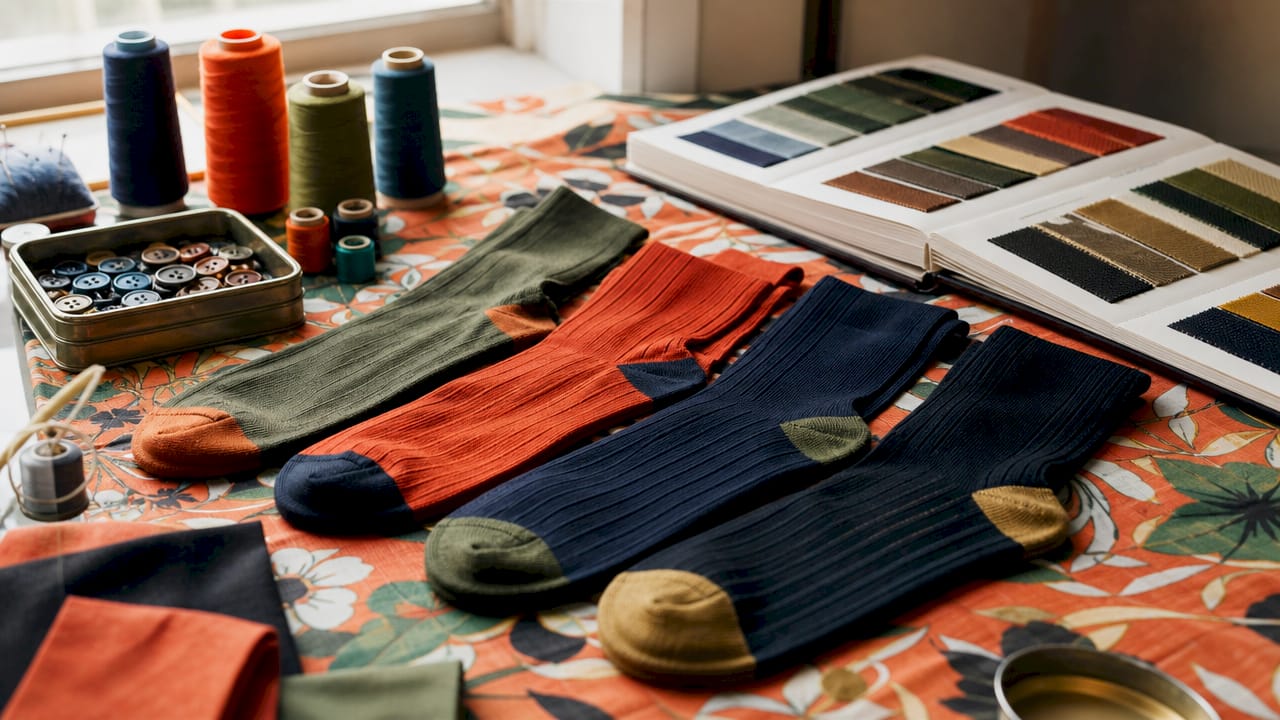
Merino wool is the single best fabric for dress socks worn across varied conditions. It regulates temperature naturally, keeping feet warm in winter and cool in summer. That dual function is rare in a single fibre and is the primary reason it ranks first.
The fibre also wicks moisture away from the skin and resists odour without chemical treatment. For anyone wearing dress shoes for eight or more hours, those two qualities matter more than almost anything else. Merino wool typically makes up 70% or more of the fibre content in premium dress socks, with the remainder being nylon and elastane for structure.
Merino socks generally retail between £15 and £25 a pair and are machine washable at low temperatures. That combination of performance and practical care makes them the most cost-effective premium option over time.
Key performance qualities of merino wool dress socks:
- Temperature regulation in both cold and warm environments
- Natural moisture wicking without synthetic treatment
- Odour resistance that lasts multiple wears between washes
- Available in thin dress weight through to medium ribbed constructions
- Compatible with most formal and business dress codes
Pro Tip: Choose a merino sock with reinforced heel and toe panels. Pure merino without synthetic reinforcement wears through quickly at friction points.
2. Long-staple cotton: the best choice for warm-weather formality
Long-staple cotton is the correct choice for formal occasions in warm climates or heated indoor settings. Varieties such as Egyptian cotton, Pima, and Fil d’Écosse all share one defining quality: fibre length above 32mm. That extra length produces a smoother, stronger yarn with 30–40% higher tensile strength than standard short-staple cotton.
The practical result is a sock that holds its colour through repeated washing, resists pilling, and drapes cleanly against the leg. That matte finish and clean drape are exactly what black-tie and summer business wear demand. Standard cotton cannot replicate this because its shorter fibres create a slightly rougher surface that catches light differently.
Long-staple cotton also breathes well, making it the preferred fabric for warm offices and outdoor summer events. It does not regulate temperature as actively as merino, but it moves heat away from the foot passively and effectively.
| Feature | Long-staple cotton | Standard cotton |
|---|---|---|
| Fibre length | Above 32mm | Below 25mm |
| Tensile strength | 30–40% higher | Baseline |
| Colour retention | Superior | Moderate |
| Breathability | High | Moderate |
| Pilling resistance | High | Low |
Blending long-staple cotton with 15–20% nylon and a small percentage of elastane improves fit and prevents the sagging that pure cotton socks are prone to after a few hours of wear.
3. Bamboo viscose: soft, antibacterial, and suited to sensitive skin
Bamboo viscose ranks third because it delivers genuine comfort benefits that neither merino nor cotton can fully match. The fibre is exceptionally soft against the skin, making it the best option for people with sensitive feet or conditions that make rougher textures uncomfortable.
Bamboo absorbs and dries moisture faster than cotton while resisting odour naturally. That combination makes it a strong performer for long days in formal shoes. The antibacterial quality comes from the fibre structure itself, not from chemical finishing, which means it persists through washing.
The main caveat is quality variation. Bamboo viscose blends vary considerably between manufacturers. A poorly constructed bamboo sock can pill, lose shape, or lose its softness after a handful of washes.
What to look for in a bamboo dress sock:
- Bamboo viscose content of at least 60% for meaningful softness and moisture benefits
- Nylon reinforcement at heel and toe to prevent early wear
- Elastane content of 1–3% for consistent fit throughout the day
- A tight, fine-gauge knit for a smooth profile under dress shoes
Pro Tip: Check the full fibre breakdown before buying. A sock labelled “bamboo” may contain as little as 30% bamboo viscose, which delivers far less of the softness and antibacterial benefit you are paying for.
For a deeper look at what bamboo socks offer in terms of odour control and moisture management, Sock Geeks covers the topic in detail.
4. Silk and cashmere blends: luxury fabrics for special occasions
Silk and cashmere sit at the luxury end of the dress sock fabric comparison. Both materials deliver a distinctive look and feel that no other fibre replicates. Both also require careful handling and are best reserved for occasions where you will not be on your feet for hours at a stretch.
Silk is the traditional choice for black-tie events. It has a subtle sheen, a fine drape, and a long history in formal menswear. Pure silk socks have low durability and minimal insulation, which limits their practical use. Blending silk with cotton or nylon extends their lifespan considerably without sacrificing the formal aesthetic.
Cashmere offers luxurious softness and a visual distinction that sets it apart from standard dress socks. The trade-off is real: cashmere is prone to pilling and shrinkage without careful hand washing. It is also the most expensive option per pair.
When to choose silk or cashmere dress socks:
- Black-tie dinners, formal ceremonies, or weddings where you will be seated for most of the event
- Occasions where the sock is visible and visual quality matters
- Gift purchases where luxury feel and presentation are the priority
- Winter evenings where cashmere’s warmth adds genuine comfort
Sock Geeks offers cashmere socks for women that combine elegance with practical warmth, making them a considered choice for both gifting and personal wear.
5. Synthetic blends: essential support, poor standalone choice
Synthetic fibres are not a fabric category to seek out on their own. They are the structural backbone that makes every other fabric perform better. Blends with 15–25% nylon and 1–3% elastane produce dress socks with better durability and fit than any pure natural fibre can achieve alone.
Nylon adds tensile strength at the heel, toe, and arch, where friction is highest. Elastane keeps the sock anchored to the foot throughout the day, preventing the bunching and slipping that ruins the line of a dress shoe. Without these additions, even the finest merino or long-staple cotton sock will develop holes within weeks of regular wear.
The problem arises with 100% polyester dress socks. Polyester traps heat, retains odour, and pills quickly. It has no place in a quality dress sock beyond a minor reinforcing role. The same applies to 100% cotton, which lacks elasticity and dries slowly after moisture absorption.
How to identify a well-blended dress sock:
- Natural fibre content of at least 70% (merino, cotton, bamboo, or silk)
- Nylon content of 15–25% for durability
- Elastane content of 1–3% for fit retention
- Reinforced heel and toe panels for extended wear life
- No polyester listed as a primary fibre
A professional sock wardrobe built on these blend principles will outlast and outperform any drawer full of cheap single-fibre socks.
Key takeaways
The best dress sock fabric is merino wool for versatility, long-staple cotton for warm-weather formality, and bamboo viscose for sensitive skin, with silk and cashmere reserved for special occasions and synthetics used only as reinforcing blends.
| Point | Details |
|---|---|
| Merino wool ranks first | It regulates temperature, wicks moisture, and resists odour across all seasons. |
| Long-staple cotton suits warm occasions | Fibres above 32mm produce stronger, smoother socks with superior colour retention. |
| Bamboo viscose needs quality checking | Look for at least 60% bamboo content and nylon reinforcement for real performance. |
| Silk and cashmere are occasion-specific | Reserve these for formal events; both require careful washing and wear out faster. |
| Avoid 100% synthetics | Pure polyester traps heat and odour; synthetics belong only as 15–25% nylon blends. |
Why I rotate fabrics rather than pick one winner
People often ask me which dress sock fabric they should buy. My honest answer is: more than one.
I have worn merino wool socks in a London office in january and been genuinely comfortable. I have also worn them at a summer garden party and regretted it by the second hour. Long-staple cotton saved that afternoon. The idea that one fabric covers every formal occasion is the most common mistake I see buyers make.
The second mistake is ignoring the blend. I have bought beautiful cashmere socks that developed holes within three wears because the manufacturer skimped on nylon reinforcement. The fibre quality was excellent. The construction was not. Always read the full composition label, not just the headline fibre.
My practical rotation looks like this: merino for autumn and winter business wear, long-staple cotton for spring and summer formality, bamboo viscose for long travel days in dress shoes, and cashmere or silk blends for evenings where I will be seated and the sock is on display. That rotation covers every scenario without compromise.
The budget question matters too. You do not need to spend heavily on every category. Invest in merino first because it does the most work. Then add long-staple cotton. Treat silk and cashmere as occasional luxuries rather than wardrobe staples.
Sock Geeks and the art of choosing the right dress sock fabric
Choosing the right dress sock fabric is easier when you have a reliable source that explains what is actually in the sock and why it matters.

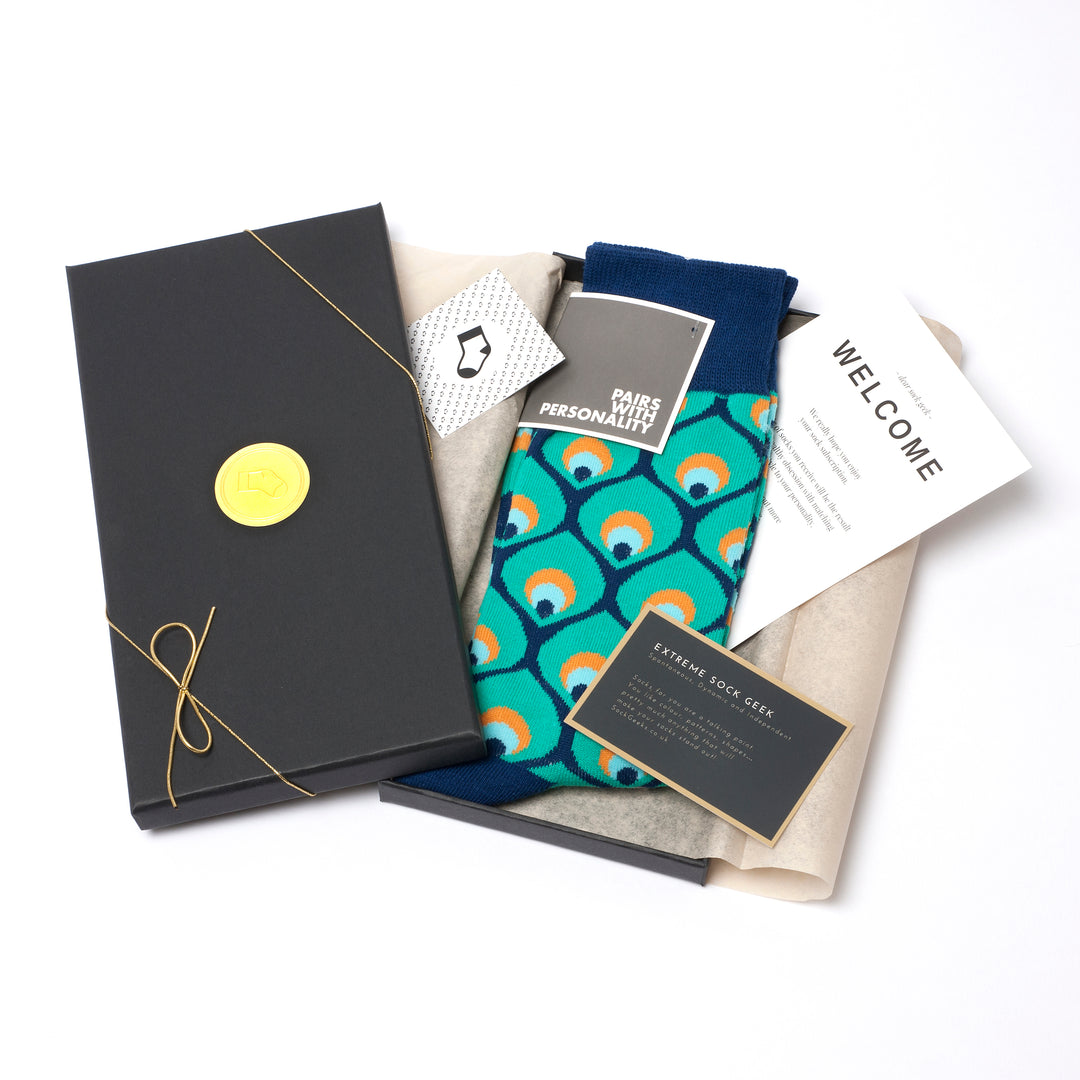
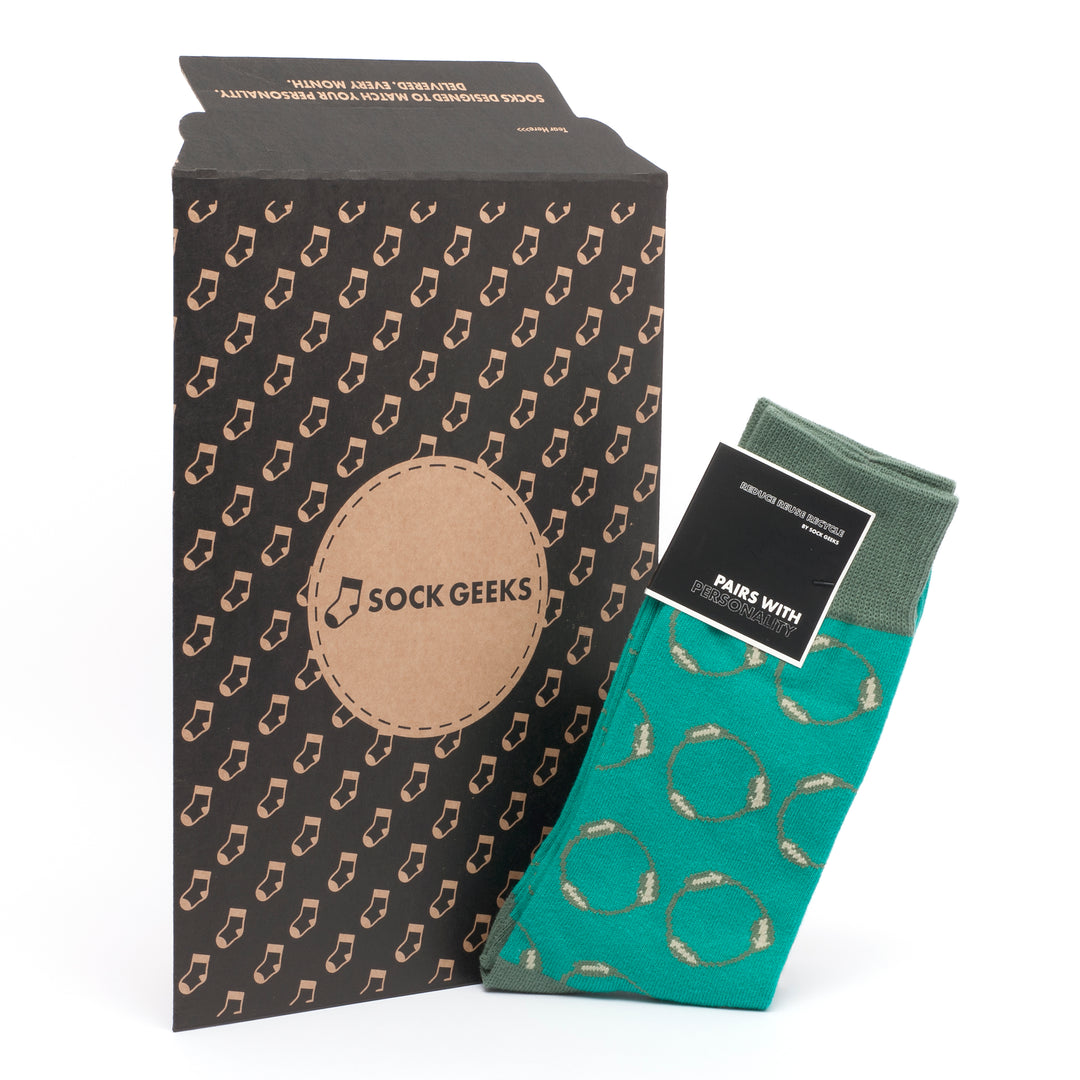
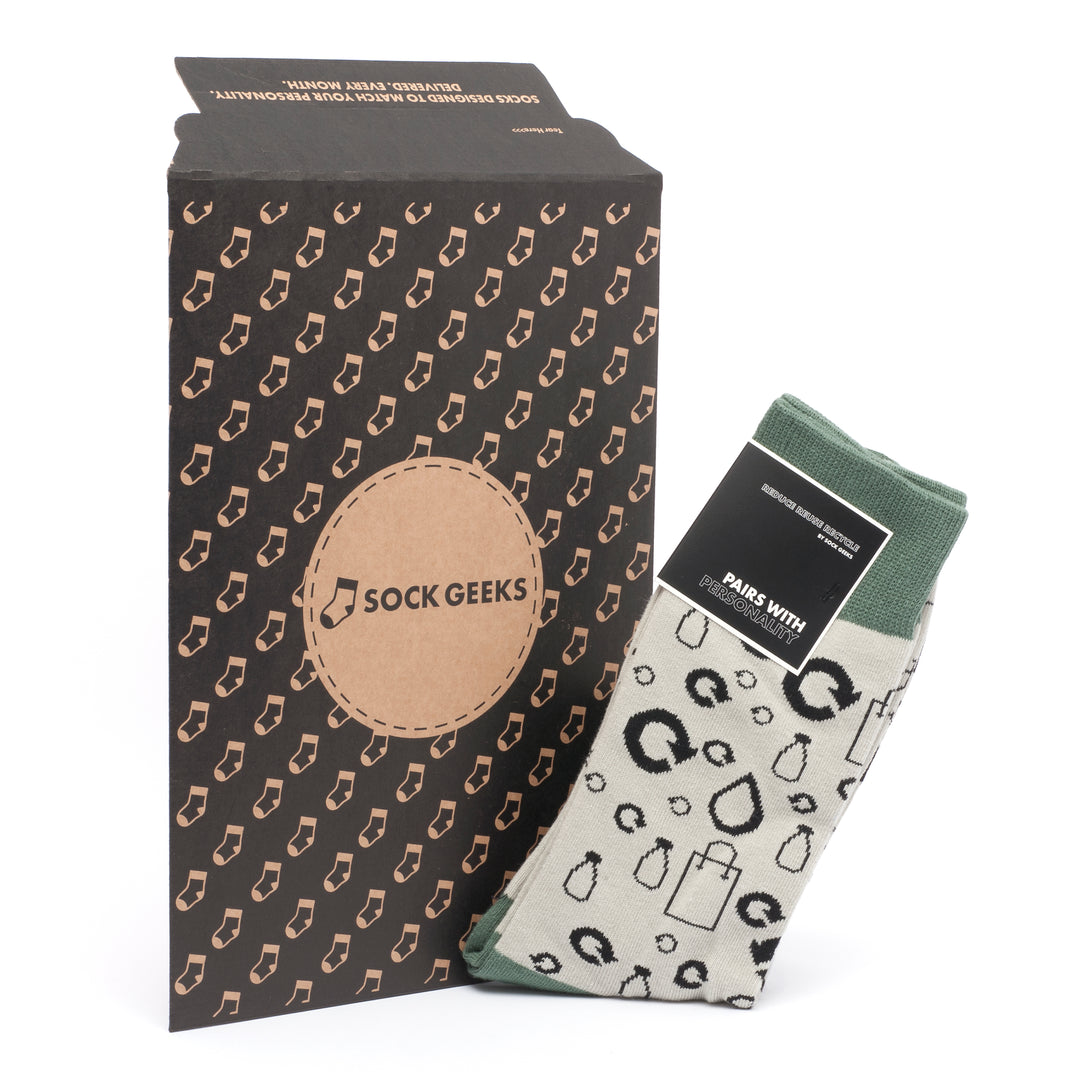
Sock Geeks curates dress sock options with full fibre transparency, so you always know whether you are buying a 70% merino blend or a bamboo viscose construction with proper nylon reinforcement. The Sock Geeks subscription service matches you to fabrics based on your preferences, with options spanning merino wool, bamboo viscose, and premium cotton blends. For gifting, the curated gift boxes include socks selected for both quality and occasion, with designs not available in standard retail. Sock Geeks holds a 4.72 customer rating, built on consistent fabric quality and attention to construction detail.
FAQ
What is the best fabric for dress socks?
Merino wool is the best all-round fabric for dress socks. It regulates temperature, wicks moisture, and resists odour, making it suitable for most professional environments across all seasons.
Are 100% cotton dress socks worth buying?
Pure cotton dress socks lack elasticity and dry slowly after moisture absorption. Long-staple cotton blended with 15–25% nylon and 1–3% elastane performs significantly better than 100% cotton alone.
What does long-staple cotton mean in dress socks?
Long-staple cotton refers to fibres longer than 32mm, such as Egyptian cotton, Pima, or Fil d’Écosse. These fibres produce stronger, smoother socks with better colour retention than standard cotton.
When should I wear cashmere or silk dress socks?
Cashmere and silk dress socks are best reserved for formal events such as black-tie dinners or weddings. Both fabrics are delicate, require careful washing, and wear out faster under prolonged daily use.
How much nylon should a quality dress sock contain?
A quality dress sock should contain 15–25% nylon and 1–3% elastane alongside at least 70% natural fibre. This blend provides the durability and fit retention that pure natural fibres cannot sustain alone.
Recommended
- Weight Yarn | Socks Merino Wool | Nylon Blend | Cotton Yarn | Bamboo Yarn – Sock Geeks
- Build a professional sock wardrobe: the complete guide – Sock Geeks
- How to spot high quality sock designs: a buyer’s guide – Sock Geeks
- Importance of Choosing Right Socks | Foot Health | Comfort and Performance – Sock Geeks





Leave a comment