





Sock Gift Subscription Sizing Guide

Introduction
If you’re buying a sock gift subscription and you want the “correct” size, use shoe size first, then sanity-check it with three quick measurements (foot length, calf circumference, arch height) and the intended sock style, because fibres stretch, knit structures behave differently, and washing can quietly change the fit over a few months. That’s the whole game.
Most subscriptions make sizing look like a polite little Small, Medium, Large situation. It usually is. Still, if you’ve ever had a sock that slides into the shoe, bunches at the toe seam, or clamps your leg until you’re thinking about circulation instead of your day comfort, you already know why a sizing guide matters.
And since it’s a gift, you’re not just chasing “wearable”. You’re chasing consistent fit, month after month, across different patterns, stitches, and blends.
Choose the right size in two minutes

I’m going to give you the shortcut first, because nobody wants homework when they’re trying to send a nice present.
Pick the size like this:
- Start with shoe size and match it to the brand’s size chart (their chart, not a generic one).
- If the recipient is at the top end of a range, look at calf circumference and arch height and consider sizing up.
- Confirm sock style, because no-show socks and compression behave like moody little divas compared to crew and dress socks.
That’s the tldr. Now we’ll make it reliable.
Start with shoe size
Shoe size is the best “gift proxy” because it’s the number most people actually know. Community advice tends to land on “socks are forgiving, but conversions matter”, and the forgiveness comes from stretch recovery, not magic. A Medium that fits a UK 7 can still bully a UK 9 if the knit is dense, the heel pocket is shallow, or the elastic is doing overtime.
If you can only get one piece of info, get the shoe size in UK sizing if possible. For global gifting, you’ll be converting, and conversions are where people get cocky and mess it up. A proper converter like the one on shoesizes.com saves you from guessing.
If you can’t get the exact number, the “safe middle” logic you’ll see echoed in forum threads like this Reddit sizing discussion is basically: pick the middle range (often Small or Medium) because knit stretch covers sins. I agree, with one caveat: don’t do that for tight athletic socks, no-shows, or anything claiming compression.
Use key measurements
Shoe size gets you into the right postcode. Measurements get you the right door.
Foot length matters because it predicts toe placement and whether the actual heel sits in the heel pocket, which is the difference between “premium dress socks” and “why is there fabric under my arch?”. Calf circumference tells you whether the cuff will pinch or slide. Arch height (and midfoot volume) tells you how much tension the sock will hold across the top of the foot, especially in performance knits.
If you’re choosing between two sizes and you’ve got measurements, use them. If you’ve got no measurements, don’t pretend you do.
Confirm sock style
This is the bit people skip, then they wonder why “one size fits most” didn’t.
Crew and dress socks are the most forgiving. Trainer and no-show socks are the least forgiving because heel grip and opening tension decide whether they stay on. Over-the-calf styles add a whole extra variable: leg length and calf socks pressure.
So before you pick a size, you quietly decide what the recipient actually wears. Office dress socks? Gym? Boots? It’s a gift subscription, not a personality test, but it’s close.
Use UK, EU, US size conversions
Generic conversions are a starting line, not the finish. Brands grade their lasts differently, sock knitting machines have different cylinders, and “Medium” can mean “average adult” or “narrow performance fit”. If you want a reality check, a broad comparison like this Sockologie size chart breakdown is useful, mainly because it shows how wide the ranges can be.
Still, you need something concrete. Here’s a practical conversion table that matches what most subscription services use for sized socks.
Men’s conversions
Women’s conversions
|
Letter size (typical) |
UK shoe |
EU |
US Men |
US Women |
|
S |
4 to 6.5 |
37 to 40 |
5 to 7.5 |
6.5 to 9 |
|
M |
7 to 9 |
41 to 43 |
8 to 10 |
9.5 to 11.5 |
|
L |
9.5 to 12 |
44 to 46 |
10.5 to 13 |
12 to 14 |
|
XL (where offered) |
12.5+ |
47+ |
13.5+ |
14.5+ |
If you’re shopping for larger men’s sizes, check the brand’s upper limit, because “Large” sometimes stops early. A reference like L.L.Bean’s notes on men’s large and XL sock standards is helpful for spotting the gap.
Kids’ conversions
Kids sizing is chaos because growth is chaos. You’re mainly trying to avoid “too tight” because tight ruins the morning and then the socks get “lost” forever.
|
Kids size (typical) |
UK shoe |
EU |
US (kids) |
Approx foot length |
|
Toddler |
5 to 8 |
22 to 26 |
6C to 9C |
13.5 to 16.5 cm (5.3 to 6.5 inch) |
|
Little kid |
9 to 12 |
27 to 30 |
10C to 13C |
17 to 19 cm (6.7 to 7.5 inch) |
|
Big kid |
13 to 2 |
31 to 34 |
1Y to 3Y |
19.5 to 21.5 cm (7.7 to 8.5 inch) |
|
Youth |
3 to 5 |
35 to 38 |
4Y to 6Y |
22 to 24 cm (8.7 to 9.4 inch) |
Those foot length numbers are why measuring wins. A visual measuring walk-through like REI’s foot measurement guide is the clearest “do this at home” explanation I’ve seen.
Measure feet, calves, and arches at home

You don’t need a lab. You need a ruler, a bit of string, and two minutes when the recipient isn’t sprinting out the door.
Foot length
Measure foot length at the end of the day wear window, when feet are slightly larger. Stand on paper, mark heel and longest toe, measure in centimetres. If one foot is longer, use that. Always.
If they wear orthotics or have a wide toe box preference, treat that as a sizing nudge up for snug athletic socks, because the sock will be under more tension inside the shoe.
Calf circumference
Calf circumference is the hidden villain in gift sizing. Measure the widest part of the calf with a soft tape, or string plus ruler, relaxed stance. Write it down. For anyone who lifts, runs, or just has proper calves, this number matters more than people like to admit.
If calf circumference is higher than average and you’re gifting over-the-calf or tight ribbed calf dress socks, size up or pick a fibre with excellent stretch recovery.
Arch height
Arch height is awkward to “measure”, so think of it as midfoot volume. High arches often mean a higher instep, which can make the top of the sock feel tight and drag the heel forward. If the recipient regularly complains socks feel “pulling” across the top of the foot, that’s your clue.
Some performance brands talk about this openly, and Swiftwick’s explanation of athletic sock fit and blister prevention gets the point across: snug is good, strangled is bad.
Match fit to sock style and height
Socks are engineered objects, not just fabric tubes, and the intended use changes everything.
Crew and dress
Crew and dress socks are the easiest subscription category because the average sock leg length and rib construction tend to accommodate a wide range of calf and leg shapes. For dress socks, what you’re watching is toe seam placement and how the sock sits in the shoe without bunching.
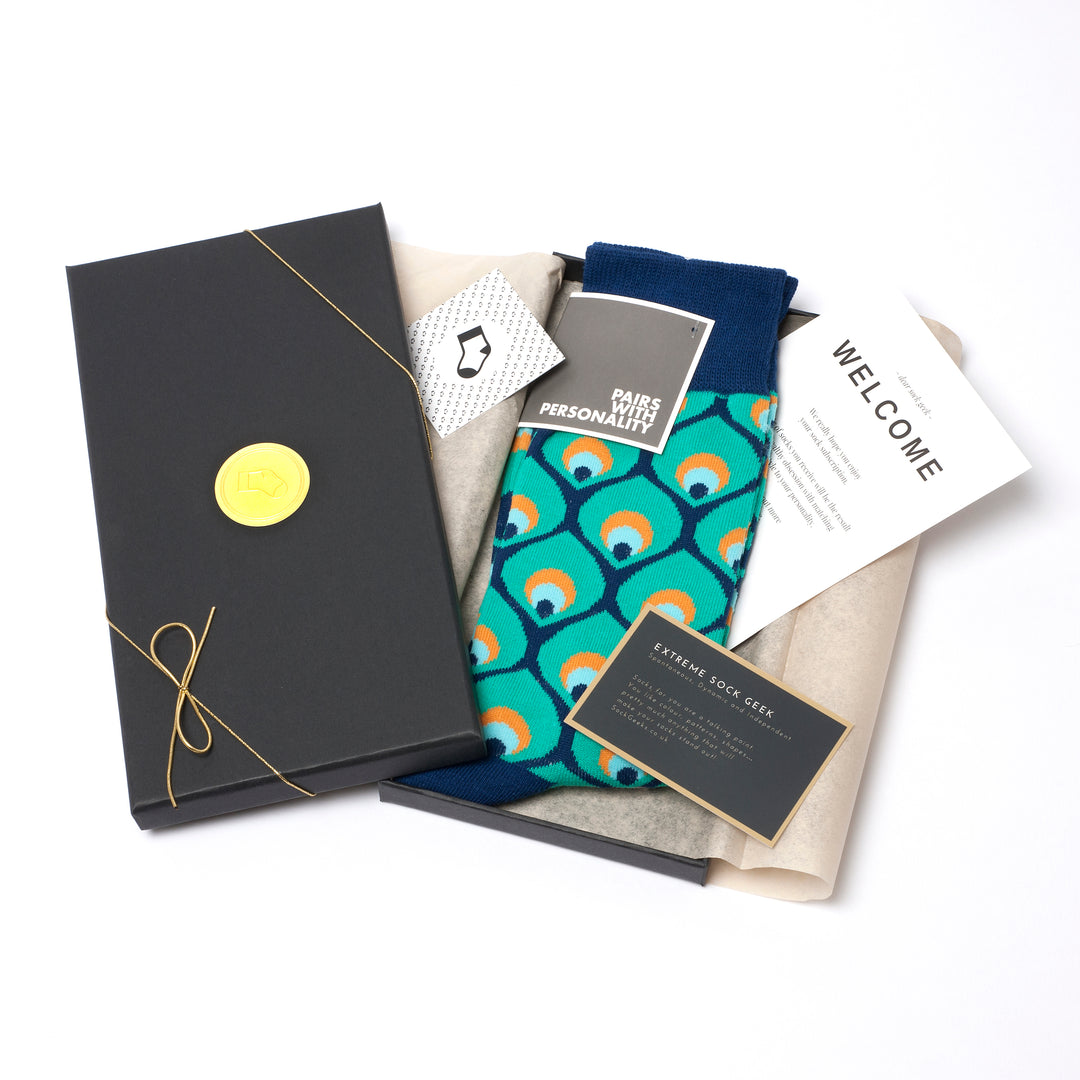
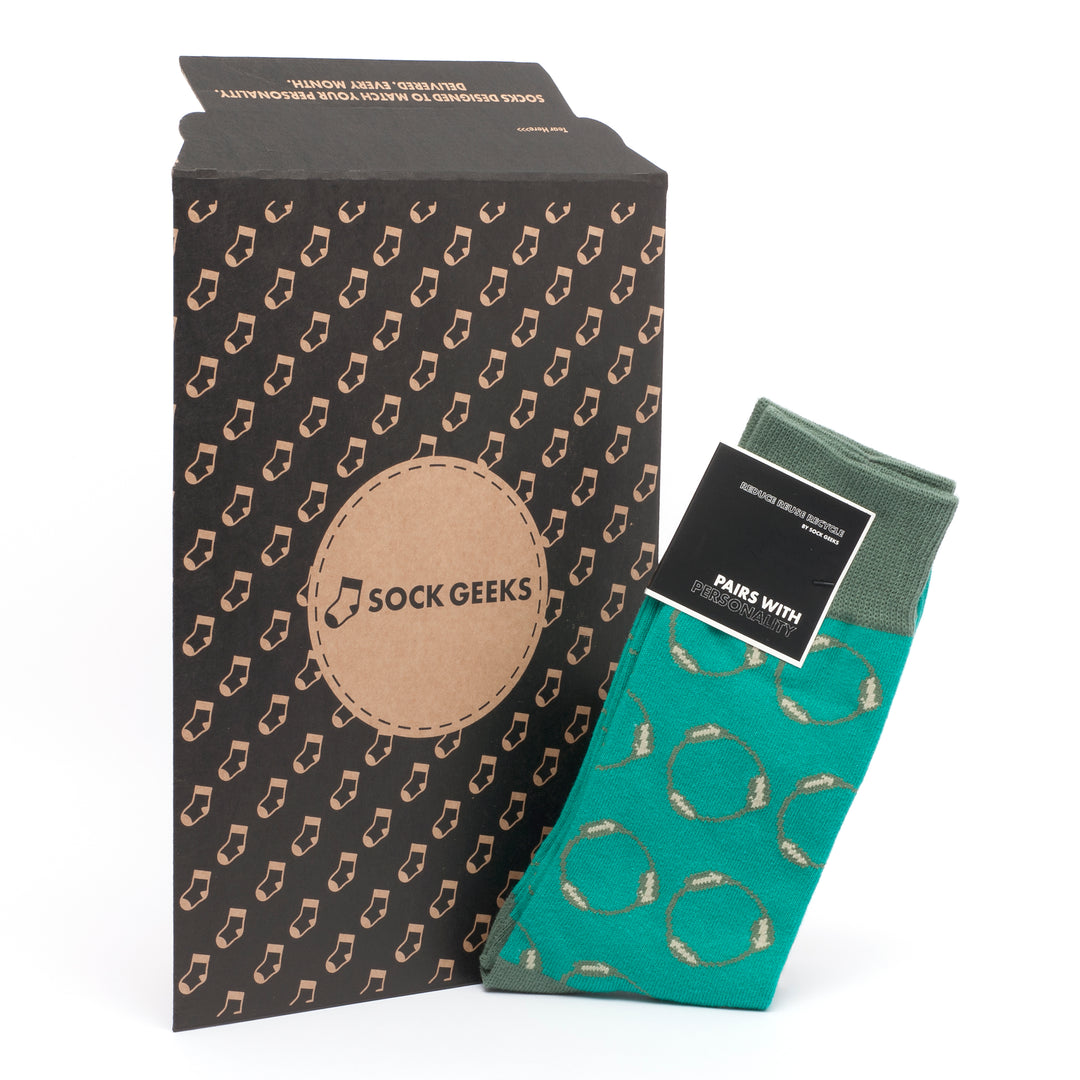
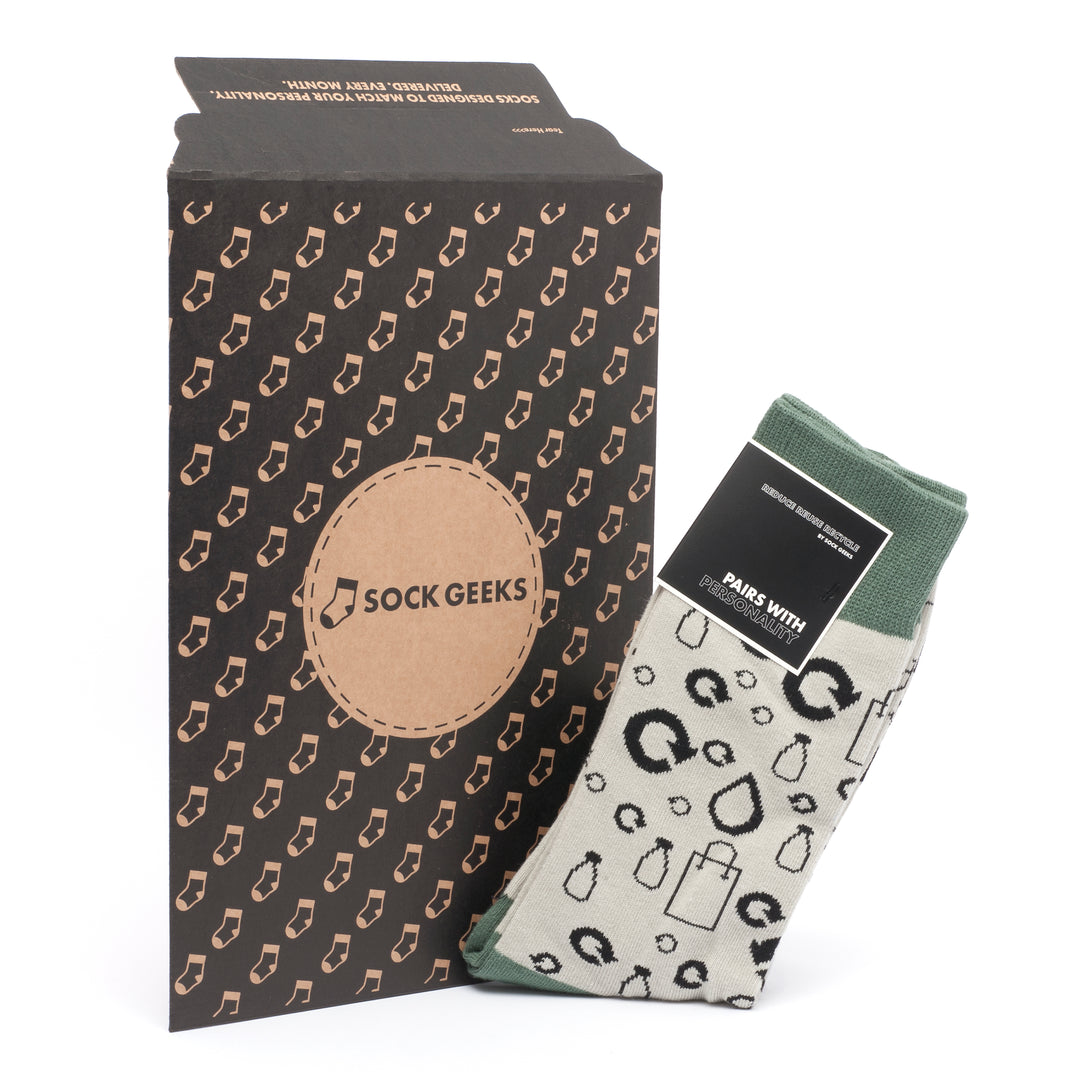
If you’re gifting someone who wears suits often, a subscription with properly finished toes and stable cuffs matters more than novelty patterns. That’s where a brand like Sock Geeks quietly shines, because the UK-made construction and personality-matched approach makes the gift feel less like you panic-bought “men’s socks” and more like you paid attention.
Trainer and no-show
Trainer and no-show socks punish sloppy sizing. The heel grip has to be right, the opening has to sit cleanly, and the sock circumference around the midfoot can’t be too loose or it migrates.
Bombas has a surprisingly technical note on why no-show sock sizing is rarely true one-size. That matches what I’ve seen: if you’re between sizes, size down for no-show unless the recipient hates pressure across the top of the foot.
Over-the-calf
Over-the-calf socks are where calf circumference and leg length stop being “nice to know” and become the whole story. If the cuff is too tight, it leaves a ridge. If it’s too loose, it slumps. If the leg is too short, it sits mid-calf and defeats the point.
If you’re gifting these, pick the larger option when in doubt, unless the recipient has very slim calves and hates excess fabric.
Let fibre and knit predict stretch
People talk about material like it’s vibes. It’s physics, plus skin sensitivity.
Cotton blends
Cotton feels familiar, absorbs moisture, and in a blend fabric with a bit of elastane it behaves well. The downside is cotton can hold sweat, and heavy blends can feel clammy in heat. For sizing, cotton blends are steady but not wildly forgiving unless the knit is looser.
If someone sits at a desk all day and wears dress shoes, cotton blend socks in the correct shoe range are normally a safe subscription bet.
Merino wool
Merino wool is the best “gift fibre” because it regulates temperature, resists odour, and stays comfortable across climates. Sizing can feel slightly snugger in dense merino knits, especially if the brand leans into durability.
Washing matters more here. If you want the sober version of the truth, read about merino shrinkage factors, because a hot wash and tumble dry can absolutely shift the fit over time, even when the sock claims it’s fine.
Synthetics and elastane
Nylon, polyester, and elastane make socks behave. They improve elasticity, keep the heel pocket in place, and help the sock snap back after washes. That’s why performance socks use them.
Smartwool’s notes on elasticity and sizing land on the key point: fibre blends change how a sock stretches at the extreme ends of a size range. If someone is at the top end of Large, a high-synthetic performance sock might feel tighter than a casual cotton crew in the same letter size.
Account for compression and circulation
Compression is not just “tight socks”. It’s a specific pressure profile, and if you guess the size, you can get it wrong in a way that feels genuinely unpleasant.
Light support
Light support socks (sometimes marketed as “comfort compression”) are usually forgiving. They might squeeze the arch and ankle a bit, help with swelling on travel days, that sort of thing.
If the recipient has sensitive skin, diabetes, or circulation concerns, don’t freestyle this. Choose non-binding cuffs and stay conservative.
Graduated compression
Graduated compression is medical-adjacent. It’s sized by shoe size plus calf circumference, and pressure is measured in mmHg. The sizing basics on compression-socks.com explain why both measurements matter, and they’re right: shoe size alone is not enough.
When to size up
Size up for compression if calf circumference is near the top of the chart, if they have muscular calves, or if they complain about sock marks. Size down only if the sock is sliding and you’re sure the calf measurement supports it.
Factor washing, drying, and shrinkage

Subscriptions are sneaky because the first pair might fit, then the recipient treats them like every other sock and suddenly month three feels different.
Hot washing and tumble drying are the usual culprits. Cotton can shrink a bit and then relax. Wool can felt and stay smaller. Elastane can degrade over time with heat, which changes stretch and makes cuffs lose their grip.
If you know the recipient is a “everything goes on hot” person, you size slightly up for natural fibre socks, or you pick blends that tolerate rough handling better. It’s not romantic, it’s reality.
Avoid common gift sizing mistakes
The mistakes are boring, which is why people keep making them.
- Picking letter size without checking the brand’s size chart, then acting shocked when Medium isn’t universal.
- Assuming one-size-fits-most applies to no-show socks or tight athletic knits.
- Ignoring calf circumference for over-the-calf, ribbed dress socks, or anything with compression.
- Forgetting the washing habits, then blaming “bad quality” when it’s shrinkage.
If you’re buying in the UK or EU and you’re worried about returns, it’s worth knowing the basics of consumer rights around returns for gifts, because policies differ when something is personalised.
Troubleshoot fit after the first pair
The first delivery is your diagnostic pair. Use it.
If the toe feels cramped or the toe seam sits on top of the toes, that’s usually a foot length issue, size up. If the heel pocket is floating behind the heel, size down or switch to a style with a deeper heel.
If there’s bunching under the arch, the sock is too long or the arch tension is wrong for their foot shape. If the cuff leaves deep marks, either size up, choose a looser rib, or avoid compression. If the sock slides down all day, size down or pick a fibre blend with better elasticity.
The good subscription services expect this. Some even build the flow so the recipient can choose sizing on redemption, the way gift setups like this subscription activation approach handle it.
And if you want the adult version of “solve it once and stop thinking about it”, this is where Sock Geeks being boutique and human about gifting actually helps, because size exchanges and fit questions are part of the job, not an inconvenience.
FAQ
What if I only know their US size and I’m gifting in the UK? Convert it, then cross-check with the brand chart. Use a converter you trust, then sanity-check with foot length if you can.
Should I size up for winter socks? Often, yes, if they’re thicker knits meant for boots. Warmth usually comes with bulk, and bulk eats space inside shoes.
Are socks “highly forgiving” so sizing doesn’t matter? Forgiving means stretch hides small errors. It doesn’t mean you can ignore shoe size conversions or calf measurements and expect a perfect fit.
What if I’m between sizes? Size down for no-show and performance socks where slippage causes blisters, size up for dress socks if calf circumference is high or if shrinkage risk is high.
How do I handle replacements if the first month is wrong? Check the subscription’s exchange policy, keep packaging, and treat the first pair as a fit test. Transparent FAQ pages like Sock Club’s returns and sizing guidance are the model to look for.
Conclusion
Sock gift subscription sizing is simple when you stop treating “Medium” like a law of nature. Use shoe size to get close, use foot length, calf circumference, and arch height to get it right, then let style, fibre, and washing habits tell you whether to nudge up or down. Do that, and your gift stops being a gamble and starts being one of those oddly satisfying little luxuries people actually keep wearing.



Leave a comment