



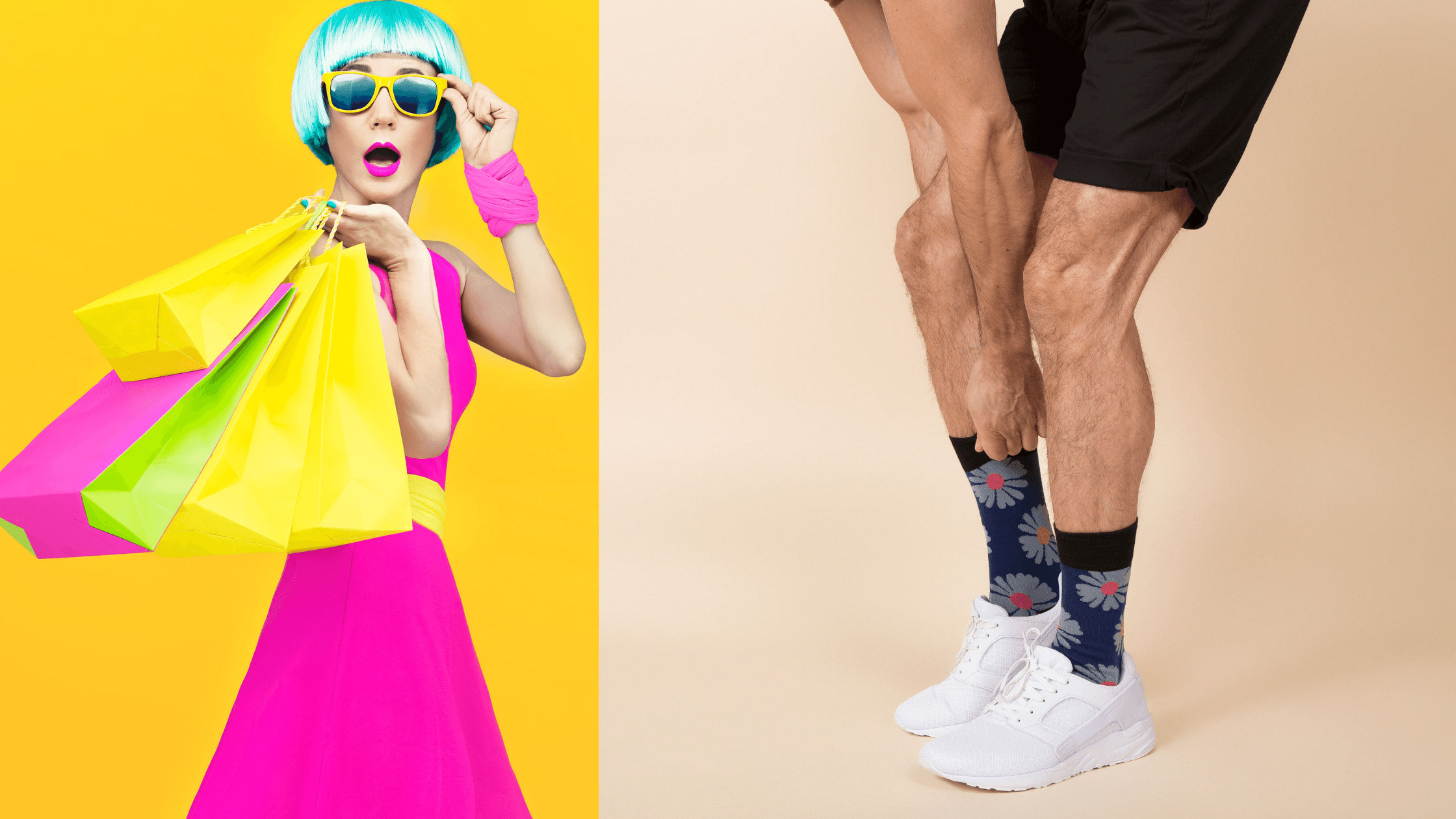


Moisture-wicking socks are defined as socks engineered to pull sweat away from the skin and drive it towards the sock’s outer surface, where it evaporates. The best moisture wicking sock types for men use merino wool, nylon, or polyester rather than cotton, because cotton traps moisture next to the skin, raising friction, blister risk, and fungal infection risk. Surgical podiatrist Dr Nelya Lobkova advises men to switch from cotton to synthetic or wool-based socks to maintain foot health. Getting this material choice right matters most in warmer climates, where sweat production is higher and evaporation is the only mechanism keeping your feet dry.
1. What is moisture-wicking sock technology?
Moisture-wicking is a two-stage process: sweat is first transported from the skin to the sock’s outer surface via capillary action, then evaporated into the surrounding air. Both stages must work together. If either fails, your feet stay wet.
The first stage relies on hydrophobic fibres with microscopic channels in the yarn. These channels pull moisture outward rather than absorbing it. Polyester and nylon are the most common fibres built this way. Merino wool uses a different mechanism: its natural fibre structure absorbs a small amount of moisture vapour without feeling wet, then releases it gradually.
The second stage, evaporation, depends heavily on your footwear. Moisture-wicking efficacy depends on footwear breathability to allow evaporation. A high-performance sock inside a non-breathable shoe will still leave your feet damp. This is the most overlooked factor when men choose socks for warm-weather activity.
- Hydrophobic fibres push moisture outward rather than holding it.
- Capillary channels in the yarn structure accelerate transport to the surface.
- Breathable footwear completes the system by enabling evaporation.
- Cotton fails because it absorbs moisture and holds it against the skin.
Pro Tip: Pair any moisture-wicking sock with a mesh-upper trainer or a leather shoe with perforations. The sock does the transport; the shoe completes the evaporation.
2. Key moisture-wicking sock types for men based on materials
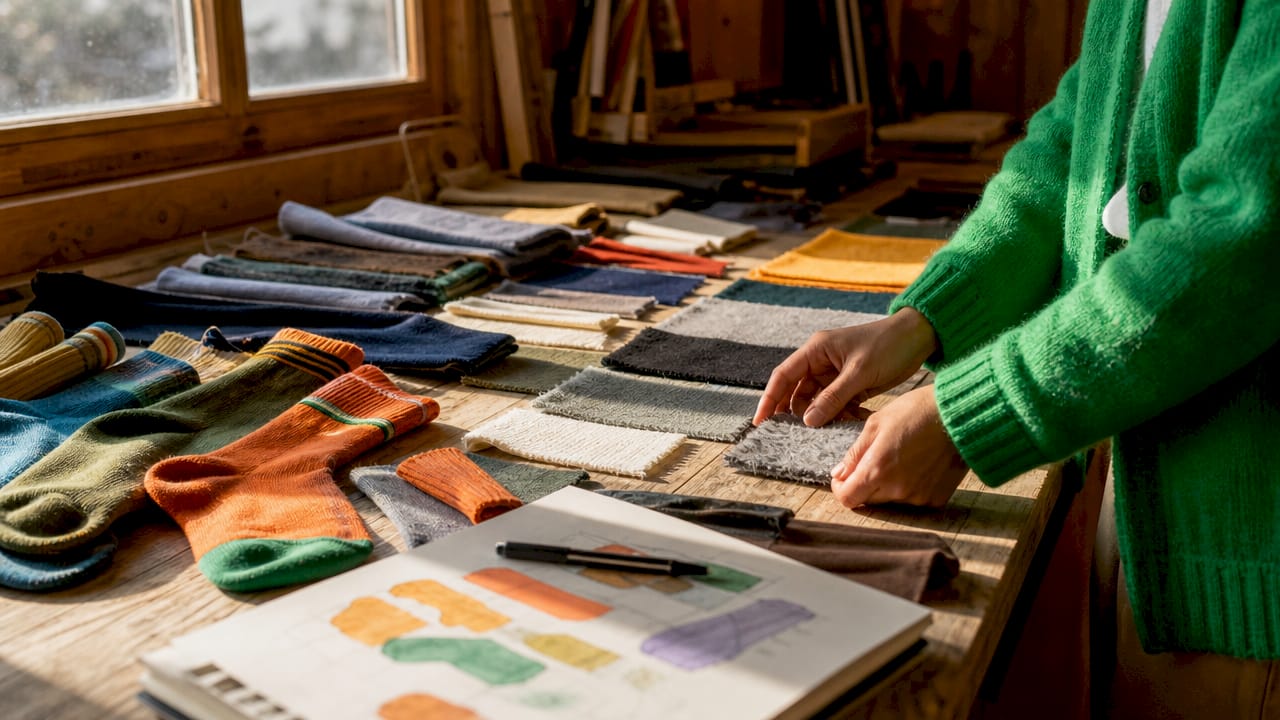
Material is the single biggest variable in men’s athletic sock types. Each fibre behaves differently under sweat load, heat, and repeated washing.
Merino wool
Merino wool is naturally odour-resistant, regulates temperature well, and efficiently wicks moisture in both heat and cold. That temperature regulation makes it the best choice for men who move between air-conditioned offices and warm outdoor environments. Merino is softer than standard wool and does not itch, which matters for all-day wear. The trade-off is cost: merino socks sit at the premium end of the market, and they dry more slowly than synthetics.
Synthetic blends: polyester and nylon
Polyester and nylon blends dry faster than any natural fibre. Professional-grade moisture-wicking socks in hot environments use blends like 70% nylon with spandex for elasticity, or 47% acrylic and 51% polyester engineered for rapid evaporation. These ratios are not arbitrary. Higher nylon content improves durability and shape retention; higher polyester content accelerates drying. For running, cycling, or physical work in warm conditions, a nylon-dominant blend is the most practical choice.
Bamboo blends
Bamboo-blend socks offer soft moisture-wicking properties and natural antibacterial effects, making them a comfortable option for daily wear. They sit between merino and synthetics in terms of drying speed. Bamboo is a good pick for men who want a softer feel than polyester but do not need the full temperature regulation of merino.
Hybrid yarns
Hybrid yarns combine synthetic and natural fibres in a single thread. A common construction pairs a merino outer layer with a nylon inner core. The nylon core adds durability and shape; the merino outer layer handles odour and temperature. These socks cost more but last longer than pure merino and feel better than pure synthetic.
- Merino wool: best for temperature regulation and odour control; slower to dry.
- Nylon/polyester blends: fastest drying; best for high-intensity sport and warm climates.
- Bamboo blends: soft, antibacterial, and good for daily wear.
- Hybrid yarns: combine durability and comfort; higher cost, longer lifespan.
3. Design features that enhance moisture-wicking and comfort
Material is necessary but not sufficient. Sock construction determines how well the fibre properties translate into real-world comfort. High-quality socks feature seamless toes, reinforced heel and toe areas, arch compression, and targeted cushioning to improve fit, durability, and moisture management.
1. Seamless toe construction
A seam across the toe creates a pressure point. Under sustained activity, that pressure point generates friction, which generates heat, which generates blisters. Seamless toe construction removes this risk entirely. For men running long distances or standing through long work shifts, this is a non-negotiable feature.
2. Mesh ventilation zones
Mesh panels woven into the top of the foot and across the arch create direct airflow channels. Lightweight mesh construction is key for breathability in hot environments. These zones accelerate the evaporation stage of moisture-wicking by reducing the distance moisture must travel to reach open air.
3. Arch compression
A lightly compressive band around the arch keeps the sock in place during movement. A sock that bunches or slips creates friction points. Arch compression also improves proprioception, the sense of foot position, which matters for trail running and court sports.
4. Cushioning thickness
Thicker cushioning absorbs impact but traps more heat. Thin cushioning runs cooler but offers less protection on hard surfaces. For warm climates, a light cushion or no cushion is the right call. For hiking or construction work, a medium cushion balances protection and breathability.
5. Reinforced heel and toe
Reinforced zones extend sock life significantly. They also reduce the micro-movement of fabric under load, which reduces friction. For men who wear the same pair of performance socks several times a week, reinforcement is what separates a sock that lasts six months from one that lasts two years.
Pro Tip: When checking sock quality, turn the sock inside out and look at the toe seam. A flat, barely visible seam indicates quality construction. A raised ridge means friction waiting to happen.
4. How to select the best moisture-wicking socks for your activity
Choosing the right sock means matching material and construction to the specific demands of your activity, environment, and footwear. For guidance on picking socks for long work days, the priorities shift compared to sport.
- Running and cycling: Choose a thin or medium-cushion nylon-polyester blend with mesh ventilation and a seamless toe. Prioritise fast drying over softness.
- Gym and court sports: A mid-weight synthetic blend with arch compression and reinforced heel works best. The lateral movement in court sports demands a sock that stays put.
- Warm-climate daily wear: A bamboo blend or lightweight merino works well. Both manage moisture without the clinical feel of pure synthetic.
- Physical work and long shifts: Lightweight mesh socks designed for hot jobsites use nylon-based yarns combined with cushioning and ribbed cuffs for comfort, moisture control, and fit. Ribbed cuffs prevent the sock from sliding into the boot.
- Travel: A merino or merino-nylon hybrid handles the widest range of temperatures and can be worn for longer between washes without odour build-up.
| Activity | Best material | Key feature |
|---|---|---|
| Running | Nylon/polyester blend | Seamless toe, mesh ventilation |
| Gym/court sports | Synthetic blend | Arch compression, reinforced heel |
| Daily wear (warm climate) | Bamboo or lightweight merino | Soft feel, antibacterial |
| Physical work/long shifts | Nylon mesh blend | Ribbed cuff, light cushion |
| Travel | Merino or merino-nylon hybrid | Odour resistance, temperature regulation |
Maintenance also affects performance. Fabric softener coats synthetic fibres and blocks the capillary channels that enable moisture transport. Wash performance socks in cool water without softener, and air-dry them rather than tumble-drying to preserve fibre structure.
5. Common pitfalls and overlooked options
Most men mistakenly use 100% cotton socks, which absorb and trap sweat, increasing blister risk during intense activity or long shifts. Cotton feels comfortable at rest, which is why the mistake persists. The problem only becomes obvious after an hour of sustained movement.
A second common error is confusing breathability with moisture-wicking. A thin cotton sock feels airy but still traps sweat. A thick merino sock feels warm but actively moves moisture away from the skin. These are different mechanisms, and conflating them leads to poor choices.
- Avoid 100% cotton for any activity involving sustained movement or heat.
- Do not rely on sock technology alone. Non-breathable footwear cancels out even the best moisture-wicking sock.
- Lightweight mesh socks are underused in warm weather. Men often reach for thicker socks out of habit, when a thin mesh construction would keep feet far drier.
- Bamboo blends are frequently overlooked as a daily-wear option. They offer genuine moisture management without the synthetic feel that some men dislike.
- Fabric softener is the silent killer of moisture-wicking performance. One wash with softener can permanently reduce a sock’s wicking ability.
For men building a professional sock wardrobe, having separate pairs for sport, work, and casual wear is the most practical approach. Rotating socks extends their life and ensures the right construction is always matched to the right activity.
Key takeaways
The most effective moisture-wicking socks for men combine the right fibre blend with purpose-built construction features, matched to the specific activity and footwear.
| Point | Details |
|---|---|
| Material determines performance | Merino, nylon, and polyester outperform cotton for sweat transport and blister prevention. |
| Two-stage wicking process | Sweat must be transported to the sock surface and then evaporated; both stages matter. |
| Footwear completes the system | Breathable shoes are required for evaporation; socks alone cannot keep feet dry in sealed footwear. |
| Construction features count | Seamless toes, mesh zones, and arch compression improve comfort and moisture management beyond material alone. |
| Match sock to activity | Running, work, and daily wear each demand different material weights, cushioning levels, and construction details. |
Why I think most men are still getting this wrong
The sock market has improved enormously over the past decade. The materials are better, the construction is more precise, and the range of options is wider than ever. Yet most men I speak to are still wearing cotton socks for everything, from morning runs to twelve-hour work shifts.
The problem is not awareness. Most men know that moisture-wicking socks exist. The problem is that cotton feels fine at the start of the day, so the cost of the wrong choice only becomes apparent hours later, when blisters form or feet feel waterlogged. By then, the connection between the sock choice and the discomfort is not always made.
My honest advice: buy three or four pairs of a nylon-dominant blend for sport and physical work, and two or three pairs of merino or bamboo for daily wear. Do not use fabric softener on any of them. That single change, dropping cotton and dropping softener, will make a more noticeable difference to foot comfort than any other adjustment you can make.
The other thing I would push back on is the idea that thin socks are always better in hot weather. A well-constructed medium-cushion sock with mesh ventilation will outperform a thin cotton sock in summer every time. Thickness is not the enemy. Trapped moisture is. Understanding that distinction is what separates a good sock choice from a great one.
— Amanda
Sock Geeks has the moisture-wicking options worth knowing about
Sock Geeks curates premium men’s socks with a focus on quality materials, ethical sourcing, and designs that actually perform. Whether you need a nylon-dominant blend for sport, a merino option for travel, or a bamboo-blend pair for daily comfort, the range covers each use case with care.

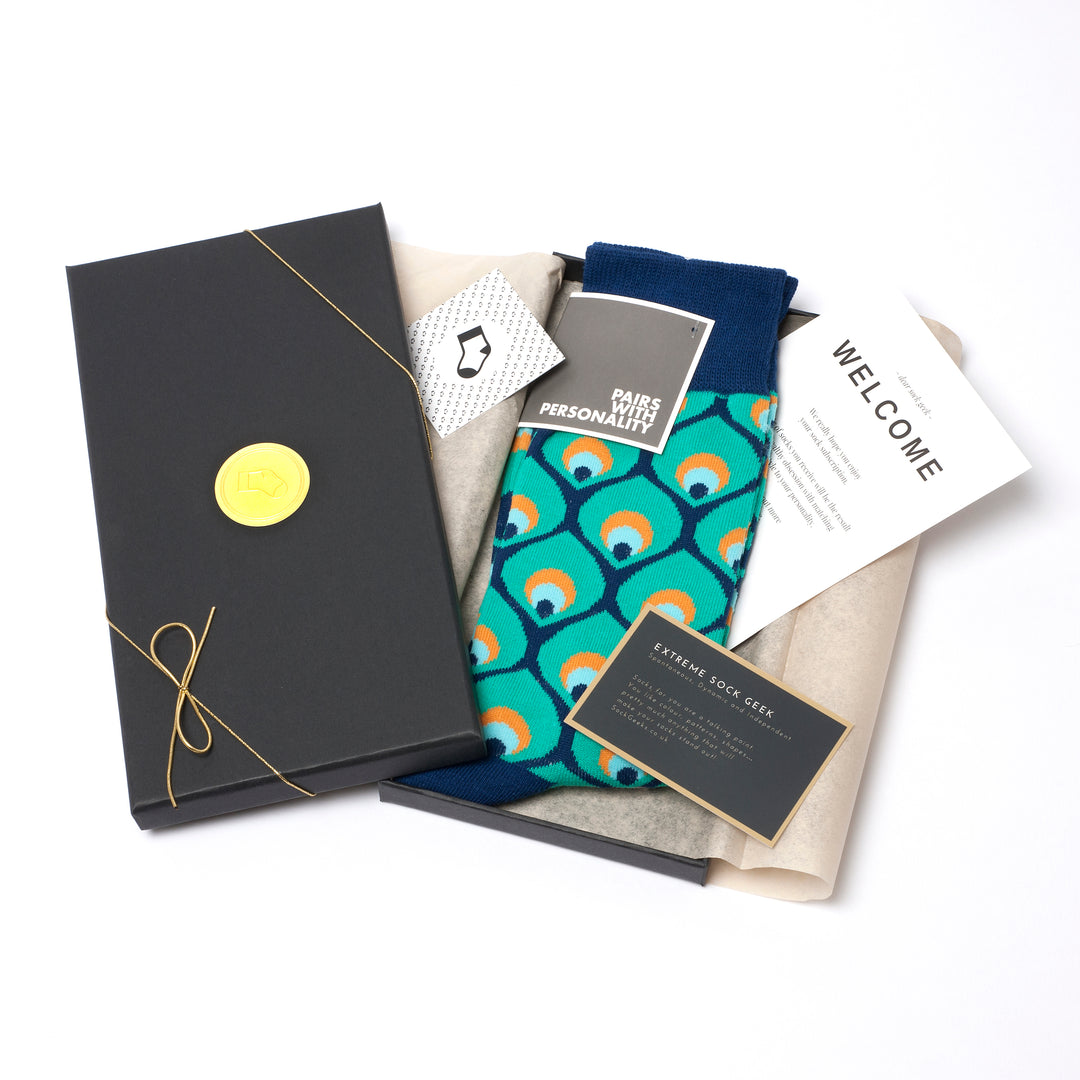
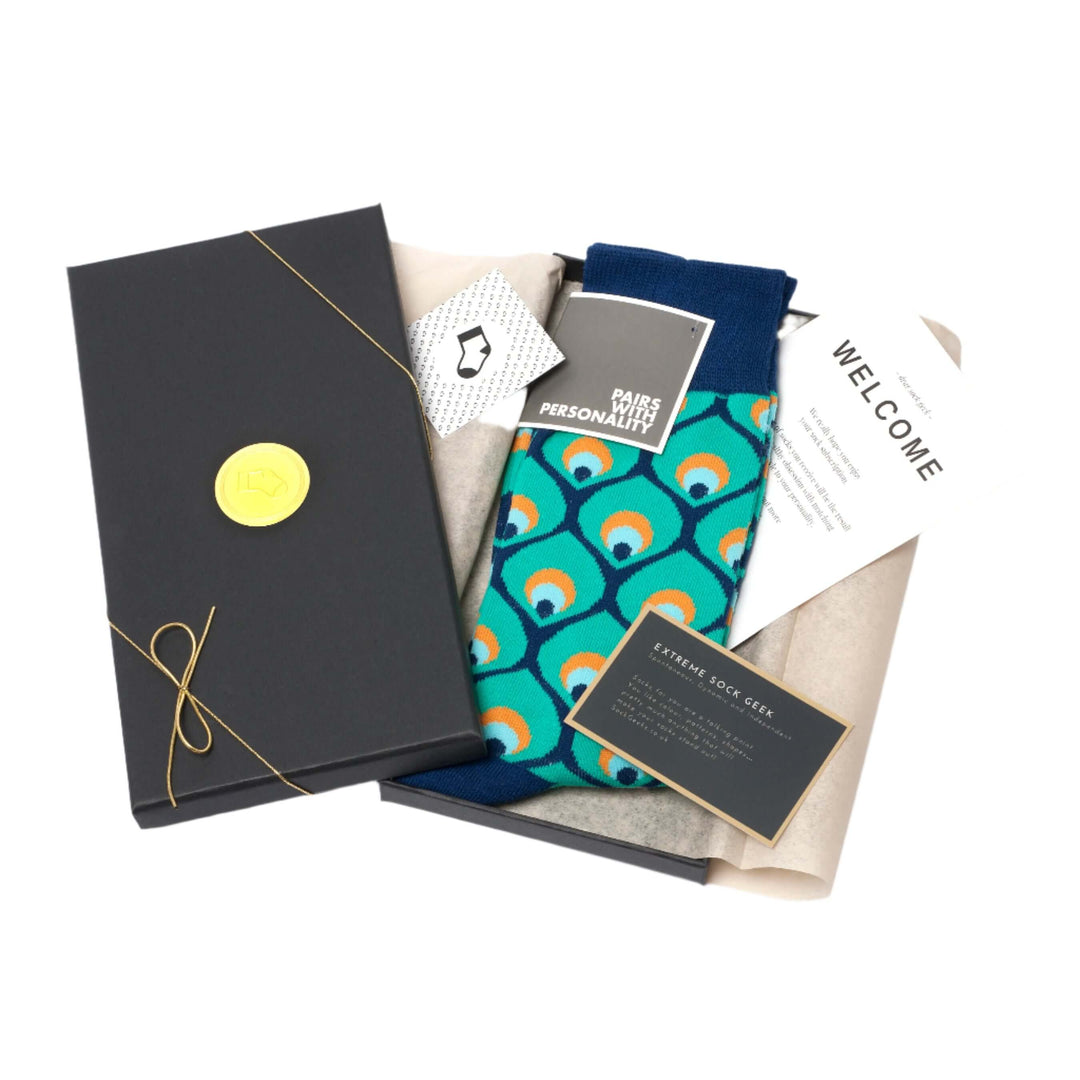
The Sock Geeks subscription matches you to sock styles through a personality quiz, so every delivery reflects your preferences and activity level. With a 4.72 customer rating and original designs not available in stores, it is a practical way to build a sock collection that works as hard as you do. Gift boxes are also available for every occasion, making it straightforward to share quality socks with someone who would genuinely use them.
FAQ
What are the best materials for moisture-wicking socks for men?
Merino wool, nylon, and polyester are the top performers. These materials outperform cotton by transporting sweat away from the skin and allowing it to evaporate.
How does moisture-wicking technology actually work?
Moisture-wicking works in two stages: capillary action pulls sweat from the skin to the sock’s outer surface, then evaporation removes it into the air.
Can moisture-wicking socks work inside non-breathable shoes?
No. Footwear breathability is required for evaporation to occur. Without it, moisture accumulates inside the shoe regardless of sock quality.
Are bamboo socks good for sweaty feet?
Yes. Bamboo-blend socks offer moisture-wicking properties and natural antibacterial effects, making them a practical choice for daily wear in warm conditions.
How do I preserve the moisture-wicking performance of my socks?
Wash in cool water without fabric softener and air-dry rather than tumble-dry. Fabric softener coats synthetic fibres and blocks the capillary channels that enable moisture transport.





Leave a comment