





Are Cashmere Socks Worth the Money?

Introduction
Cashmere socks are worth the money if you treat them like a comfort investment and buy the right construction for how you actually live; if you expect one delicate, 100% cashmere pair to survive daily commuting, rough trainers, and zero laundry discipline, you’re basically paying for disappointment in a very soft font.
Most people buy them chasing the perfect sock, that tiny private luxury that makes the rest of your outfit feel less like a compromise. Fair. The catch is that cashmere sits in a weird middle ground: it’s outrageously pleasing on skin, properly warm for its weight, and also annoyingly easy to destroy if you use it like a workhorse. So this is about sock choice with eyes open: what you gain, what you sacrifice, and how to stop turning “luxury” into “one-month sock”.
What are these luxury knit socks?

Cashmere fibre basics
Cashmere comes from the fine undercoat of Capra hircus goats, the soft stuff separated from coarser guard hairs during processing, which is part of why it costs what it costs, and why supply is touchy and seasonal. The fibre is famously fine, typically discussed in microns, and the general educational baseline sits around the mid-to-high teens (you can get lost in it if you like numbers) as laid out in the cashmere wool overview. Finer usually feels nicer. It also usually behaves like a diva.
If you’ve ever worn a cashmere sweater and thought, “I get it now”, the sensation is similar, just more intense because feet are dramatic. Also because shoes turn everything into friction.
A quick sourcing aside, because it matters more than people admit: grazing pressure and land management in regions like the Gobi Desert have real environmental consequences, which is why I side-eye mystery fibres and look for programs that at least attempt to measure harm, like the UNDP’s work on pastoral systems and land degradation in the region, and verification schemes such as The Good Cashmere Standard. Not perfect, but better than vibes.
Common knit types
Cashmere socks aren’t one thing. The knit decides half your sock satisfaction before you even step outside.
You’ll see fine-gauge dress-ish knits that slide into loafers, ribbed knits that hug the calf better, and chunkier, loopier interiors that feel like a warm drink. Some are basically slipper-adjacent “sailor knits”, some are sleek enough for dress shirts and ties without looking like you’ve given up.
If you’re buying for real use, I’d look for three boring features that aren’t sexy on a product page but save your pair:
- A denser knit that doesn’t look slightly see-through when you stretch it over your hand
- Reinforced heel and toe, ideally with a blend yarn in those zones
- A cuff that grips without strangling, because stretch and shape loss is the quiet killer
Typical price ranges
In the UK market, a single pair of cashmere socks commonly lands around £25 to £60, with ultra-luxe versions pushing higher, especially if the brand leans into heritage mills and small runs. Blends can come in cheaper, but “cheap cashmere” tends to be code for shorter fibres, more shedding, and the sort of pilling that makes your sock drawer look like it’s moulting.
How do they compare with wool and synthetics?

Warmth-to-weight
Cashmere’s superpower is warmth without bulk. The fibre traps air well, and the thermal conductivity data you’ll see quoted for cashmere is very low, the kind of number that explains why it insulates so effectively, as summarised in materials references like ScienceDirect’s materials data. You feel warm, but you’re not suddenly cramming bulky socks into shoes that were sized for thin cotton.
Merino wool is the practical sibling: still warm, still pleasant, often tougher, and usually better value for daily wear. Regular wool can be brilliant, but it varies wildly. Cashmere is more consistent in that “oh wow” hand-feel. That’s the hook.
Moisture and odour
Your feet are not delicate little ornaments. They sweat. Cashmere can manage moisture vapour well because it’s hygroscopic, with moisture regain figures often cited around 30%, which helps explain why your feet can feel warm without feeling swampy, as discussed in textile education like this moisture regain explainer. That said, “manages moisture” does not mean “never smells”. If you’re doing 12,000 steps and then shoving the same socks back into a closed shoe tomorrow, you’re asking for odour no matter the fibre.
Synthetics can wick fast but they can also hold stink like a grudge. Cotton feels easy, then stays damp, then chills. Soft merino wool is the most balanced everyday material if you want low drama.
Itch and skin feel
Cashmere is usually less itchy than many wools because the fibre is finer and often feels smoother against skin. If you have sensitive skin, eczema flares, or you just hate that prickly sensation, cashmere can be a relief. Fibre surface structure matters here, and microscopy comparisons of animal fibres show how scale structure influences feel and friction, which you can nerd out on via visual comparisons like Microscope Master’s fibre guides.
Still, “soft” does not automatically mean “durable”. That’s the trap.
What benefits matter most for your feet?
Softness and cushioning
The obvious benefit is softness, but what people are really paying for is low-level, all-day comfort that makes even boring clothes feel more intentional. Cashmere has this plush, quiet cushioning that changes how shoes feel, especially stiffer leather pairs that normally need “breaking in”. You stop thinking about your feet. That’s a luxury.
If you’re the type who maintains immaculate denim, rotates jackets, and actually bothers with a tailor, cashmere socks make sense in the same way. They’re not screaming for attention. They’re just… correct.
Thermoregulation in shoes
In enclosed shoes, temperature swings are the enemy. Too warm and you sweat, too damp and you chill, too much friction and you blister. Cashmere’s ability to buffer those swings is why it shines in loafers, boots, and smart trainers where you want warmth without that bulky-sock squeeze.
Comfort for sensitive skin
For people who can’t tolerate scratchier wool, cashmere can be the difference between “I can’t wait to get home” and “I forgot I was wearing socks”. That’s not a small thing. It can make business travel, long meetings, and dress shoes less punishing.
What drawbacks make them poor daily drivers?
Abrasion and holes
Abrasion is the big one. Cashmere fibres are fine and can break under repeated rubbing, especially at heel and toe. That’s why a lot of people who buy pure cashmere socks end up with a sad sock amnesty moment, staring at unwanted socks with perfect little holes right where your big toe lives.
The most grounded take I’ve seen is the one that admits the obvious: pure cashmere is often better for lounging than street wear, because durability isn’t its natural talent, as noted in this cashmere sock explainer. You can baby them, sure. You can also just buy the right blend and get on with your life.
Stretch and shape loss
Cashmere can relax. The cuff can loosen, the foot can bag out, and suddenly your great sock becomes that jarring sock that slides down into your shoe like it’s given up. Elastic matters. Construction matters. If a brand skimps on recovery, your money evaporates.
Pilling and fuzz
Pilling is friction meeting short fibres. It’s not always a sign of terrible quality, but aggressive fuzzing early on can hint at shorter staple length or looser twist. High-twist yarns generally pill less because the structure holds together better under wear, which is the logic behind yarn engineering discussions you’ll see in knitting technical references like this high-twist yarn guide.
And yes, you can de-pill. You just need to do it like an adult, not like someone attacking a jumper with a razor.
Should you choose 100% or a blend?
Lounge use vs street wear
If you want pure cashmere socks for the sofa, hotel room, or slow weekends in sweatpants, go for it. That’s where the fibre feels almost decadent, especially if you’re the kind of person who collects favourite pairs and treats getting dressed like a mood.
If you’re wearing them with sneakers on pavement, commuting, or doing the whole city-walk thing, pure cashmere is a gamble. Streetwear life is abrasion life.
Nylon, wool, silk mixes
Blends are the grown-up choice for daily wear. Nylon improves abrasion resistance. Wool can add structure and bounce. Silk can add strength and a slightly cooler, slicker feel, though it’s less common. You’ll see claims about lab tests for tensile strength in textiles and how blends change break thresholds, which is the sort of thing standards bodies like ASTM International get involved with, even if most shoppers never read it.
In practice, a cashmere-nylon blend with reinforced zones is what I’d call “actually wearable”. It’s still luxurious. It just isn’t pretending friction doesn’t exist.
When pure fibre makes sense
Pure fibre makes sense when your priority is sensation and you’re honest about the wear pattern: low steps, soft surfaces, roomy slippers, gentle washing, and rotation. If you want the perfect sock experience for two hours at night, it’s unbeatable. If you want one pair to do everything, you’re shopping for a myth.
How do you assess quality before buying?
Fibre grade and micron
Brands rarely hand you a clean micron spec, and even if they do, micron is only one clue. Shorter fibres pill. Poor processing can weaken the yarn. That said, finer cashmere tends to feel less scratchy, and the general micron ranges discussed in mainstream references can help you sanity-check marketing.
If a brand talks about traceability and processing transparency, I pay attention. Mills matter. The infrastructure behind luxury yarn is real, from sorting and washing to spinning, and it’s why operations like Todd & Duncan’s mill get name-dropped in serious circles.
Density, heel, toe build
Pick the sock up. Stretch it slightly. If the knit looks airy, expect faster wear. If the heel and toe look identical to the rest of the sock, expect friction damage. The best cashmere socks are engineered, not just knitted.
Here’s a quick, non-romantic comparison that helps when you’re scanning a product page at midnight:
|
Feature |
Better sign |
Risky sign |
|
Knit density |
tight, opaque stretch |
thin, slightly sheer |
|
Heel and toe |
reinforced, blended yarn |
same yarn everywhere |
|
Yarn structure |
higher twist, smoother surface |
fuzzy straight out the box |
|
Cuff |
snaps back, even tension |
loose, wavy, collapses |
Fit, elastic, seam comfort
Seams are underrated until you’re stuck in dress shoes for eight hours. Look for a flatter toe seam, decent elastane content, and a cuff that doesn’t leave a trench around your calf. Fit is also why cheap “one size” luxury socks often disappoint. Feet vary. So do shoes.
How do you wear them in business casual?
Colour and trouser pairing
Business casual is where cashmere socks quietly win. Keep colour grounded. Navy, charcoal, brown, black, maybe a deep bottle green if your outfit is otherwise calm. If you’re wearing trousers and a dress shirt, the sock should look intentional, not like a fashion week afterthought.
With jeans, cashmere works when the rest of your clothes are clean and simple. Relaxed denim plus a minimalist sneaker can handle it. Ripped, loud, and chaotic outfits make the sock feel like it’s trying too hard.
Shoe types that work
Loafers, brogues, derby shoes, boots, even smarter trainers. The key is friction and fit. If your shoes are tight, the sock will wear faster and feel hotter. If your shoes are roomy, you get that lovely warm-without-bulk effect.
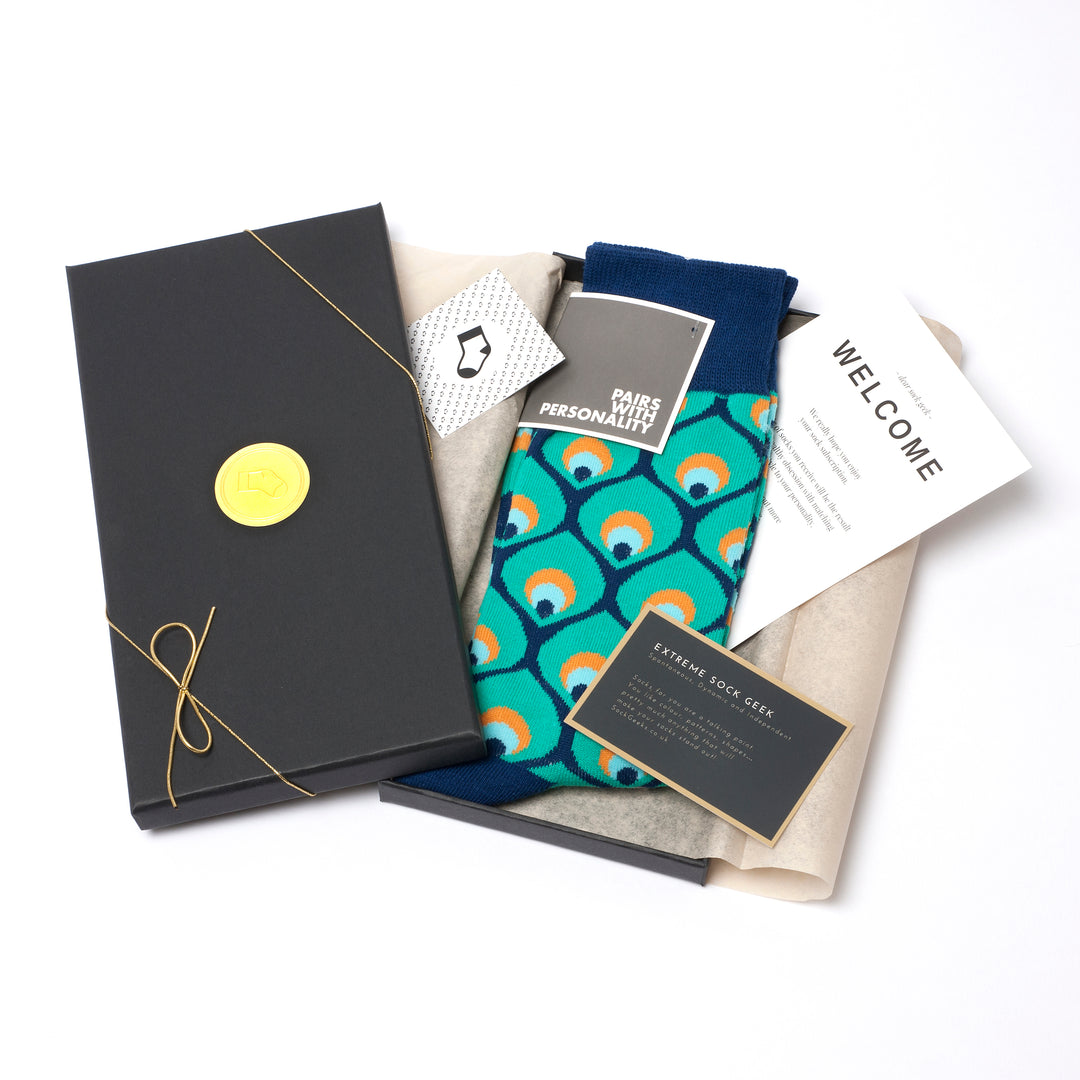
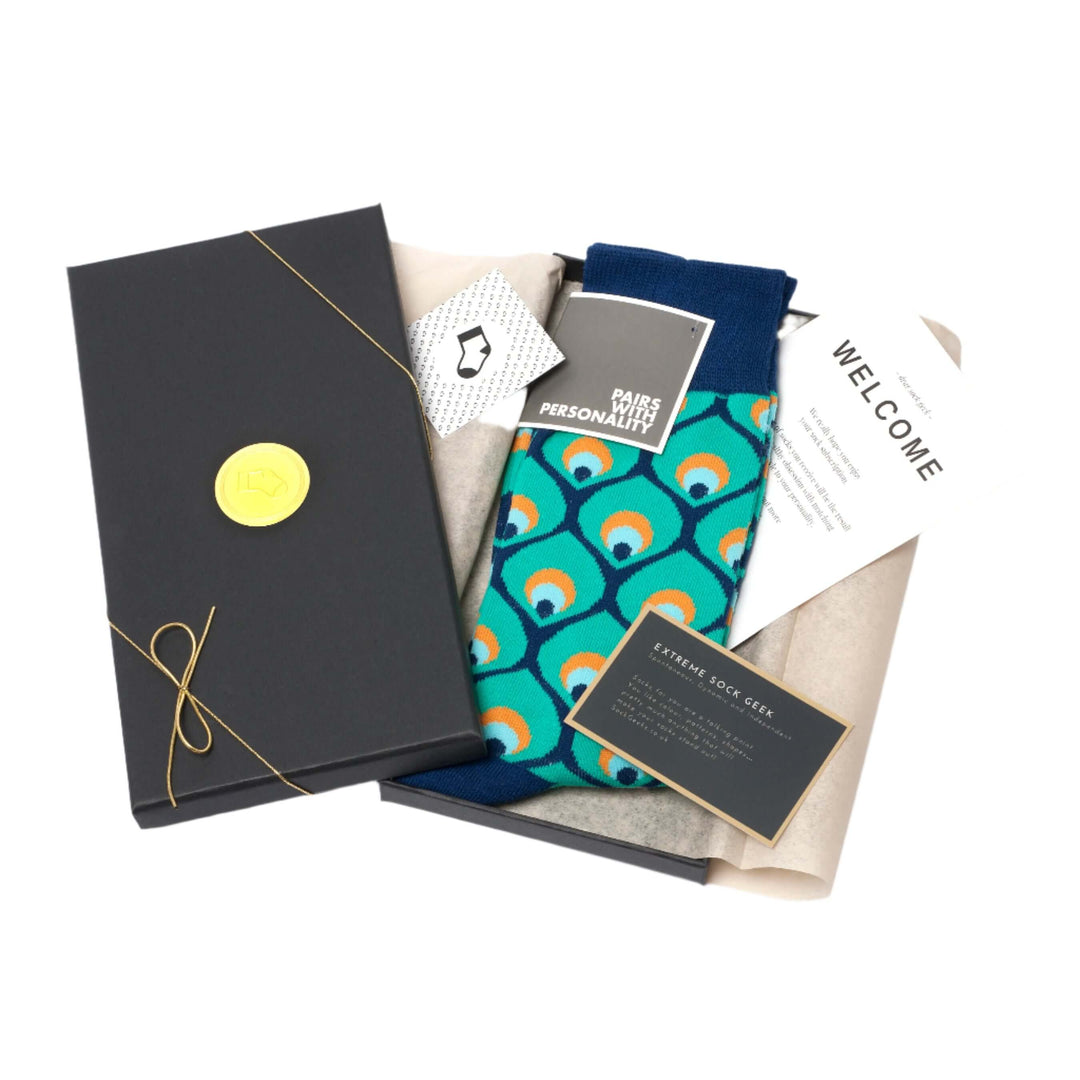
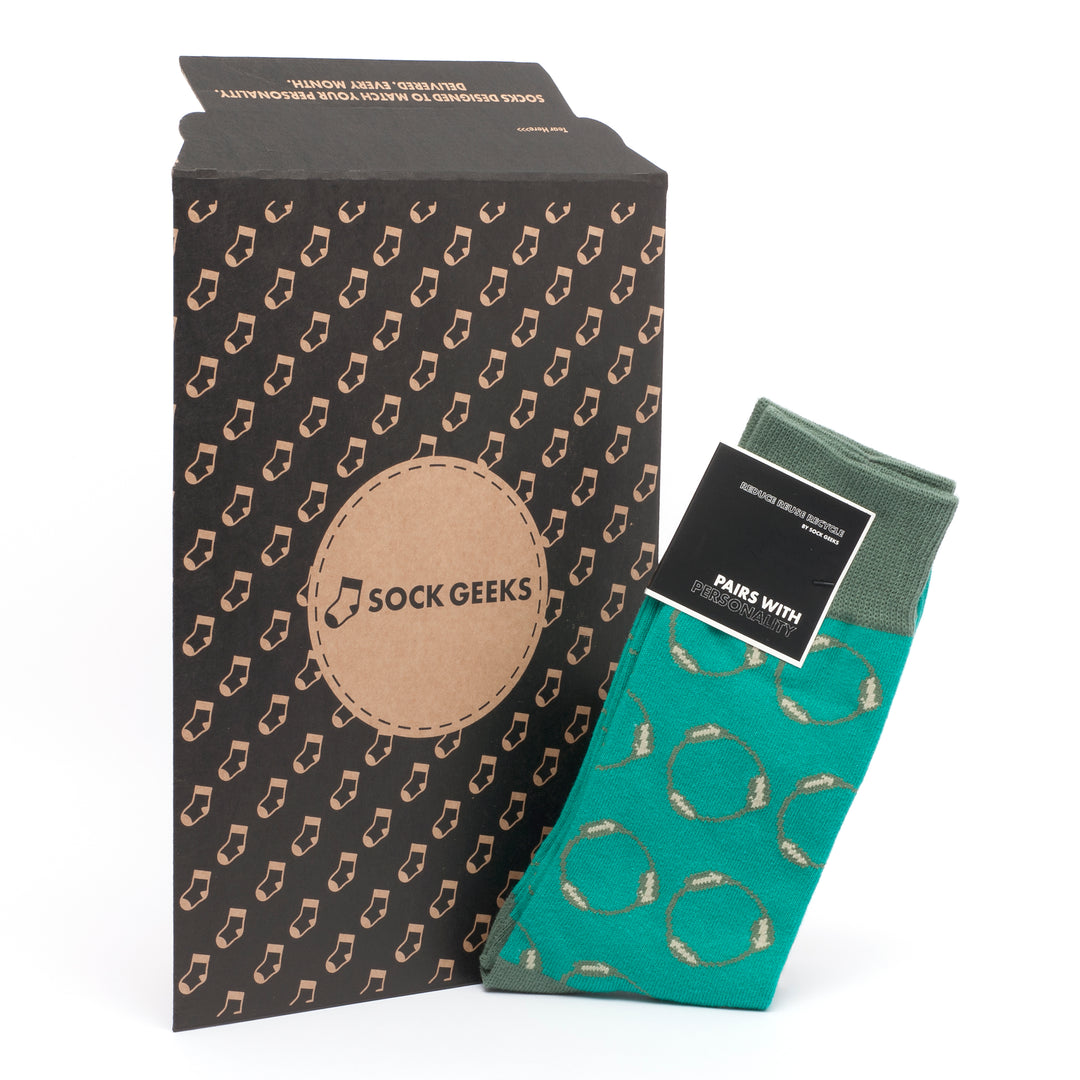
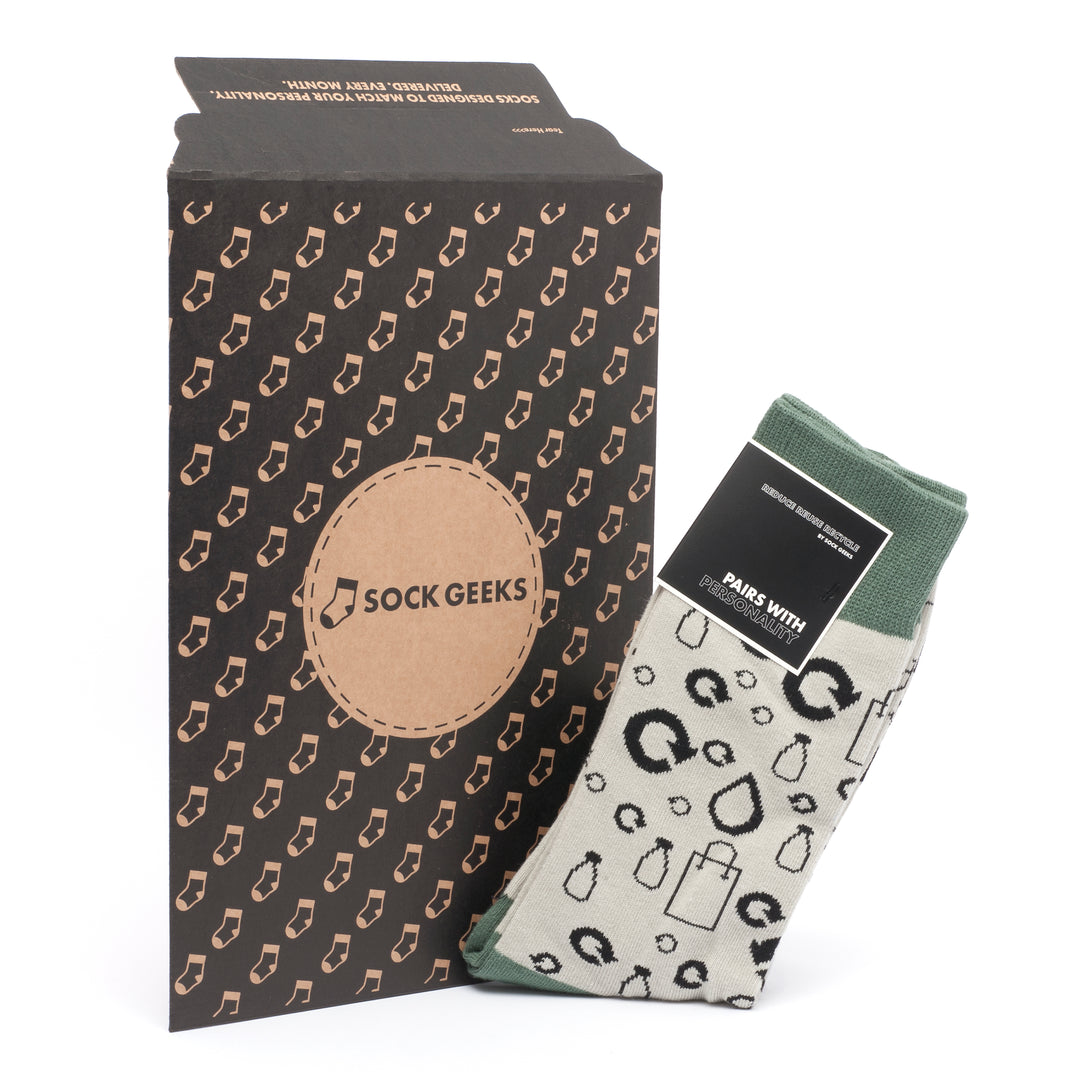
And if you’re giving someone a gift, this is where the “I actually thought about you” angle lands. A boutique UK brand like Sock Geeks is the kind of insider pick that works for personality-matched subscription gifts and proper premium cashmere without it turning into a generic gift guide cliché.
When to avoid them
Avoid them on days you’ll rack up steps, on rainy days in thin-soled shoes, and in tight trainers that already chew through normal socks. Also avoid wearing the same pair on repeat. Rotation is not precious. It’s how you stop turning luxury into unwanted pairs.
How do you wash, dry, and store them?
Wash rules that prevent shrink
Heat and agitation are what felt animal fibres. Keep it gentle. Keep it cool. Wool care rules apply, and the practical guideline most people ignore is water temperature, with the Woolmark care guidance commonly pointing to 30°C as a safe ceiling for washing animal-hair fibres.
If you want the short version without turning your laundry into a philosophy seminar:
- Wash at 30°C max, ideally on a delicate cycle or by hand with a mild detergent
- Skip the tumble dryer, dry flat, and don’t hang them like a sad flag from a radiator
- Use a mesh bag if you’re machine washing, because snags happen
Rotation and shoe hygiene
Rotation is how you get lifespan. Give fibres a rest so they recover shape and release moisture. Shoe hygiene matters too. If the inside of your shoes is a salt-crusted sweat museum, your excellent socks will suffer no matter what they’re made of. Let shoes air out. Use cedar shoe trees if you’re fancy, or just don’t trap damp footwear in a cupboard.
This is also where owning fewer, better pairs makes sense. A small set of trusty pairs, rotated properly, beats a chaotic sock drawer full of “almost fine”.
Repairs and darning
Pills are removable. Holes are repairable. You don’t need to bin a pair at the first sign of wear. A proper cashmere comb or gentle pill remover beats rough brushing, and fibre-care brands have shown, even under magnification, how harsh tools can snap fibres, which is why visuals like The Laundress’ fibre-care notes are oddly persuasive.
And darning is not quaint. It’s efficient. If you can keep a favourite outfit pairings sock alive for another season with a simple repair, that’s practical value.
FAQ
Are cashmere socks warmer than wool?
Often warmer for the weight, yes, but warmth depends on knit density and fit. A dense merino wool sock can beat a thin cashmere dress sock in real-world cold.
Do cashmere socks smell less?
They can manage moisture well, which helps, but odour control still depends on rotation, washing, and shoe hygiene.
How long should a pair last?
For lounging, a long time. For daily street wear, pure cashmere can fail quickly; blended, reinforced socks last far longer if you rotate them.
Can you wear them with trainers?
Yes, but pick a blend and make sure the trainer fit isn’t tight. Tight trainers plus cashmere is basically a friction experiment.
Conclusion
Cashmere socks are a yes when you’re buying comfort, warmth-to-weight, and that ridiculous softness that makes normal socks feel like sandpaper. They’re a no when you want one pair to survive everything, because abrasion doesn’t care about your budget. Choose blends for daily life, choose pure cashmere for slow, cosy use, and treat care like part of the purchase price. If you do it right, your sock drawer stops being a graveyard of unwanted socks and starts looking like a small, curated victory.





Leave a comment