





Best Women’s Cashmere Socks: Fit, Quality and Care Guide
Introduction
The best women’s cashmere socks are soft, properly fitted and chosen for the job. Pure cashmere suits bed and sofa wear; a cashmere blend with nylon, merino wool or elastane is the wiser choice for shoes and regular walking.
It is easy to assume that an expensive pair will survive anything.
They won’t.
Cashmere fibres are exceptionally fine, which gives them that feather-light warmth but also makes them vulnerable to friction. Carpet, rough insoles and badly fitted shoes can abrade the heel and toe surprisingly quickly. As several owners note in this discussion of cashmere and merino socks, luxury fibre does not automatically mean hard-wearing fibre.
Fit matters almost as much as composition. A loose heel pocket bunches beneath the foot, while an over-tight cuff strains the knit. For everyday warmth, look for reinforced pressure points, a smooth toe seam and enough elastane to hold the shape. For sleeping, a relaxed cuff and lofty knit feel far nicer.
Quality is harder to judge from softness alone. Longer fibres, dense knitting and tidy finishing usually pill less than a flimsy, aggressively brushed fabric. Ply count can help, though more plies do not magically rescue poor raw material.
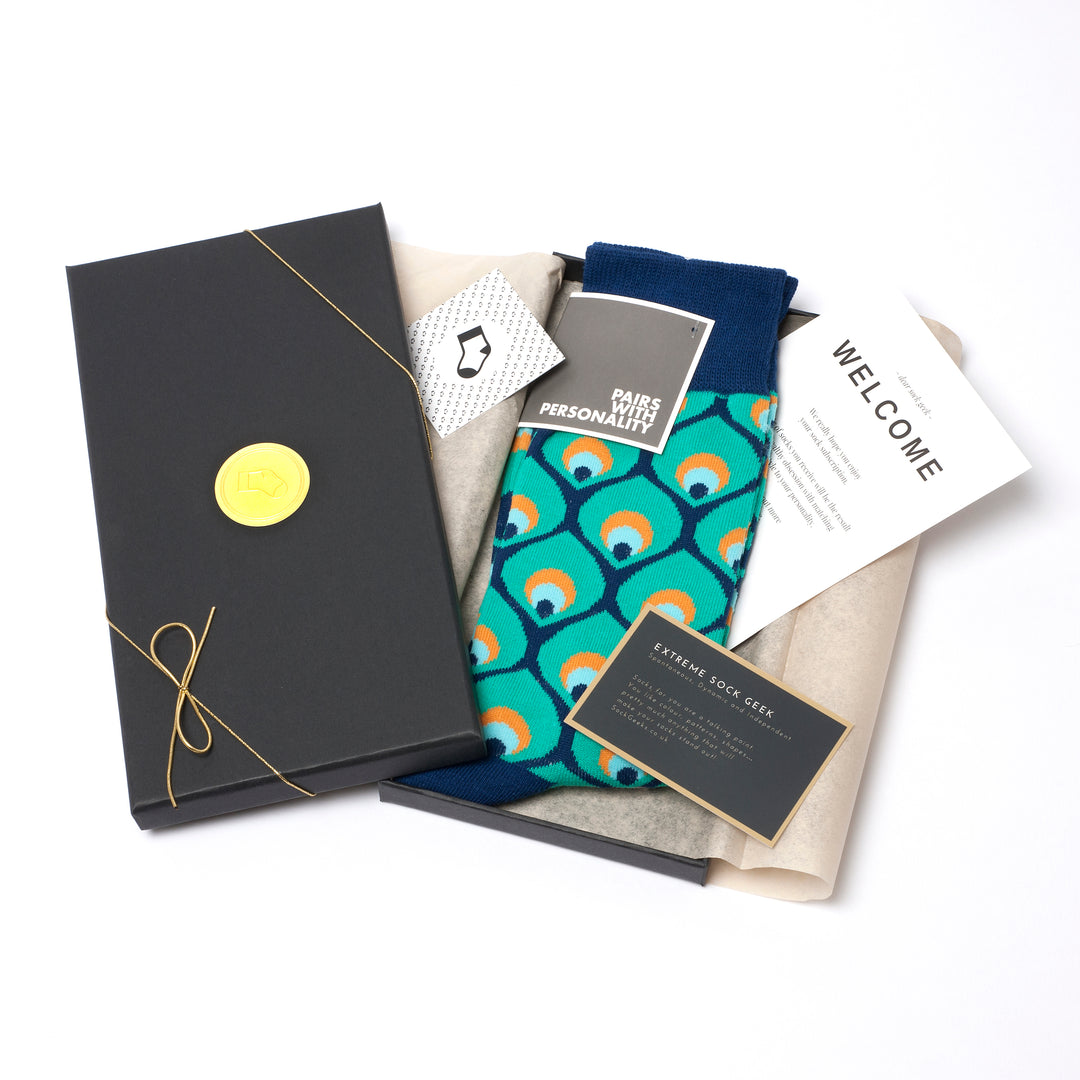
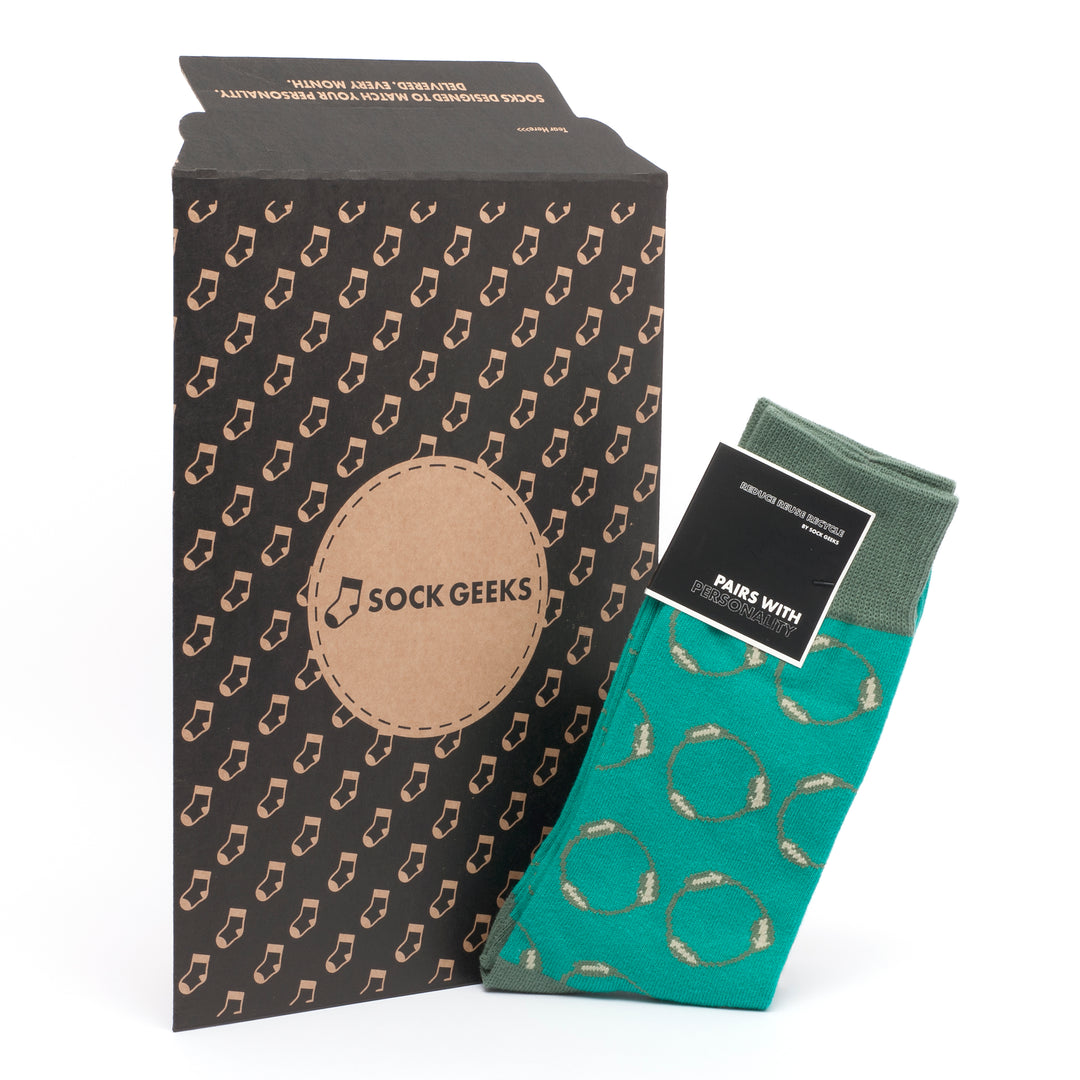
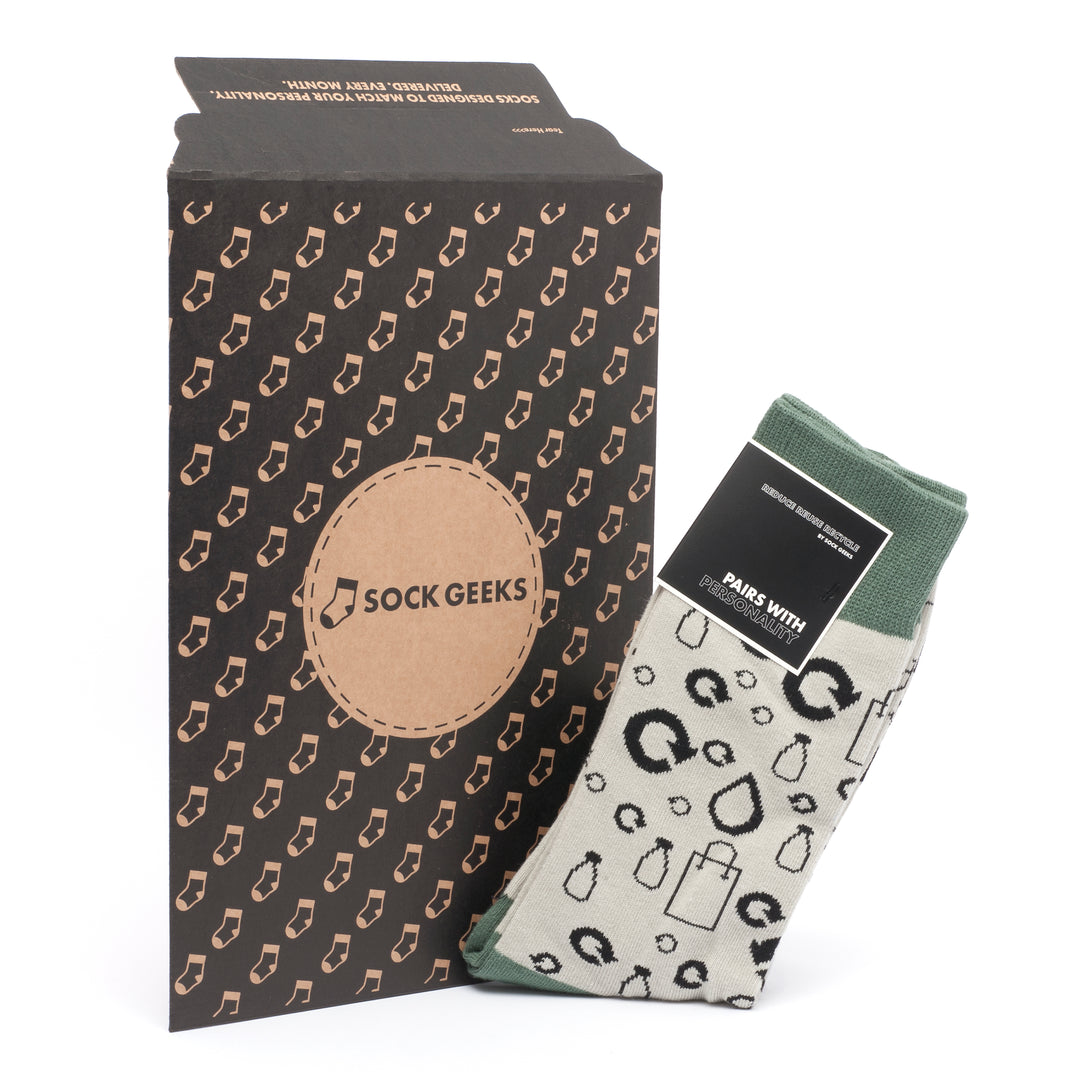
There is a useful middle ground for women who want British-made luxury without treating every pair like museum property. Sock Geeks sits neatly there, particularly for sustainable cashmere gifts and personality-led sock boxes made in the UK.

Now for the famous names, including where each one earns its keep and where the fantasy begins to fray.
1. Johnstons of Elgin Ribbed Cashmere Socks
Johnstons of Elgin is the dependable Scottish choice: restrained colours, fine finishing and a ribbed structure that feels more composed than a shapeless bed sock.
|
Feature |
Description |
|---|---|
|
Fibre and build |
Cashmere is the attraction, although composition can vary between collections. The ribbed knit supplies gentle recovery without turning the sock into compression hosiery. Inspect the current fibre label rather than relying on an old retailer description. |
|
Fit and style |
These tend to suit a refined cosy outfit, long-haul travel or quiet evenings at home. The ribbing helps the leg remain upright, while classic shades such as charcoal and dark navy work beyond bedtime. |
|
Wear and care |
Keep them away from coarse boot linings and gritty floors. Hand-wash in lukewarm water with non-enzyme wool detergent, press out moisture in a towel, reshape and dry flat. |

|
Best use |
Fit |
Trade-off |
|---|---|---|
|
Lounging and careful travel |
Soft structure with gentle rib recovery |
Premium comfort with limited abrasion resistance |
2. Falke No. 1 Finest Cashmere Socks
Falke’s No. 1 line is for the person who wants barely-there warmth rather than a chunky cable sock. The sensation is closer to a fine knitted layer against the skin.

Fibre and build: The fine-gauge construction produces a smooth, luxurious finish. That delicacy is precisely the weakness. Even when a small strengthening fibre is present, these are not performance socks, so check the exact seasonal composition.
Fit and style: A close, elegant fit works well in bed or with exceptionally roomy indoor footwear. Choose your normal size rather than sizing down; stretched stitches become thin stitches, especially around the heel.
Wear and care: Wash only when needed and do not scrub stained areas. Soak briefly, rinse at the same temperature and support the wet fabric with both hands. Hanging can distort the cuff and ankle.
Best use: Bed wear and low-movement lounging
Fit: Fine, close and almost weightless
Trade-off: Exceptional softness with pronounced fragility
3. Pantherella Waddington Cashmere Socks
Pantherella’s Waddington is the practical English option, built with more awareness of shoes, seams and real feet than many romantic bed-sock designs.
Fibre and build: Waddington styles commonly use cashmere with a strengthening synthetic fibre, though percentages should be confirmed on the current product page. The blend improves shape retention and slows abrasion without erasing cashmere’s soft handle.
Fit and style: A smoother toe seam reduces pressure in loafers and dress shoes. The relatively refined profile also avoids the bulky ridge created when thick socks are forced into narrow footwear.
Wear and care: Light shoe wear is reasonable, provided the heel lining is smooth and there is adequate volume. Pantherella’s own cashmere sock care guidance favours gentle washing and flat drying rather than a tumble dryer.

Best use: Refined indoor wear and roomy shoes
Fit: Neat heel pocket with smooth toe finishing
Trade-off: More practical than pure cashmere, still delicate
4. Brora Cable-Knit Bed Socks
Brora’s cable-knit bed socks lean happily into the country-house look. They are thicker, more tactile and less interested in disappearing beneath a trouser hem.
Fibre and build: Cable knitting creates loft and visual depth, but raised stitches also meet more surface friction. The substantial construction feels comforting without guaranteeing durability, so reinforced heels and toes remain worth checking.
Fit and style: Their generous shape suits cold nights, draughty Victorian rooms and mornings spent avoiding the kitchen tiles. They can feel cramped inside standard boots, where the cable texture creates pressure points.
Wear and care: Treat them more like knitwear than hosiery. Turn them inside out before washing, avoid fabric conditioner and dry them in their natural shape. A cashmere comb may remove loose pills, used lightly and infrequently.

Best use: Cold bedrooms and fireside lounging
Fit: Generous, thick and softly weighted
Trade-off: Wonderful loft but too bulky for most shoes
5. The White Company Cashmere Bed Socks
The White Company offers familiar, giftable comfort without wandering into theatrical fashion. These are the sort of socks people actually remember to wear.
Fibre and build: Its bed styles often combine cashmere with a reinforcing fibre to improve recovery. A dense, even knit is preferable to an excessively fluffy surface, which may feel impressive in the shop yet pill quickly.
Fit and style: The relaxed cuff is useful for sleepers who dislike a tight mark around the ankle. Neutral colours pair easily with pyjamas and loungewear, though pale powder shades show grime sooner than charcoal.
Wear and care: Rotate between wears so the fibres can recover. Wash pairs together, since laundering one sock more frequently can create mismatched colour, length and surface texture.

Best use: Gifting, sleeping and quiet weekends
Fit: Relaxed cuff with an easy bed-sock shape
Trade-off: Comfortable and accessible, not built for walking
6. N.Peal Ribbed Cashmere Socks
N.Peal takes a more tailored route. Its ribbed cashmere designs feel polished enough for an elegant travel outfit yet retain the indulgence expected from specialist cashmere.
Fibre and build: Tighter ribbing gives the knit useful longitudinal stretch and better hold around the ankle. Pure cashmere versions remain vulnerable at the sole, however, regardless of how disciplined the stitching looks.
Fit and style: These suit women who dislike slouching cuffs. The sleeker profile can work with roomy shoes for short periods, although extended walking will hasten thinning beneath the ball of the foot.
Wear and care: Let them rest between outings and keep toenails smooth, an unglamorous detail that prevents plenty of holes. Store folded rather than rolled tightly over the cuff.

Best use: Polished lounging and occasional travel
Fit: Tailored ribbing with dependable calf hold
Trade-off: Sleek appearance without everyday-shoe durability
7. Gobi Organic Colour Cashmere Socks
Gobi brings Mongolian cashmere and a broader colour range into the conversation. The result often feels cleaner and less heavily fluffed than traditional British luxury socks.
Fibre and build: Mongolian origin alone does not establish grade, so examine fibre content, knit density and finishing. Natural undyed colours may appeal to cautious buyers, while dyed versions should be tested for colourfastness during the first wash.
Fit and style: Lightweight construction makes these useful across autumn and spring, rather than only during deep winter. Brighter colours add interest beneath cropped trousers, though shoes still need sufficient room.
Wear and care: Wash strong colours separately at first. Never twist the wet sock or place it on a radiator, since concentrated heat can shrink and felt the fibres.
Best use: Lightweight lounging in transitional weather
Fit: Airy profile with a flexible colour choice
Trade-off: Attractive variety, with quality varying by style
8. Loro Piana Bobby Cashmere Socks
Loro Piana’s Bobby socks occupy the rarefied end of the range. They are beautifully finished, exceptionally fine and priced for someone willing to treat hosiery as an indulgence.
Fibre and build: Fine cashmere and controlled knitting create a smooth, almost weightless surface. Special finishing may reduce initial fuzz, but no treatment makes delicate natural fibres immune to repeated heel strike.
Fit and style: The silhouette is understated rather than showy. They work best as discreet luxury for bed, private travel or pristine indoor settings, not as a conspicuous fashion statement.
Wear and care: Avoid walking directly on carpet, whose friction can be surprisingly destructive. Store them clean in a breathable cotton bag with cedar nearby, never touching the knit, to discourage clothes moths.
Best use: Pure indulgence and extremely careful lounging
Fit: Fine, discreet and elegantly close
Trade-off: Superb handle at a formidable cost
9. Calzedonia Cashmere-Blend Ankle Socks
Calzedonia’s ankle styles make more sense for ordinary life. The cashmere content is usually part of a wider blend, giving up some cloud-like softness in exchange for shape and resilience.
Fibre and build: Modal, wool, polyamide or elastane may carry much of the structural load, depending on the design. Read the percentages carefully; “cashmere blend” can describe anything from meaningful content to a modest touch.
Fit and style: The shorter cut works with trainers, ankle boots and casual shoes. A fitted cuff and secure heel reduce migration beneath the foot, which is important because bunching generates both discomfort and wear.
Wear and care: A protective laundry bag may be suitable if the label permits a wool cycle, although hand-washing remains gentler. Keep the temperature cool and skip biological detergent.
Best use: Regular casual wear in forgiving footwear
Fit: Secure ankle shape with useful elasticity
Trade-off: Less luxurious, considerably more practical
10. COS Cashmere-Blend Knee-High Socks
COS offers the most fashion-led proposition here: a long, clean shape intended to work with winter skirts, dresses and boots.
Fibre and build: Blended construction provides the elasticity needed for a knee-high sock to stay in place. Check whether cashmere is a major component or a smaller softening addition, since the name alone tells little about warmth.
Fit and style: Calf fit is critical. Too tight and the cuff becomes uncomfortable; too loose and the sock collapses around the ankle. Stretch measurements are more useful than a generic one-size label.
Wear and care: Fold knee-high styles loosely rather than rolling them into tight balls. Wash inside out to reduce surface rubbing and dry flat, with the leg aligned rather than stretched lengthways.
Best use: Winter styling with skirts and roomy boots
Fit: Long, elasticated and dependent on calf sizing
Trade-off: Strong visual impact with variable cashmere content
Conclusion
Cashmere socks for women make most sense when their limitations are accepted. Pure versions deliver exquisite warmth for bed, travel and lounging. Blends are better for shoes, movement and repeated wear. Merino remains the stronger workhorse when moisture management and durability matter more than that first, delicious touch.
Before buying, check the fibre percentages, heel construction, toe seam, cuff tension and care label. Ignore vague claims about “premium softness” if the maker withholds basic composition data.
Then treat the perfect pair properly: wash gently, dry flat, rotate between wears and store clean. Luxury lasts longer when it is not asked to do a hiking sock’s job.
FAQ
Are 100% cashmere socks worth buying?
Yes, for bed and light indoor wear. They offer exceptional softness and warmth but generally wear faster than reinforced cashmere blends.
Can cashmere socks be worn with shoes?
They can be worn briefly in roomy, smooth-lined shoes. For regular use, choose a blend containing nylon, merino wool or elastane and look for reinforced heels and toes.
How should cashmere socks be washed?
Hand-wash them in lukewarm water with a specialist non-enzyme detergent. Do not wring, tumble dry or place them on a radiator. Reshape and dry flat.
How can pilling be reduced?
Limit friction, rotate pairs and wash them inside out. Remove loose pills carefully with a cashmere comb, without repeatedly shaving the fabric.
Are cashmere socks warmer than merino socks?
Cashmere feels exceptionally warm for its weight. Merino usually handles moisture, movement and extended wear better, making it the more versatile everyday option.
What material makes the warmest socks?
Merino wool is widely regarded as one of the warmest materials for socks. Its natural fibres trap heat while remaining breathable and moisture-wicking, helping to keep feet warm and dry in cold weather. Other warm options include alpaca wool, cashmere, and wool blends, while thermal socks often combine wool with synthetic fibres for added durability and insulation.
How do you choose the best wool socks for women?
When choosing the best wool socks for women, look for high-quality merino wool, which offers excellent warmth, softness, and moisture management without feeling itchy. Consider the sock thickness based on your intended use lightweight for everyday wear, midweight for hiking, and heavyweight for winter. A snug fit, reinforced heel and toe, seamless construction, and a small amount of stretch (such as elastane) will also improve comfort, durability, and support.





Leave a comment