





Best Striped Socks: Styles, Materials & Buying Guide
My dad wore striped socks his whole life. Navy and grey, mostly, sometimes a burgundy pair he'd trot out for Christmas dinner like they were a party trick. I used to think it was just an old bloke thing, a slightly eccentric habit alongside doing the crossword in pen. Turns out he was onto something the rest of us are only just catching up on: a sock is not just a sock. It's a tiny billboard for your mood, your era, your whole personality, really, and stripes happen to be the most versatile pattern in that particular language.

So here's the direct answer, before we go wandering off into the weeds. Striped socks work for nearly every occasion going, from a client pitch in the City to a Sunday car boot sale, provided you match the stripe width, the yarn, and the colour intensity to the setting. A pencil-thin navy stripe on merino wool reads as "I've made an effort but I'm not shouting about it." A rainbow stripe on cotton reads as "come and talk to me." Neither is wrong. They're just different dialects of the same idea.
What follows is ten sock styles worth knowing, how they behave in real life (not just on a shelf), and what you should actually expect to pay for them without getting fleeced. I've worn most of these. Some I've regretted. We'll get to that.
Breton Stripe Crew Socks
Right, let's start with the one your granddad probably owned. Breton stripes, navy against white or cream, trace back to French naval uniform regs from the 1850s, and they've never really gone away since. There's a reason it's the pattern Chanel nicked for beachwear and everyone else nicked from Chanel.

What surprised me the first time I bought a proper pair, made from combed cotton rather than the cheap stuff, was how little bulk they add under trouser hems. Cheaper acrylic blends bunch up around the ankle after a wash or two. Combed cotton doesn't, largely because the fibres are longer and lie flatter, so the sock keeps its shape wear after wear. If you're pairing these with loafers or white canvas trainers, that flatness matters more than you'd think. Nobody wants a lumpy ankle ruining a clean silhouette.
Expect a good pair to run somewhere between £8 and £14 in the UK, often sold in packs of three. Anything cheaper and you're likely getting a thinner cotton-polyester mix that pills within a month.
Argyle Stripe Wool Blend Socks
This one's a bit of a cheat category, argyle is technically diamonds, but the diagonal crossing lines that build the pattern are, structurally, stripes bent at an angle. Anyway. These are your fireside socks, your tweed-blazer socks, the ones that make you look like you read actual books rather than just owning them for decoration.

Wool blend is the key phrase here, not pure wool. A hundred percent wool sock can feel scratchy against skin that's used to cotton, whereas a wool-nylon-elastane blend gives you the warmth without turning your ankle into a itchy mess by lunchtime. Look for "gentle grip" tops specifically. The standard elasticated cuff on cheap dress socks can dig a red ring into your calf by mid-afternoon, which is neither comfortable nor a good look when you take your shoes off at someone's house.
Pricing sits higher than cotton, typically £10 to £18 per pair, because wool costs more to source and process. Worth it for anyone who's cold nine months of the year, which, let's be honest, covers most of the UK.
Candy Stripe Ankle Socks
Pastel pinks, mints, lilacs, thin bands running round a low-cut ankle sock. These are summer socks, plain and simple, the kind you'd wear with cropped jeans or a tennis skirt without a second thought.
Here's the practical bit nobody mentions in the marketing photos: light colours show dirt fast. A single long day in trainers and that mint stripe starts looking distinctly less mint. I learned this the hard way after a festival weekend where my candy stripe socks came home looking more "swamp creature" than "cottagecore." Spot-clean them the same evening if you can, rather than letting sweat and grime set into the fibres overnight.
They're usually cheap, £5 to £9 for a pack of three or four, since the cotton content tends to be lighter weight than crew sock equivalents. Fine for occasional wear, less fine if you're expecting them to survive a full festival season unscathed.
Rainbow Stripe Novelty Socks
Now we're getting into the socks that start conversations, sometimes ones you didn't ask to have. I wore a pair of loud rainbow-striped socks to a fairly buttoned-up office a while back, expecting nothing much, and ended up in a fifteen-minute chat with a colleague about colour theory who I'd previously only exchanged nods with. Small detail, real social effect. Clothes are a language, and bold stripes speak louder than most.

The trick with rainbow stripes is thickness. Thinner bands, more of them, tend to read as textured and considered from a distance, whereas thick chunky bands can veer into "fancy dress" territory fast. If you want the statement without the costume vibe, hunt for the finer gauge versions.
Prices vary wildly depending on brand, anywhere from £6 for a supermarket multipack to £20-plus for a designer novelty pair. The expensive ones aren't always better made, so don't assume price maps directly to quality here.
Pinstripe Dress Socks
The quiet cousin of the rainbow sock. Pinstripe dress socks, thin vertical lines on a dark base, usually navy or charcoal, are the sartorial equivalent of a well-cut suit lining that only you know about. Subtle, but it says you've thought about the details.
Merino wool wins over synthetic blends here, and it's not close. Synthetic pinstripe socks tend to slide down the calf over the course of a long meeting-heavy day, which means you're constantly fidgeting to hoick them back up under your desk. Merino has more natural elasticity and grip, so it stays put. If you're on your feet a lot, or sitting in back-to-back meetings where discreet sock adjustment isn't really an option, this matters more than the pattern itself.
Expect £9 to £16 per pair for decent merino pinstripe, higher if it's from a specialist maker rather than a high street chain.
Varsity Stripe Knee-Highs
Two thick bands near the top, usually contrasting colours against a solid base, straight out of 1970s American gym culture and now thoroughly reclaimed by streetwear and retro sportswear fans. There's a specific kind of confidence to knee-highs; you're not hiding your legs, you're framing them.
The catch, and it's a real one, is the cuff. That high band can cause a genuinely itchy, sweaty ring just below the knee if the fabric's wrong. Acrylic is the usual offender. Cotton-elastane blends breathe better and flex with the leg rather than gripping like a tourniquet. I'd avoid the bargain-bin versions of these specifically, because the cuff quality is where corners get cut first.
Pricing runs £8 to £15 typically, sold in pairs rather than multipacks since the knee-high format is more of a statement purchase than a daily staple.
Nautical Stripe Boat Socks
Not to be confused with Breton crew socks, though they're cousins. Nautical boat socks are cut lower, designed specifically to sit just above the edge of a loafer or deck shoe without disappearing completely, which regular no-show socks tend to do within an hour of walking.
What's genuinely useful about the nautical palette, usually navy, red, and white in narrow bands, is that it's one of the only stripe styles that looks intentional peeking out above a very low-cut shoe. Most patterned socks look like a mistake in that context. These look like a choice.
They sit in a similar price bracket to Breton crew socks, £8 to £13 for a pack of two or three, and honestly the quality difference between brands is more noticeable here than in most categories because the low cut means there's less fabric to disguise a cheap knit.
Neon Stripe Sports Socks
Function first, fashion second, though they do both jobs. Neon stripes on a sports sock aren't just about being seen at a Saturday morning parkrun in the dark months, though that's a genuine safety benefit if you're running before sunrise on unlit pavements. They also just look sharp against dark trainers.
One thing worth flagging, because it's caught people out: neon dye bleeds. Wash these separately, or at least away from anything white, for the first several cycles. I ruined a good white t-shirt this way once, entirely my own fault for being lazy with the laundry sorting.
Sports-specific striped socks with cushioned soles and arch support tend to cost a bit more than casual equivalents, typically £7 to £14 per pair, reflecting the extra engineering in the footbed.
Monochrome Stripe Bamboo Socks
If your feet run hot, or you're sat on a long-haul flight to somewhere far away, this is the category worth knowing about. Bamboo fibre is naturally moisture-wicking and has a softness that genuinely rivals cashmere at a fraction of the cost, which is why they're increasingly popular among people with sensitive skin or conditions like eczema.
The trade-off is durability. Bamboo fibres are softer, yes, but that softness comes at the cost of structural resilience, so these are better suited to home wear, office days, or travel rather than long hikes or heavy daily rotation. I keep a pair specifically for flights and nothing else, purely because they don't owe me longevity in that role.
Expect to pay slightly more than standard cotton, £9 to £15 per pair, given the processing bamboo fibre requires before it's spinnable.
Tartan Stripe Winter Socks
The sweater of the sock world. Thick, often wool-heavy, and genuinely festive-looking without trying too hard, tartan stripe socks are a winter staple in a way none of the other styles on this list quite manage to be.

The one thing to watch: thickness changes fit. A tartan winter sock can make a shoe that fits perfectly in summer feel a full size too small come December. Pair these with boots, which generally have more room built in, rather than trying to squeeze them into your regular loafers or trainers.
They run £10 to £20 per pair depending on wool content, and this is one category where I'd genuinely say spend the extra few pounds, because the cheap versions pill and flatten within a single winter.
How Do You Choose Striped Socks For Your Occasion?
Choosing the right pair really comes down to three things working together: the setting you're dressing for, the material doing the actual work against your skin, and how long you'll be wearing them before you can take your shoes off and breathe. Get any one of those wrong and the whole outfit feels slightly off, even if nobody can quite say why.
For office and formal settings, stick to pinstripe or Breton styles in merino wool or combed cotton, both of which hold their shape through a full working day without needing adjustment. For weekend or social wear, candy stripe, rainbow, or varsity knee-highs give you more room to express a bit of personality, since nobody's judging your ankle during a Saturday brunch the way they might during a board meeting. For active pursuits, neon or cushioned sports stripes handle moisture and impact in ways that fashion-first socks simply aren't built for. And for winter, tartan or wool argyle blends trap heat without the bulk of, say, a hiking sock, which matters if you're still trying to fit into your usual boots.
A few practical questions worth running through before you buy:
-
Will you be sitting for long periods (meetings, flights) or moving constantly (retail work, events)? This affects whether cuff grip or breathability should be your priority.
-
Is the sock going under trousers or on show with cropped trousers, shorts, or a skirt? Visible socks warrant more attention to colour freshness and pattern scale.
-
What's the shoe? Loafers and boat shoes need low-cut styles, boots can handle thick wool blends, trainers do best with cushioned sports cuts.
-
How sensitive is your skin? Bamboo or merino for sensitive feet, standard cotton blends fine for most people otherwise.
None of this is complicated once you've thought it through, but it's the sort of thing people skip past and then wonder why their new socks feel wrong within a day of wearing them.
What Pack Size And Price Should You Expect?
UK sock pricing follows a fairly predictable pattern once you know what you're looking at, though there's more variation than most shoppers realise between supermarket multipacks and specialist makers.
|
Sock Style |
Typical Pack Size |
Price Range (GBP) |
|---|---|---|
|
Breton Stripe Crew |
3-pack |
£8–£14 |
|
Argyle Wool Blend |
2-pack |
£10–£18 |
|
Candy Stripe Ankle |
3–4 pack |
£5–£9 |
|
Rainbow Novelty |
Single or 2-pack |
£6–£20+ |
|
Pinstripe Dress |
2–3 pack |
£9–£16 |
|
Varsity Knee-Highs |
Single pair |
£8–£15 |
|
Nautical Boat |
2–3 pack |
£8–£13 |
|
Neon Sports |
Single or 2-pack |
£7–£14 |
|
Monochrome Bamboo |
2–3 pack |
£9–£15 |
|
Tartan Winter |
Single or 2-pack |
£10–£20 |
Multipacks generally offer better value per pair, but they're also where quality gets diluted first, thinner yarn, less reinforcement at the heel and toe, weaker elastic. If you're buying socks purely for utility and don't mind replacing them every few months, multipacks are fine. If you want something that lasts a couple of years and actually feels good against your skin every single time you put it on, single-pair or small-batch options tend to justify the higher per-pair cost.
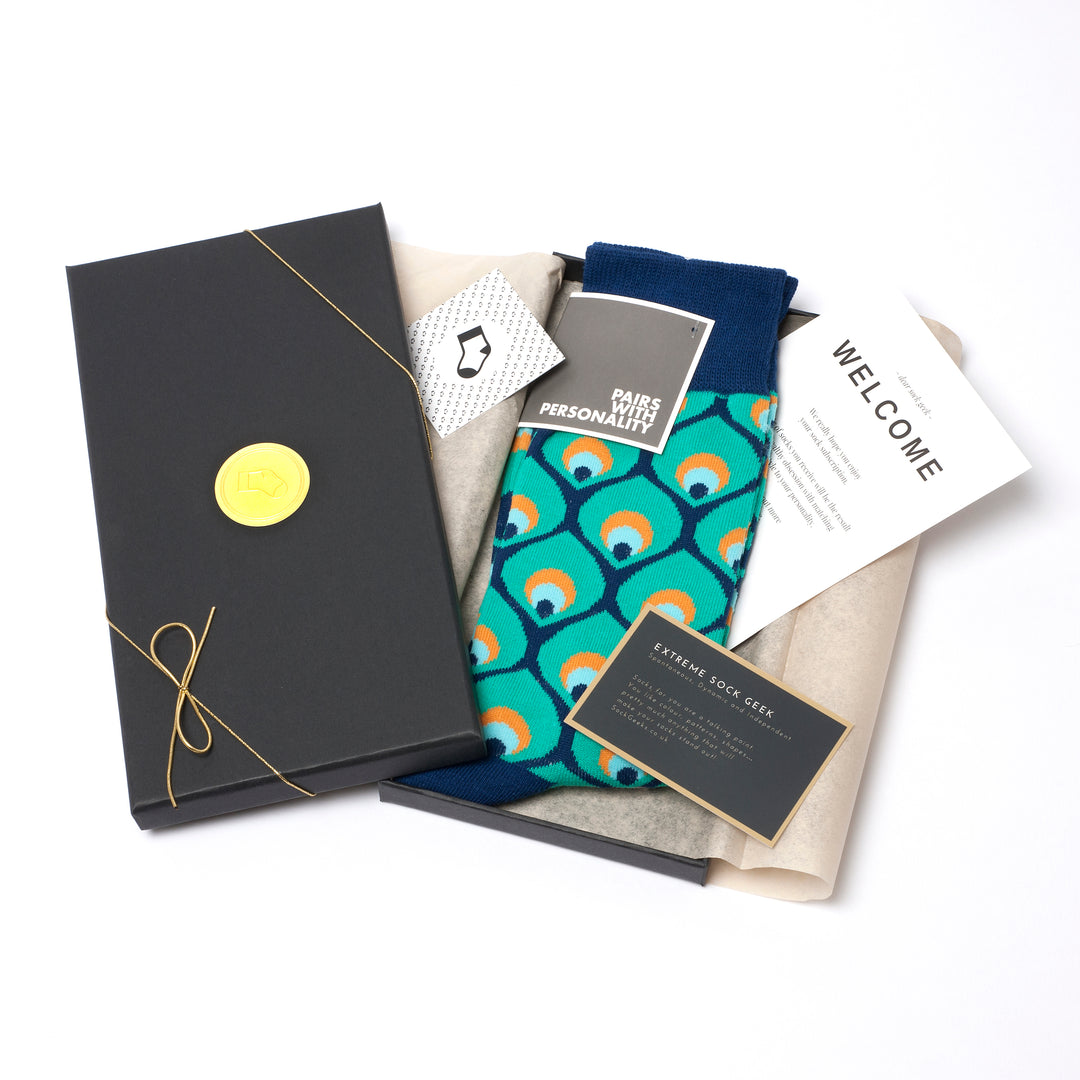
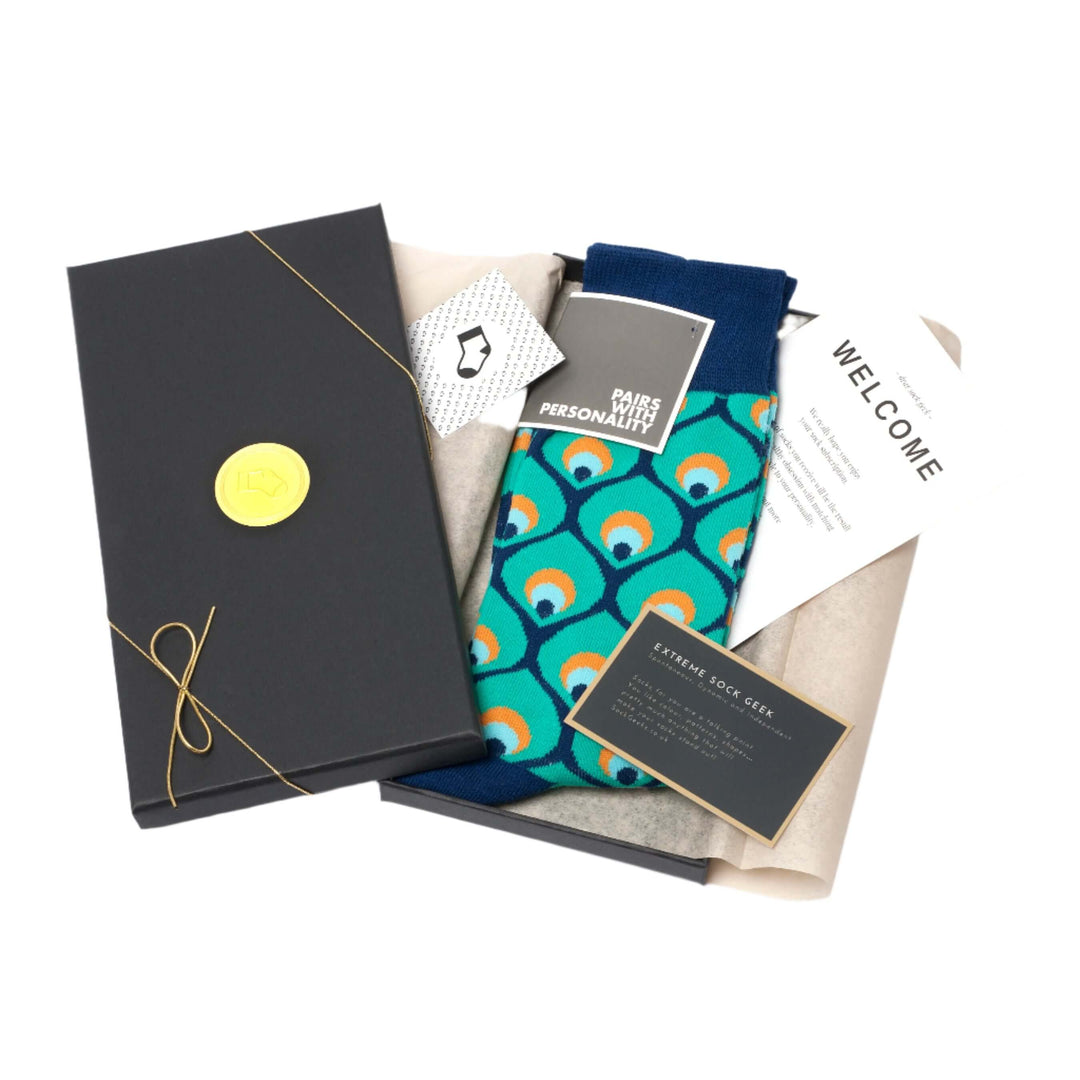
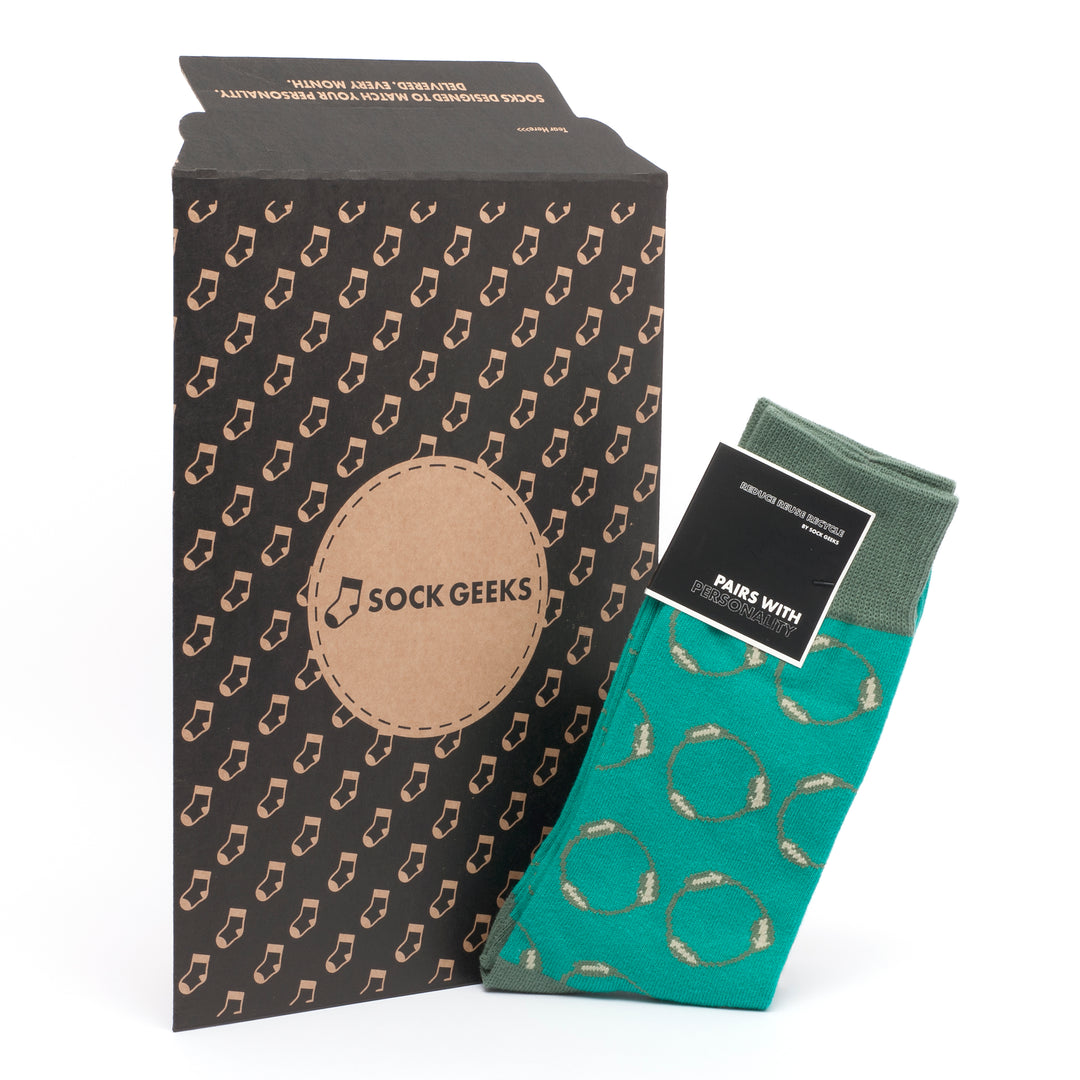
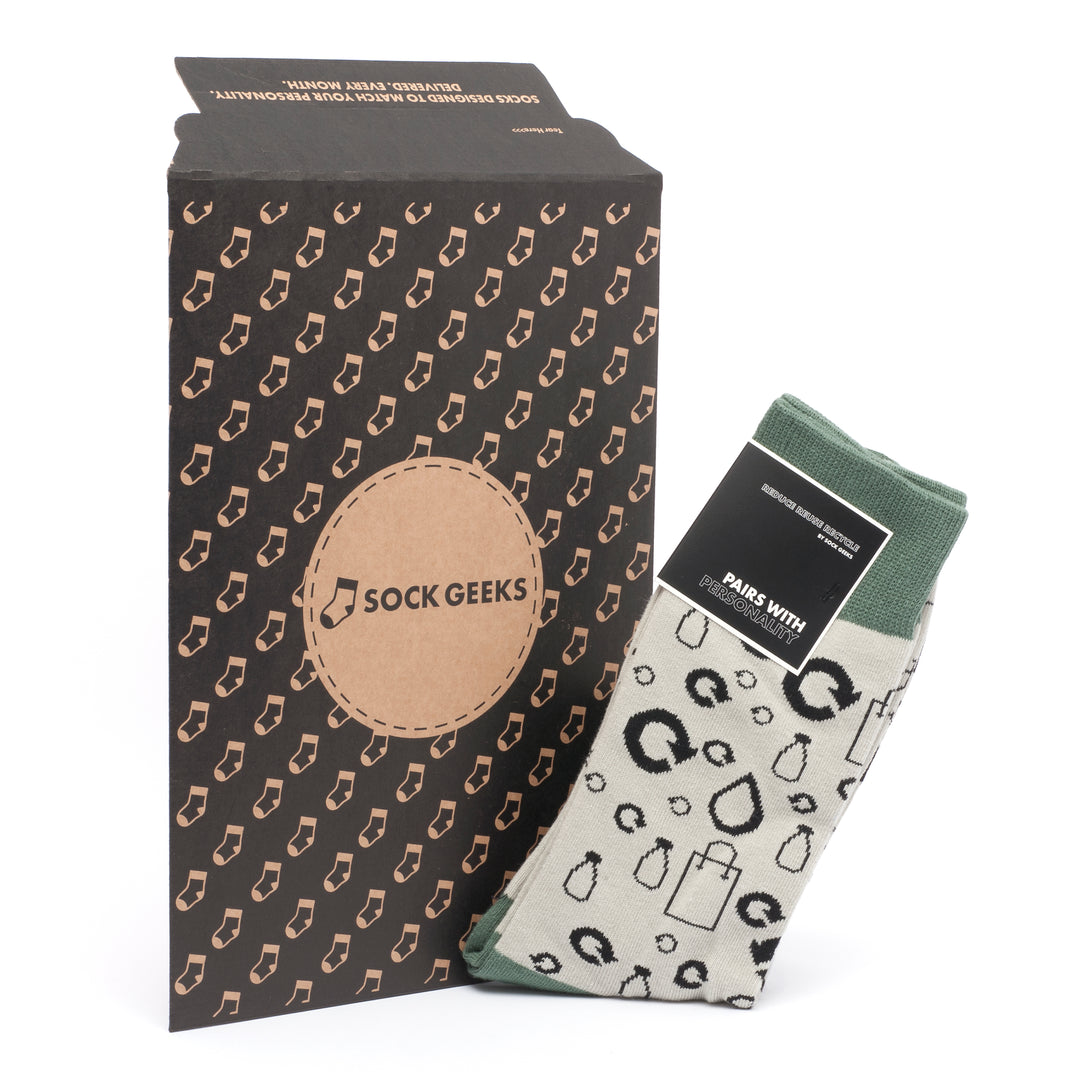
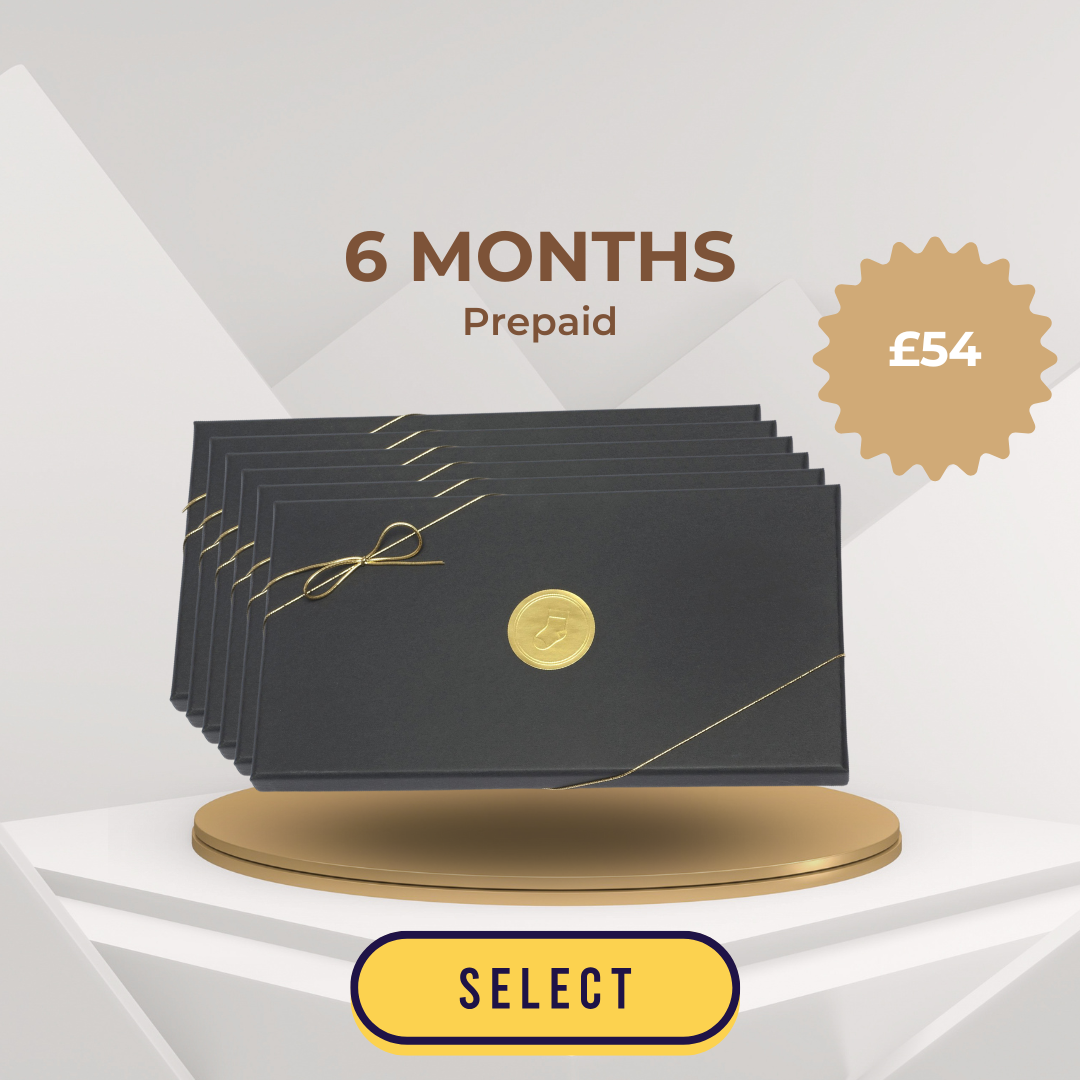
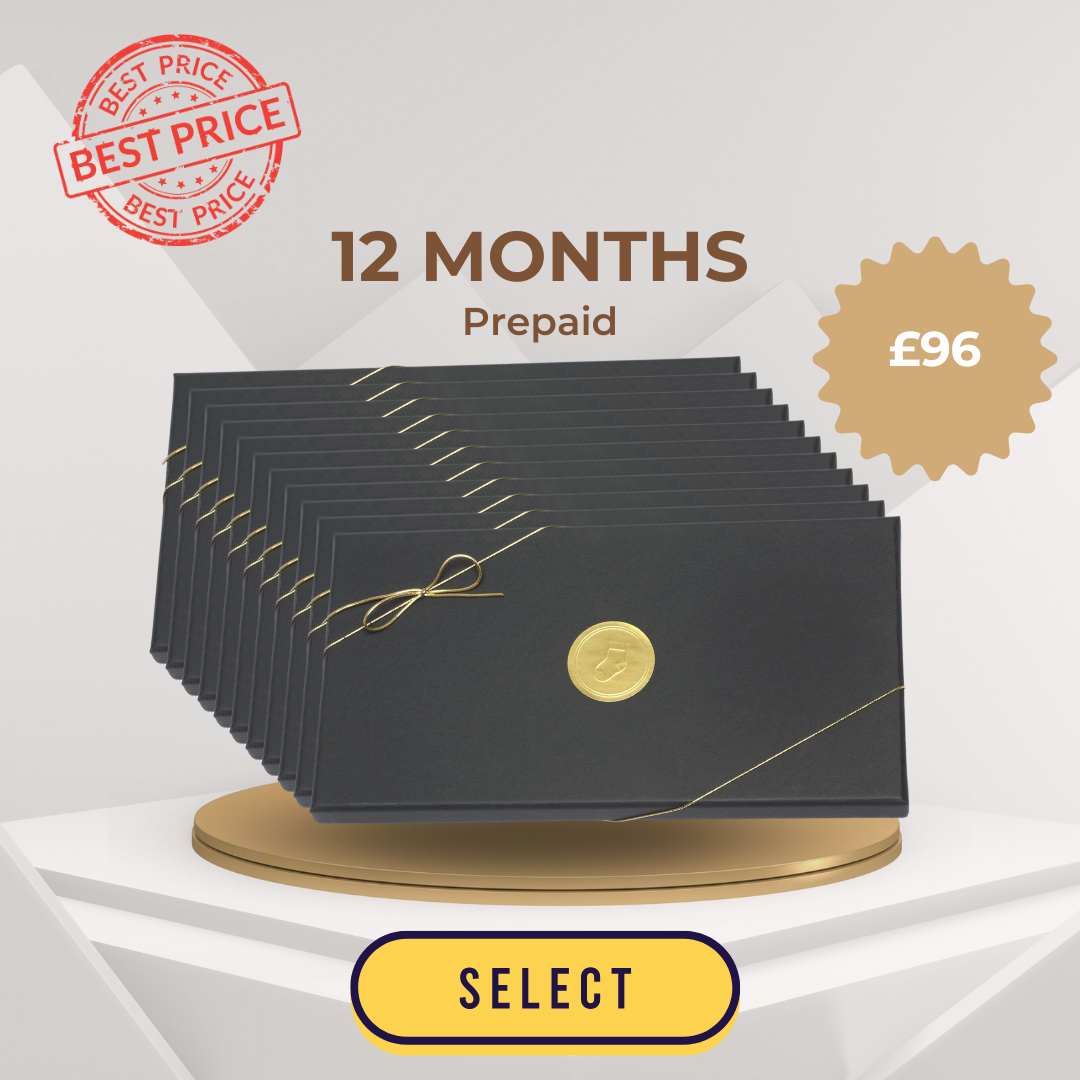
This is also where gifting comes into its own, and it's worth saying plainly: novelty or budget socks rarely make a memorable present, no matter how nice the wrapping is. For anyone after something with a bit more thought behind it, a boutique operation like Sock Geeks builds their entire offering around UK-made, sustainable luxury socks, including personality-matched subscription gifts and cashmere options that read as genuinely considered rather than an afterthought bought at the till. As a certified B Corp, there's also the sustainability angle for anyone trying to shop a bit more consciously without giving up on quality.
Conclusion
Stripes are, oddly enough, the most flexible pattern language in the entire sock drawer. A single width of navy stripe can whisper "professional" in a boardroom and a rainbow gradient can shout "approachable" at a market stall, and both are doing exactly what they're supposed to. The mistake most people make isn't choosing the wrong stripe, it's ignoring the material and cut underneath it, then wondering why a good-looking sock feels rubbish by 3pm.
Treat your sock drawer the way you'd treat any other part of your wardrobe: with a bit of intention, not just whatever was cheapest at the supermarket till. My dad never explained his logic for the burgundy Christmas pair. I don't think he needed to. The socks did the talking.
FAQ
Are striped socks appropriate for formal or office settings? Yes, provided the stripe is subtle, think pinstripe or Breton patterns in dark, muted colours, and the material is merino wool or combed cotton rather than anything with a sheen or synthetic bulk.
How many pairs of striped socks should I own? A reasonable rotation covers six to eight pairs across categories, enough to avoid daily rewashing while giving you options for both formal and casual occasions.
Do striped socks shrink in the wash? High-quality combed cotton and merino wool blends resist shrinking far better than cheap acrylic mixes, so check the fibre content before assuming any shrinkage issue is a washing machine problem rather than a material one.
Can striped socks be worn with patterned trousers or shoes? It's possible but riskier, generally best to keep one element (either the sock or the trouser/shoe) solid if the other carries a bold pattern, otherwise the outfit competes with itself.
What's the difference between Breton and nautical stripe socks? Breton stripes typically appear on standard crew-length socks with a classic navy-and-white palette, while nautical stripes are usually cut lower, designed specifically to peek above boat shoes or loafers without fully disappearing.



Leave a comment