






A professional sock wardrobe is a curated selection of high-quality socks chosen to balance style, comfort, and function across business and formal occasions. Most professionals own too many poor-quality pairs and too few genuinely useful ones. The solution is a focused collection built around five core colours, premium fabrics like merino wool, and a consistent approach to fit and length. Build a professional sock wardrobe correctly and you eliminate daily decision fatigue while always looking polished from the ankle down.
What essential socks make up a professional sock wardrobe?
A 5-pair starter kit covers the vast majority of professional occasions without redundancy. Each pair serves a distinct purpose, and together they address every suit colour and formality level you are likely to encounter at work.

The five core colours are black, navy, charcoal, burgundy, and a muted pattern. Black is non-negotiable for black-tie events and dark formal suits. Navy pairs cleanly with blue and grey business suits. Charcoal acts as the most versatile backup, working across mid-grey and dark trouser combinations. Burgundy introduces a controlled accent that lifts navy or charcoal trousers without looking casual. A muted pattern, such as a fine stripe or subtle dot, works well in smart casual settings where a plain sock would feel understated.
| Colour | Style | Best paired with |
|---|---|---|
| Black | Solid | Black tie, dark suits, formal trousers |
| Navy | Solid | Blue and grey business suits |
| Charcoal | Solid | Mid-grey and dark trousers |
| Burgundy | Solid | Navy, charcoal, and brown trousers |
| Muted pattern | Fine stripe or dot | Smart casual, lighter suits |
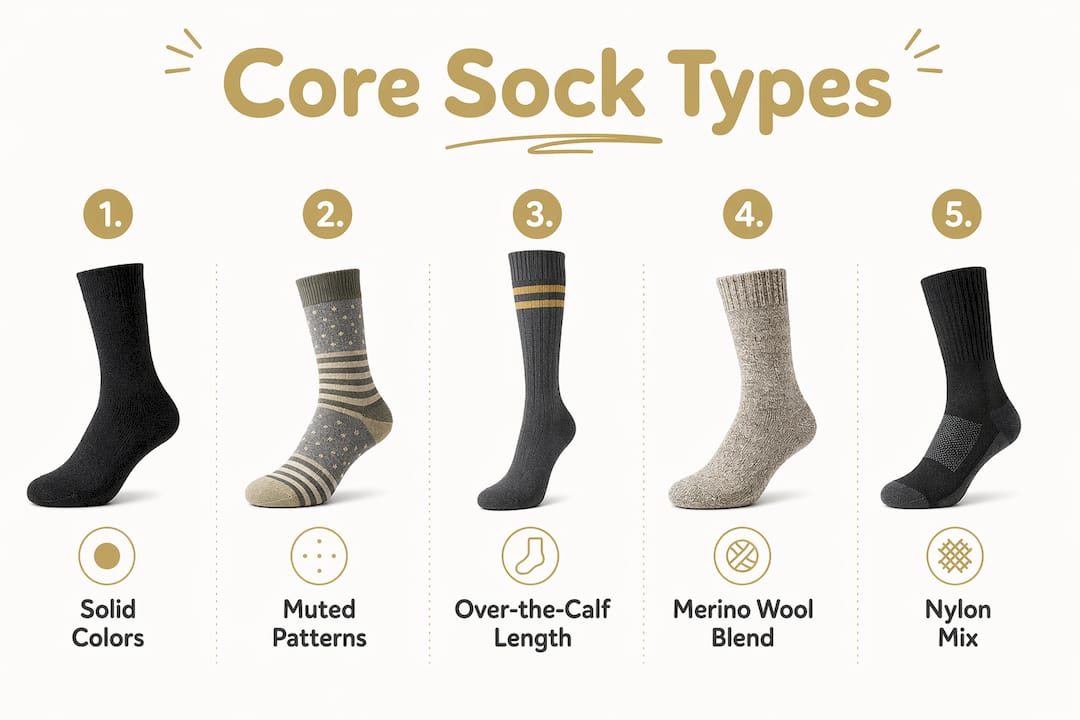
Sock length is equally important. Over-the-calf length is the professional standard because it prevents any skin from showing when you cross your legs. Mid-calf is the minimum acceptable length. Anything shorter creates a visible gap between sock and trouser hem, which reads as careless regardless of how well the rest of your outfit is put together.
Pro Tip: Buy two pairs of black and two pairs of navy when starting out. These are the pairs you will reach for most often, and having duplicates means one can be in the wash without leaving you short.
How to choose the best sock materials for comfort and durability
Material selection determines how a sock feels, how long it lasts, and how it performs across a full working day. These are deliberate choices for quality and fit, not just comfort. Blends affect durability, stretch, and odour resistance significantly, which is why fabric composition deserves careful attention.
The key materials to understand are:
- Merino wool. Merino wool is temperature regulating, odour-resistant, and soft enough to wear directly against skin. Its fine fibres make it the gold standard for dress socks worn repeatedly across a working week.
- Long-staple cotton. A breathable and affordable option for warmer climates or summer months. It lacks the temperature regulation of merino but performs well in moderate conditions.
- Nylon. Added at 15–25% of the blend, nylon significantly improves durability and prevents heel and toe wear. Without it, even premium wool socks degrade quickly.
- Elastane. Present at 1–3% in quality blends, elastane maintains the sock’s shape and prevents it from sagging around the ankle during the day.
The ideal fabric blend for professional dress socks is a merino wool and nylon combination. Example ratios include 95% wool, 3% nylon, and 2% elastane, or 87% merino, 12% nylon, and 1% elastane. Both merino and nylon blends provide the best balance of comfort, durability, and fit retention.
Avoid socks made from 100% polyester or 100% cotton for professional use. Polyester traps heat and moisture. Pure cotton stretches out quickly and loses its shape after a handful of washes. Neither material holds up to the demands of a full working week.
Pro Tip: Check the fabric label before buying. If a sock does not list its blend composition, treat that as a warning sign about quality control.
How to maintain professional socks and extend their lifespan
Proper care is what separates a sock wardrobe that lasts three years from one that degrades in three months. The rules are straightforward, but most professionals skip them.
- Wash in cold water on a gentle cycle. Cold-water washing and gentle cycles prevent shrinkage and protect the fibres that give quality socks their shape. Hot water breaks down elastane and causes wool to felt.
- Avoid bleach and fabric softener. Bleach weakens fibres rapidly. Fabric softener coats the fibres and reduces moisture-wicking performance over time.
- Air dry rather than tumble dry. Heat from a dryer is the single fastest way to destroy sock elasticity. Lay socks flat or hang them to dry at room temperature.
- Reshape while damp. After washing, gently pull each sock back to its original shape before drying. This preserves the heel cup and prevents the toe from twisting out of alignment.
- Turn socks inside out before washing. This protects the outer surface and reduces pilling on the visible part of the sock.
Compression socks require particular attention. Graduated compression at 15–20 mmHg supports circulation during long workdays and travel, but the elastic fibres that create that pressure are vulnerable to heat. Washing compression socks in hot water or drying them with heat weakens their effectiveness and shortens their useful life considerably. Always follow cold-wash and air-dry protocols for these garments.
Replace socks when the heel or toe shows visible thinning, when the elastic no longer holds the sock in place, or when the colour has faded noticeably. A worn sock undermines the rest of a well-considered outfit.
How to style and match socks with professional attire
Styling socks well comes down to one primary rule and several supporting guidelines. The primary rule is to match socks to trouser colour rather than shoe colour. Matching to the shoe creates a visual break at the ankle. Matching to the trouser extends the leg line and creates a cleaner, more polished silhouette.
The supporting guidelines are:
- Formal business settings call for solid, dark socks. Black, navy, and charcoal are the appropriate choices for client meetings, interviews, and formal presentations. Patterns and brighter accents belong in less formal contexts.
- Sock thickness should complement shoe type. Thin dress socks pair with Oxford and Derby shoes. Thicker knit socks work better with brogues or loafers in smart casual settings. A thick sock in a slim Oxford creates an uncomfortable fit and looks bulky.
- Introduce patterns gradually. A fine stripe or small geometric pattern is a controlled way to add personality without undermining professionalism. Reserve bolder patterns for Fridays or creative workplace environments.
- Smart casual settings allow more flexibility. Chinos and loafers open the door to textured or lightly patterned socks. The key is that the sock still coordinates with the trouser rather than competing with it.
An organised sock collection spans multiple types, including dress, boot, and no-show socks, each aligned to a specific shoe type and formality level. Viewing your sock wardrobe as a system, where each pair has a clear role, removes the guesswork from getting dressed and prevents mismatched combinations. This systems approach to socks is what separates a considered professional wardrobe from a drawer full of random pairs.
Key takeaways
A professional sock wardrobe built on five core colours, merino wool blends, and consistent care practices delivers both style and longevity without unnecessary complexity.
| Point | Details |
|---|---|
| Start with five core colours | Black, navy, charcoal, burgundy, and a muted pattern cover most professional occasions. |
| Prioritise over-the-calf length | This length prevents skin showing when seated and maintains a polished appearance. |
| Choose merino and nylon blends | Blends of 87–95% merino with nylon and elastane offer the best durability and comfort. |
| Wash cold and air dry | Cold-water gentle cycles and air drying preserve elasticity and extend sock lifespan. |
| Match socks to trousers, not shoes | Coordinating with trouser colour creates a cleaner leg line and avoids visual imbalance. |
Why fewer, better socks changed how I dress for work
I spent years buying cheap multipacks and wondering why my sock drawer felt chaotic. The turning point was replacing the lot with eight quality pairs built around a clear colour logic. The chaos disappeared immediately.
The insight that changed my thinking was treating socks as part of a system rather than an afterthought. Every pair I own now has a clear role. Two black, two navy, one charcoal, one burgundy, and two patterned pairs for Fridays. That is it. Getting dressed in the morning takes seconds because every sock in the drawer works with everything else.
The other shift was investing in premium sock quality upfront. A well-made merino pair washed correctly will outlast five cheap cotton pairs. The cost per wear calculation always favours quality. The mistake most professionals make is buying volume instead of value.
My advice on expanding the wardrobe is to do it slowly. Add one or two accent pairs per season rather than overhauling everything at once. Seasonal additions, such as a heavier knit for winter or a lighter cotton blend for summer, keep the collection relevant without creating excess. Replace pairs the moment they show wear at the heel. A thinning sock is a liability, not a saving.
— Amanda
How Sock Geeks supports your professional sock collection
Building a quality sock wardrobe is easier when you have a reliable source for well-made, thoughtfully designed pairs.

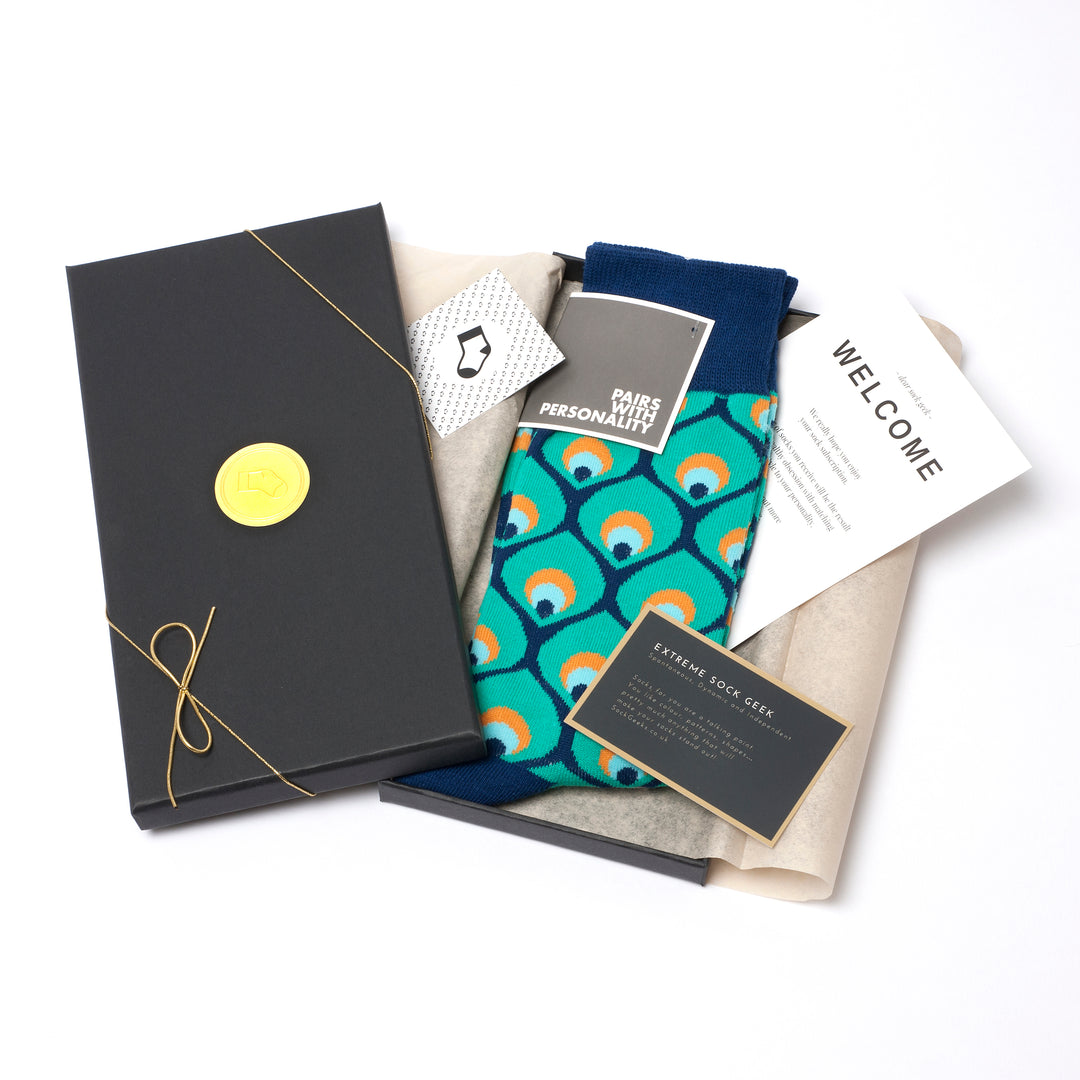
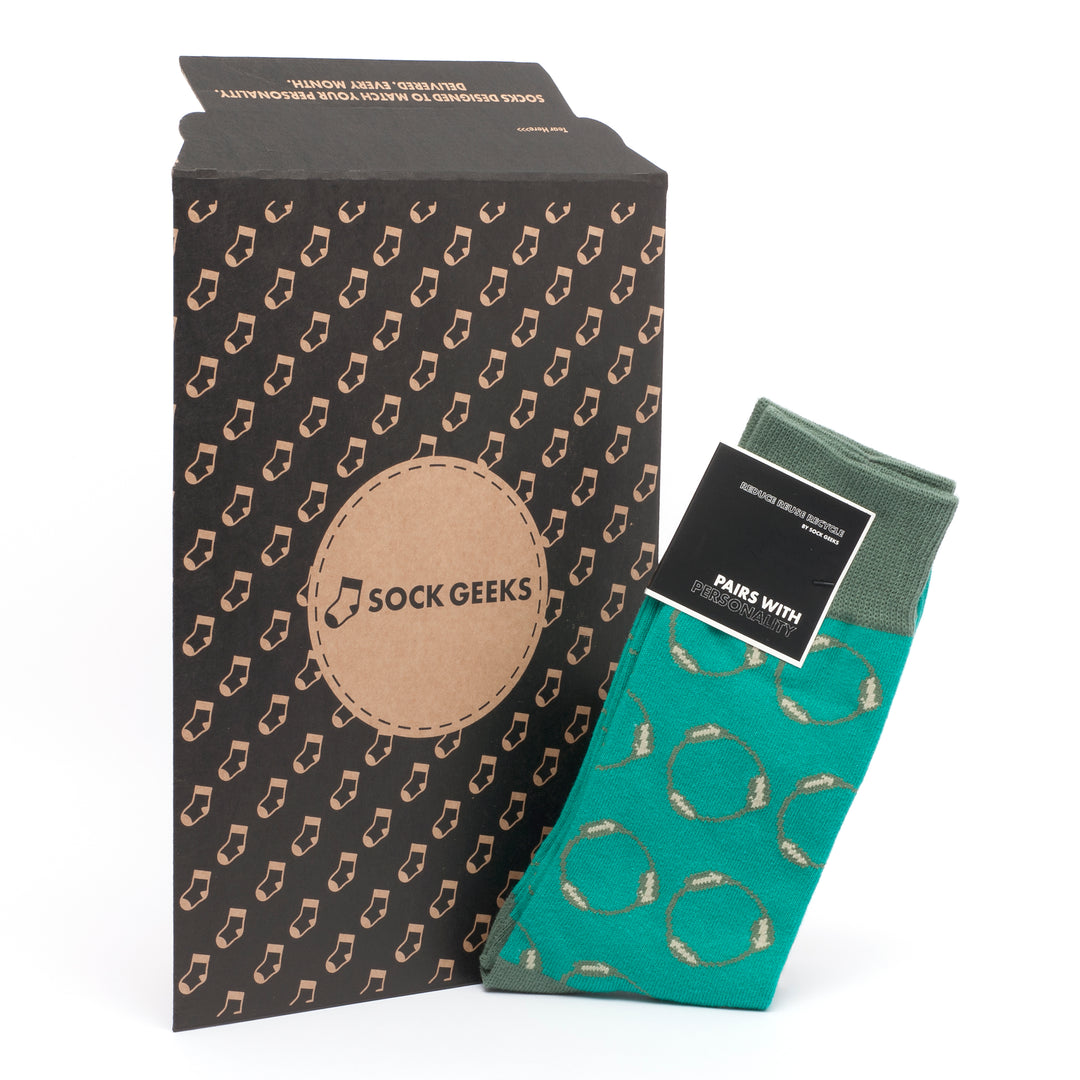
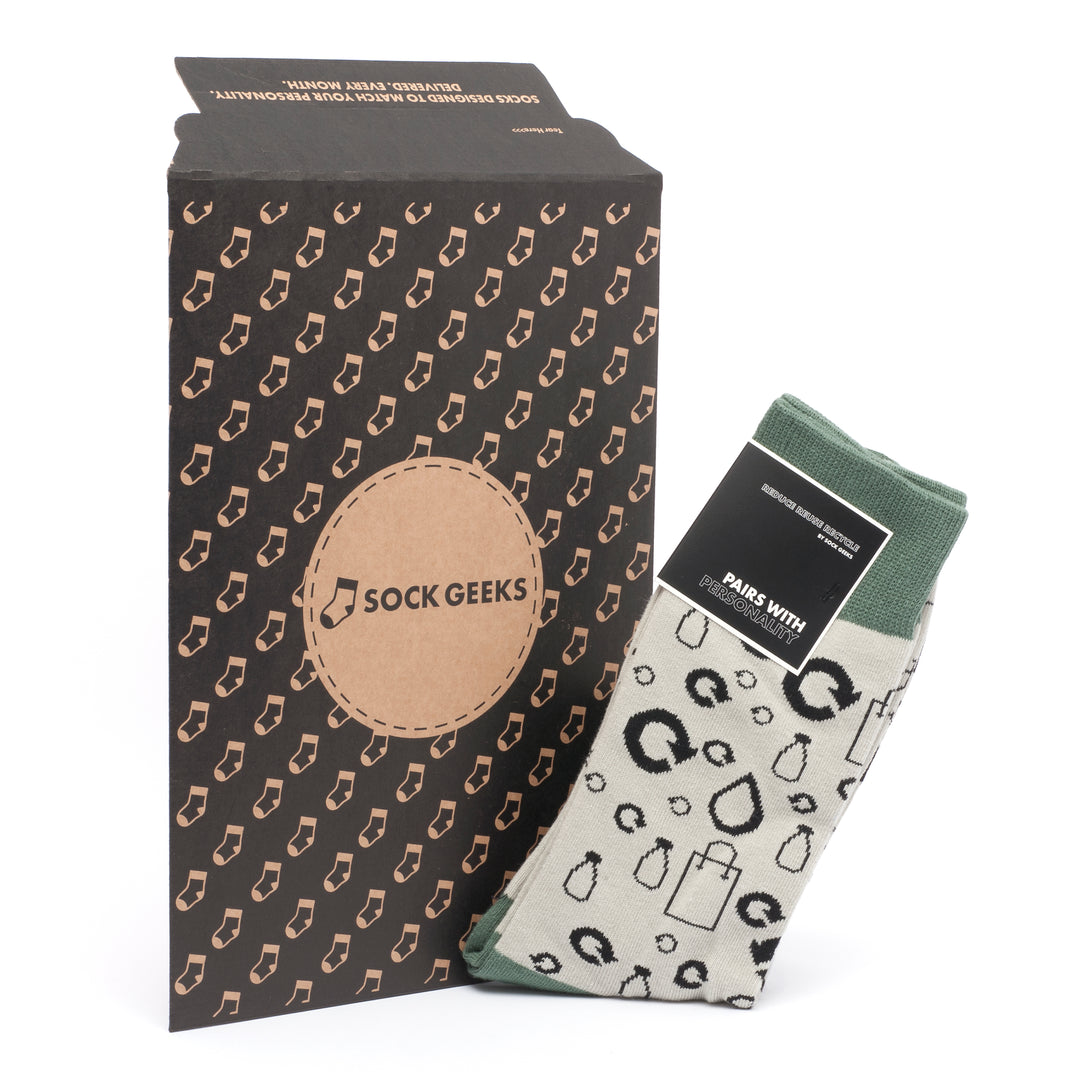
Sock Geeks offers a curated range of premium socks built for professionals who care about both comfort and style. Each pair is made from quality materials, including merino wool blends, and designed to hold up across a working week of regular wear. The Sock Geeks subscription service delivers fresh pairs directly to your door, making it straightforward to refresh your collection and introduce new colours or patterns without the effort of searching. With a 4.72 customer rating and a focus on ethically sourced materials, Sock Geeks is a practical starting point for anyone ready to take their professional sock collection seriously.
FAQ
What is the best sock length for professional wear?
Over-the-calf is the recommended length for professional settings. It prevents skin from showing when you cross your legs and keeps the sock in place throughout the day.
How many pairs of socks do I need for work?
A five-pair starter set covering black, navy, charcoal, burgundy, and one muted pattern addresses most professional occasions. Buying two pairs each of black and navy adds useful redundancy.
What fabric is best for dress socks?
Merino wool blended with 15–25% nylon and 1–3% elastane is the best choice. This combination provides temperature regulation, odour resistance, durability, and shape retention.
Should socks match shoes or trousers?
Socks should match the trouser colour rather than the shoe. Matching to the trouser extends the leg line visually and avoids an awkward break at the ankle.
How do I make professional socks last longer?
Wash in cold water on a gentle cycle, avoid bleach and fabric softener, and air dry flat. These three practices preserve elasticity and prevent shrinkage across repeated washes.





Leave a comment