



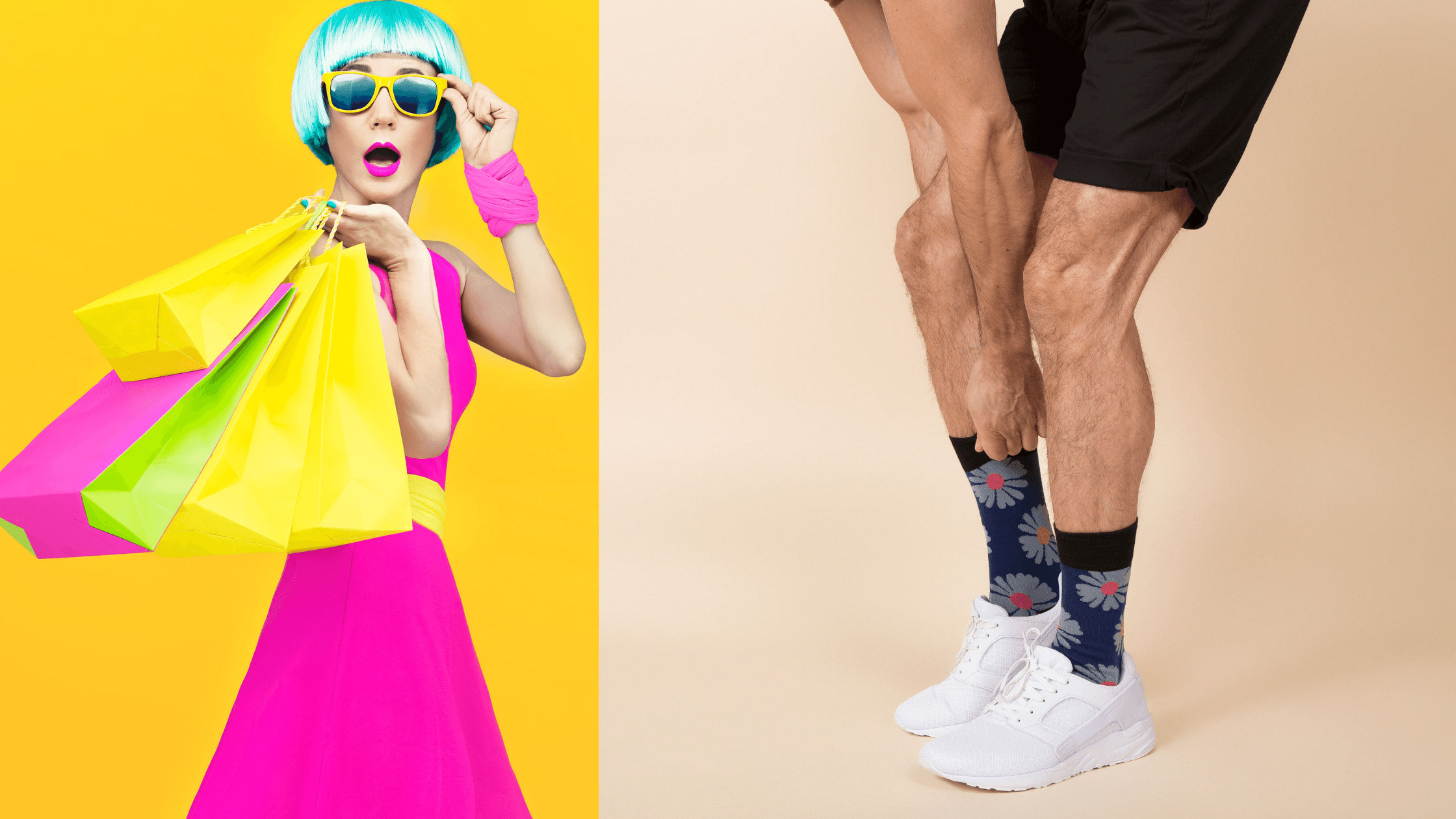


Gift Boxes for Men: 2026 Guide to Choosing Hampers
Introduction
Choosing a present for a man who insists he “doesn’t need anything” can turn a pleasant gesture into an oddly tense shopping exercise.

A well-chosen gift box fixes that problem. It combines several useful or enjoyable items around a recognisable interest, gives the recipient a little variety and still feels personal without forcing the giver to gamble everything on one expensive object.
That is why gift boxes for men have moved beyond the predictable bottle-and-tumbler combination. In 2026, the stronger options are tightly edited collections: coffee and breakfast kits, grooming sets, regional food hampers, experience-led boxes, sustainable sock subscriptions and small luxuries built around a person’s habits.
The principle sounds simple.
It rarely is.
A hamper can reveal that someone has paid attention, or it can look like a warehouse cleared a shelf into a wicker basket. The distinction lies in relevance, product quality and restraint. Eight things the recipient genuinely likes will beat twenty anonymous fillers every time.
Budget matters, naturally, but price is a poor substitute for observation. A modest gift containing a favourite roast, a useful notebook and a handwritten card may feel far more generous than champagne sent to somebody who barely drinks.
The secret to the perfect gift is not clairvoyance. It is evidence.
Why Do Hampers Make Thoughtful, Versatile Gifts?
Gift baskets work because they spread the risk.
If a single present misses the mark, the whole gesture can feel slightly awkward. A hamper offers several points of connection. The recipient may love the cheese, use the socks, save the wine and share the sweet treats. Each item has a job, and together they create an experience rather than a brief unwrapping ceremony.
This flexibility also makes hampers unusually adaptable. They can be romantic, professional, celebratory, comforting or gently funny without changing their basic format.
A few situations suit them particularly well:
-
Someone has broad interests but no obvious wish list.
-
Several people want to contribute to a shared present.
-
The gift must travel safely or be delivered directly.
-
The recipient values consumables and dislikes clutter.
-
The occasion calls for generosity without excessive intimacy.
There is an old-fashioned air around the word hamper, mostly because people picture wicker, stilton and a bottle wrapped in tissue paper. That tradition still has charm. Yet the format has travelled far beyond festive food.
Modern versions can contain books, cinema memberships, grooming essentials, garden tools, spice blends or ingredients for a specific meal. Some arrive in reusable storage boxes rather than baskets. Others are subscriptions, revealing their contents over several months.
Choice and variety
Choice makes a hamper entertaining.
A single bottle of French white wine offers one moment. Pair it with savoury nibbles, good crackers, chutney, charcuterie and the best cheese you can afford, and the gift becomes an evening. It suggests what the recipient might do rather than merely handing over an object.
Variety should still have a governing idea. Randomness is not curation.
A “Friday night in” box could hold a bottle of fizz, a film voucher, salted nuts and chocolate. A fishing enthusiast might appreciate smoked fish, a durable flask, hand cream for weathered skin and a compact field guide. A new dad might receive coffee, easy sweet snacks, a soft pair of socks and food he can eat with one hand while holding a baby.
The best combinations feel almost inevitable once they are opened.
Practical value
Useful gifts have suffered from bad publicity. People hear “practical” and imagine extension leads or a family-sized packet of washing tablets.
Practicality can be luxurious.
A cashmere scarf, a beautifully made pen or a jar of exceptional jam still performs a function. The pleasure comes from using a better version of an everyday object, particularly one the recipient would hesitate to buy for themselves.
This is why small, non-tat presents often land so well. A quality notepad with subtle embossing, a resilient houseplant, a calm candle or a spice blend from a small producer does not need to dominate the room. It simply enters daily life.
That is a good thing.
The useful item keeps reminding the recipient of the giver, while disposable elements prevent the house from filling with ornamental debris. For minimalists, frequent travellers and wealthy people who already own enough, that balance is hard to beat.
Personal meaning
Personalisation is often confused with printing somebody’s name on everything.
A monogram can be lovely. It can also be remarkably impersonal if the underlying product bears no relation to its owner.
Real personal meaning comes from context. Perhaps the coffee was roasted near the city where you met. Maybe the book refers to a running joke. A recipe card might recreate a meal from a shared holiday. Even an ordinary pair of socks can work when the colour, pattern or fabric speaks to the person wearing them.
A note ties those choices together.
Skip the vague “hope you enjoy” message if the relationship warrants more. Mention the memory, habit or characteristic that prompted the present. Two sincere sentences can give a modest hamper more emotional weight than elaborate packaging ever will.
How Do You Choose the Ideal Present?
The ideal gift for a man is one that reflects what he actually does, enjoys or needs. Gender provides very little useful guidance on its own.
“Men like whisky” is not a gifting strategy. Neither is “women like spa products”.
Start with observed behaviour. What does the person buy repeatedly? How do they spend a free Sunday? What have they complained about replacing? What small indulgence do they admire, then put back on the shelf?
Those clues are better than any generic “for him” label.
Recipient interests
Look for routines before hobbies.
Hobbies can tempt a giver into buying technical equipment they do not understand. A keen cyclist probably has strong views about components. A serious cook may already own the knife being advertised as essential. Enthusiasts are fussy because details matter.
Routines are safer territory.
The cyclist still drinks coffee before a morning ride. The cook may enjoy unusual condiments, a regional olive oil or a tasting experience. The person who loves records might appreciate a cleaning kit, concert voucher and listening-night snacks rather than another album selected blindly.
Use this quick test before buying:
-
Can the recipient use most of the contents? Allergies, sobriety, dietary rules and scent sensitivities are not minor details.
-
Does the collection fit a real habit? Breakfast, travel, gardening and weekend cooking are stronger themes than “man stuff”.
-
Is at least one item distinctive? A hamper needs a focal point, whether that is excellent chocolate, a rare tea or a personalised accessory.
-
Will the packaging become a burden? Recyclable cardboard or reusable storage often beats an enormous basket.
-
Could this have been sent to anybody? If yes, add a personal choice or note.
A little social detective work helps. Ask a partner, colleague or family member, particularly where sizes, allergies or favourite alcohol are concerned. Spoiling a small part of the surprise is preferable to sending food that cannot be eaten.
Occasion and relationship
The relationship determines how intimate the gift should feel.
A corporate thank-you calls for polished, broadly appealing contents and careful allergy labelling. Grooming products, clothing and romantic language may be too personal. Coffee, savoury food, premium stationery or local produce usually create fewer complications.
A gift for a girlfriend, husband or close friend can carry more private references. Shared memories belong here. So do playful items and experiences designed for two.
For a dad, the familiar pint-glass-and-socks formula can work, though it needs a bit of life. Choose his preferred brewery, a fabric he will genuinely wear and perhaps a food pairing. The problem was never the category. The problem was buying it without thinking.
The occasion changes the emotional temperature too. Congratulations should feel buoyant. Sympathy hampers need calm, easy-to-use items and no demand for a response. Birthday boxes can be indulgent. A thank-you should be proportionate rather than theatrical.
A gift can become uncomfortable when it creates obligation. That is worth remembering.
Budget and value
Set a total budget before becoming attached to the contents.
Delivery, chilled packaging, personalisation and alcohol shipping can quietly add a substantial amount. A £60 hamper that costs another £15 to send is a £75 purchase, however the product page chooses to frame it.
Price bands are useful, although quality varies wildly within them.
|
Approximate budget |
What should reasonably be expected |
Common warning sign |
|---|---|---|
|
Under £30 |
Three to five sound items, simple recyclable packaging |
Tiny samples presented as full gifts |
|
£30 to £60 |
Better ingredients, a clear theme and one standout product |
Too much filler confectionery |
|
£60 to £120 |
Premium food, quality drink or meaningful personalisation |
Paying mainly for wicker and ribbon |
|
Over £120 |
Luxury provenance, rare products, an experience or generous quantities |
Famous branding with ordinary contents |
Inspect quantities as well as photographs. A dramatic box may contain 30 g packets and miniature jars hidden beneath packing material.
Value is the relationship between cost, usefulness and emotional fit. It is not merely the highest recommended retail price printed beside a discount badge.
What Should a Modern Box Contain?
The new concept of a gift box is curation around a moment, identity or routine.
That may sound grand for a cardboard box full of biscuits. Still, the change is real. Older hampers often relied on abundance. Contemporary versions tend to focus on provenance, personalisation, lower-waste packaging and a more specific use case.
Imagine “slow Sunday breakfast” rather than “assorted food”. Think “first month with a newborn” rather than “baby gifts”. Specificity makes the contents easier to choose and the finished box more memorable.
Useful luxuries
Useful luxuries sit just above the recipient’s usual spending threshold.
They might include premium tea, cashmere socks, a well-balanced chef’s condiment, a quality shaving brush or scented body cream from a maker whose formulation suits the recipient’s skin. None is necessary. All can improve a familiar routine.
Food hampers benefit from contrast. Include sweet treats and savoury nibbles rather than five variations of the same biscuit. Texture matters too: crisp crackers, soft confectionery, preserved fruit and cheese produce a more satisfying spread.
Drink should support the theme. Champagne makes sense for a milestone, though it is a lazy default when the recipient prefers beer, tea or no alcohol at all. A good alcohol-free sparkling wine, speciality coffee or botanical cordial can feel every bit as celebratory.
For perishable contents, check refrigeration requirements and delivery timing. Charcuterie, fish and soft cheese should not sit in a warm hallway all afternoon because the courier arrived early.
Luxury gets rather less luxurious after unsafe storage.
Personal touches
Personal touches do not need to be expensive.
A handwritten recipe can turn a spice box into an invitation to cook. A playlist accessed through a printed QR code can accompany a road-trip hamper. A dated inscription gives a book a history before the first page has been read.
Try choosing one of three kinds of personalisation:
-
Visible personalisation, such as initials, a date or a short message.
-
Contextual personalisation, where every item relates to a shared story or known preference.
-
Participatory personalisation, where the recipient chooses a flavour, delivery month or experience date.
The third option is underrated. Surprise is enjoyable, but choice prevents waste. This is especially useful for subscriptions, beauty products and experiences involving travel.
Presentation deserves attention without becoming packaging drama. Tissue paper, a restrained colour palette and a properly written card are enough. A forest of shredded plastic is not a sign of affection.
Socks without stigma
What do people think about getting socks as a gift?
Most people dislike bad socks, not socks themselves.
Thin novelty pairs bought at the last minute earned the category its dreary reputation. Well-made socks in the right fibre, weight, colour and size are different. They are useful, tactile and easy to personalise without becoming invasive.
Cashmere suits lounging and cold-weather luxury. Merino wool manages moisture and temperature well. A durable cotton blend works for daily wear. Construction matters too: toe seams, cuff pressure, heel reinforcement and washing requirements affect whether the pair becomes a favourite or disappears into a drawer.
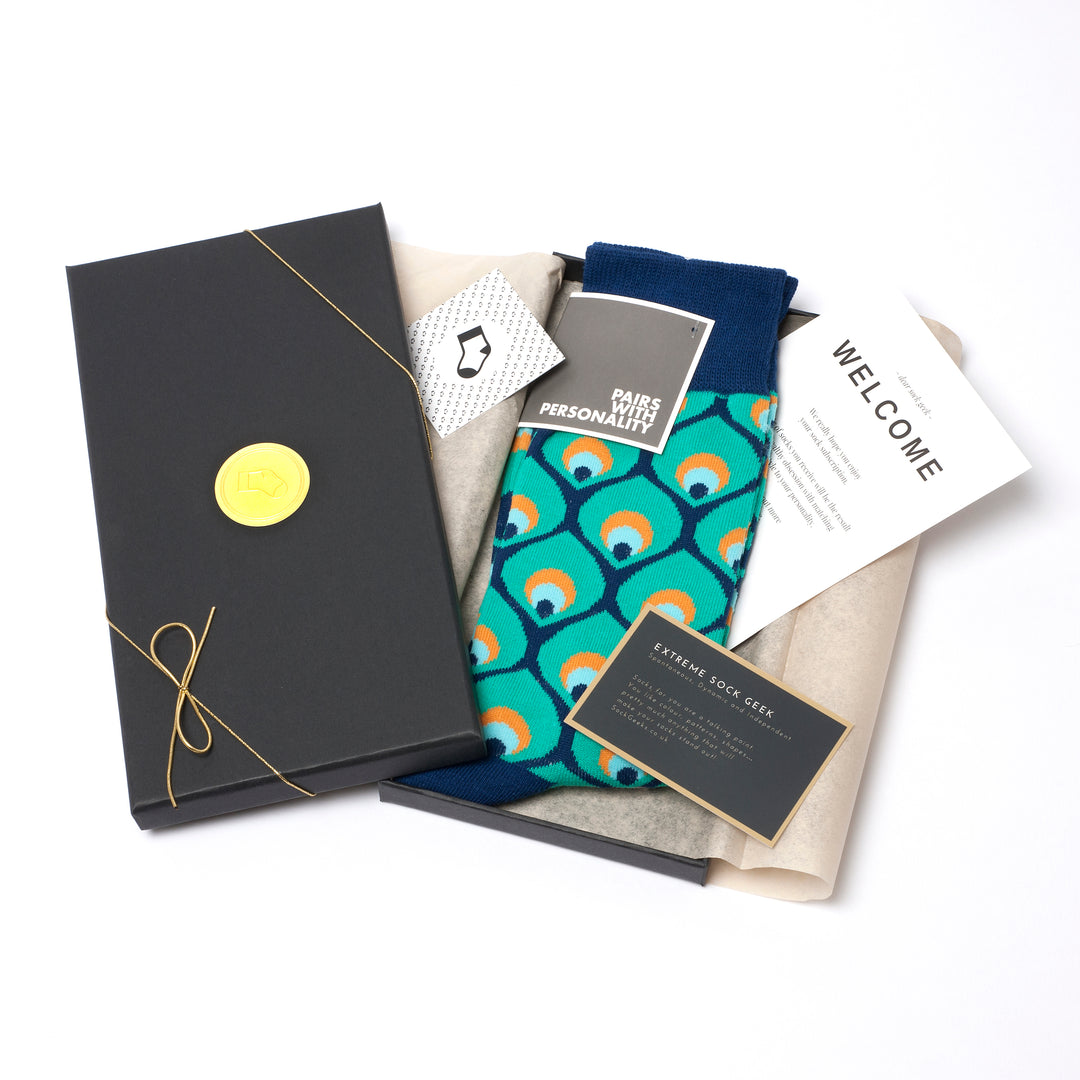
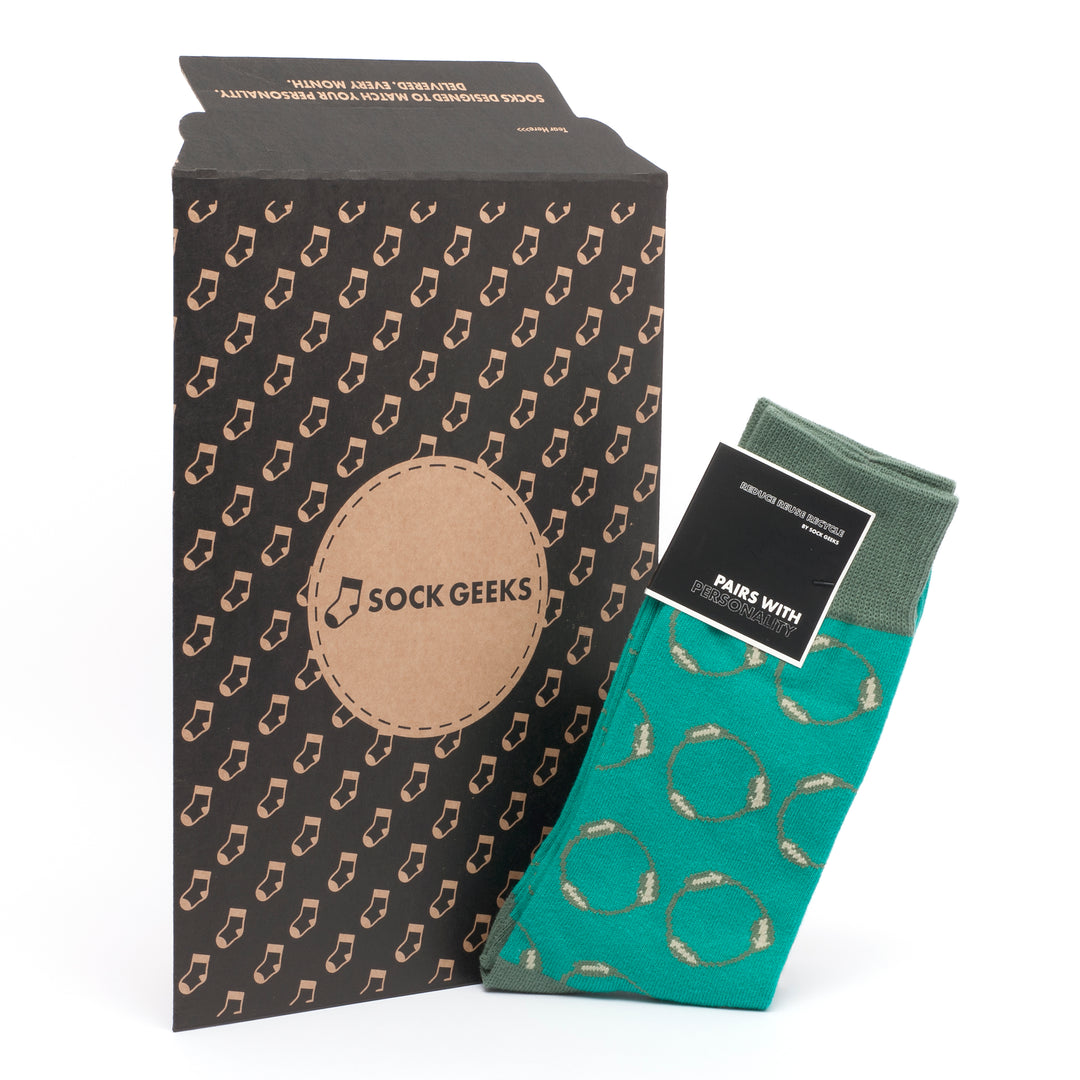
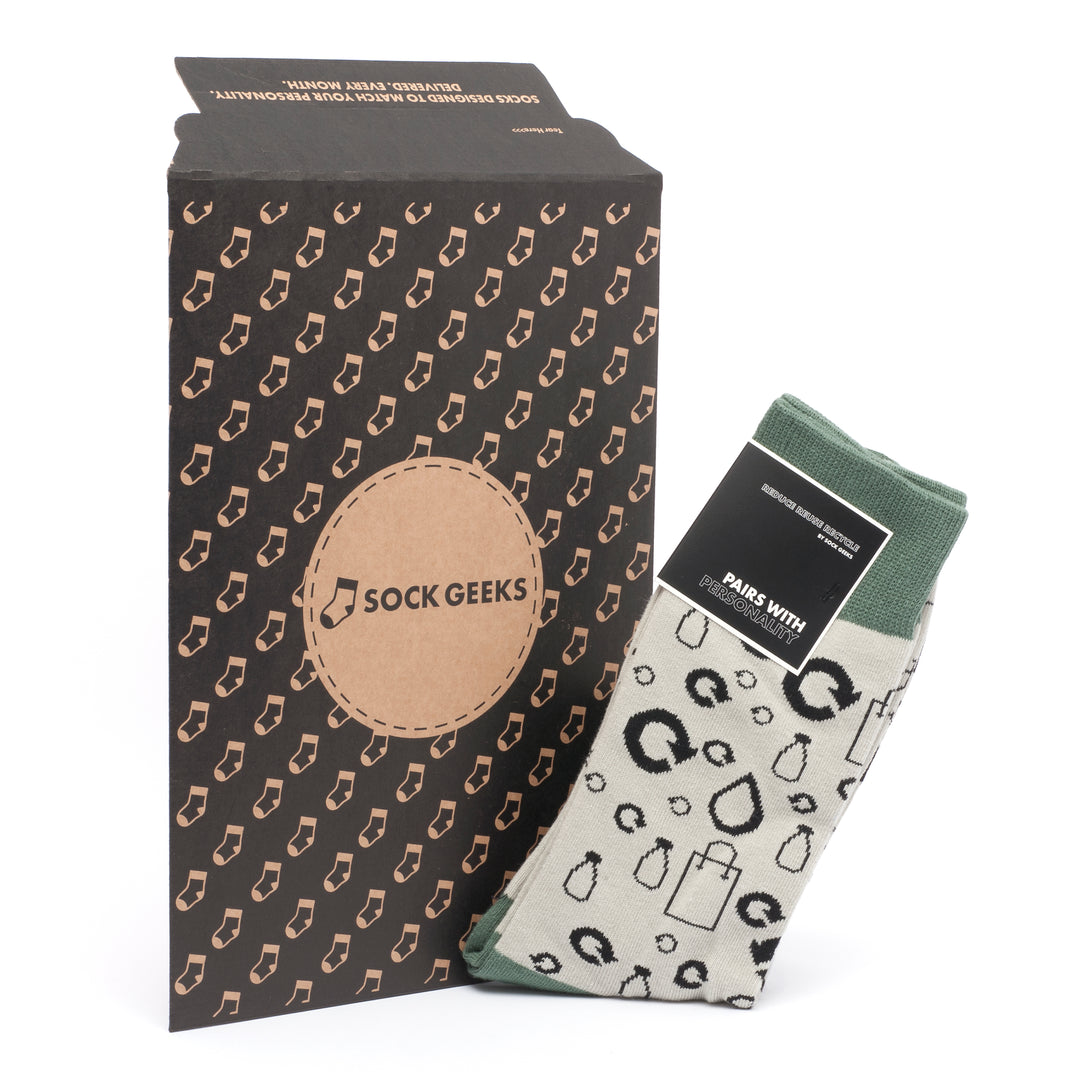
Personality matching gives the category a sharper edge. This is where a specialist such as Sock Geeks makes sense, particularly for UK-made luxury socks, personalised gift boxes and subscriptions that use the recipient’s character rather than a tired “best dad” slogan. Its B Corp status will also matter to shoppers trying to balance quality with sustainability.
Pair socks with a related ritual. Cashmere socks, drinking chocolate and a book make a convincing winter box. Bright everyday pairs, coffee and a compact notebook suit somebody heading into a new job. Hiking socks belong with trail snacks and foot-care balm.
No stigma required.
Which Hamper Types Stand Out in 2026?
The best hampers for 2026 share a few traits: clear provenance, fewer filler products, flexible personalisation and packaging that either earns a second life or recycles easily.
The market is also moving towards mixed physical and digital gifts. A box might arrive with tasting notes and access to an online class. A grooming collection may include a consultation. A food selection can be followed by replenishment deliveries.
That hybrid model gives the present a longer tail.
Food and drink
Food and drink remain popular because they can be shared and consumed. There is no permanent storage problem, assuming the contents are chosen sensibly.
Cheese hampers work particularly well when the pairings have been considered. Stilton wants a different companion from a delicate goat’s cheese. Include suitable crackers, chutney and perhaps port, cider or French white wine rather than treating every bottle as interchangeable.
Champagne hampers suit weddings, promotions and major anniversaries. Look beyond the label. Check bottle size, producer, dosage and accompanying food. A reputable non-vintage champagne with properly matched truffles is preferable to a famous name surrounded by cheap sweet snacks.
Regional collections have more character. British farmhouse cheese, Welsh preserves, Scottish shortbread or produce from a recipient’s home county creates a sense of place. Seafood specialists such as Wright Brothers represent the more adventurous end of this idea, where oysters or smoked fish can become the centrepiece, provided cold-chain delivery is dependable.
Fortnum & Mason remains strongly associated with the traditional luxury hamper: wicker basket, preserves, tea, biscuits, wine and immaculate presentation. That heritage carries appeal, but a Fortnum hamper should still be judged by contents and quantities rather than its familiar eau-de-nil branding alone.
Recognition is comforting. It is not the same thing as personal relevance.
Wellness and grooming
Wellness boxes are becoming quieter and more useful.
The strongest ones avoid vague promises about detoxing or transformation. They offer a coherent evening or morning ritual: bath salts, a gentle cleanser, scented body cream, tea and perhaps a sleep mask. Product ingredients, skin type and fragrance strength should be clearly stated.
Men’s grooming hampers have improved, although too many still assume every recipient wants aggressively scented beard oil. Consider whether he is clean-shaven, has sensitive skin or already follows a particular regimen.
A thoughtful grooming box might centre on one concern, such as dry hands, travel or shaving irritation. Five compatible products are better than a jumble from myriad brands with conflicting fragrances.
Wellness can also mean movement, rest or concentration. Resistance bands and a class pass may suit one person. For another, the ideal box contains puzzles, herbal tea and permission to ignore their phone for an evening.
Experiences and subscriptions
Experiences solve the “already owns everything” problem.
A tasting, workshop, performance or private tour offers scarcity without adding another object to a crowded home. The physical box can contain a small preview: two tasting glasses for a vineyard visit, spices for a cookery class or a notebook for a writing retreat.
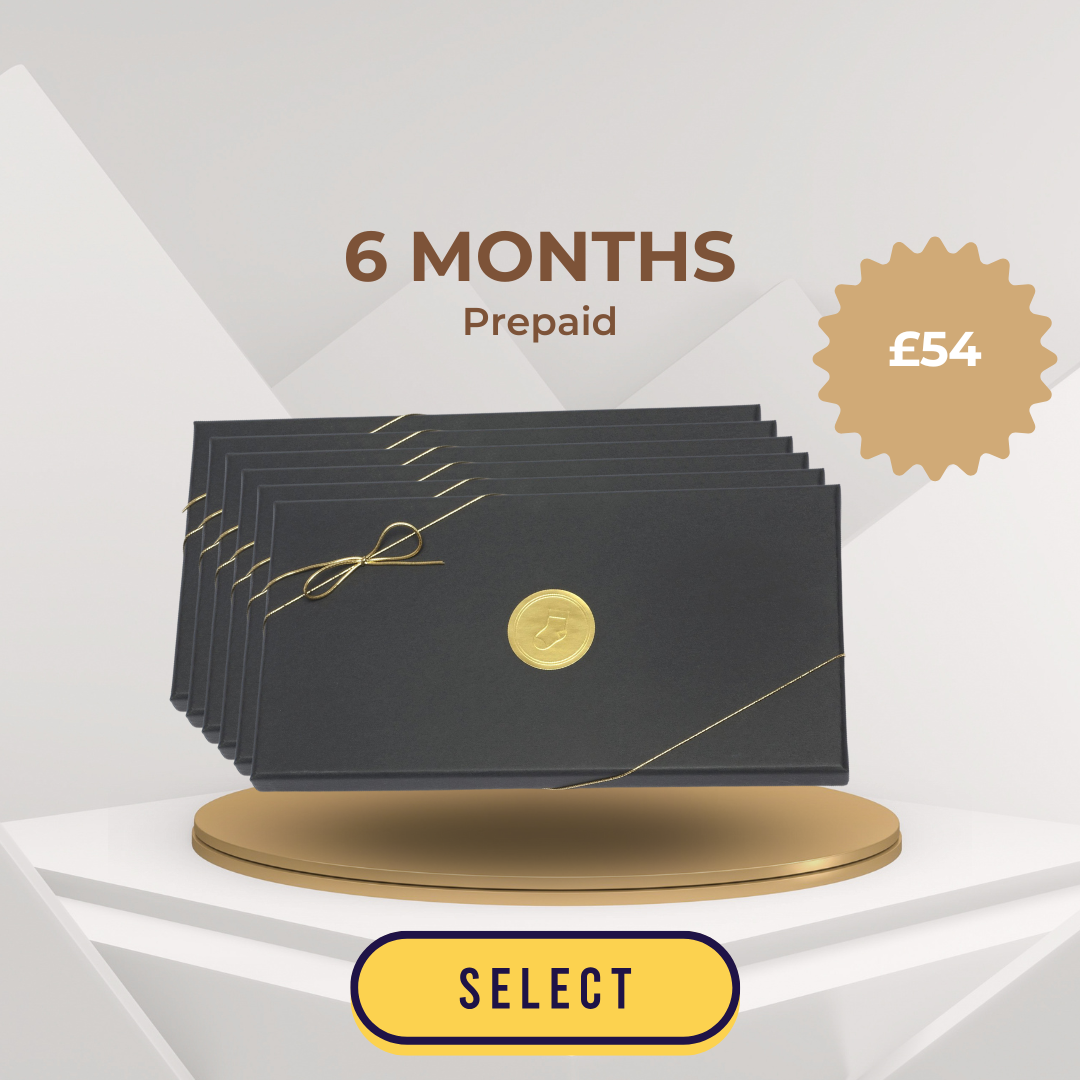
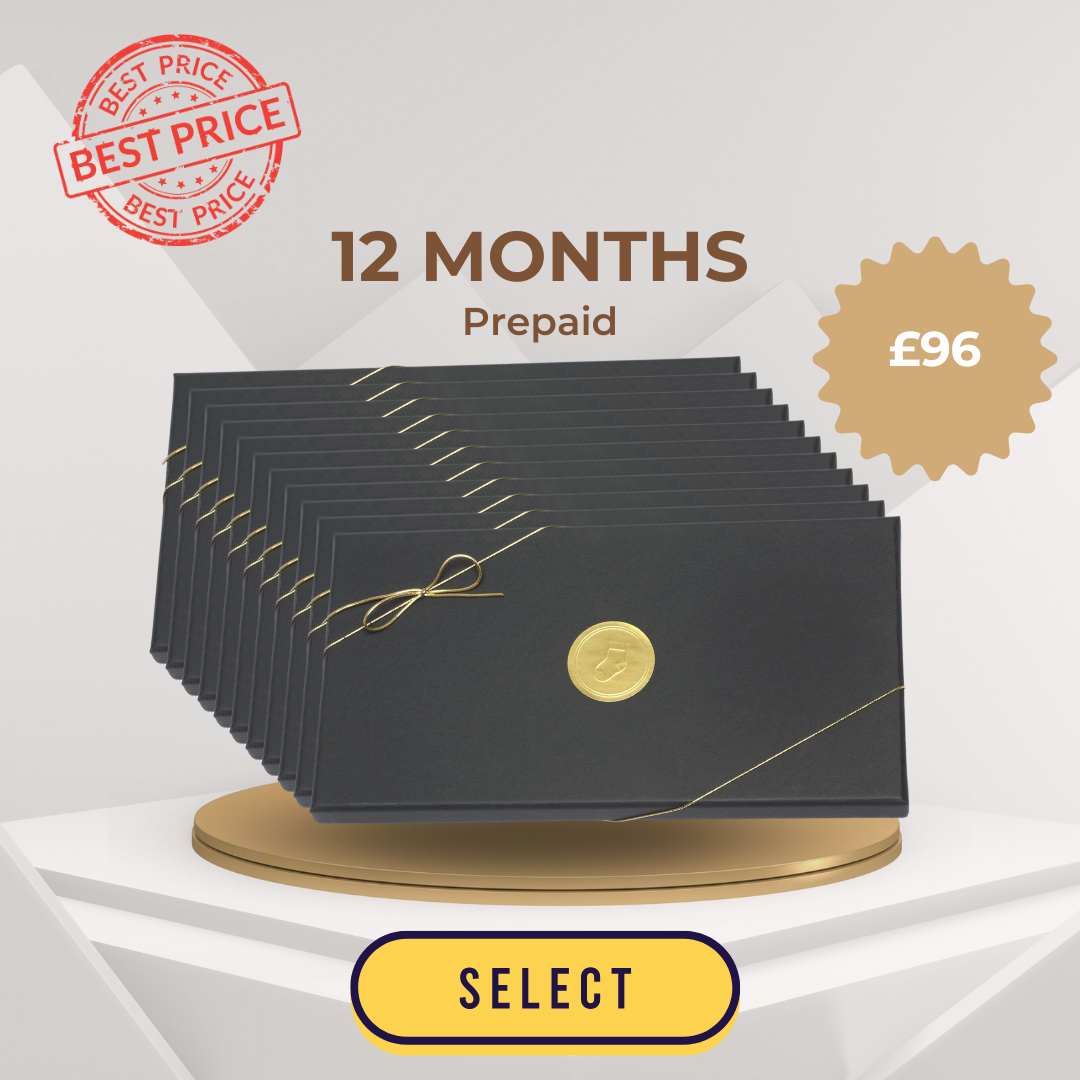
Subscriptions stretch the gesture over time. Coffee, books, flowers, cheese and socks all lend themselves to repeat delivery. They work best when the recipient can adjust preferences, pause shipments and cancel without a bureaucratic siege.
Avoid saddling somebody with an obligation. A meal-kit subscription that requires weekly cooking is not a kindness to a person who travels constantly. An experience voucher with a six-month expiry may create more pressure than pleasure.
Check availability, location, accessibility and blackout dates before buying. The glamorous helicopter flight two hundred miles away is not automatically superior to a local pottery afternoon the recipient can actually attend.
Where Can You Find Reputable Hampers?
You can find the best gift hampers through specific retailer categories known for quality. To ensure a satisfactory purchase, you should remain vigilant about vendor quality and transparency.
Recommended Retailer Categories
-
Specialist Food Merchants: Curators of high-quality food and drink who offer expert selections and good provenance.
-
Independent Producers: Family-run farms, bakeries, and cheesemongers providing unique, fresh, and artisanal options.
-
Established Department Stores: Reliable for standardized quality, broad selections, and often easier returns processes.
-
Vetted Direct-to-Consumer (DTC) Brands: Brands that control their supply chain, ensuring strict adherence to your preferences.
Reputation should be assessed at product level, not merely through attractive photography.
Read recent reviews for delivery accuracy, condition on arrival and customer-service response. Search for comments about substitutions. During busy periods, some sellers reserve broad rights to replace products, occasionally turning a carefully chosen hamper into something quite different.
Seller Assessment Checklist
To ensure you select a reputable seller, verify the following details before clicking purchase:
-
Exact Specifications: Confirm product names, weights, and bottle sizes are listed clearly.
-
Legal & Dietary Compliance: Check if allergens, dietary suitability, and alcohol content are properly disclosed.
-
Substitution Policy: Review the policy for unexpected stock shortages and the seller’s right to substitute.
-
Delivery & Provenance: Confirm delivery restrictions, expected dispatch dates, and storage instructions for perishables.
-
Customer Protection: Examine packaging materials, returns policies, and damage procedures.
For food, look for clear provenance and storage instructions. For beauty or spa products, check ingredient lists and responsible-person details where required by regulations. Alcohol sellers should use age verification and explain geographic restrictions.
Independent makers are often brilliant for distinctive boxes. Small roasters, bakeries, farm shops and cheesemongers can produce fresher, more interesting selections than mass-market gifting businesses. The trade-off may be shorter shelf life or limited delivery coverage.
Marketplaces require more caution. Identify the actual seller, not merely the platform hosting the listing. Reverse-image searches and copied descriptions can expose generic products being resold at inflated prices.
And order early.
Christmas, Valentine’s Day, Father’s Day and Mothering Sunday put courier networks under strain. A beautiful hamper sitting in a depot is merely a beautiful late apology.
A minor historical note is useful here because gifting copy tends to become fanciful. The English word hamper is generally traced through Middle English hanaper and Old French hanapier, referring to a case for goblets or drinking vessels. Claims that jump directly to “Latin hanaparium” often oversimplify that route. Whatever the ancient practice, today’s food basket is a later development rather than an unchanged custom carried neatly across the centuries.
Historians enjoy a messy etymology. Marketing departments rather less so.
Adapt Hampers for Mothers, Babies and Wealthy Recipients
A strong hamper concept should travel beyond men without falling into another set of stereotypes.
Mother’s Day is the obvious example. Good gifts for Mother’s Day depend on the recipient rather than a default avalanche of pink bath products. A garden lover might prefer seeds, secateurs and tea. A reader may enjoy a signed novel, coffee and an afternoon free from interruptions. A food enthusiast could receive a regional breakfast or cheese selection.
Remember that Mother’s Day dates vary globally. In the UK, Mothering Sunday falls on the fourth Sunday of Lent. In the United States and many other countries, Mother’s Day is observed on the second Sunday in May. Delivery scheduling needs to follow the recipient’s location.
For babies, buy for the household as well as the child.
New parents are surrounded by cute objects and short on sleep. Practical, long-lived items usually win: sturdy board books, a quality blanket that can later become a toddler throw, washable clothing in a larger size, muslin cloths or a useful pushchair organiser.
Include food or coffee for the caregivers if dietary needs are known. Avoid strong fragrance, loose decorative pieces and toys unsuited to the baby’s developmental stage. Personalised items should still be washable and easy to use.
The best newborn gift supports a future routine. Reading. Sleeping. Feeding. Leaving the house without a logistical collapse.
Wealthy recipients present a different challenge. Trying to impress them through price is usually futile.
Give access, scarcity or memory instead. A private tasting, a niche subscription, a handmade piece connected to a shared experience or an invitation to spend time together has more meaning than another luxury object selected solely because it is expensive.
A handwritten note becomes particularly important here. It proves the present was chosen by a person rather than delegated to a concierge.
There is a useful rule running through all three cases: reduce friction. Make the mother feel recognised, make the new parent’s day easier and avoid giving the wealthy recipient another possession to manage.
FAQ
What is an ideal gift for a man?
An ideal gift reflects his interests, routines and current stage of life. A themed box containing useful luxuries, favourite food and one personal detail is often safer than a generic item marketed “for men”.
Are socks a disappointing gift?
Cheap, badly sized novelty socks can be disappointing. Premium socks in an appropriate fibre and style are practical, personal and widely appreciated, particularly when paired with related items rather than presented as an afterthought.
Why is a gift basket such a good present?
A gift basket offers variety, can be adapted to almost any budget and creates several chances to please the recipient. It also works for individuals, couples, families and workplaces.
What is the secret to giving the perfect gift?
Pay attention to the recipient’s behaviour. Choose something that supports a habit, solves a small irritation or recalls a shared memory. Cost matters less than evidence of thought.
Should every hamper include food or wine?
No. Alcohol-free, grooming, book, gardening, craft and experience hampers can be more appropriate. Food allergies, religious observance, pregnancy and sobriety should always take precedence over tradition.
Is a wicker basket worth paying extra for?
Only when it will be reused or forms part of the pleasure. Recyclable card, a wooden keepsake box or a practical storage case may offer better value. Packaging should protect the contents, not consume the budget.
How many items should a gift box contain?
There is no perfect number, though five to eight complementary products usually feel generous without becoming cluttered. Quality and coherence matter more than item count.
What should be avoided?
Avoid unknown allergens, token miniature products, overpowering fragrances, short-dated food and jokes that could embarrass the recipient. Be wary of oversized packaging designed to disguise modest contents.
Conclusion
A thoughtful hamper succeeds because it feels edited for a person rather than assembled for a demographic.
Choose a recognisable theme. Mix pleasure with utility. Check allergies, sizes, delivery conditions and quantities. Spend less on spectacle if doing so leaves more room for one genuinely excellent product.
Socks can work. Champagne can work. A notepad, a jar of jam or a future afternoon together can work.
The expensive mistake is assuming the object does all the talking.
It does not.
The memory, habit or small act of care behind it is what turns a box of products into a gift worth keeping in mind.



Leave a comment