






How Custom Printed Fabric Changed Modern Fashion Marketing
Fashion has never been simply about cloaking the body. It has become, over the years, a means of communication per se: colours, designs, materials convey identity, culture and even economic information. And custom printed fabric, one of the earliest and most transformative developments in this evolution, allowed us to take clothing from being static articles into flexible modes of storytelling.

Rather than being confined to simple fabrics or woven ones, designers and manufacturers could imprint highly-detailed, repeatable, and scalable designs on top of fabric surfaces. This change was more than just an aesthetic, it impacted how fashion relates to marketing, branding, and cultural expression.
From Craft to Early Industry: The Origins of Printed Fabric
The history of print on textiles is much older than the fashion system we have today. As far back as our early civilizations, some ten thousand years ago, from India to Egypt to China, hand-block printing was being tried. Blocks of wood engraved with designs were applied to fabric dyed by hand, typically in natural dyes to transfer symbolic and ornamental patterns.
Historical studies of the development of textiles have shown that various forms of printing have existed independently in different regions around the world since at least 300 CE.
Before industrialization, printed fabrics were:
-
Labor-intensive to produce
-
Limited in scale
-
Used for cultural, ceremonial or nobility
At that point, textile design was an artisan workshop instead of a money-making machine.
The Industrial Revolution And The Move Towards Mass Production
It was during the Industrial Revolution when you saw big, big change. Roller printing, a mechanical method of printing fabrics made using this technique, could be produced in bulk with repetitive designs. This migration gave a path for designs to travel far away from local crafts, flowing into global trade systems.
With the scaling of productivity, printed fabric has started to fulfil different functions:
-
The workers and institutions of the world in standardized uniforms
-
Decorative textiles for mass markets
-
Tanya used to design graphics simply with the worst forms of visual branding on top of the clothing.
The cloth could be utilized not only for visual identity, but also for identification and reusing that would in later years become fundamental in the marketing field.
Modern Printing Approaches
Textile printing is not today refrained to manual or mechanical repetitive work only. It has broadened into a number of the most sophisticated methods, with each yielding its own peculiarity to brand promotion in fashion:
Screen Printing
Screen printing is one of the universality processes; in screen printing, stencils placed on fabric and ink are pushed through it. Great for expressive, repeatable graphics and has been widely applied in uniforms and promotional wear.
Heat Transfer Printing
This process involves applying heat and pressure to transfer designs from a carrier surface to fabric. This allows faster customisation and is usually used for low volume production.
Sublimation Printing
Sublimation is the process where dye becomes gas and adheres to synthetic fibers such as polyester. The end product is high-quality, long-lasting prints that have become a standard in sportswear and performance clothing.
Digital Textile Printing
Digital printing is the newest technique, which uses inkjet technology to print designs directly on fabric. It permits unlimited color variation, fast prototyping, and production with a low minimum order.
All of these techniques have opened up new avenues for creative and commercial fashion design.
The Marketing Revolution: From Fabric to Branding
With the advancement of printing technologies, brands quickly realised that fabric would become an effective direct-marketing surface. This would lead to logos and messages integrated directly into clothing as opposed to just advertisements.
This resulted in a number of substantial shifts in the fashion marketing space:
Clothing as mobile advertising
A publication (printed garment) is basically a moving visual message. Logos, slogans and graphics started working as identity markers instead of mere ornaments.
Event-based branding
Custom Apparel at Events: Concerts, sports events, festivals, branded apparel was made for crowd-sourcing audiences and reminders of commonality.
Visual identity systems
The idea was to establish a visual brand identity for teams or companies that used the same printed materials-gears, jerseys, scarves, caps, in different contexts.
It became an integral part of brand storytelling, printed fabric.
Cultural Factor: The Influence of Streetwear and the Expression of Identity
Not only did they serve business branding, but screen-printed fabrics also played a central role to cultural expressions. And streetwear culture, especially led its dynamic vibe not so much in clothing but bold graphics, patterns and slogans to express identity and militancy and community.
Accessories such as socks, bandanas and jerseys became more of a statement piece than a functional item. They indicated affiliation with skateboarding, the hip-hop community or sports.
Fashion became more democratized with the advent of printed fabric. Users were no longer simply the receptacles of design, they could be part of shaping it!
Psychological Impact of Printed Clothing
There is also a psychological aspect to custom printed clothing. Research in fashion behavior indicates that clothing serves as a tool for self-expression;
-
Express identity
-
Signal group belonging
-
Communicate personality traits
This effect is amplified with printed fabric, as the message (whether simple geometric patterns or more elaborate motifs) is rendered visible. We can immediately communicate meaning without using any words through patterns, colors, and symbols.
This is one reason uniforms, team gear, and branded clothing continue to be so effective in marketing and socially.
Sustainability In The Face Of Mass Printing Issues
Although custom printing has opened the doors to expanding creativity, it has also led to ecological issues. Traditional textile printing often involves:
-
High water usage
-
Chemical dyes
-
Energy-intensive production processes
Yet, a number of modern advances are meeting those challenges. Digital printing minimizes waste by producing only what is needed and it is on-demand (which reduces inventory cost) as well, the inks are eco-friendly, with recycled materials.
While there are challenges still ahead, especially in large-scale fast fashion production, the industry is slowly moving into more sustainable systems.
Digital Era – Speed, Personalization and Global
Custom fabrics for production have been accelerated by digital design tools and online manufacturing platforms. When those creators promote new patterns through reels, styling videos, or behind-the-scenes campaign clips, they can add subtitles to video so the brand story behind each custom print is easier to follow, even when viewers watch without sound.
Designers can create patterns on a computer, test them immediately, and scale up or down the number of items they need in a way that bypasses conventional manufacturing hurdles.
This shift has:
-
Reduced production time dramatically
-
Increased design experimentation
-
Let the world order custom textiles
Even small creators can sway fashion trends today, thanks to the power of printed fabric designs shared online.
Final Thoughts
Custom printed fabric changed the game, and now fashion is no longer simply a static surface but instead an active diaphanous communication system. From its origins as a hand-rendered embellishment, it has transformed into an international lingua franca of branding, identity, and culture around the world.
Every stage of evolution made it possible for humans to use garments as a meaningful expression, from old block printing to the digital textile systems. As of today, printed fabric is no longer simply about looks, it has become a form of storytelling at scale.
Even those who specialize in creating clothing for textiles, break ground anew within the range of modern textiles culture. Today, the fusion of function and self-expression in textiles can be seen with custom accessory makers like 4inbandana.
As technology evolves, custom printed fabric will almost certainly become even more bespoke, sustainable and woven into the simulacrum of all things digital, retaining its position as one of the most disruptive marketing tools available to fashion over the short, medium and possibly longer term.
Fashion Accessories and Personal Identity in Modern Branding
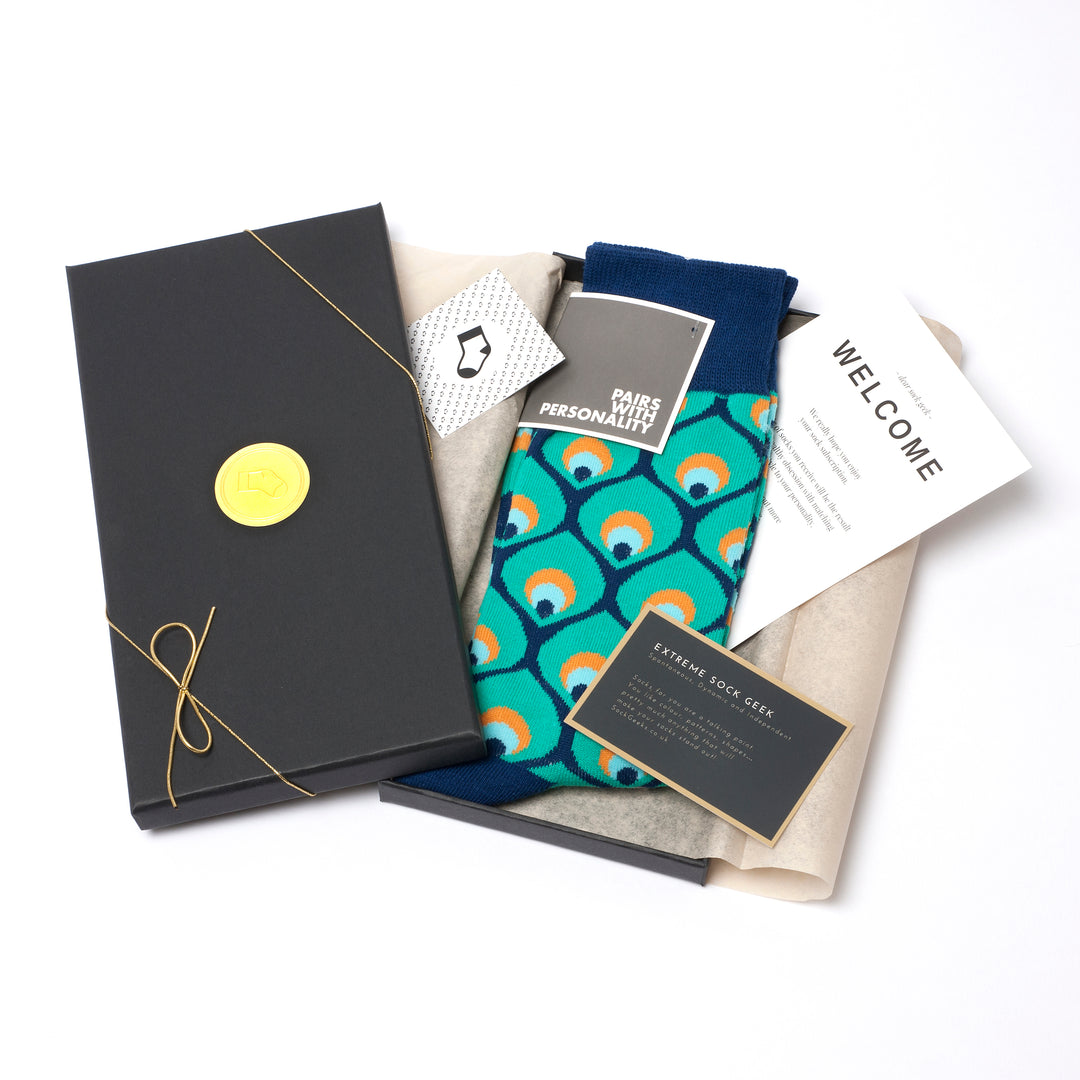
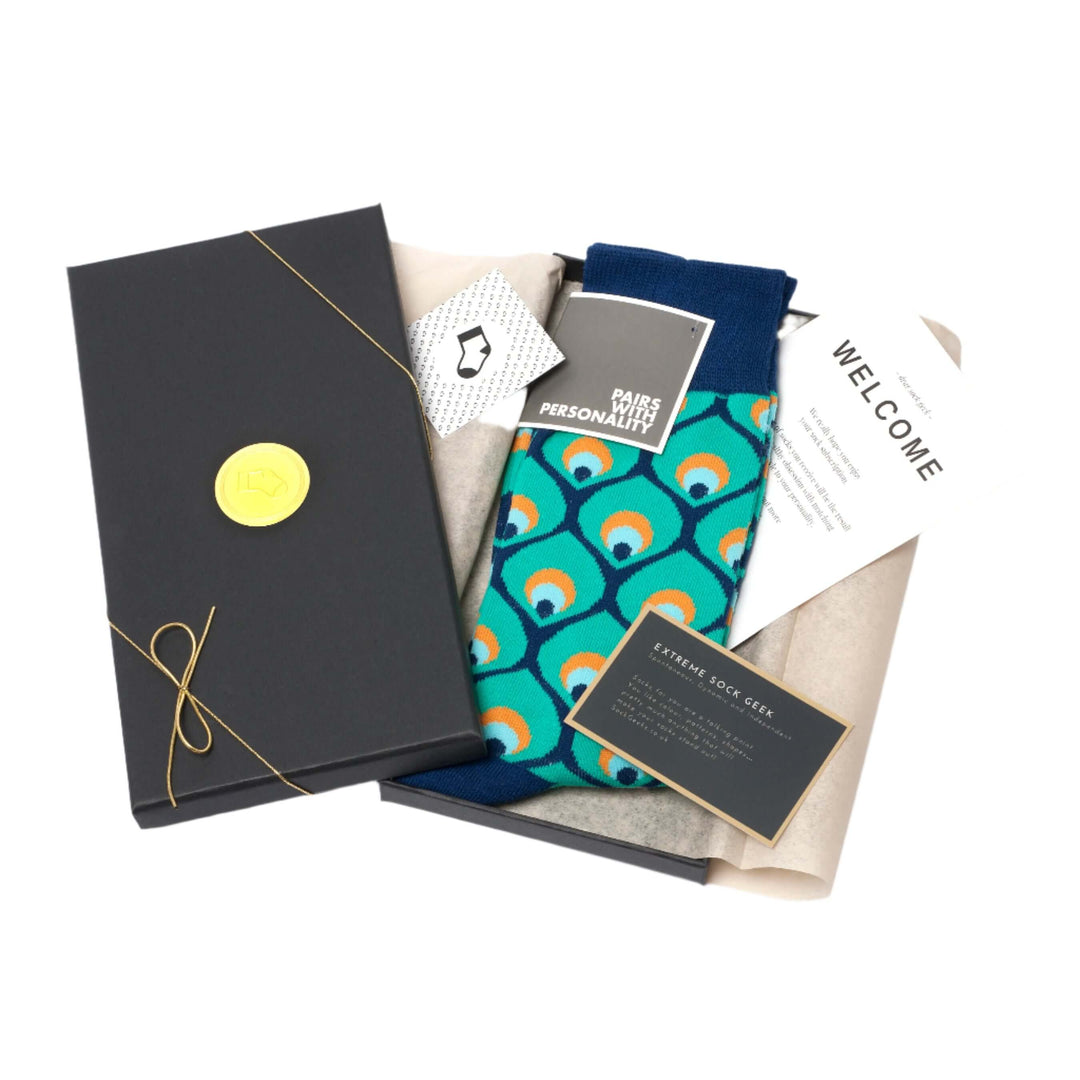
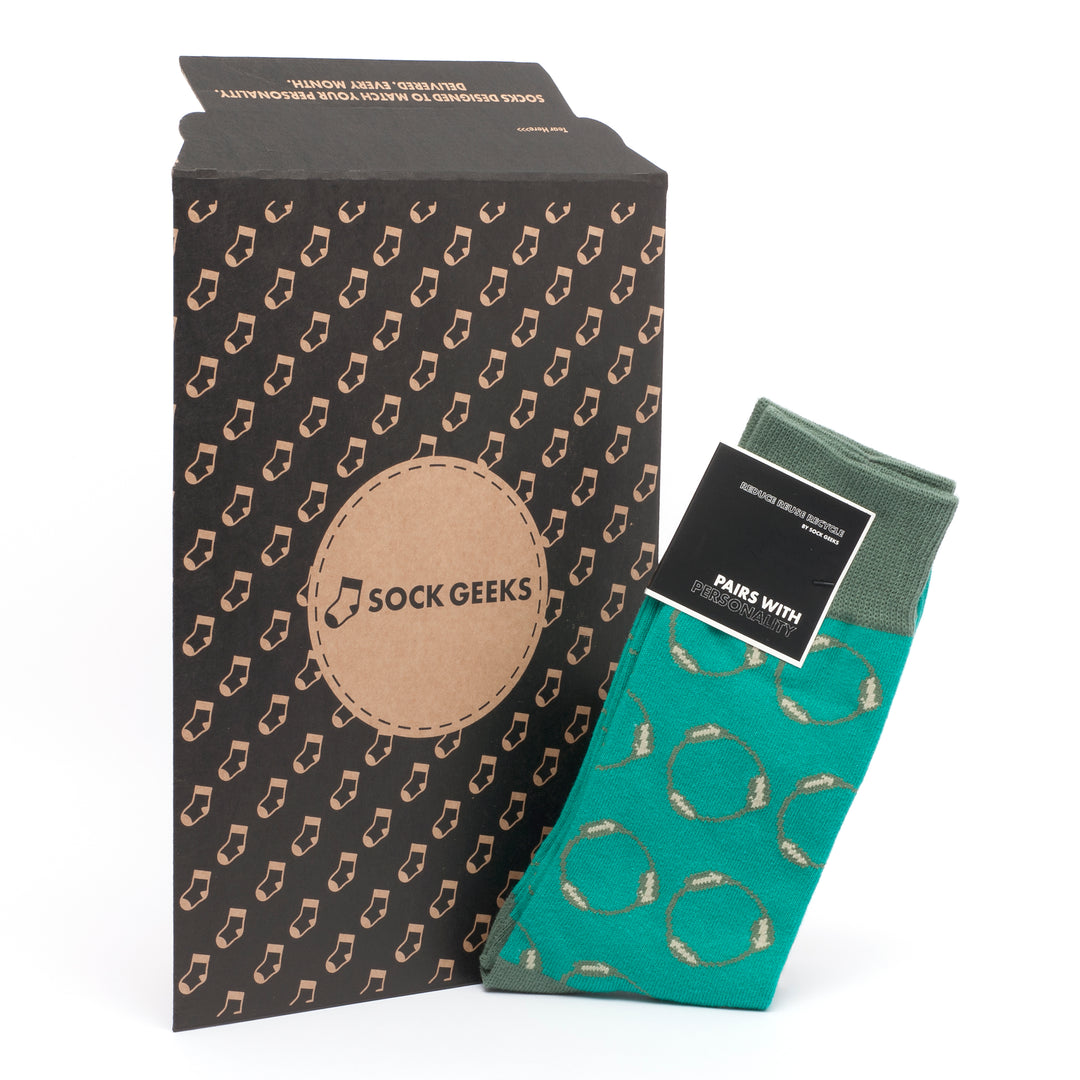
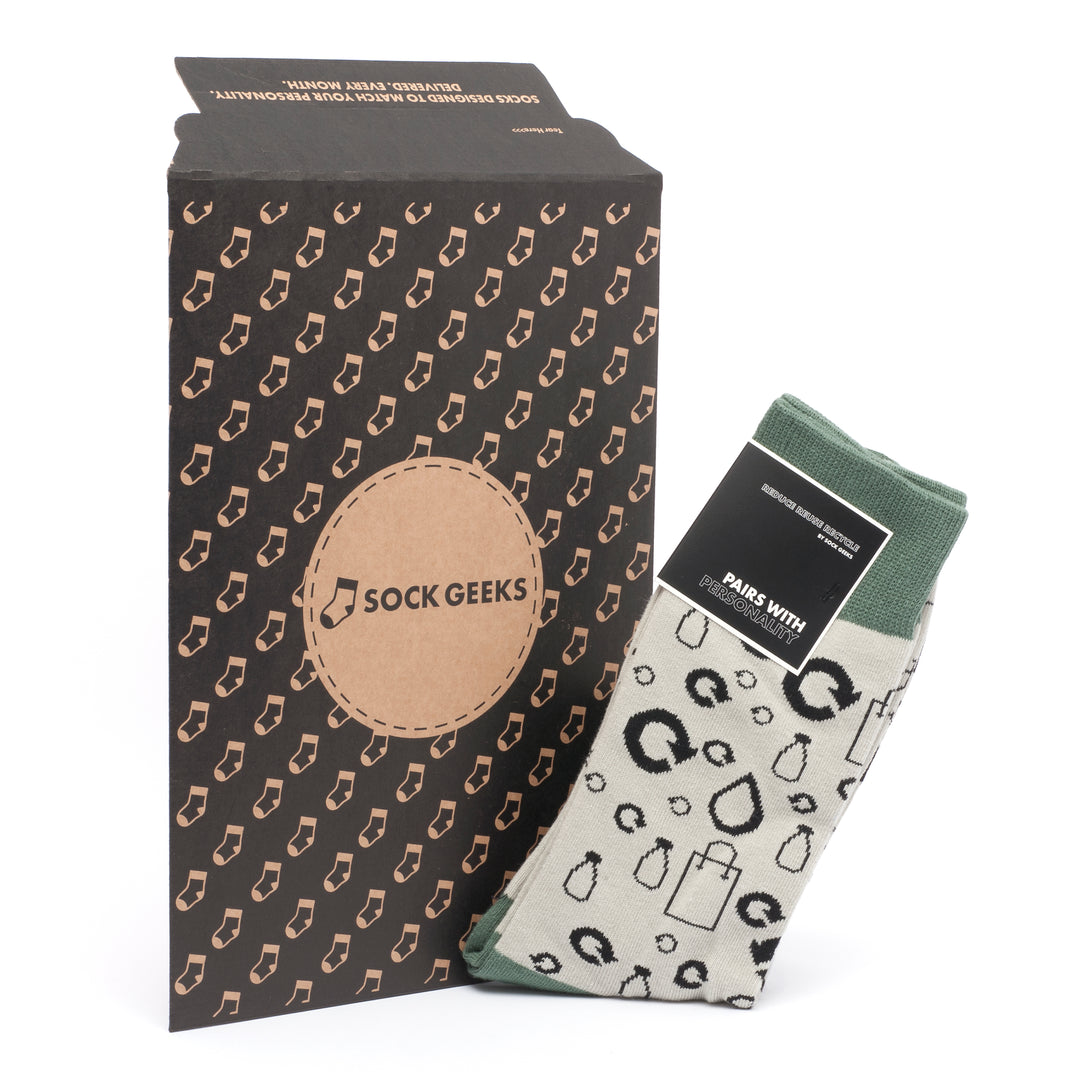
The evolution of custom printed fabric has also influenced how smaller fashion accessories contribute to branding and self-expression. Companies such as 4inbandana demonstrate how printed textiles can move beyond clothing into accessories that communicate identity, creativity, and group belonging. Printed bandanas, scarves, and wearable accessories are now widely used at festivals, sports events, music culture, and promotional campaigns as visual symbols of community and shared experience. In a similar way, brands like Sock Geeks show how even socks can become part of fashion storytelling through bold patterns and personality-driven design. These accessories highlight how modern fashion marketing increasingly relies on wearable visual communication, where fabrics are no longer simply decorative materials but tools for emotional connection, recognition, and cultural identity.





Leave a comment