





How to spot high quality sock designs: a buyer's guide
High quality sock design is defined by four measurable factors: fibre composition, knitting technique, pattern integration method, and ethical certification. Most shoppers judge socks by colour or price alone. That approach consistently leads to disappointment, because a beautifully printed sock can fade after three washes while a plain merino pair lasts years. Brands like Pantherella and Bombas have built loyal followings precisely because they engineer every one of those four factors deliberately. This guide teaches you to read those signals before you buy.
How to spot high quality sock designs by their materials
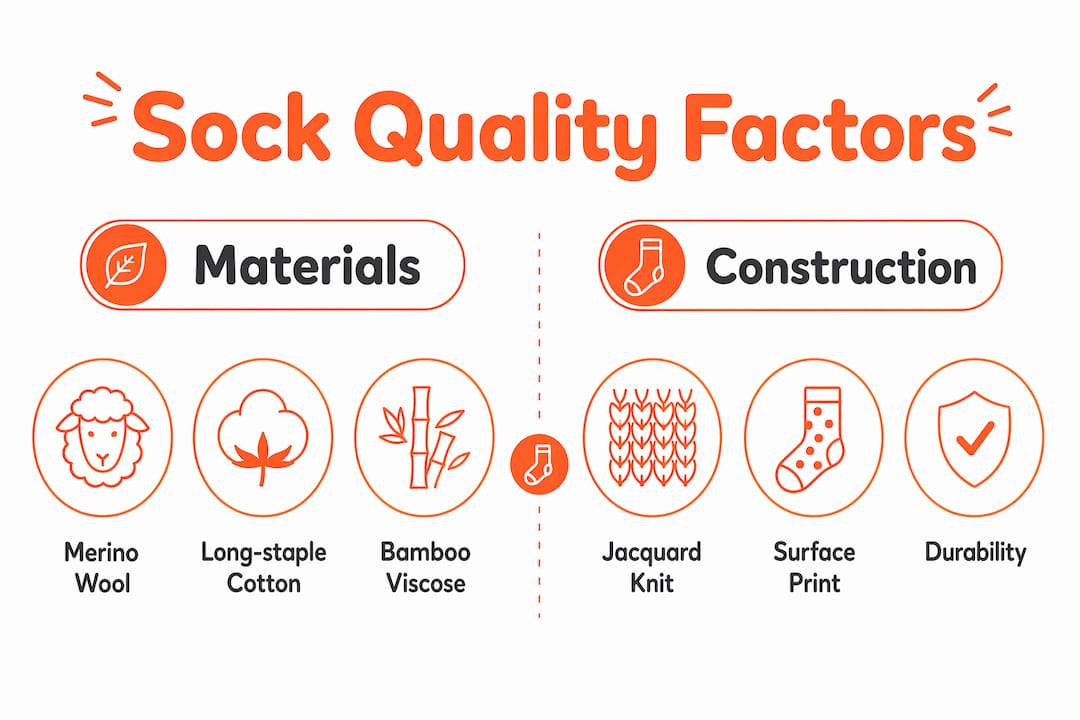
The fibre content label is the single most reliable quality indicator on any sock. Merino wool, long-staple cotton, and bamboo viscose are the three primary fibres found in genuinely premium hosiery. Each offers a distinct combination of softness, breathability, and durability that synthetic alternatives cannot replicate.
The best quality socks follow a clear blend formula. Ideal blends carry 70%+ primary fibre content, with 15–25% nylon added for abrasion resistance and 1–3% elastane for stretch and shape retention. That ratio matters because nylon reinforces the heel and toe without making the sock stiff, while elastane keeps the cuff snug without cutting off circulation.
Pure polyester socks sit at the opposite end of the quality spectrum. They trap heat, retain odour, and pill quickly under normal wear. A sock labelled simply “synthetic blend” with no fibre percentages listed is almost always hiding a high polyester content.
- Merino wool: regulates temperature in both cold and warm conditions; naturally odour resistant
- Long-staple cotton (e.g. Egyptian or Pima): produces a smoother, more durable yarn than short-staple cotton
- Bamboo viscose: exceptionally soft and moisture wicking, though it requires blending with nylon for durability
- Nylon: adds wear resistance, particularly in high-friction zones like the heel and ball of the foot
- Elastane/Lycra: provides stretch and recovery; 1–3% is the standard range for dress and casual socks
Pro Tip: Read the full fibre breakdown, not just the headline material. A label reading “75% merino wool, 23% nylon, 2% elastane” tells you everything. A label reading “wool blend” tells you almost nothing.
Knit-in vs printed: how construction reveals lasting style
The method used to apply a pattern to a sock determines how long that pattern survives regular washing and wearing. Two fundamentally different approaches exist: knit-in designs and surface-applied prints. Understanding the difference is one of the most practical skills you can develop when you want to find unique sock designs that actually hold up.
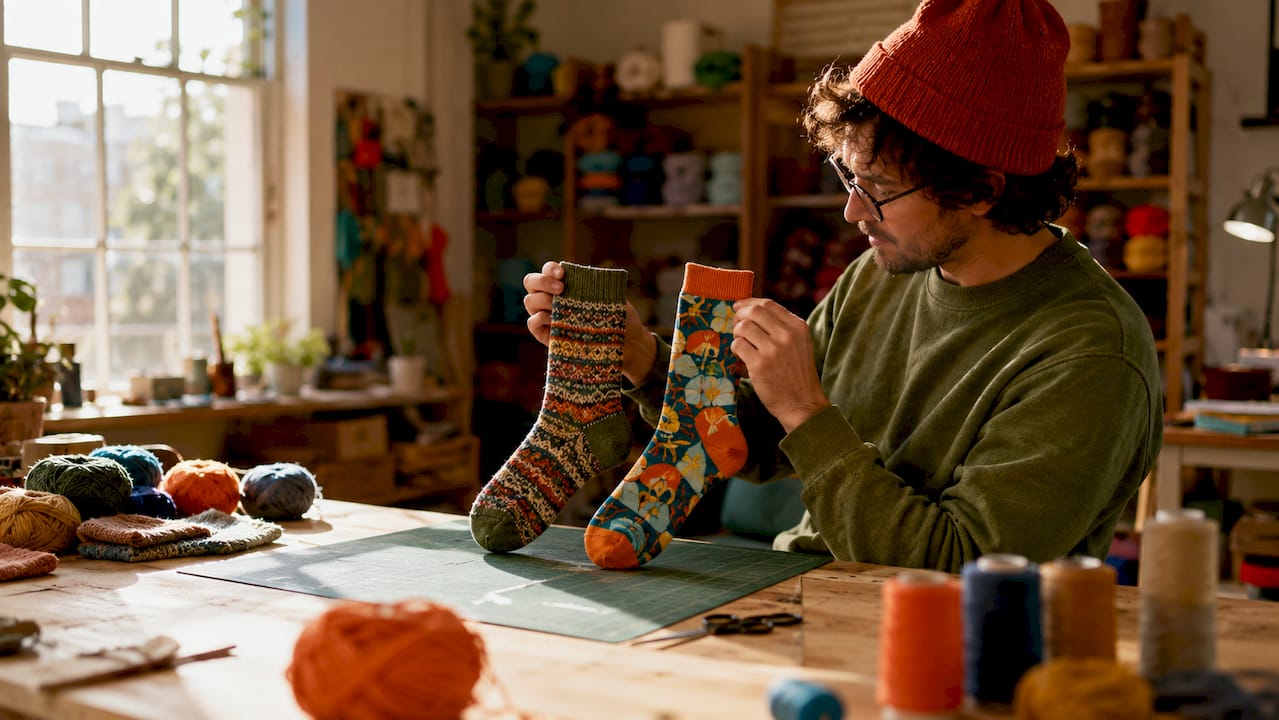
Jacquard knitting integrates the pattern directly into the yarn structure during production. The colour is part of the fibre itself, not sitting on top of it. This means the design cannot crack, peel, or fade in the way that a surface print can. Intarsia knitting works similarly but suits isolated motifs rather than all-over repeating patterns, and it produces a cleaner reverse side with no carried yarn floats.
Surface prints, including screen printing, sublimation, and digital inkjet methods, apply pigment on top of the finished fabric. Printed designs risk colour rub-off, cracking, and fading because the ink adheres to the surface rather than being structural. Sublimation printing also generates significant heat during application, which damages spandex fibres and reduces the elasticity of compression socks.
| Feature | Jacquard knit | Surface print |
|---|---|---|
| Pattern durability | Excellent; colour embedded in yarn | Poor to moderate; ink sits on surface |
| Wash resistance | Very high | Degrades with repeated washing |
| Design complexity | All-over repeating patterns | Unlimited colour detail possible |
| Comfort on skin | Smooth; no ink layer | Can feel stiff or rough over time |
| Best use case | Dress, casual, and compression socks | Fashion novelty items with short lifespan |
Compression socks specifically require jacquard knitting to preserve elasticity. The heat involved in sublimation printing degrades the spandex content, which directly reduces the graduated compression that makes those socks medically or athletically useful.
Pro Tip: Search product descriptions for the words “jacquard” or “knit-in pattern.” If a product page only mentions the design visually and never describes the construction method, assume it is a surface print.
What certifications reveal about ethical sock production
Certifications are the only objective way to verify ethical production claims. Marketing language like “eco-friendly” or “sustainably made” carries no legal weight and no third-party verification. Certifications do.
GOTS (Global Organic Textile Standard) requires a minimum of 70–95% certified organic fibres throughout the entire supply chain. It also mandates wastewater treatment at processing facilities and social compliance standards for workers. A GOTS label covers the full journey from raw fibre to finished garment, which is why it is the most demanding certification in the textile industry.
OEKO-TEX Standard 100 operates differently. It tests the finished product for harmful substances, including pesticide residues, heavy metals, and formaldehyde. GOTS and OEKO-TEX serve complementary roles: GOTS covers process and supply chain ethics, while OEKO-TEX confirms the finished sock is safe against your skin. The strongest ethical socks carry both.
For wool specifically, the Responsible Wool Standard (RWS) certifies farms for animal welfare and land management practices. Combining RWS with GOTS provides full supply chain assurance for wool-based products, from pasture to packaging.
- GOTS: covers organic fibre content, processing, and worker welfare across the entire supply chain
- OEKO-TEX Standard 100: tests finished textiles for over 100 harmful substances; relevant for all fibre types
- Responsible Wool Standard (RWS): certifies ethical farm-level practices for wool sourcing
- How to verify: check brand transparency about certifications and cross-reference claims against the official GOTS and OEKO-TEX certification databases online
How do you find unique sock designs that stay creative and durable?
Unique hosiery options and creative sock patterns are not automatically high quality. The design method determines whether a striking pattern survives real-world use or deteriorates quickly. Jacquard knitting is the standard production method for durable creative patterns in the premium sock market.
Jacquard knitting is the workhorse for durability in graphic knitwear. It produces all-over repeating patterns, from geometric shapes to animal motifs, with colour embedded in the yarn. The result is a pattern that looks as sharp after fifty washes as it did on day one. Intarsia suits isolated artwork, such as a single bold motif on the ankle, and produces a particularly clean finish.
Surface prints can achieve photographic colour detail that knitting cannot. That capability makes them attractive for novelty designs. The trade-off is longevity. A multicolour photographic print on a cotton sock will begin to crack and fade within months of regular use.
When shopping online for high-end sock styles, these signals indicate genuine design craftsmanship:
- The product description mentions jacquard or intarsia construction
- The fibre content shows 70%+ primary fibre with nylon reinforcement
- The brand publishes information about its design and production process
- Customer reviews mention pattern durability after extended washing
- The sock has a visible texture or relief to the pattern when viewed closely, which indicates knit-in construction rather than a flat printed surface
Sockgeeks sources designs that use knit-in construction, which is why the patterns on their subscription socks retain their detail and colour across repeated washes. You can read more about their approach to design quality on the Sockgeeks sock blog.
What mistakes do buyers make when selecting quality socks?
The most common purchasing mistake is trusting vague label language over specific fibre data. A sock labelled “organic cotton” with no certification and no fibre percentage breakdown may contain as little as 20% organic content. The word “organic” alone means nothing without GOTS or a comparable certification.
A step-by-step approach to evaluating any sock purchase:
- Read the full fibre label. Confirm the primary fibre is 70% or above. Note the nylon and elastane percentages.
- Check the design method. Look for “jacquard” or “knit-in” in the product description. Absence of this language is a warning sign.
- Verify certifications. Search for GOTS, OEKO-TEX Standard 100, or RWS logos on the packaging or product page.
- Assess the cuff construction. A tight ribbed welt with adequate elastane keeps the sock in place. Weak cuffs cause socks to slide down throughout the day, which is a direct sign of poor construction.
- Check care instructions. Socks that require hand washing only are often made from delicate fibres that will not withstand daily use. Machine-washable merino or cotton blends offer the best balance of quality and practicality.
Common pitfalls to avoid include trusting 100% synthetic compositions for everyday wear, accepting “wool blend” without a percentage breakdown, and buying novelty socks with surface prints for occasions where longevity matters.
Pro Tip: Care instructions reveal construction quality. A sock that survives a 40°C machine wash without shrinking or losing shape has been properly constructed and finished. Check the label before you buy.
Key takeaways
High quality socks are identified by fibre composition, knit-in pattern construction, and verified ethical certifications working together.
| Point | Details |
|---|---|
| Fibre content is the first test | Look for 70%+ merino wool, long-staple cotton, or bamboo viscose with nylon and elastane blended in. |
| Jacquard knitting outlasts surface prints | Knit-in patterns embed colour in the yarn and resist fading, cracking, and peeling across repeated washes. |
| Certifications confirm ethical claims | GOTS covers the full supply chain; OEKO-TEX Standard 100 confirms the finished product is free from harmful substances. |
| Cuff construction signals overall quality | A tight ribbed welt with 1–3% elastane keeps socks in place and indicates careful construction throughout. |
| Vague label language is a red flag | Terms like “wool blend” or “eco-friendly” without percentages or certification logos are unreliable quality indicators. |
Why I think most people are shopping for socks completely wrong
After years of paying attention to what actually makes a sock last, I have come to one firm conclusion: most people are optimising for the wrong thing. They choose based on pattern appeal or price, and they end up replacing socks every few months without ever questioning why.
The shift that changed my thinking was learning to read fibre labels the way you would read a food ingredient list. The order and percentage of each fibre tells you exactly what you are getting. A sock with 40% polyester near the top of the label is not a quality sock, regardless of how attractive the design looks in the photograph.
Ethical production is the other factor that gets underestimated. GOTS and OEKO-TEX certifications are not marketing badges. They represent independent audits of real production facilities. When a brand carries both, it has submitted to scrutiny that most manufacturers actively avoid.
The future of sock design sits at the intersection of jacquard craftsmanship and genuinely certified materials. Brands that invest in both are building products worth paying for. Everything else is a compromise dressed up in a clever pattern.
Sock Geeks: premium socks matched to your taste
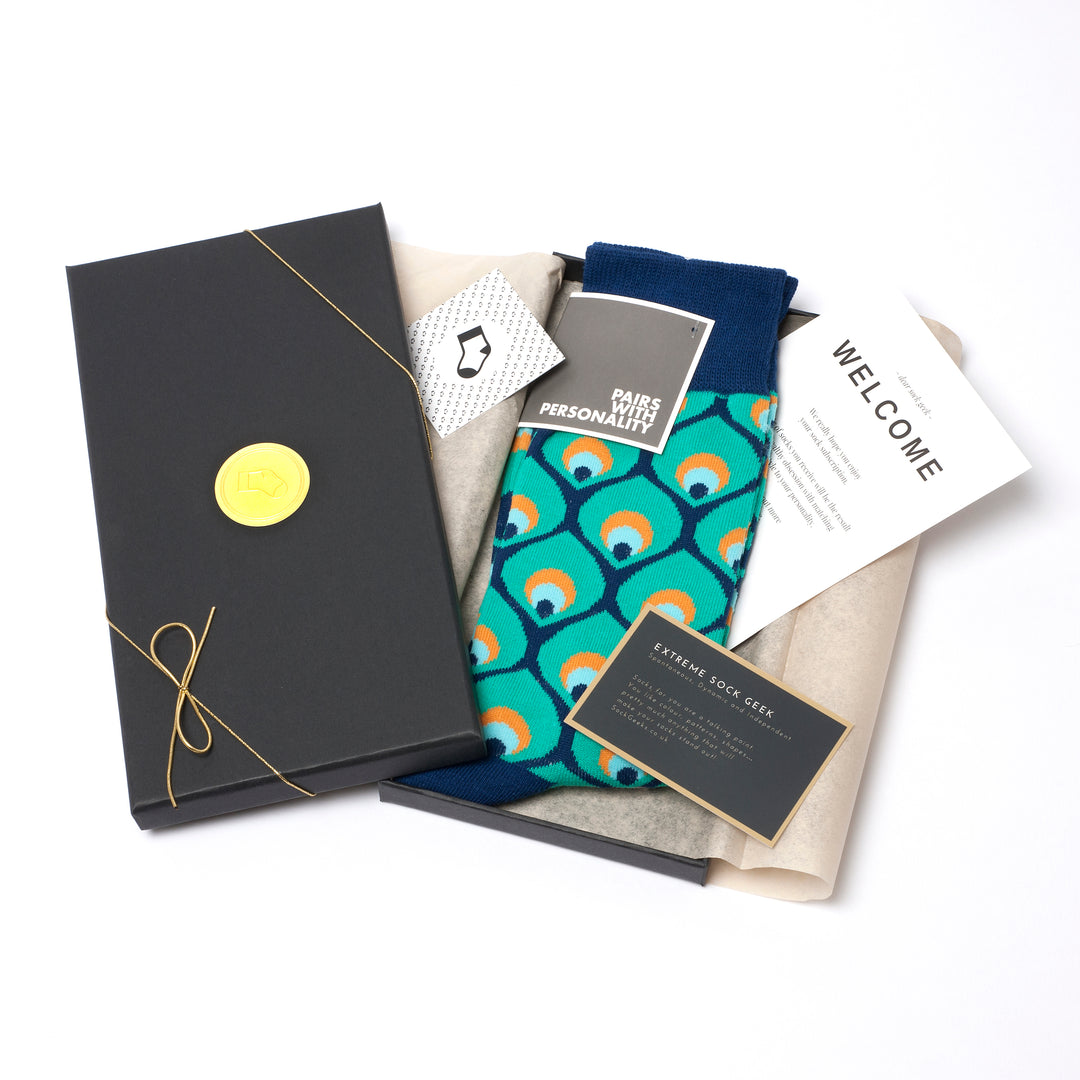
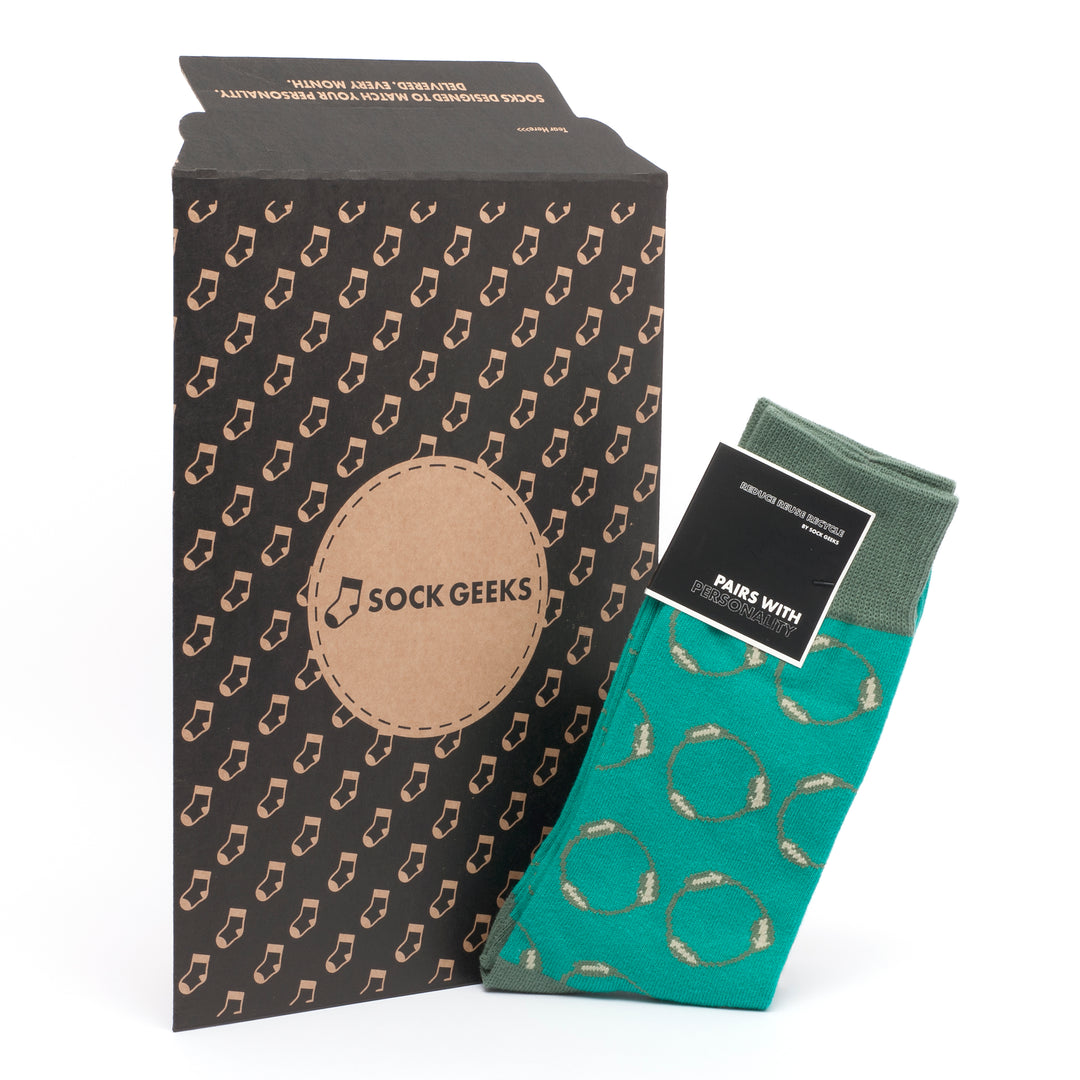
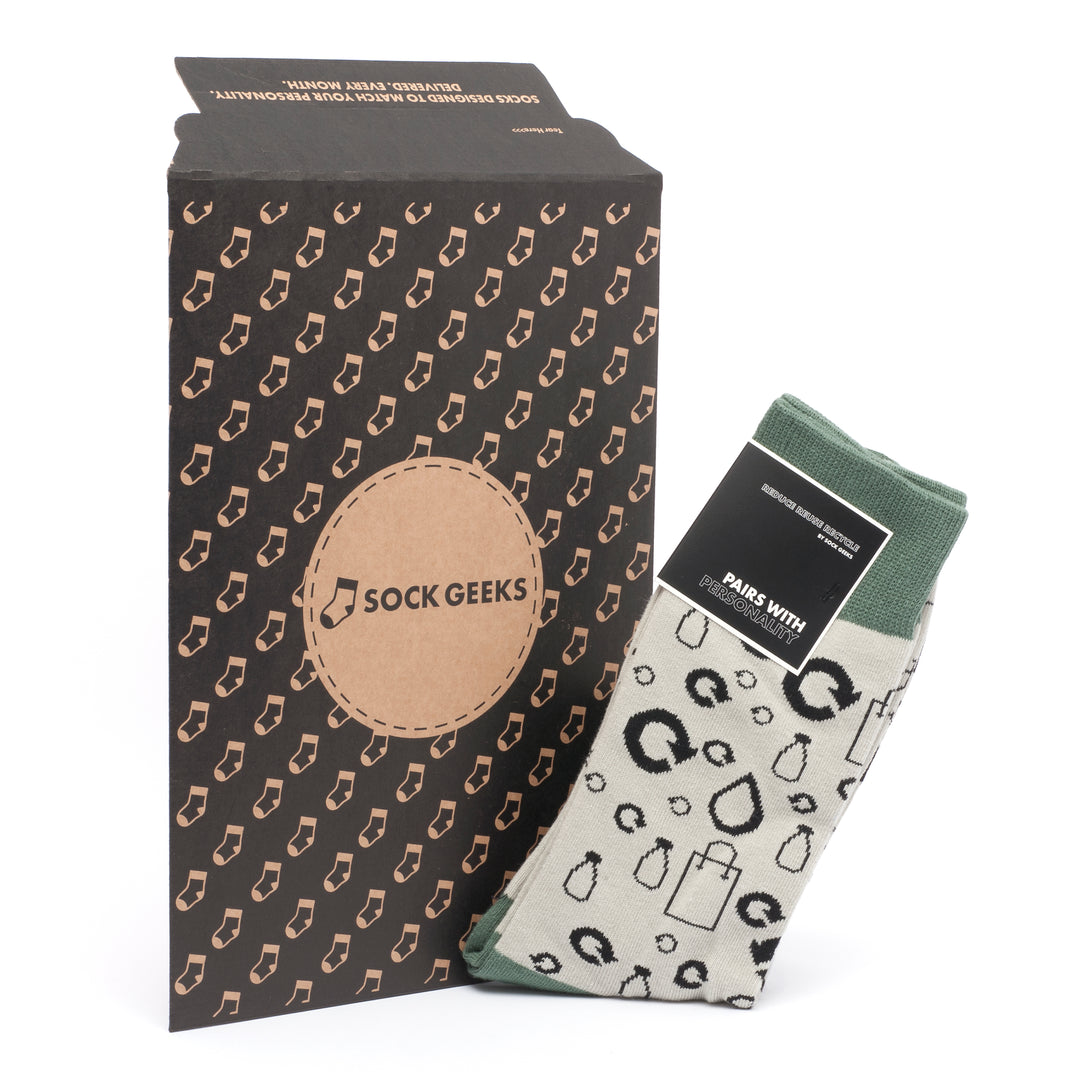
Sock Geeks delivers high quality, ethically sourced socks through a subscription service built around a personality quiz that matches each pair to your individual style. Every design uses premium fibres and knit-in construction, so the patterns hold their detail wash after wash.
Visit Sockgeeks to find your perfect pair.
FAQ
What fibres indicate the best quality socks?
Merino wool, long-staple cotton, and bamboo viscose are the strongest indicators of premium sock quality. The best blends carry 70%+ of one primary fibre, with nylon for durability and 1–3% elastane for stretch.
How can I tell if a sock design is knitted or printed?
Look for the word “jacquard” or “knit-in” in the product description. If the description only discusses the visual design without mentioning construction, the pattern is most likely a surface print.
What does GOTS certification mean on a sock label?
GOTS (Global Organic Textile Standard) confirms that at least 70–95% of the fibre content is certified organic and that the entire supply chain meets environmental and social compliance standards.
Are printed socks always lower quality?
Printed socks are not always lower quality, but their patterns degrade faster than knit-in designs. Surface prints crack, peel, and fade with repeated washing, making them better suited to occasional wear than daily use.
How do I verify a brand’s ethical production claims?
Search for GOTS and OEKO-TEX Standard 100 certification logos on the product page or packaging, then cross-reference the brand’s certification number against the official GOTS and OEKO-TEX online databases.





Leave a comment