





For sustainable corporate gifts, pick durable, certified items your recipients will actually use daily: apparel, structured bags, reusable drinkware or verified experiential gifts, all backed by paperwork you can check. Budget for realistic lead times and modest minimums rather than chasing novelty. Personalised sustainable sock boxes and curated gift sets are available as a direct, ready-made option for teams who want this sorted without building a programme from scratch.
TL;DR:
- Durable, well-made items like organic apparel, reinforced bags, and high-quality drinkware are most likely to be retained and used long-term.
- Verifiable certifications such as GOTS, GRS, FSC, and Fair Trade are essential to confirm a product’s environmental and social sustainability claims.
- Keep the gift program focused on a few high-impact items, with clear documentation and testing of durability to ensure long-term use and reduce waste.
- Building in realistic lead times for sampling, production, and shipping is crucial, especially when prioritizing quality and sustainability for large orders.
- Personalization and recipient preferences significantly increase the likelihood of ongoing use, making small customizations a worthwhile investment.
Table of Contents
- What sustainable corporate gifts should you choose?
- Which gift categories actually get kept?
- How do you verify suppliers and avoid greenwashing?
- Branding and packaging choices that don’t undo the good work
- Budgeting, lead times and lowering shipping impact
- Design for longevity: what to check before you sign off a sample
- Why durability is the real sustainability test
- What does the full lifecycle of a corporate gift actually look like?
- Does the recipient actually want what you’re sending them?
- How do local and small-scale suppliers cut your programme’s footprint?
- What does a successful sustainable gifting programme look like in practice?
- Making sustainable gifting strategic, not symbolic
- How Sock Geeks helps with corporate gifting
- Sources
- FAQ
What sustainable corporate gifts should you choose?
The mistake most procurement teams make is buying for the unboxing moment rather than the six months after. A branded stress ball gets photographed once and binned within a week. A well-made merino jumper gets worn every winter for three years. That gap is the entire argument for sustainable corporate gifts done properly: retention, not novelty, is the metric that matters.
The standard industry term for this category is “sustainable swag” or “eco-friendly promotional merchandise”, and it covers a wide spread of quality. Some of it is greenwashed filler with a recycled-look logo slapped on cheap plastic. The good end of the market uses verified organic or recycled materials, pays fair wages along the supply chain, and is built to survive daily use. Knowing the difference is the whole job.
Employee and client preference data backs the retention argument directly. Custom Ink reports that a high proportion of employees prefer sustainably made gifts, and organisers increasingly favour higher-quality items specifically because so much cheap promotional stock ends up discarded unused. If your gift is heading for a drawer within a month, it was never really sustainable in the first place, whatever the packaging says.
Which gift categories actually get kept?
A buyer’s-guide framework worth borrowing recommends building any gifting programme around three roles: an anchor item, a carry item, and an accent item, rather than one generic box of stuff. Merchpath’s approach anchors programmes on GOTS-certified apparel, paired with a structured bag and a smaller accent piece, which keeps production focused instead of scattered across a dozen low-value SKUs.
Here’s how the main categories stack up:
- Heavyweight organic tees, crewnecks and hoodies. Look for GOTS certification on the cotton and GRS on any recycled fibre blend. Anything under roughly 180 GSM for a tee feels thin and gets relegated to gym-wear status fast.
- Structured recycled-nylon or canvas bags. Reinforced handles and bar-tacked stress points separate a bag that survives a commute from one that splits at the seam within a month.
- Reusable stainless-steel or recycled-plastic drinkware. The single most-used category in most offices, provided the finish doesn’t chip after a few dishwasher cycles.
- Durable tech accessories. Power banks and cables with a genuine multi-year warranty beat cheap ones that fail within six months and get thrown straight in landfill.
- Consumable gifts from verified supply chains. Coffee, tea and confectionery work well as accent items when the sourcing is documented, not just implied.
- Experiential or tree-planting gifts. BizBash’s roundup of sustainable swag ideas highlights donation-backed and tree-planting gifts as scalable options that sidestep the physical-object discard problem entirely.
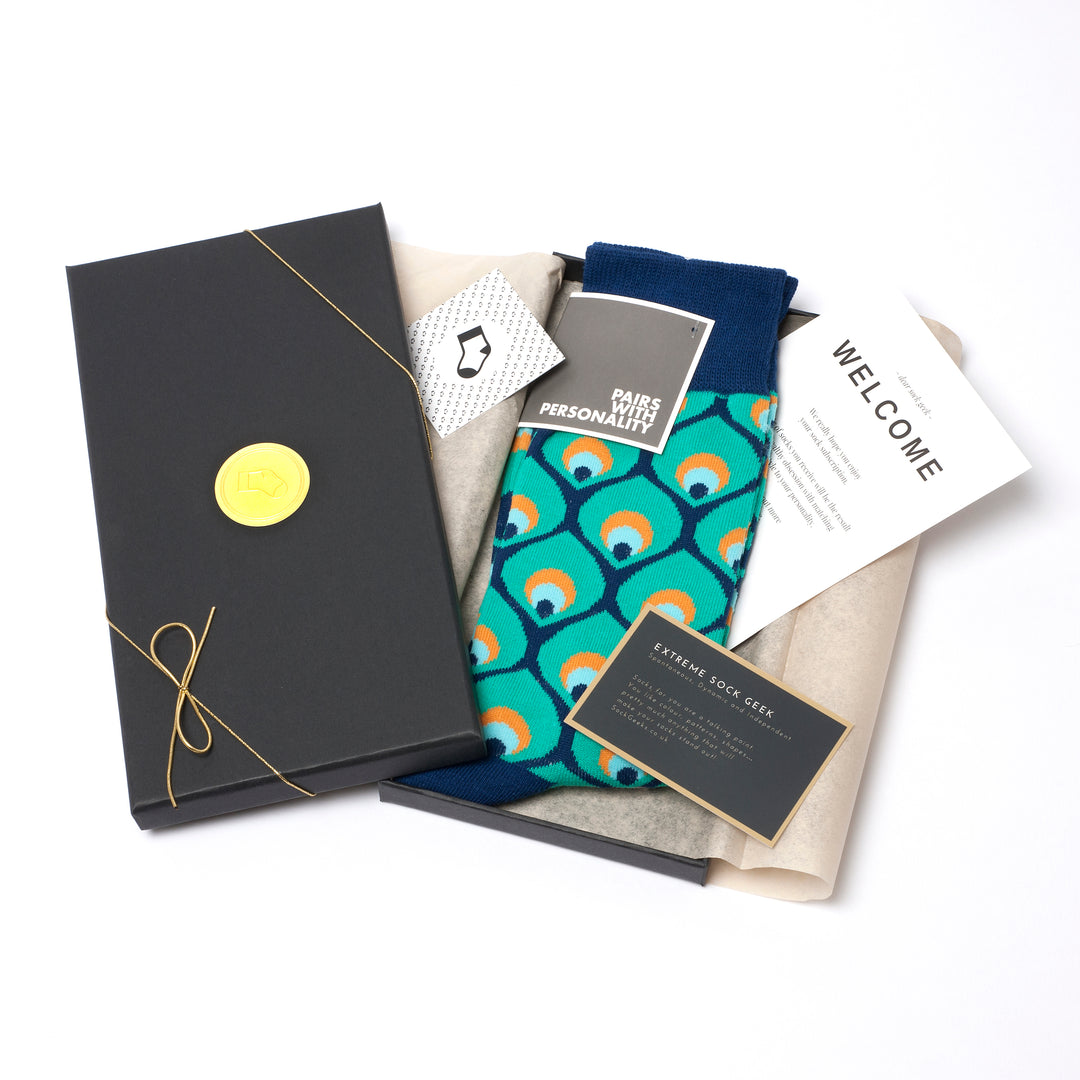
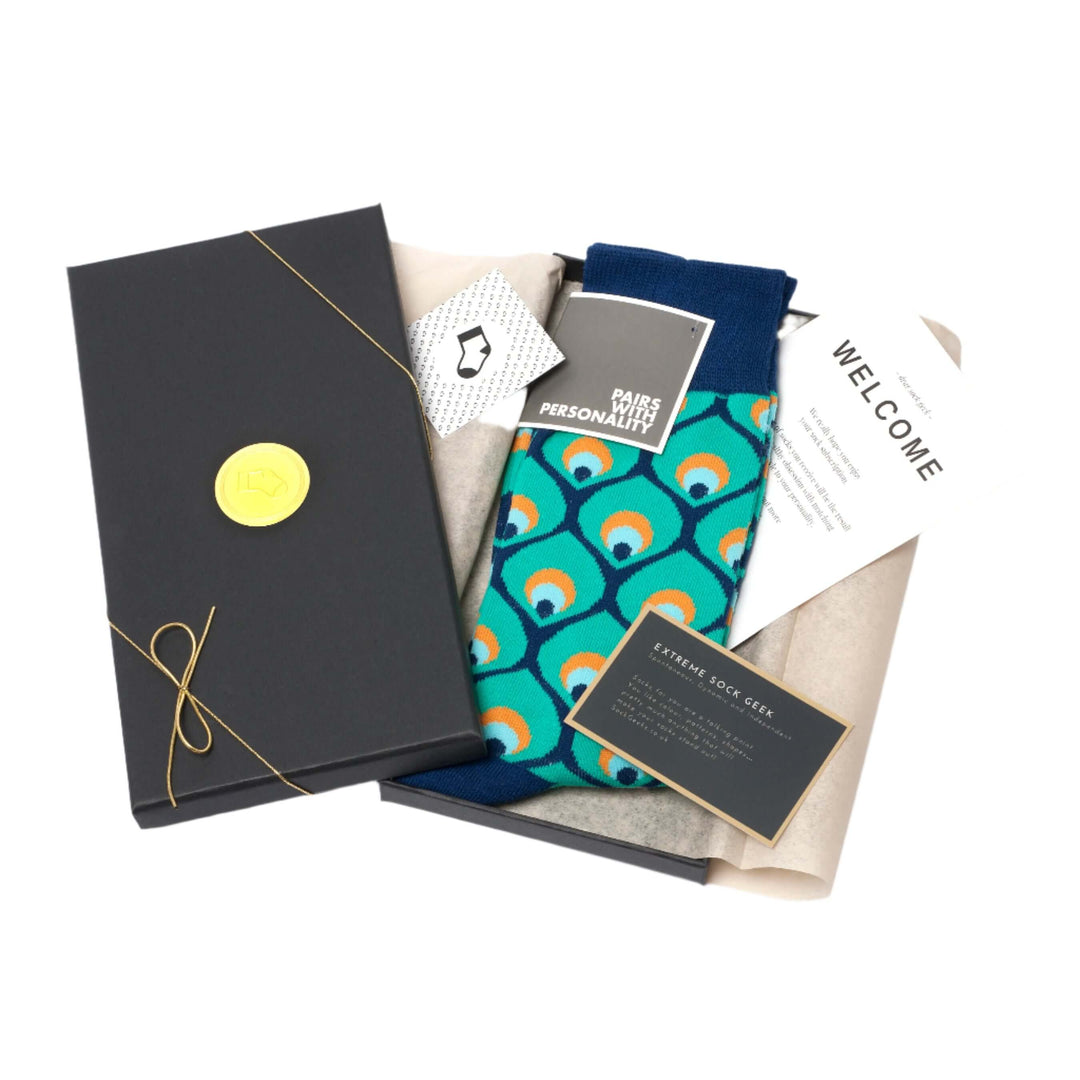
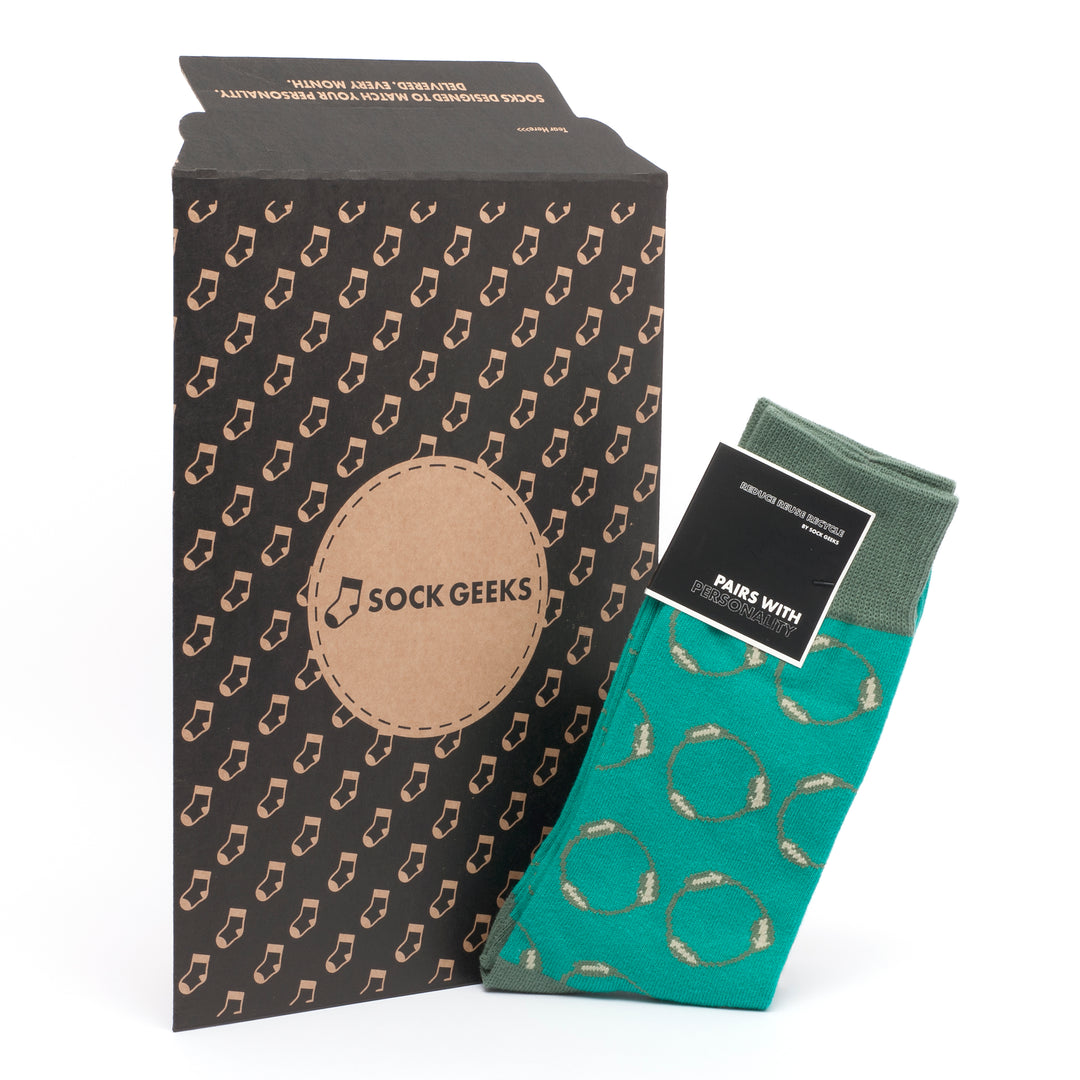
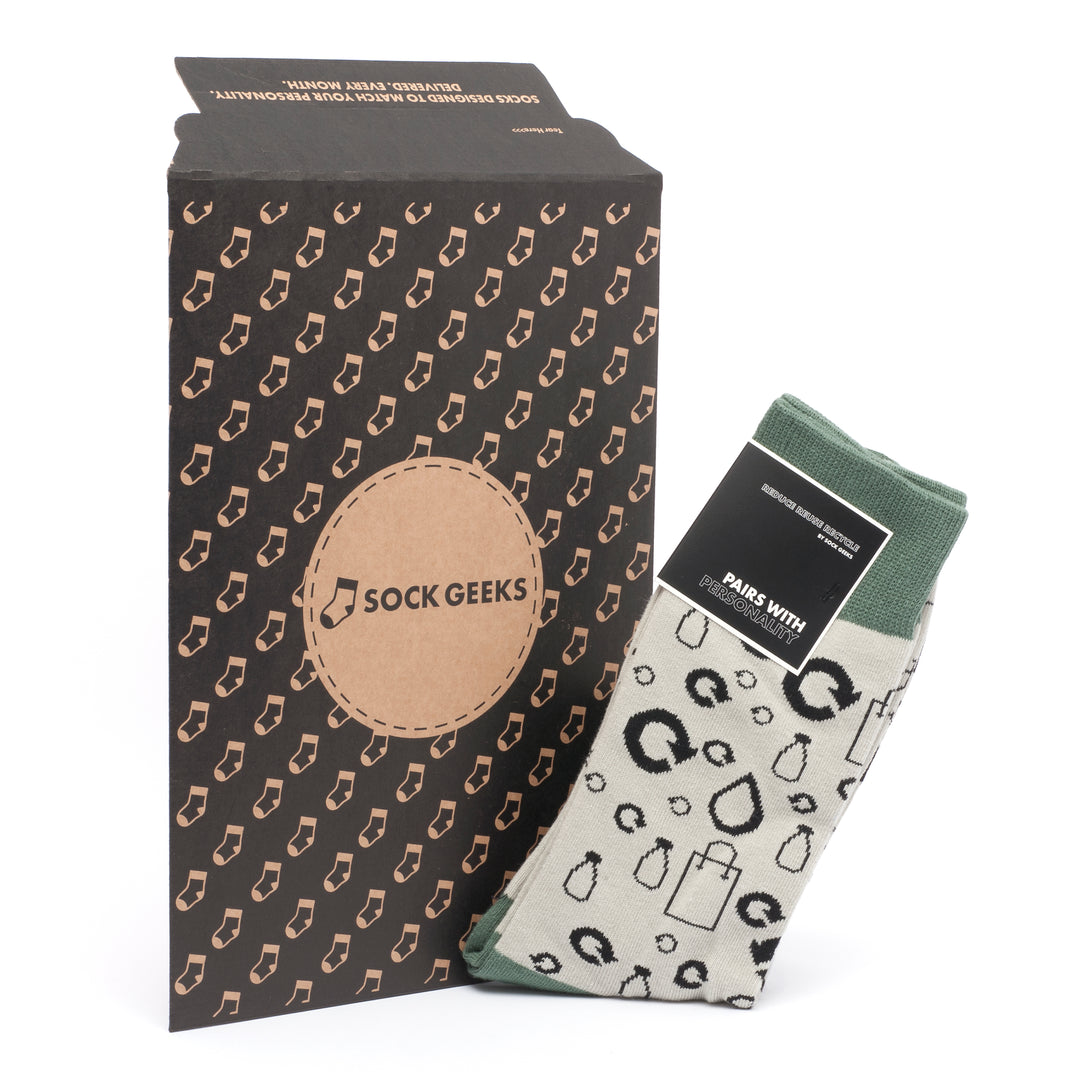
- Personalised sock boxes and curated sets. A category that punches above its size for cost, personalisation, and practical daily use, particularly for welcome packs and appreciation gifts.
Decoration matters as much as the base product. Embroidery on apparel outlasts printed logos by years, and it’s worth specifying on the purchase order rather than assuming the supplier defaults to it.
Pro Tip: Anchor your whole programme around two or three items maximum. Every extra SKU you add multiplies minimum order quantities, storage, and the odds of overproducing stock nobody wants.
How do you verify suppliers and avoid greenwashing?
Certifications only work as proof if you actually check them, and each one proves something narrower than buyers assume.
- GOTS confirms the organic status of the fibre and tracks processing through to the finished textile, but it says nothing about the factory’s labour conditions.
- GRS or RCS verifies recycled content and its chain of custody, not the product’s durability or the dye process used afterwards.
- FSC applies to wood and paper-based packaging, confirming the timber came from responsibly managed forestry.
- Fair Trade and SA8000 address labour practices, wages, and working conditions, independent of the material’s environmental footprint.
- OEKO-TEX tests for harmful substances in the finished product, which matters for anything worn against skin, but doesn’t certify the raw material’s origin.
Ask suppliers for certificate scans with valid registration numbers, chain-of-custody documentation, a recent factory audit report, sample photos showing the actual decoration method, and a written fulfilment plan before you commit budget. A supplier who hesitates on any of these is telling you something.
Custom Ink’s industry commentary notes that a meaningful share of eco-labelled merchandise carries no third-party substantiation at all, just marketing language. Red flags include vague terms like “eco-friendly” with no named standard behind them, certificates that predate the current production run, and suppliers unwilling to name their factory. Where you can, prefer options with field-measured, verifiable impact. ForestNation’s analysis of sustainable swag companies points to verified tree gifts as among the most defensible claims in the category, precisely because the impact is trackable rather than asserted.
Branding and packaging choices that don’t undo the good work
The decoration method can quietly cancel out a sustainable base product. Plastisol printing, the standard cheap option, uses PVC-based inks with a heavier environmental cost than the alternatives. Water-based inks and digital direct-to-garment printing cut hazardous waste significantly and now match plastisol on colour vibrancy for most designs. Embroidery costs more upfront but the stitching outlasts any printed logo by years, which matters if the whole point is a gift that survives repeated washing.
Packaging deserves the same scrutiny as the product itself:
- Use recycled or recyclable outer packaging, and skip the plastic window that most gift boxes default to.
- Cut filler to the minimum needed for transit protection, tissue paper or shredded cardboard rather than bubble wrap.
- Print the sustainability story on the box itself, briefly. A short line naming the certification carries more weight than a page of copy nobody reads.
Pro Tip: Ask for a physical decoration proof before the full run, not just a digital mock-up. Insist on water-based or digital print samples so you can see and feel the finish before thousands of units are committed.
Budgeting, lead times and lowering shipping impact
Volume gifting for welcome packs or events typically runs at a lower per-unit price than executive gifts, where a single premium item carries the budget. Sustainable options often cost more upfront than the cheapest plastic equivalent, but the lifetime value argument holds: an item kept for years beats three discarded items bought at a third of the price.
Build in realistic timelines and logistics from the outset:
- Sample approval typically takes one to two weeks; build this into your calendar before committing to an event date.
- Bulk production for apparel and bags usually needs four to six weeks once artwork and samples are signed off.
- Stagger deliveries across departments or sites rather than shipping everything to one warehouse and redistributing manually.
- Consolidate orders with a single supplier carrying a broad sustainable range, which lowers the programme’s total shipping footprint compared with sourcing five items from five separate vendors.
- Favour UK-based fulfilment partners and on-demand production where available, cutting both lead time and transport emissions.
Design for longevity: what to check before you sign off a sample
Durability is where sustainability claims either hold up or fall apart. A sample that looks good in a photo but frays after three washes was never a sustainable choice, regardless of the certificate attached to it. Practitioner guidance points to mid-to-heavyweight apparel and reinforced bag construction as the clearest predictors of whether an item gets kept long term, rather than binned within a season.
Check these on every sample before approving a production run:
- Fabric weight. Ask the supplier to state GSM directly rather than describing it as “premium”; heavier fabric almost always survives repeated washing better.
- Stitch and seam construction. Run a seam between your fingers. Loose or uneven stitching on a sample means the full run will be worse, not better.
- Handle reinforcement on bags. Look for bar-tacking or double stitching at stress points, the parts that fail first on cheap bags.
- Warranty terms on tech items. A power bank with a genuine multi-year warranty signals a supplier confident in their own build quality.
This is where a service like Sock Geeks earns a look for corporate programmes specifically. The personality-quiz subscription approach that Sock Geeks built for individual gifting maps neatly onto corporate use, because personalisation and quality checking are already built into the process rather than bolted on. Bamboo and biodegradable sock options, alongside a cashmere line for premium gifting, give buyers a genuine range across budget tiers without switching suppliers.
Pro Tip: Build a simple internal sample-approval checklist covering fabric weight, stitching, and decoration finish. It takes twenty minutes to fill in and it will save you from a bulk order you regret.
Why durability is the real sustainability test
Most sustainability conversations focus on raw material, organic cotton, recycled polyester, FSC-certified card, and stop there. That’s only half the picture. A product’s total environmental footprint includes how long it stays in use, and a beautifully sourced organic tee that falls apart after five washes has a worse lifetime footprint than a slightly less exotic fabric that lasts five years.
Design quality functions as a sustainability metric in its own right, even though it rarely gets labelled that way on a spec sheet. Reinforced seams, quality zips, and proper fabric weight aren’t just about feel, they’re what determines whether an item survives long enough for its material credentials to matter at all. A recycled-polyester fleece that pills and gets discarded within a season has effectively wasted the recycling process that made the fibre in the first place.
This is also where cheap customisation undoes good intentions. A poor-quality print that cracks after a handful of washes often pushes a recipient to bin an otherwise decent garment early, purely because it looks tatty. Specifying embroidery or a durable print method isn’t a cosmetic upgrade, it’s a direct lever on how long the product stays out of landfill.
When you’re comparing two certified options at similar price points, let construction quality be the tiebreaker. Ask for the same garment in two weights if the supplier offers both, and choose the heavier one even if it costs slightly more per unit. The saving on a thinner fabric rarely survives contact with a washing machine.
What does the full lifecycle of a corporate gift actually look like?
A proper lifecycle view of a corporate gift runs from raw material extraction through manufacturing, transport, use, and eventual disposal or recycling, and each stage carries its own footprint. Cotton farming uses significant water; polyester production is energy-intensive; both need transport from factory to warehouse to recipient, often across multiple countries.
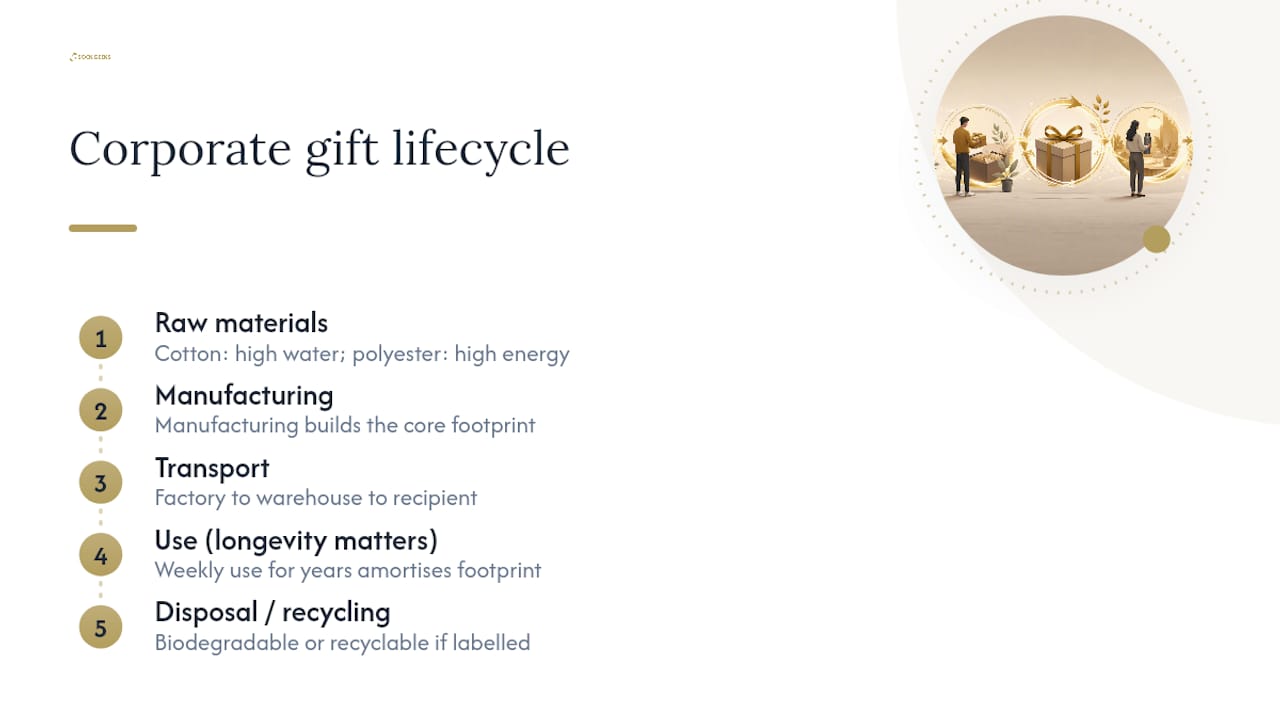
The use phase is where sustainable corporate gifts either justify their existence or don’t. An item used weekly for three years amortises its manufacturing footprint across hundreds of uses. The same item discarded after a fortnight carries almost all of that footprint for essentially nothing, which is the core argument behind prioritising retention over unit cost.
End-of-life matters more than most procurement teams consider at the point of purchase. Cotton and wool garments are biodegradable at end of life if free from synthetic blends; recycled-plastic drinkware can often go back through recycling streams if labelled clearly. Socks specifically have a workable end-of-life path. Sock Geeks’ guide to recycling used socks in the UK covers the practical routes available once an item finally reaches the end of its useful life, which is worth mentioning in your own gifting communications so recipients know disposal isn’t a dead end.
Shipping and packaging add a smaller but real slice to the total footprint. Consolidating orders and choosing suppliers with UK-based fulfilment cuts transport emissions meaningfully compared with sourcing from five separate overseas vendors and shipping each batch independently.
Does the recipient actually want what you’re sending them?
The best-certified, best-constructed gift still fails if nobody wants to use it. A programme built entirely around procurement logic and no recipient input tends to produce beautifully sustainable items that sit in a cupboard.
Practical preference checks matter more than most gifting brochures admit:
- Size and fit ranges on apparel need genuine coverage; a hoodie only available in M to XL alienates a chunk of any workforce.
- Personal style variation is real. A single design shipped to five hundred people guarantees a portion of them never wear it, whereas even light personalisation, a name, an initial, a colour choice, meaningfully lifts uptake.
- Practical daily use beats novelty every time. A reusable coffee cup gets used because people already drink coffee; a branded desk ornament does not solve a problem anyone has.
This is precisely where a personality-matched approach outperforms a one-size-fits-all box. Letting a recipient answer a short quiz about their style before receiving a gift, the model Sock Geeks built for its subscription service, produces a far higher rate of genuine daily use than shipping identical items to an entire client list. The same logic applies whether you’re gifting employees, clients, or event attendees: a small amount of personalisation multiplies the odds the item survives past the first week.
How do local and small-scale suppliers cut your programme’s footprint?
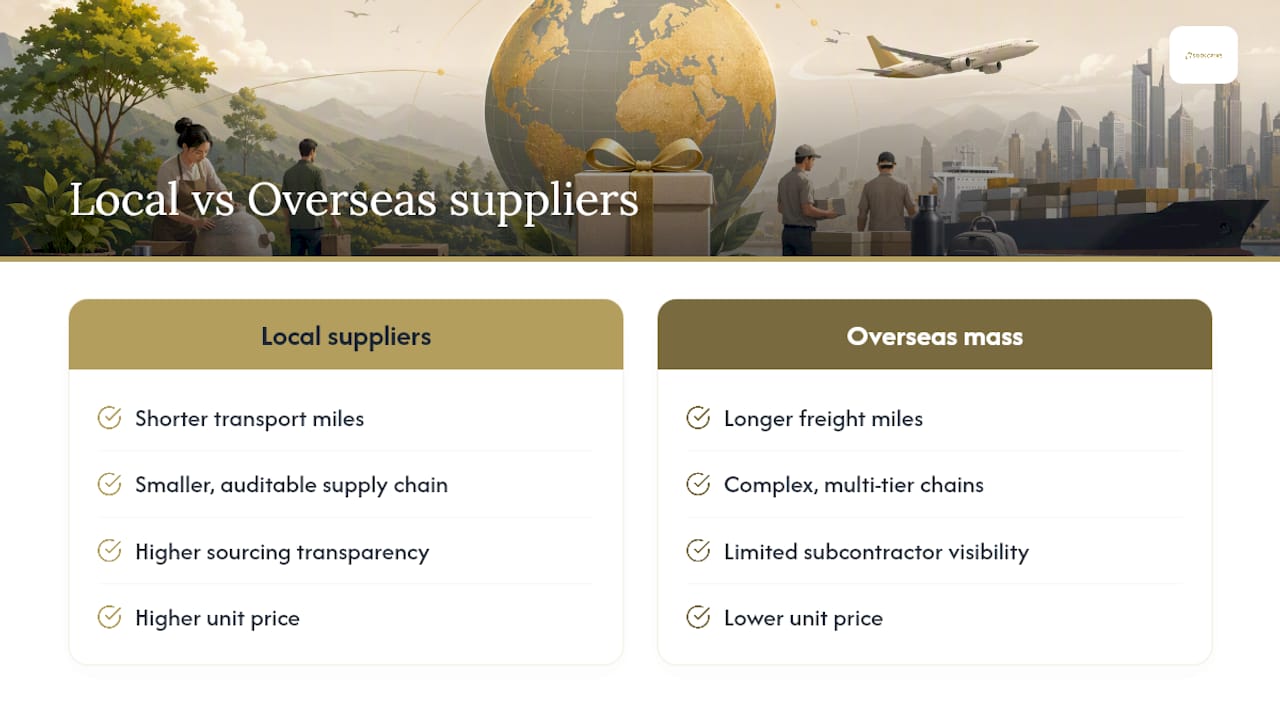
Sourcing from a supplier closer to your delivery destination shortens the transport leg of the lifecycle and often supports a smaller, more accountable supply chain you can actually audit. A UK-based manufacturer or fulfilment partner removes several thousand miles of freight compared with ordering direct from an overseas factory and air-freighting the finished stock.
Smaller suppliers also tend to offer more transparency by necessity. A boutique manufacturer working with a handful of corporate clients can usually walk you through their exact factory relationship and material sourcing in a single conversation, where a large overseas intermediary often can’t name their own subcontractors past the second tier.
The trade-off is usually price and minimum order quantities. Small-scale and local suppliers frequently charge more per unit than mass-production overseas factories, and their capacity ceilings are lower. For most corporate gifting programmes, which rarely run into the tens of thousands of units, that ceiling isn’t a real constraint. It becomes one only for very large-scale rollouts across multinational headcounts, where a hybrid approach, a local supplier for premium executive tiers and a larger certified manufacturer for volume tiers, tends to work better than forcing one supplier to do both jobs.
On-demand production, where items are made only once ordered rather than held in bulk stock, is worth asking any supplier about directly. It cuts unsold inventory to close to zero and reduces the warehousing footprint that bulk-ordered swag typically carries for months before it’s finally distributed.
What does a successful sustainable gifting programme look like in practice?
The programmes that work share a narrow set of traits, regardless of company size or budget. They pick a small number of high-quality items rather than a wide catalogue, they document their supplier’s certifications before launch rather than after a complaint, and they measure actual usage rather than assuming a nice unboxing photo means success.
A curated eco-office box model illustrates this well: a reusable bottle, a stone-paper notebook, and a natural pen bundled together as one welcome-pack item. It works because every component solves a genuine daily problem, an approach Merchpath’s buyer’s guide highlights as a template worth copying rather than reinventing.
Companies running client-facing thank-you programmes have had similar success anchoring around a single wearable item, personalised socks or a scarf, paired with a small verified-impact accent like a tree-planting card. The combination gives the recipient something to use immediately and a story to remember the gift by, without the programme sprawling into a dozen low-value SKUs that inflate cost and shipping complexity for no retention benefit.
The common thread across every successful case is restraint. Fewer items, better documented, more carefully matched to the recipient, consistently outperforms a bigger box with more stuff in it.
Making sustainable gifting strategic, not symbolic
The trade-off I keep coming back to is simple: longevity and evidence beat good intentions every time. A gift with a vague “eco” label and no certificate is a marketing risk dressed up as a value statement. My rule of thumb for programme design is anchor item, carry item, accent item, nothing more, and pressure-test every claim with paperwork before the order goes in.
Don’t roll out to five hundred people on faith. Pilot with fifty, ask who’s still using the item after two months, and let that answer decide your next order.
— Amanda
How Sock Geeks helps with corporate gifting
If a programme needs a single supplier who’s already solved the personalisation-versus-scale problem, a personality-quiz subscription and curated gift boxes can turn a routine welcome pack or thank-you gift into something recipients actually keep wearing, backed by ethically sourced materials including bamboo biodegradable options and a cashmere line for higher-tier executive gifts, rather than a generic box of promotional stock nobody asked for.
Corporate teams use Sock Geeks for welcome packs, milestone and anniversary gifts, thank-you presents after a project wraps, and smaller executive gifts where quality has to hold up to scrutiny. If you’re weighing gift types against the categories covered above, our guide to checking eco credentials in socks walks through the same verification questions we’d expect any procurement team to ask us.
Get in touch through Sock Geeks for a bulk-order quote or to discuss a personalised corporate gifting programme tailored to your headcount and budget.
Sources
- Sustainable Swag Ideas for 2026: A buyer’s guide | Merchpath
- Sustainable swag: a guide to eco-friendly branded merchandise - Custom Ink Blog
- 10 ideas for sustainable swag and eco-friendly corporate gifts | BizBash
- Sustainable Swag Companies: Eco & Ethical Picks 2026 | ForestNation
FAQ
What makes a corporate gift genuinely sustainable?
A genuinely sustainable corporate gift combines verified certification (GOTS, GRS, FSC, OEKO-TEX or equivalent), durable construction that survives repeated use, and a documented supply chain rather than a vague “eco” label.
Which certifications should I ask suppliers for?
Ask for GOTS for organic textiles, GRS or RCS for recycled content, FSC for paper and wood packaging, Fair Trade or SA8000 for labour standards, and OEKO-TEX for harmful-substance testing, with valid certificate numbers you can verify.
How much should I budget for sustainable corporate gifts?
Costs vary widely by category and volume, but sustainable options typically cost more per unit upfront than cheap plastic equivalents; the difference is offset by significantly longer usable life, so cost-per-use often favours the sustainable choice.
How far in advance should I order for an event or campaign?
Allow one to two weeks for sample approval and a further four to six weeks for bulk production once artwork is finalised, longer for apparel runs with embroidery or custom dyeing.
Are personalised sock boxes a legitimate corporate gift option?
Yes. Personalised sock boxes work well as welcome packs, thank-you gifts, and milestone presents because they combine daily practical use with genuine personalisation, and Sock Geeks offers sustainable, ethically sourced options built specifically for this use case.
How do I avoid greenwashing when choosing a supplier?
Request certificate scans, chain-of-custody documentation, a recent factory audit, and physical samples showing the actual decoration method before committing budget, and treat any supplier unwilling to provide these as a red flag.





Leave a comment