





How Anti-Blister Socks Work: The Ultimate Guide to Blister Prevention
Anti-blister socks are purpose-built socks that use dual-layer construction, moisture-wicking fabrics, and targeted cushioning to stop skin shear before a blister forms. They address the three root causes of blisters: friction, moisture, and heat. Runners, hikers, travellers, people on long shifts, and anyone with persistently sweaty feet or repeat hotspots will notice the difference quickly. According to manufacturer guidance, these are performance-engineered garments, not simply thicker versions of standard socks. Dr Tom Biernacki, DPM, recommends conservative measures like correct sock selection as a first line of defence, and Sock Geeks offers premium, personalised options that bring this technology into the UK gifting market.
Table of Contents
- How do anti-blister socks actually reduce friction and moisture?
- What should you check when buying anti-blister socks?
- Who benefits most, and when should you see a professional?
- How to choose stylish, personalised anti-blister socks for gifting in the UK
- How to care for anti-blister socks so they keep working
- Quick checklist for buying anti-blister socks in-store or online
- Key takeaways
- Why premium socks are worth more than people think
- Sock Geeks: premium, personalised socks for gifting and everyday comfort
- Useful sources
- FAQ
How do anti-blister socks actually reduce friction and moisture?
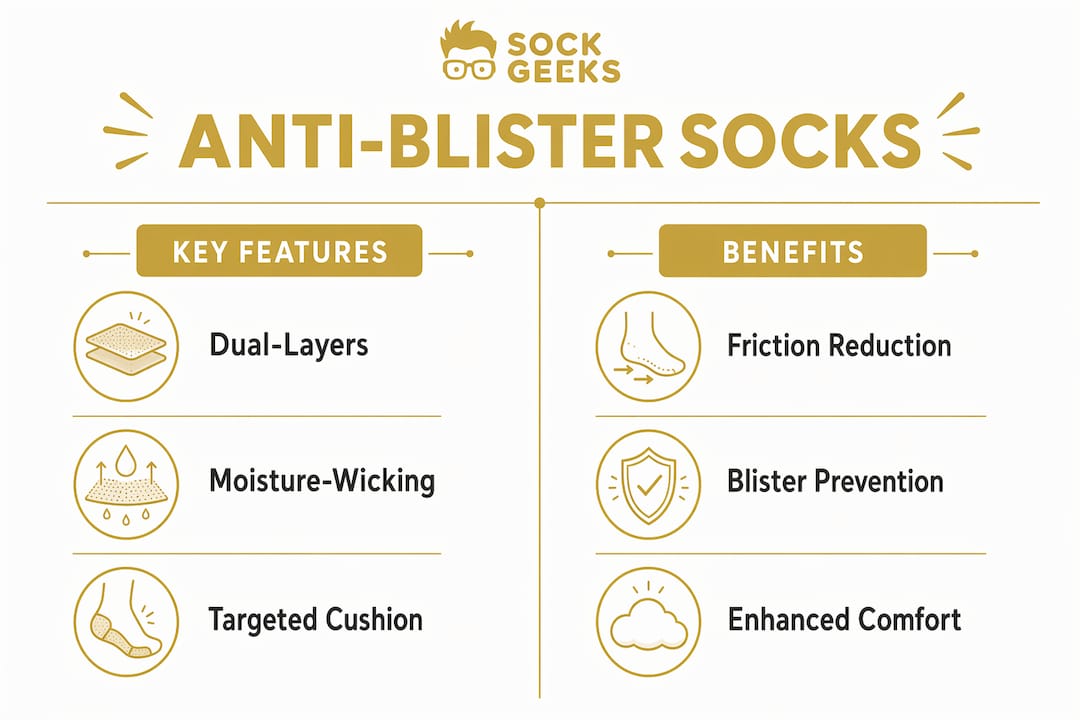
The core mechanism is straightforward: shift the shear away from your skin. When you walk or run, your foot moves inside your shoe. A standard sock means that movement happens at the skin-to-sock interface, which is where blisters start. Double-layer systems alter friction coefficients so the movement happens between the two fabric layers instead, leaving your skin largely undisturbed.
| Mechanism | What it does | Why it matters |
|---|---|---|
| Dual-layer construction | Creates a low-friction inter-layer interface | Shear occurs between fabrics, not skin |
| Moisture-wicking fibres | Draws sweat away from skin surface | Drier skin = lower friction coefficient |
| Targeted cushioning | Adds padding at heel and ball of foot | Absorbs pressure at high-friction hotspots |
| Ventilation zones | Mesh panels allow airflow | Reduces heat build-up that softens skin |
Moisture control matters more than most people realise. Wet skin has a significantly higher friction coefficient than dry skin, so a sock that wicks sweat away is doing double duty: it keeps you drier and reduces the friction that causes shear. Merino wool and engineered synthetics are far superior to cotton here, because cotton retains moisture rather than moving it away from the skin.
“Shifting friction to an inter-layer interface is the key measurable mechanism. Focus on materials and construction that lower that inter-layer coefficient of friction.” — Technical analysis, Socks Insider
Pro Tip: For hikes over 8–16 km, a thin hydrophobic liner worn under a cushioned outer sock gives you the inter-layer friction benefit plus serious padding. For everyday wear or shorter runs, an integrated double-layer sock is tidier and just as effective.
What should you check when buying anti-blister socks?
Not every sock labelled “anti-blister” earns the name. Look for these features on the product page or label:
- Dual-layer construction — the single most important feature; without it, the sock is just marketing copy
- Liner material — thin synthetic or merino for the inner layer; hydrophobic is better
- Outer material — merino or performance synthetic; never pure cotton
- Targeted cushioning — extra padding at the heel and ball, not uniform thickness throughout
- Flat or seamless toe seam — raised seams at the toe are a common blister trigger
- Heel cup — a shaped heel prevents the sock slipping and bunching
- Correct sizing — a sock that is too large will wrinkle; too small compresses the toe box
| Feature | Controls |
|---|---|
| Dual-layer construction | Friction (inter-layer shear) |
| Moisture-wicking fibre | Moisture (skin dryness) |
| Ventilation zones | Heat (temperature regulation) |
| Targeted cushioning | Pressure (hotspot protection) |
| Flat/seamless toe seam | Friction (toe irritation) |
The most common marketing trap is a sock described as “anti-blister” that has moisture-wicking fibres but no dual-layer system. Moisture control alone helps, but it does not shift shear away from the skin. Both features together are what blister prevention research consistently points to as effective.
Pro Tip: Check whether the product listing specifies the inner liner material separately from the outer. If it lists only one fabric, it is almost certainly a single-layer sock regardless of the marketing language.
Who benefits most, and when should you see a professional?
The activities with the highest blister risk share one thing: sustained, repetitive foot movement, often with added heat and moisture.
- Long-distance walking and hiking (particularly with a loaded pack)
- Running, from 5K training to marathon and trail racing
- Extended travel days with heavy luggage and unfamiliar footwear
- Long standing shifts: retail, hospitality, healthcare, and construction
- Military and emergency services personnel
For most of these situations, anti-blister sock features provide a meaningful upgrade over standard socks. People with sweaty feet or known hotspots will see the benefit fastest.
Dr Tom Biernacki, DPM, notes that conservative blister-prevention measures, including correct sock selection, typically show patient improvement within several weeks. Persistent or worsening issues merit a professional podiatric assessment.
Socks alone may not be sufficient where structural foot deformities, dermatological conditions, or ill-fitting footwear are the primary cause. If blisters keep recurring after 4–8 weeks of using well-fitted anti-blister socks, that is the signal to book an appointment rather than buy another pair.
Pro Tip: For winter walking or boot-heavy activities, prioritise a sock with a shaped heel cup and a firm outer layer — loose socks inside a stiff boot are one of the fastest routes to a heel blister.
How to choose stylish, personalised anti-blister socks for gifting in the UK
Anti-blister technology and attractive design are not mutually exclusive. Premium merino and cashmere blends offer natural moisture regulation and temperature control alongside a softness that makes them genuinely gift-worthy. The key is choosing a construction where the technical layer is integrated rather than visible, so the sock looks like a luxury item and performs like a performance one.
For gifting, consider:
- Premium materials — merino or cashmere outer layers feel luxurious and wick moisture naturally
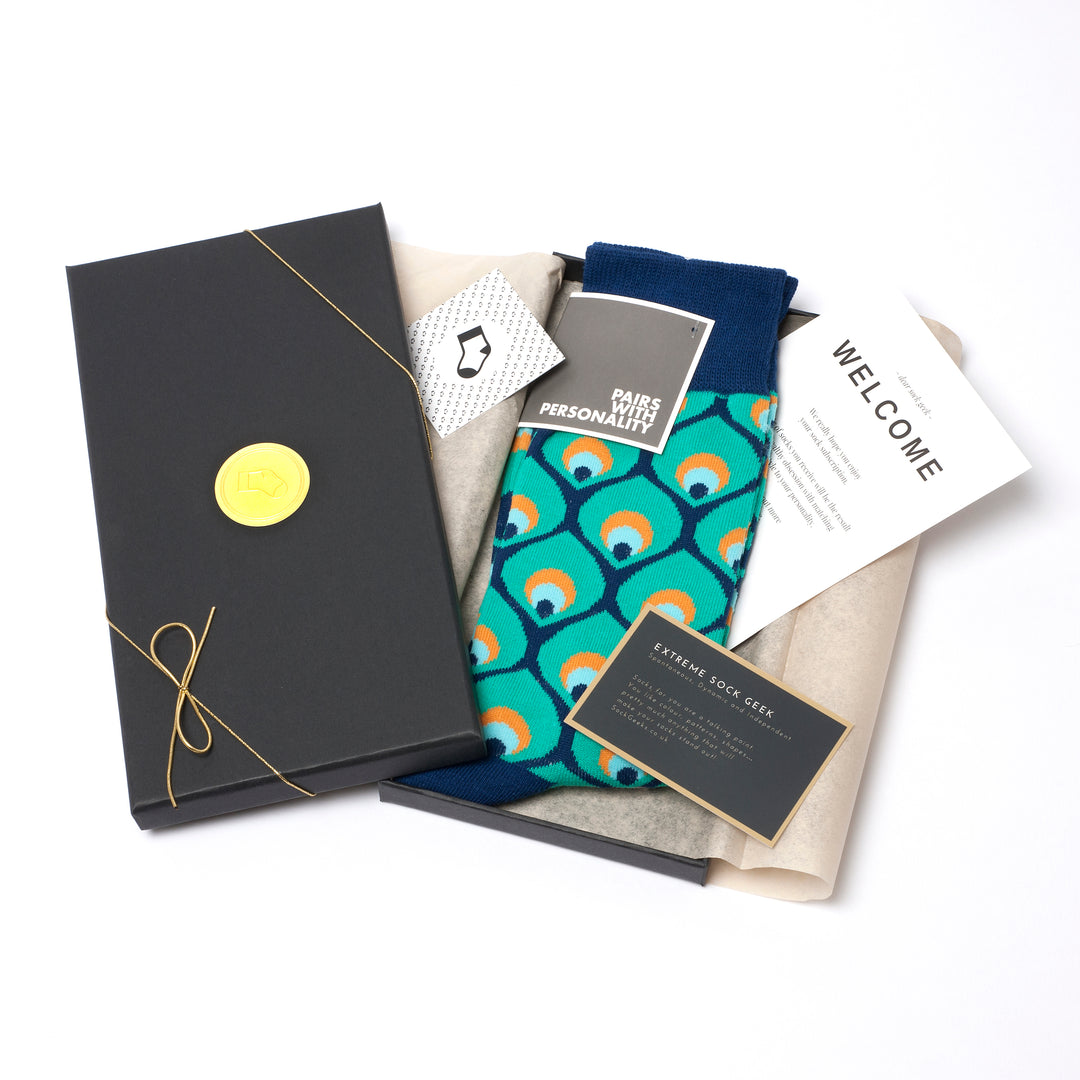
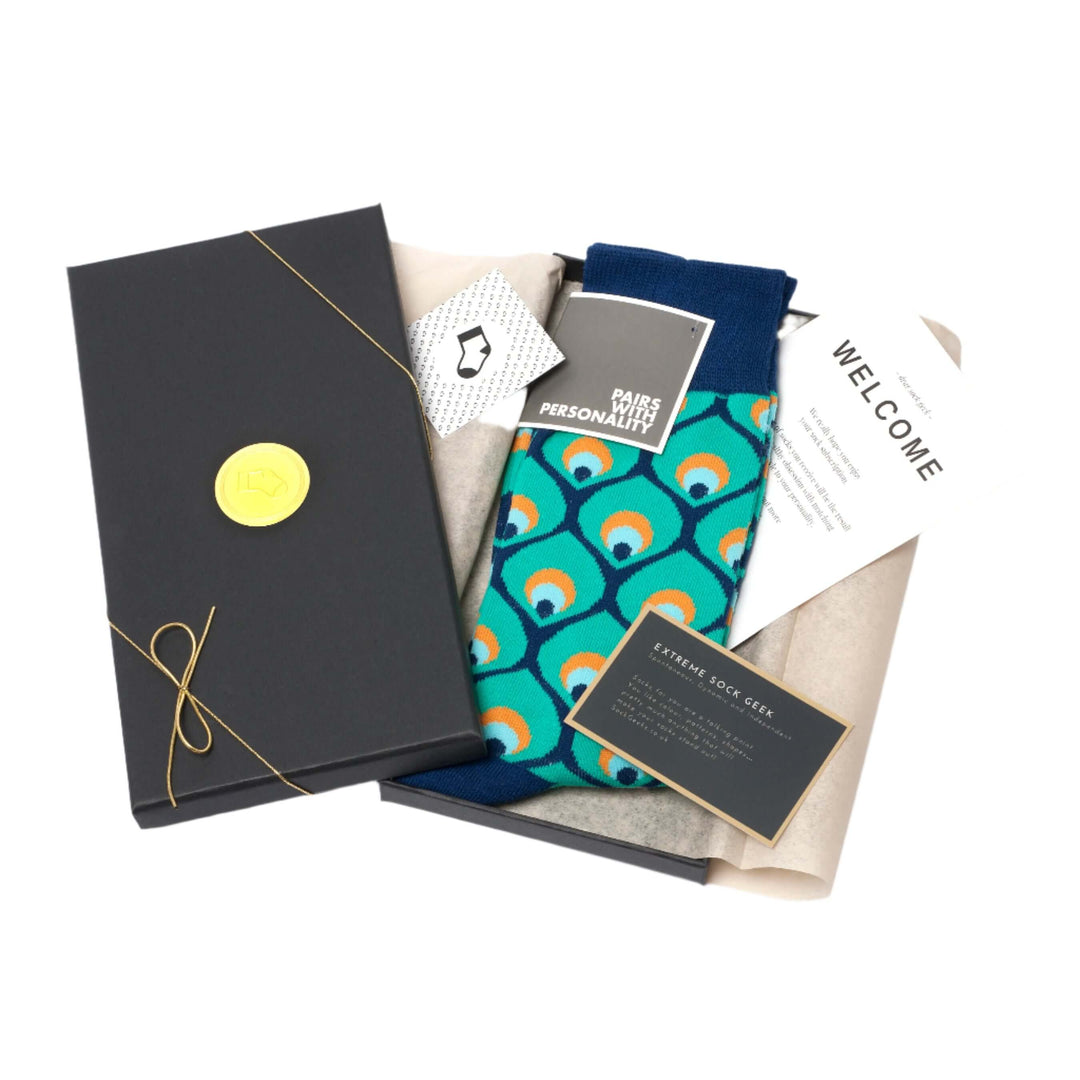
- Curated gift boxes — a personalised box with two or three complementary pairs reads as a considered present, not a last-minute purchase
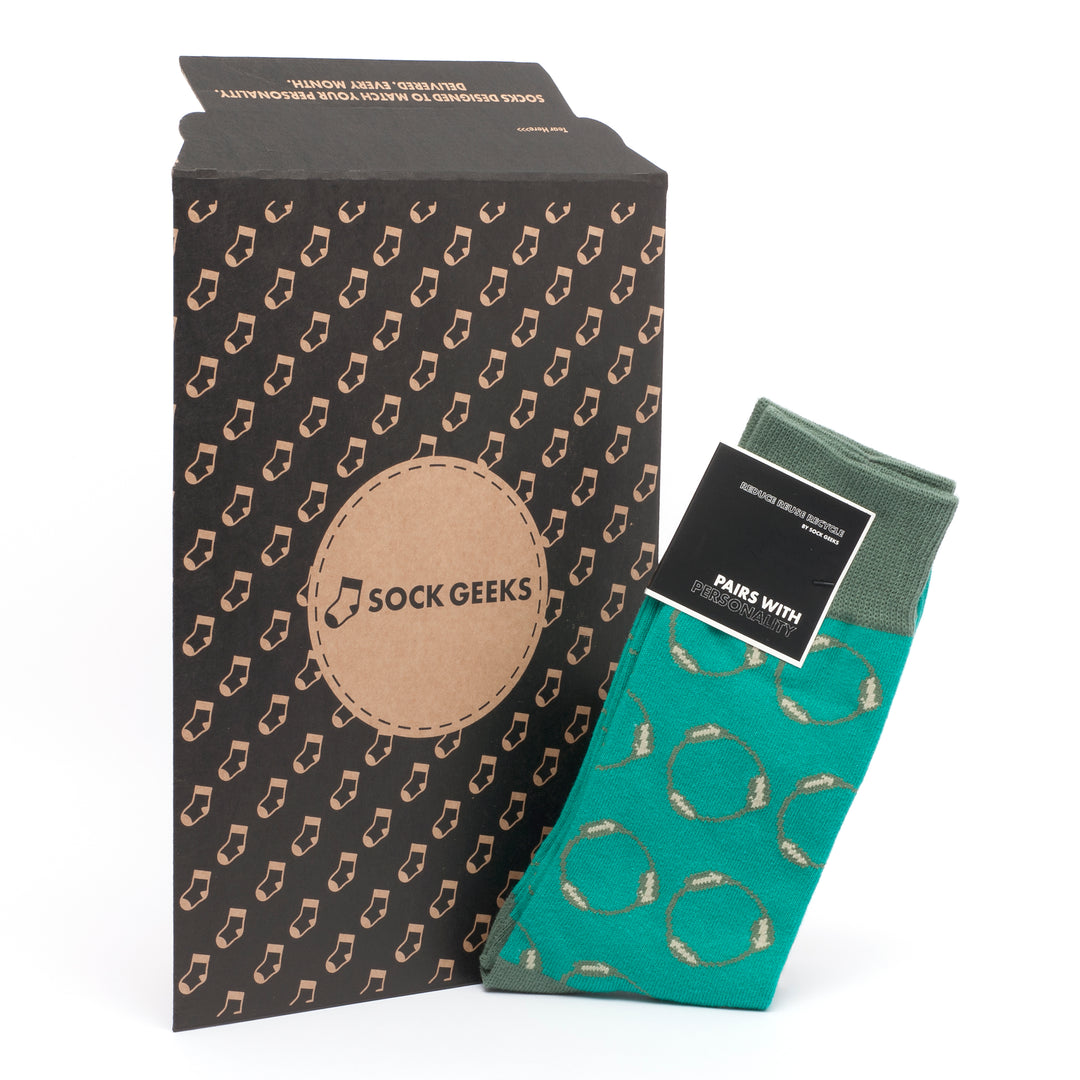
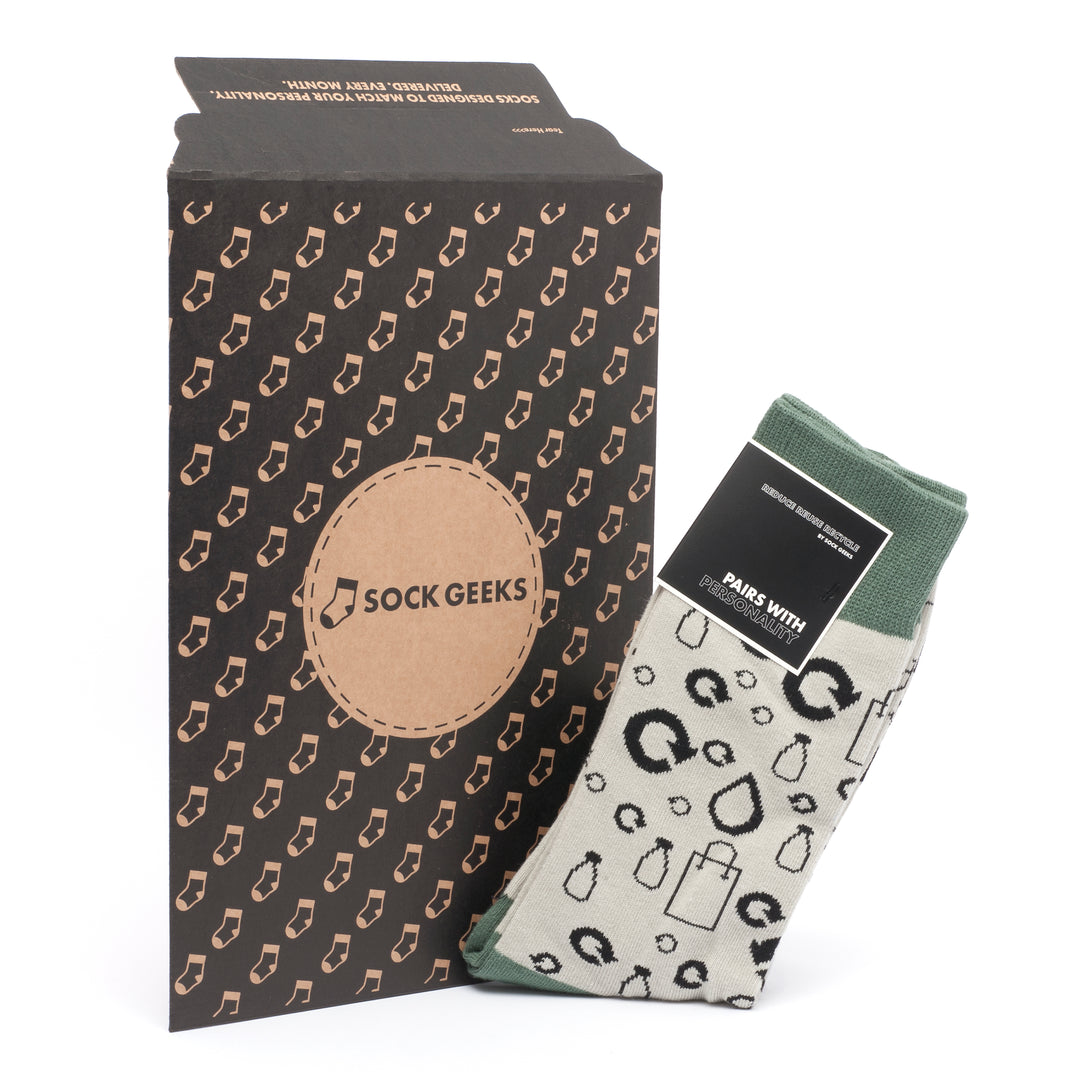
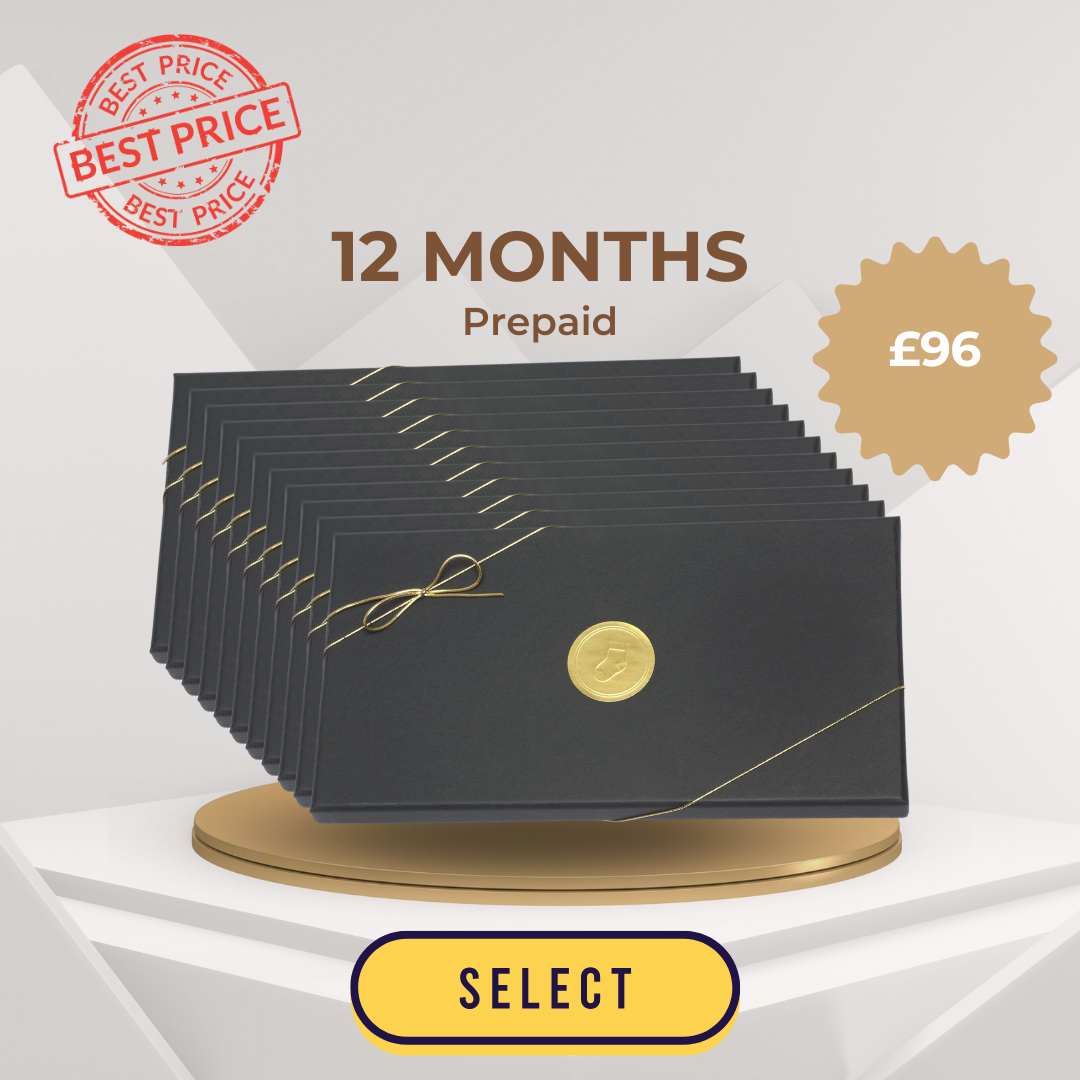
- Subscription options — a sock subscription lets the recipient discover new styles monthly, with each pair matched to their personality
- Gift note — a short note explaining the dual-layer benefit (“these are engineered to keep your feet comfortable on long days”) turns a practical gift into a thoughtful one
Premium socks make a gift that gets used every day. The technical benefit gives the giver a story to tell, and the quality means the recipient actually notices the difference.
Pro Tip: When gifting to someone who travels frequently or works long shifts, lead with the comfort angle in your gift note rather than the blister-prevention angle. “Engineered for all-day comfort” lands better than “prevents blisters” as a gift message.
How to care for anti-blister socks so they keep working
Treat them like technical garments. Wash cold on a gentle cycle, skip the fabric softener, and air-dry where possible. Each of these steps has a specific reason.
- Cold wash, gentle cycle - protects stitched or glued dual-layer bonds and prevents fibre distortion
- No fabric softener - softener coats moisture-wicking fibres and degrades their ability to move sweat away from skin; moisture-wicking performance drops noticeably after repeated softener use
- Air-dry - tumble heat can shrink merino and degrade silicone coatings or synthetic bonding agents
- Inspect regularly - check the heel and toe for thinning; once the cushioning layer compresses flat, the sock has lost its protective function
- Store flat or loosely rolled - avoid compressing the cushioning zones during storage
Pro Tip: Turn socks inside out before washing. This protects the outer surface and allows the inner liner, the layer that contacts your skin, to be cleaned more thoroughly.
Quick checklist for buying anti-blister socks in-store or online
Run through these before you commit:
- Does the product description confirm dual-layer or double-layer construction?
- Is the inner liner material specified (merino, synthetic, hydrophobic)?
- Is moisture-wicking listed as a confirmed feature, not just implied?
- Is there targeted cushioning at the heel and ball of foot?
- Does the size range include your exact size (not just S/M/L approximations)?
- Is there a return or exchange policy for unworn pairs?
For UK shoppers buying online, most reputable retailers offer a 14-day return window under consumer rights legislation. If you are buying as a gift, check whether the retailer offers gift packaging and whether the return window extends for gifted items.
Key takeaways
Anti-blister socks work by shifting shear to an inter-layer interface, combining dual-layer construction, moisture-wicking fibres, and targeted cushioning to address friction, moisture, and heat simultaneously.
| Point | Details |
|---|---|
| Core mechanism | Dual-layer construction shifts shear between fabric layers, away from skin |
| Best materials | Merino wool or engineered synthetics; avoid pure cotton in any layer |
| Improvement timeline | Dr Tom Biernacki notes a 4–8 week window; persistent issues need professional review |
| Care essentials | Cold wash, no fabric softener, air-dry to preserve wicking and layer bonding |
| Sock Geeks | Offers personalised premium gift boxes and subscriptions combining comfort technology with stylish UK designs |
Why premium socks are worth more than people think
Most people underestimate how much a well-made sock changes a day. The conventional wisdom is that socks are socks, a commodity you replace when they wear out. The reality is that the engineering in a quality dual-layer sock is doing real mechanical work: it is reducing the shear force on your skin with every step. That is not a marketing claim; it is physics.
What strikes me about the gifting angle is how well it reframes the conversation. A sock subscription or a curated gift box from Sock Geeks, with its 4.72 customer rating and personality-matching quiz, turns a functional item into something personal. The recipient gets comfort they will notice on day one, and the giver gets credit for thinking beyond the obvious. For a birthday, a retirement, or a “thank you,” that combination is genuinely hard to beat.
Sock Geeks: premium, personalised socks for gifting and everyday comfort
If you want anti-blister-friendly socks that also look the part, Sock Geeks is the UK option that combines technical quality with genuine personality. Their curated gift boxes span every occasion, from birthdays and Father’s Day to corporate gifts and retirement, each filled with premium designs in merino and cashmere blends that offer natural moisture regulation alongside real style.

The personality-matching quiz means every subscription feels tailored rather than generic, and the 4.72 customer rating reflects consistent praise for quality and presentation. Whether you are buying for yourself or wrapping something up for someone else, explore the gift boxes at Sock Geeks and find a pair worth giving.
Useful sources
- PMC: Technical review of blister prevention and sock design - peer-reviewed manufacturer and clinical guidance
- Socks Insider: double-layer and integrated systems explained - independent technical analysis
- Foot blisters 2026: prevention and treatment guide, Dr Tom Biernacki DPM - clinical podiatric guidance
- The 3 types of blister prevention socks, Blister Prevention - independent research review
FAQ
What are anti-blister socks, exactly?
Anti-blister socks are performance-engineered socks that use dual-layer construction, moisture-wicking fabrics, and targeted cushioning to reduce skin shear and prevent blisters. They address friction, moisture, and heat simultaneously.
How long before anti-blister socks make a difference?
Dr Tom Biernacki, DPM, notes that conservative blister-prevention measures typically show improvement within 4–8 weeks. If blisters persist beyond that window, a podiatric assessment is advisable.
Are anti-blister socks worth buying as a gift?
Yes. Premium anti-blister socks in merino or cashmere blends combine genuine comfort technology with a luxurious feel, making them a practical and thoughtful gift. Sock Geeks offers personalised gift boxes for every occasion.
Do anti-blister socks work for everyday wear, not just sport?
Absolutely. The anti-blister features are equally effective during long commutes, work shifts, and travel, anywhere sustained foot movement and heat build up over the course of a day.
What materials should I look for in anti-blister socks?
Merino wool and engineered synthetic fibres are the best choices. Both wick moisture effectively and regulate temperature. Avoid pure cotton, which retains moisture and raises friction at the skin-to-sock interface.




Leave a comment