






Why premium socks are worth buying: the full guide
Premium socks are defined by superior fibre quality, precise construction, and lasting comfort that standard socks cannot match. If you have ever wondered whether expensive socks are worth it, the answer sits in the science of the materials and the engineering of every stitch. Premium sock buyers report 70% higher satisfaction and less frequent replacement than budget sock buyers. That gap is not marketing. It reflects real differences in how the socks are built and what they do for your feet every single day.
Why are premium socks worth buying?
Premium socks earn their price through material science, not branding. The two fibres that define the category are merino wool and mercerised cotton. Merino wool, sourced from Merino sheep bred for fine fleece, produces fibres thin enough to feel soft against skin rather than scratchy. Mercerised cotton undergoes a chemical treatment that strengthens the fibre, adds a subtle sheen, and improves dye absorption for richer colours.
Brands like Smartwool and Darn Tough have built their reputations on these materials. Smartwool uses grade A merino wool across its range, while Darn Tough combines merino with nylon for added abrasion resistance. Both brands target the same outcome: a sock that performs better and lasts longer than anything you find in a multipack at a supermarket.
How do premium sock materials improve comfort and foot health?
Merino wool changes how bacteria interact with fibre surfaces, which slows odour buildup rather than simply masking it. Standard cotton traps moisture against the skin, creating the warm, damp environment that bacteria thrive in. Merino absorbs moisture into its core and releases it as vapour, so your foot stays drier and fresher for longer.
The temperature regulation merino provides is equally impressive. The fibre manages the microclimate around your foot, keeping it cool in summer and warm in winter. This makes merino socks genuinely year-round wear, not a seasonal luxury.
Some premium work socks take this further by incorporating silver fibre blends. Work socks with wool and silver fibres maintain dry, fresh feet during extended wear hours, making them a strong choice for trades people, nurses, and anyone on their feet all day. The silver acts as an additional antimicrobial layer on top of merino’s natural properties.
Pro Tip: If you wear the same pair of merino socks two days running, air them out overnight rather than washing them immediately. Merino’s natural odour resistance means the fibres recover well with ventilation alone, which reduces wash cycles and extends the life of the sock.
What construction features make premium socks more durable?
Construction quality separates a premium sock from a cheap one just as much as the fibre does. Four features define a well-built sock.
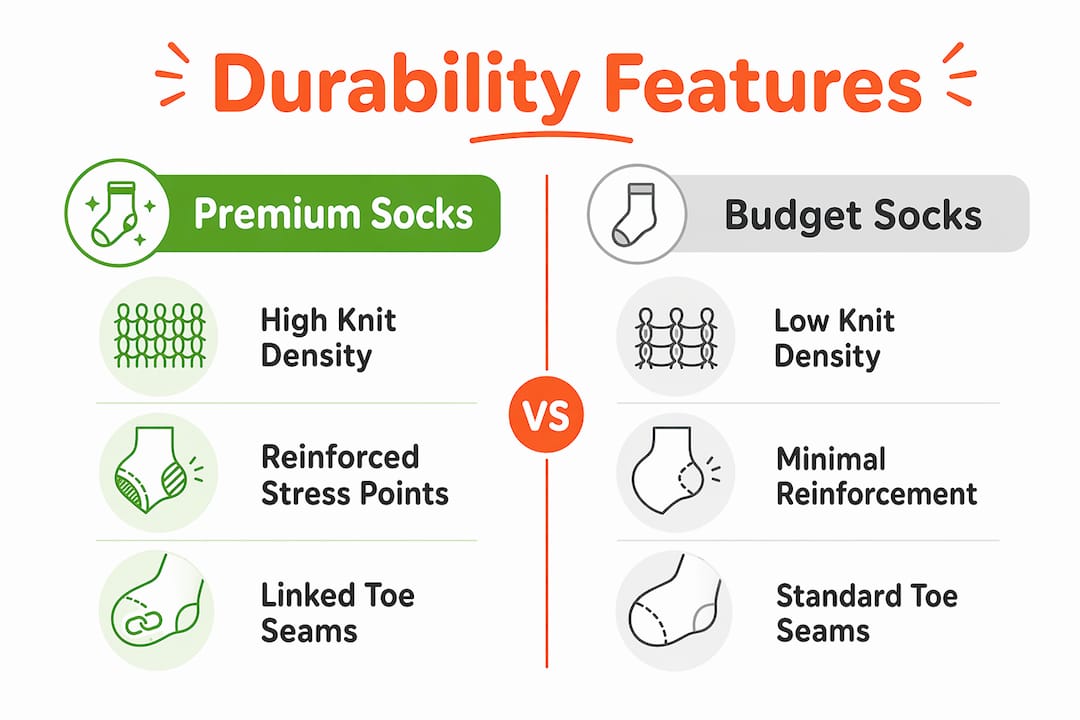
- Knit density and needle count. A higher needle count produces a finer, denser knit. More needles per inch means more yarn contact points, which distributes stress across a wider area and reduces the chance of a single thread snapping under pressure.
- Reinforced heels and toes. The heel and toe absorb the most friction during wear. Premium brands weave extra yarn into these zones, often using nylon or a tighter stitch pattern, to resist the thinning that destroys cheap socks within weeks.
- Hand-linked toe seams. A linked toe seam is joined stitch by stitch rather than sewn flat across the top of the toe. The result is a flat, smooth join that does not create a ridge. Brands like CHUP use this technique to prevent the bunching and discomfort that flat-sewn seams cause.
- Cuff elastic woven into the knit. A well-constructed cuff elastic embedded into the knit maintains fit for 50 or more washes without marking skin or losing grip. Poorly sewn elastic, applied as a separate band, fails far sooner.
Premium socks with high knit density and reinforced stress points last 2–5 years longer than basic synthetic socks. That is not a marginal improvement. It is the difference between replacing socks once a year and replacing them every few months.
| Feature | Premium socks | Budget socks |
|---|---|---|
| Knit density | High needle count, dense weave | Low needle count, loose weave |
| Heel and toe reinforcement | Woven extra yarn or nylon zones | No reinforcement |
| Toe seam | Hand-linked, flat finish | Machine sewn, raised ridge |
| Cuff elastic | Woven into knit structure | Sewn on as separate band |
| Expected lifespan | 2–5 years with proper care | 3–12 months typical |
Pro Tip: Turn premium socks inside out before washing. This protects the outer surface from abrasion inside the drum and preserves the knit texture for longer.
How does investing in quality socks deliver long-term value?
The cost-per-wear argument is the clearest case for quality socks. Premium socks costing £12–£20 over several years are more economical than replacing cheaper socks multiple times per year. A £3 pair worn for three months before developing holes costs more annually than a £15 pair worn for two years.
The advantages of high-end socks extend beyond economics.
- Fewer foot problems. Moisture-wicking fibres reduce the risk of blisters, athlete’s foot, and skin irritation. Poorly fitting socks with raised seams cause pressure points that worsen over long days.
- Better fit retention. Premium socks hold their shape wash after wash. Budget socks stretch out, bunch at the ankle, or shrink unevenly after a handful of washes.
- Style variety. Brands like CHUP produce socks with hand-dyed yarns and intricate patterns that are genuinely considered fashion items in Japan and increasingly in the UK. Sockgeeks curates similarly distinctive designs that are not available in standard retail.
- Warranty confidence. Darn Tough offers a lifetime guarantee on its socks. If they wear out, the brand replaces them. No budget brand offers anything close to that level of confidence in their own product.
The combination of durability, comfort, and reduced replacement frequency makes the benefits of premium socks concrete and measurable, not abstract.
What care routine keeps premium socks lasting longer?
Proper care is the difference between a premium sock lasting two years and lasting five. The fibres that make these socks perform well are also sensitive to heat and harsh chemicals.
- Wash at 30°C or below on a gentle cycle. High temperatures shrink merino wool and break down elastic faster.
- Use a mild, wool-safe detergent. Biological detergents contain enzymes that digest protein fibres, including wool.
- Avoid tumble drying. Heat from a dryer degrades elastic and causes merino to felt, which permanently changes the texture and fit.
- Lay flat or hang to dry away from direct sunlight. UV exposure fades dyes and weakens fibres over time.
- Merino socks do not require washing after every single use. Air them between wears to preserve fabric integrity and reduce unnecessary wash cycles.
- Rotate between multiple pairs. Wearing the same pair daily without rest accelerates fibre fatigue.
Pro Tip: Store premium socks flat or loosely rolled rather than tightly balled. Balling stretches the cuff elastic and distorts the knit over time.
How do top premium sock brands compare in the UK market?
The UK market for quality socks has grown considerably, with several brands now competing on fibre quality, construction, and ethics.
Smartwool uses Merino 150 to Merino 250 weight wool across its range, with lighter weights for running and heavier weights for hiking. Its socks carry the Responsible Wool Standard certification, which tracks animal welfare and land management through the supply chain.
Darn Tough is built around its lifetime guarantee. The Vermont-based brand uses a high needle count merino blend and backs every pair with a no-questions-asked replacement policy. For anyone who wants to buy once and never think about it again, Darn Tough is the benchmark.
CHUP is a Japanese brand with a cult following among sock collectors. Its meticulous design prevents slipping, bunching, and discomfort through hand-linked seams and carefully graded compression zones. CHUP socks sit at the premium end of the price range, but the craftsmanship justifies it.
| Brand | Key fibre | Warranty | Price range | Ethical credentials |
|---|---|---|---|---|
| Smartwool | Merino wool | Standard | £15–£25 | Responsible Wool Standard |
| Darn Tough | Merino and nylon blend | Lifetime | £18–£30 | Made in Vermont, USA |
| CHUP | Cotton and wool blends | Standard | £25–£45 | Hand-crafted production |
| Sockgeeks | Ethically sourced premium fibres | Satisfaction guarantee | £10–£20 | Ethically sourced, UK-based |
Sockgeeks holds a 4.72 customer rating and sources ethically produced materials, making it a strong option for UK buyers who want quality without importing from overseas. Its subscription model also means you receive curated designs matched to your preferences, rather than picking blindly from a shelf.
Key takeaways
Premium socks justify their cost through superior fibres, precise construction, and long-term durability that budget socks cannot replicate.
| Point | Details |
|---|---|
| Material quality matters most | Merino wool and mercerised cotton outperform standard cotton on moisture, odour, and comfort. |
| Construction determines lifespan | Reinforced heels, linked toe seams, and woven elastic extend wear life by 2–5 years. |
| Cost per wear favours premium | A £15 pair lasting two years costs less annually than replacing £3 socks every few months. |
| Care preserves performance | Washing at 30°C, avoiding tumble drying, and airing between wears protects fibres and elastic. |
| Top brands offer guarantees | Darn Tough’s lifetime guarantee and Sockgeeks’ ethical sourcing give buyers confidence in their purchase. |
Why I think most people are buying socks wrong
After years of testing socks across every price point, the biggest mistake I see is treating socks as a consumable rather than an investment. People will spend £120 on a pair of trainers and then fill them with £2 socks from a supermarket multipack. The sock is the only thing actually touching your skin for eight or more hours a day. That logic does not hold up.
The second mistake is assuming all premium socks are the same. They are not. A merino hiking sock from Smartwool and a fashion sock from CHUP are both premium, but they serve completely different purposes. Buying the wrong premium sock is still a better decision than buying a cheap one, but matching the sock to the activity makes a real difference to foot health and comfort.
The less obvious benefit that rarely gets mentioned is the mental one. Wearing a well-made sock that fits properly, does not slip, and does not smell by midday is a small but genuine improvement to your day. You can read about the science of sock craftsmanship and still underestimate how much it matters until you actually wear a quality pair consistently for a month.
My practical advice: start with two or three pairs of merino socks and rotate them properly. Give them a month. You will not go back. - Amanda
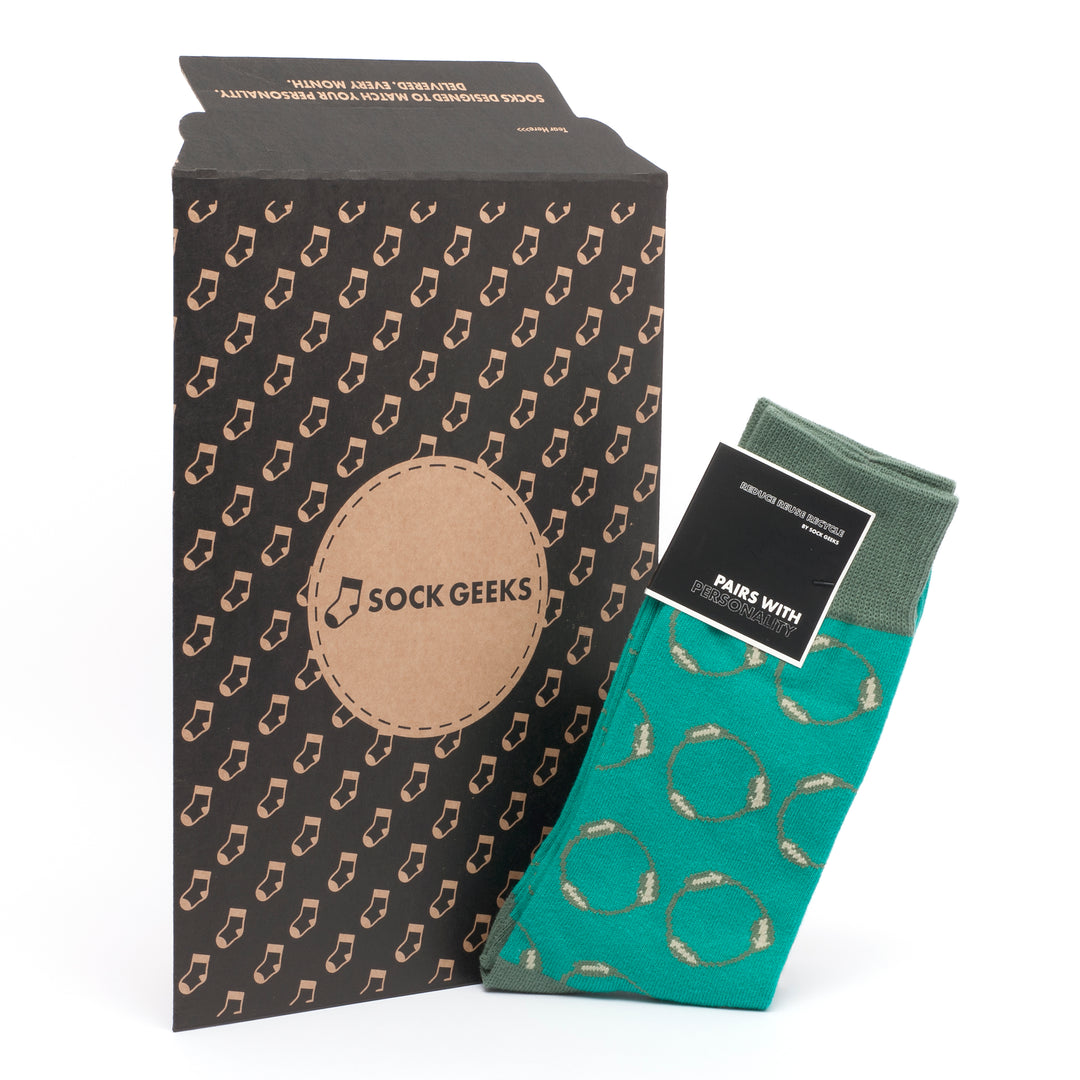
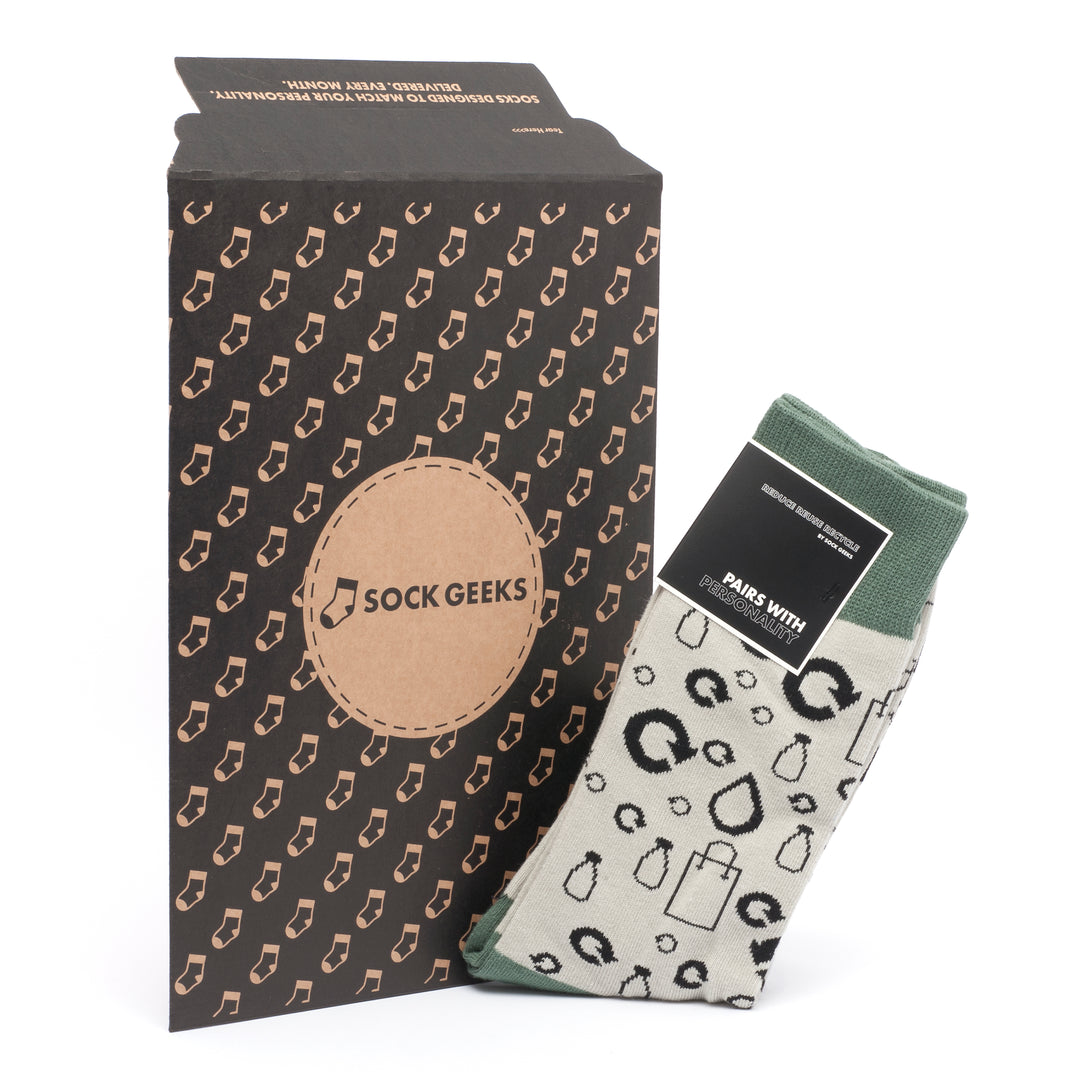
Sockgeeks: premium socks matched to your taste
Sockgeeks takes the guesswork out of finding quality socks that suit your personality and lifestyle.
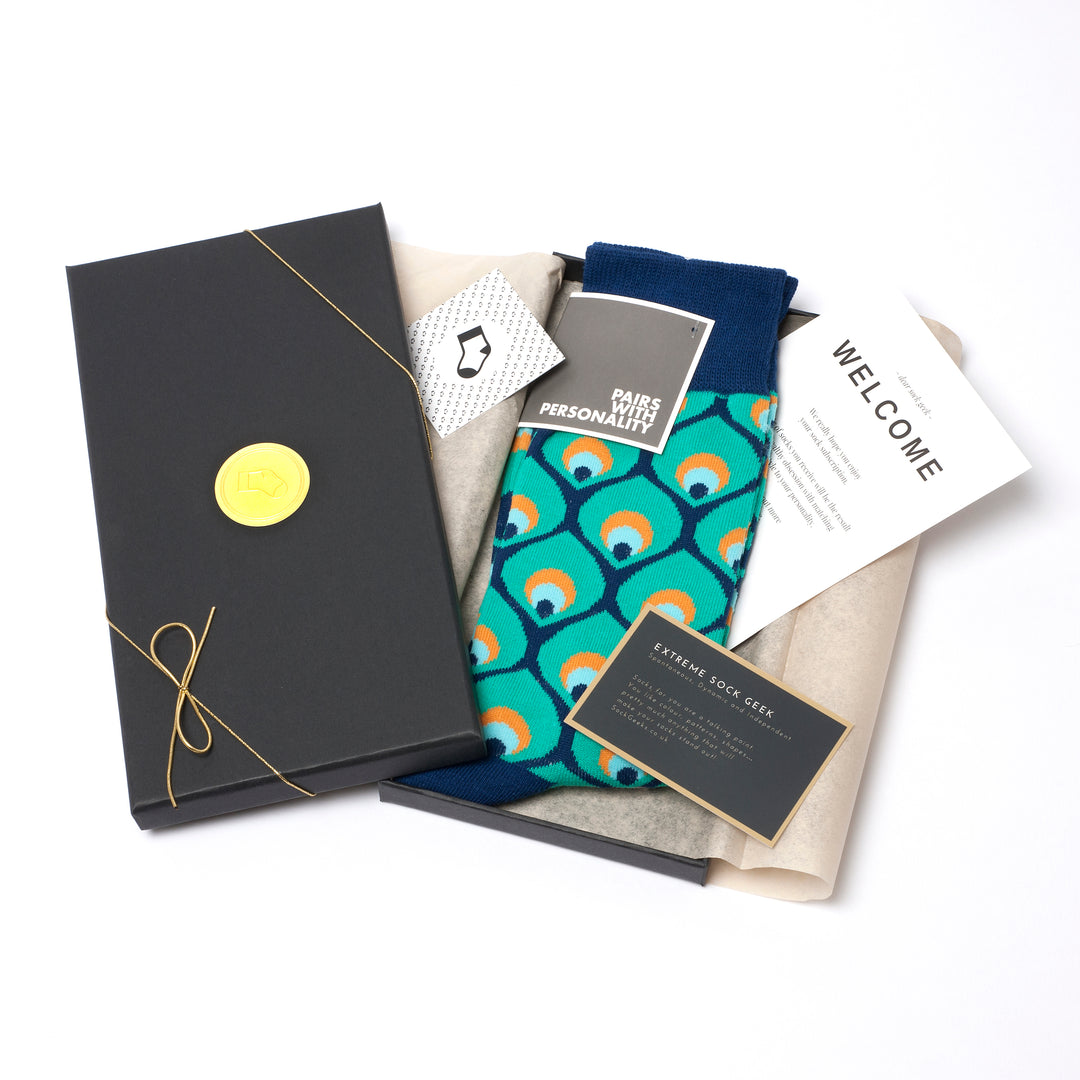
Through a short personality quiz, Sockgeeks matches you with curated premium sock designs delivered directly to your door. Every pair is made from ethically sourced materials, built to the construction standards covered in this guide, and chosen to reflect your individual style. Designs are exclusive to subscribers and not available in standard retail. With a 4.72 customer rating and a range that covers everything from merino work socks to luxurious cashmere options, Sockgeeks is the most straightforward way to build a premium sock collection without spending hours researching brands individually.
FAQ
Are expensive socks actually worth the money?
Yes. Premium sock buyers report 70% higher satisfaction and replace their socks far less often than budget buyers. The cost per wear over two or more years makes them more economical than cheap alternatives.
How long do premium socks last compared to cheap ones?
Premium socks with reinforced heels, linked toe seams, and high knit density last 2–5 years longer than basic synthetic socks. Proper care, including gentle washing and air drying, extends that lifespan further.
Do merino wool socks need washing after every wear?
No. Merino wool’s natural odour resistance means socks can be aired between wears without washing every time. This reduces wash cycles and preserves the fibre quality for longer.
What makes premium work socks different from standard ones?
Top premium work socks in the UK use wool and silver fibre blends that maintain dry, fresh feet during long shifts. Reinforced stress points and moisture-wicking fibres reduce blisters and odour compared to standard cotton work socks.
Which premium sock brand offers the best guarantee?
Darn Tough offers a lifetime guarantee, replacing any pair that wears out at no cost. Sockgeeks backs its range with ethical sourcing standards and a satisfaction guarantee, making both strong choices for long-term buyers.




Leave a comment