





Can you wear cashmere in summer?
Introduction
Yes, you can wear cashmere in summer, comfortably, and without sweating like you have been shrink-wrapped, but only if you stop treating it like a winter-only trophy and start treating it like what it actually is: a fine, breathable, temperature-regulating fibre that can work brilliantly in warm weather when the knit, weight, shape, and your actual day plan make sense.

Most people’s mental image is a thick cashmere sweater, dense knit, cuffs strangling your wrists, the sort of thing you wear under a coat in February and then forget exists until the first cold snap. Fair. Also… not the full story. Cashmere comes from the soft undercoat of cashmere goats, and that undercoat evolved to manage extreme swings, not just cosy firesides. It insulates, yes. It also breathes, wicks moisture better than plenty of “performance” synthetics, and handles quick temperature changes (hello, sea breeze; hello, arctic office air-con) with a kind of quiet competence.
So the real question is not “can you wear cashmere in summer?” It’s “which cashmere pieces behave in heat, which ones turn into a portable sauna, and how do you style it so you look intentional instead of confused?”
You already know the basics. Let’s talk strategy.
Choose ultra-light grades for hot days
If you want cashmere on actual hot days, this is where you get picky. Not snobby. Picky. Summer cashmere lives or dies on weight cashmere and gauge. You want the sort of lightweight cashmere that feels like it has manners: it sits on the skin without clinging, it lets air in, it doesn’t trap every bit of warmth you produce like a jealous ex.
The quick tells are boring, but they work. Hold it up to light. You should see a faint shadow of your hand. Check the gauge cashmere sweater number if the brand gives it. Think 14 to 16 gauge for proper warm weather friendliness; 12 gauge can still work if the silhouette is loose and the knit isn’t dense. And yes, ply cashmere matters. One-ply or a fine two-ply in a very open structure can feel far less heavy than a plump multi-ply yarn that was basically designed for Scottish wind.
A lot of “summer” knitwear is just marketing with a tan filter. If the garment has that thick, bouncy loft, it might be gorgeous, but it’s for cooler evenings, not a midday commute. Your body temperature will tell on you.
Early warning signs you’re about to buy a heat-trap:
-
The knit looks compact and smooth like it’s been pressed into place
-
The fabric has a springy, padded feel rather than a light drape
-
The neckline and cuffs are chunky enough to hold their own shape in a storm
And because nobody likes vague shopping advice, here’s a simple comparison table you can actually use:
|
What you’re checking |
Summer-friendly target |
Why it matters in warm weather |
|---|---|---|
|
Gauge |
14–16 gauge |
Finer knitwear allows airflow and feels less bulky |
|
Ply |
1-ply (or very fine 2-ply) |
Less yarn mass means less trapped warmth |
|
Handle |
Light drape, not spongy |
Loft equals insulation, even when you don’t want it |
|
Opacity |
Slightly sheer when held up |
A decent proxy for low weight cashmere |
The funny part is that ultra-fine doesn’t have to mean fragile. Quality cashmere with long fibres, spun well, can be slim and still resilient. The weak stuff pills because it’s short-staple and lazy-spun, not because it’s thin.
Best moment: Dry heat and bright sun when you still want a light layer
Common mistake: Buying “soft” and mistaking thickness for quality
Shopping cue: 14–16 gauge, light drape, faint hand silhouette in the light
Pick cooling blends for better breathability
Pure cashmere can absolutely work, but blends are where summer gets easier. Cashmere blends, done properly, are the cheat code for breathability without sacrificing the soft texture that made you want cashmere in the first place.
Silk is the obvious one. It adds glide, a slightly cooler touch, and it helps the garment fall flatter against the body without gripping. Linen is the other hero, not because it’s “luxury” but because it’s honest. Linen brings structure and airflow, and it stops a lightweight cashmere sweater from feeling too precious. Cotton can work too, though cotton-heavy blends sometimes lose that temperature regulation magic and behave more like ordinary knits, just pricier.
What you’re really shopping for is balance. Too much linen and the piece can feel wiry. Too much silk and it can go a bit shiny in a way that reads “evening top” rather than day-to-day wardrobe. The sweet spot depends on climate, but a cashmere-silk blend is usually the easiest travel companion because it stays presentable and doesn’t crease into a sad mess.
If you like having a rule of thumb, use this table as a rough guide:
|
Blend partner |
What it improves |
When it shines |
Small downside to accept |
|---|---|---|---|
|
Silk |
Smoothness, drape, cooler handfeel |
Humid evenings, dressier looks |
Can show sheen, needs gentle washing |
|
Linen |
Airflow, texture, structure |
Daytime heat, coastal weather |
Can feel less “cloud-soft” |
|
Cotton |
Familiar feel, casual ease |
Low-humidity casual wear |
Less of that clever moisture control |
I’ll also say this bluntly: a blend is not automatically inferior. It’s only inferior when brands use it to dilute the expensive fibre and still charge like it’s pure luxury cashmere. Look at the handle, the knit, the finishing, and how it sits on the body.

For a mainstream reality check, even heritage retailers are openly pro summer-appropriate blends and fine gauges now; the way N.Peal talks about wearing cashmere in the summer is basically a polite version of “stop buying chunky knits for July.”
Best moment: Humid climates and long days when you want breathable polish
Common mistake: Paying pure-cashmere prices for a filler-heavy blend
Shopping cue: Cashmere with silk or linen, not dense cotton-heavy mixes
Select open knits for airflow
Knit structure is the bit everyone ignores because it isn’t as easy as reading a label. It should be the first thing you look at.
Open knits breathe. Dense knits hoard heat. That’s the whole game.
Pointelle, lace-like stitches, ribbing that isn’t packed tight, fine-gauge jersey knits that don’t look “sealed”… these are the summer winners. They let air move, they let moisture escape, they stop that clammy feeling where fabric and skin get into an argument.
Cable knit is gorgeous, but cable knit is also basically a heat storage system. Same for chunky fisherman ribs, heavy Milano knits, anything that looks like it could stand up on its own. Save it for winter. Or at least for cooler mornings and cooler evenings when the temperature drops and you actually want insulation.
The other quiet tell is how the garment behaves when you scrunch it. An open knit compresses easily and springs back without feeling thick. A dense one feels like you’re squeezing a stress ball.
And styling-wise, open knitwear is a gift because it looks intentional in summer. A fine open stitch over a camisole, a bralette, a simple cotton vest, it reads as outfit-building, not “I forgot to pack a proper top.”
Best moment: Warm weather with movement, walking, outdoor dining, anything breezy
Common mistake: Falling for a dense knit because it looks “expensive”
Shopping cue: Pointelle, open rib, or fine-gauge jersey with visible airflow
Wear tees, tanks, and light cardigans
If you’re serious about wearing cashmere in summer, stop defaulting to the classic crewneck cashmere jumper shape. That silhouette was made for layering under coats. In heat, it’s often the wrong tool.
The pieces that earn their place in a summer wardrobe are the ones that expose skin and let your body regulate itself. Cashmere tees, tanks, sleeveless tops, cropped shapes, light cardigans you can unbutton and move around in. That’s your core kit.
A fine-knit tee works because it has the polish of knitwear without the bulk. A tank is even better, especially in a breathable knit where the yarn isn’t doing too much. And a cashmere cardigan, cut slim but not tight, is the most useful item when your day involves temperature whiplash: sunshine outside, freezing inside, wind near the water, then a taxi with the air-con blasting like it’s a moral crusade.
One thing people get wrong is fit. A tight knit top in warm weather is a trap. You want ease. Not tent-like, just a bit of air so moisture can move and the fabric doesn’t cling.
If you want a little insider trick: treat a light cardigan like a top. Button it, half-tuck it into trousers, push the sleeves up, and let the knit do the work. It looks pulled together with basically zero effort.
Best moment: All-day wear when you need a breathable base rather than a heavy layer
Common mistake: Choosing tight fits that cling and block airflow
Shopping cue: Fine-knit tees, tanks, and cardigans with a relaxed drape
Use pale colours to reduce heat feel
Colour sounds like fluff advice until you’ve worn black knitwear in direct sun and wondered why you feel personally attacked by daylight.
Pale shades reflect more heat. Dark shades absorb it. Cashmere already has warmth as part of its personality, so if you’re trying to wear it in summer days, don’t stack the deck against yourself.
Cream, oat, pale grey, soft blue, washed navy, sage, dusty rose, all of these read light even when the garment is knit. They also look more seasonal with linen separates and cotton skirts, which matters if you’re trying to avoid looking like you got dressed for a different hemisphere.
There’s also a styling bonus: lighter cashmere pieces show texture in a nicer way. Fine ribbing, a delicate weave, a subtle stitch pattern, it all reads, especially in daylight. Dark colours can flatten those details and make the garment feel heavier than it is.
If you love black, keep it for cooler evenings, or make it a tiny piece, a wrap in your bag, a light layer you put on when the temperature drops. Just don’t build your daytime outfit around it and expect comfort.
Best moment: Bright sun, travel days, anywhere you’ll be outside for hours
Common mistake: Defaulting to black and wondering why you feel too warm
Shopping cue: Creams, pale neutrals, muted pastels that show knit texture
Layer for sea breezes and cold air-con
The place where summer cashmere is genuinely unbeatable is not the hottest part of the day. It’s the gaps. The in-between. The moment the weather changes its mind.
Think seaside evenings when the wind comes off the water. Think train journeys with aggressive air conditioning. Think offices that run cold because someone in Facilities decided 20°C is “too warm” and now everyone has a space heater under their desk like it’s a secret rebellion.
This is where cashmere behaves like it was built for humans. You can layer it, remove it, drape it, tie it, and it doesn’t fight you.
A cashmere wrap is the classic move because it does three jobs: scarf, blanket, and “I’m not freezing at dinner.” If you’re not a scarf person, fine. A lightweight cashmere sweater over the shoulders works too. It’s not just a preppy thing, it’s practical. You can pull it on fast, it doesn’t crease like a shirt, and it adds warmth without the bulk of a jacket.
If you want the smarter version of “bring a layer,” match the layer to the situation:
-
Breezy coast: open knit or wrap that blocks a bit of wind
-
Air-con office: fine cardigan that sits neatly over blouses and shirts
-
Evening city: light crewneck you can carry without hating your life
And yes, you can do a cashmere jacket in summer, but only if it’s genuinely light and unlined, closer to knitwear than outerwear. A structured, lined cashmere jacket is a winter staple. Don’t argue with physics.
Best moment: Cooler evenings, coastal weather, and over-air-conditioned interiors
Common mistake: Bringing a heavy jacket when a light layer would do
Shopping cue: Wraps and fine cardigans that fold small and add quick warmth
Pair with linen, cotton, and denim
Cashmere can look weird in summer if you pair it with the wrong materials. Put a fine knit with something equally soft and clingy and the outfit goes syrupy. Too much “cosy”. Too much lounge. The fix is contrast.
Crisp linen trousers, cotton poplin skirts, denim shorts, structured jeans, even tailored cotton shorts: these give the knit something to bounce off. The outfit reads seasonal because the bottom half is doing the summer work while the top half gives you polish and comfort.
A few combinations that consistently look like you meant it:
Cashmere tank with linen separates. Cashmere tee tucked into denim. A cashmere cardigan over a summer dress when the temperature drops. A fine cashmere jumper with sleeves pushed up, paired with cotton trousers and simple sandals. It’s not complicated, it’s just balanced.
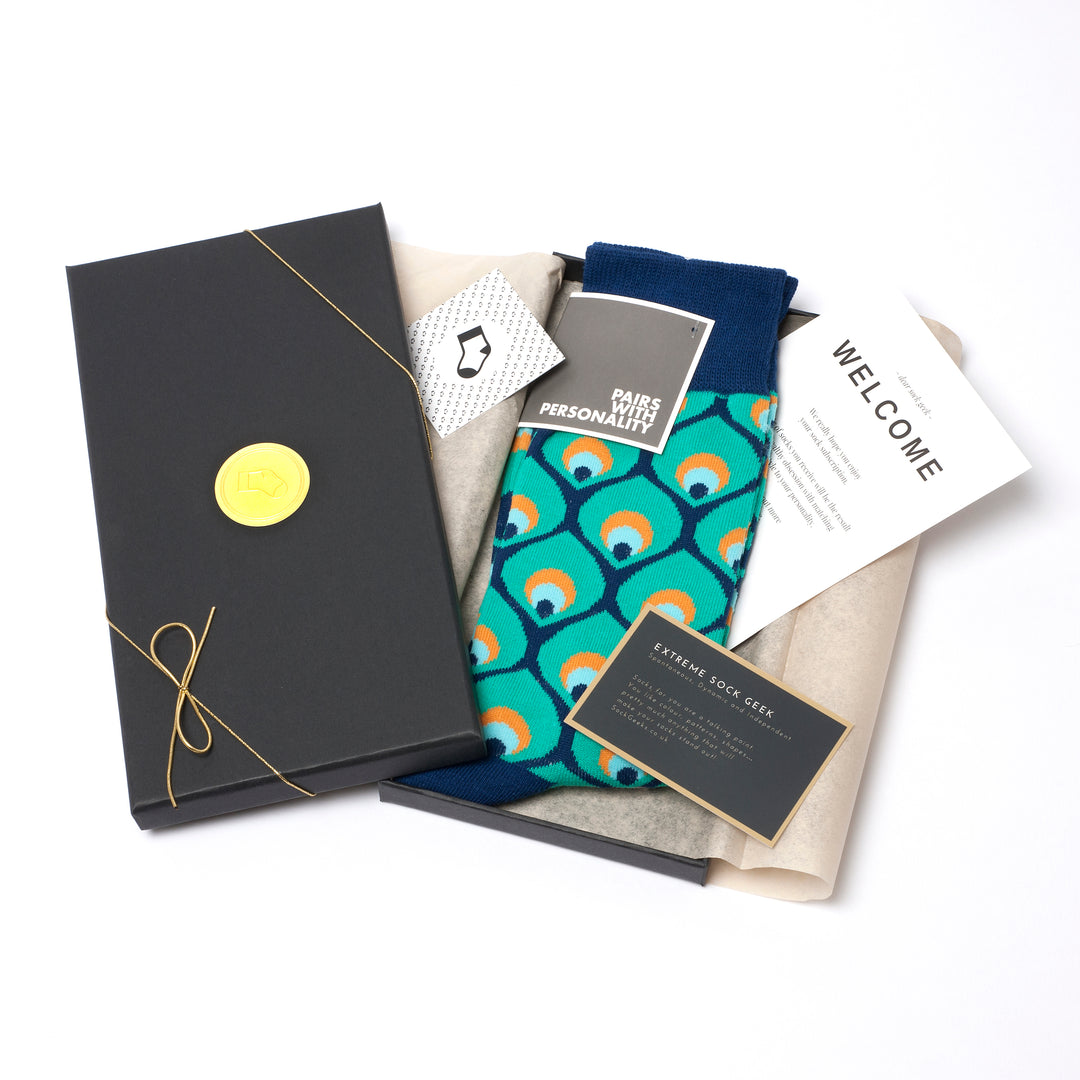
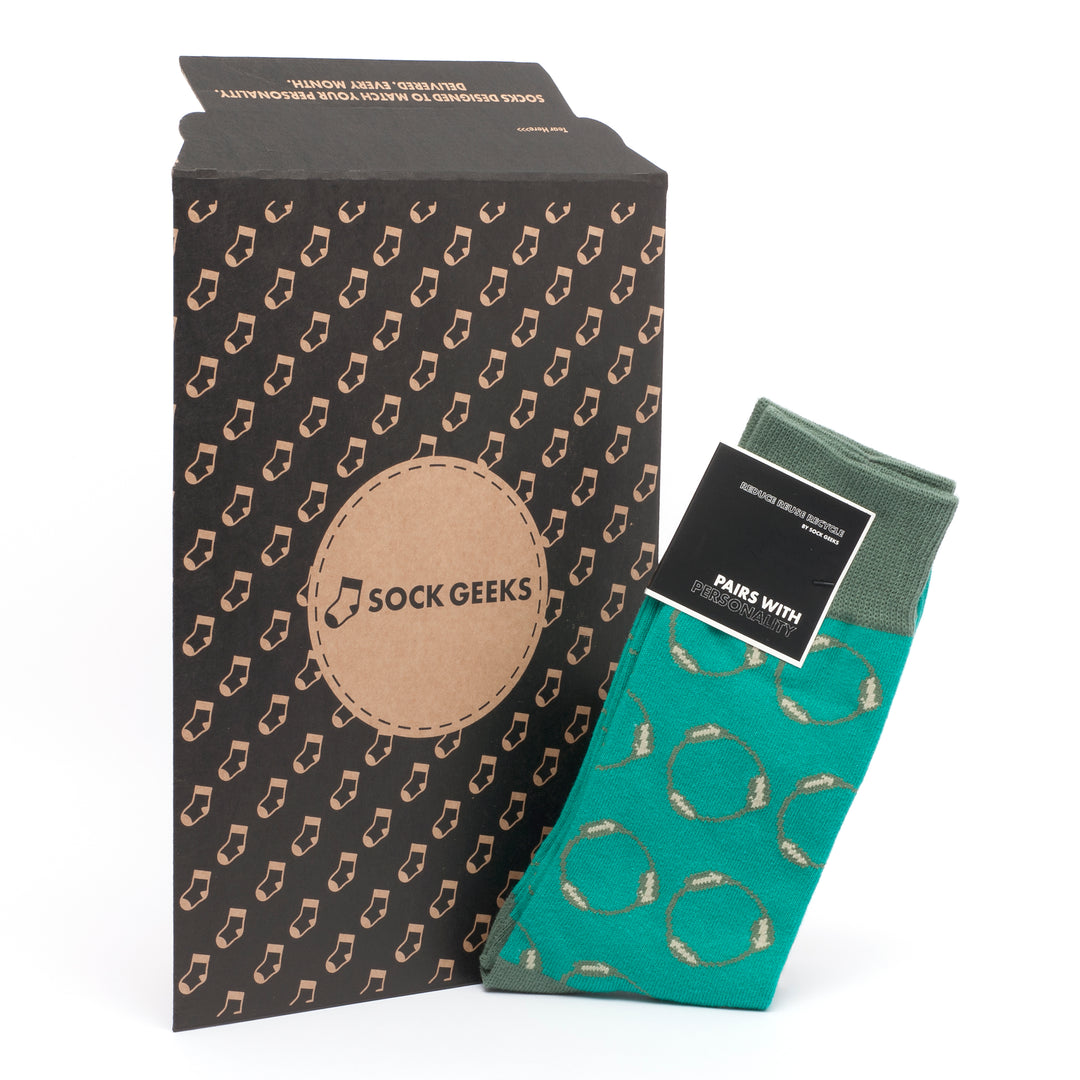
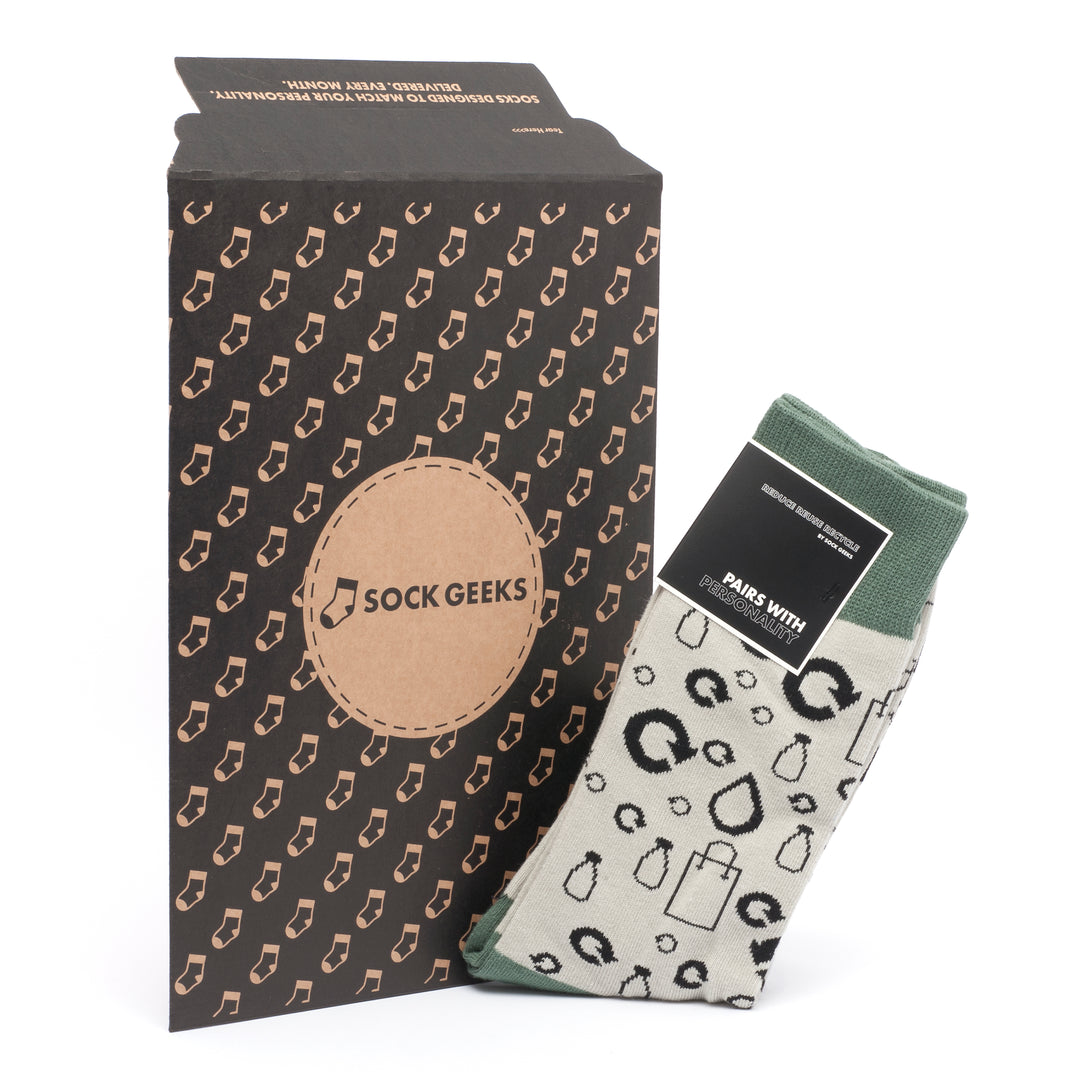
And since we’re talking real wardrobe life, socks matter more than people admit. In summer, your shoes often run hotter, your feet swell a bit, and the wrong sock turns the whole day into a low-grade annoyance. If you’re already investing in good fibres, this is where something like Sock Geeks quietly earns its keep, especially their premium cashmere socks for flights, cold offices, or evenings when trainers suddenly feel less “casual look” and more “why are my feet freezing?”
Best moment: Everyday summer style when you want soft on top, crisp below
Common mistake: Pairing knit-on-knit softness and looking seasonally confused
Shopping cue: Mix with linen, cotton poplin, and denim for structure and airflow
Buy here
Wash, dry, and store properly in summer
Summer care is different because you’ll sweat more, wear pieces closer to skin, and deal with sunscreen, salt air, deodorant, and whatever else life throws at your luxury cashmere.
Cashmere fibres can handle washing when you do it properly. The myth that you should never wash it is how people end up with garments that smell “fine” until they don’t. In warm weather, wash more often, not less, because the fibre holds onto oils and moisture, and that’s what attracts grime and moths later.
Hand wash in cool water, gentle wool detergent, minimal agitation. Rinse thoroughly. Press water out with a towel, don’t wring. Dry flat, reshape gently. That’s the whole process. The harder bit is discipline: don’t hang wet knitwear, because gravity will stretch it into a new and worse shape.
Storage matters too. Summer is when people toss knitwear into the back of a wardrobe and forget it, which is basically an invitation to moths if anything has body oils in it. Store clean pieces folded, ideally in breathable cotton, not sealed plastic. If you use cedar or lavender, fine, but don’t treat it as magic. Cleanliness is the real defence.
A quick note on pilling: pilling is friction plus fibre quality. Summer outfits can increase friction because bags rub against shoulders, seatbelts rub across chests, and you move more. A fabric shaver, used gently, is not a sin. It’s maintenance.
Best moment: Any time you’re wearing it close to skin in warm weather
Common mistake: Wearing repeatedly without washing, then storing it “as is”
Shopping cue: Buy pieces you’ll actually care for: stable knits, good finishing, easy shapes
Avoid overheating with fit and activity choices
This is the bit nobody wants to hear: sometimes, the problem is not the cashmere. It’s your day.
If you’re walking fast in high humidity, carrying a backpack, queuing in the sun, then getting on a packed train, even lightweight cashmere can feel like too much. Summer demands honesty about activity level.
So choose situations where it shines. Travel days. Evenings. Mornings. Indoor-heavy days. Places where the temperature swings. Places where you want a breathable layer that doesn’t scream “sportswear.”
Fit is the other half. A relaxed cut creates a microclimate where air can circulate. A tight cut traps moisture, then you feel sticky, and then you blame the fibre, which is unfair.
Also, pay attention to what you wear underneath. A breathable bra, a simple cotton vest, nothing too synthetic, because synthetics can trap sweat against skin, and then your knitwear is dealing with moisture it didn’t create.
If you want a very real-world sanity check, the mixed opinions you see in places like this Reddit thread on cashmere in summer are basically people discovering that climate and activity matter more than ideology. Tropical humidity plus long walks is different from a dry city evening.
Best moment: Low to moderate activity, variable temperatures, and indoor-heavy days
Common mistake: Wearing a fitted knit on a sweaty, high-friction day
Shopping cue: Looser silhouettes and breathable base layers, especially in humidity
Pack wrinkle-resistant pieces for travel days
Travel is where cashmere stops being a “luxury” and starts being a practical material.
Fine-gauge cashmere knits resist wrinkles better than many woven fabrics, they don’t hold odours the way synthetics do, and they handle being shoved into a bag without turning into a creased apology. If you choose the right weight cashmere, it’s also the perfect temperature regulator for airports, planes, taxis, and whatever weather you land in.
The move is to pack one piece that can do multiple roles. A light cardigan that can be a top, a layer, a blanket. A cashmere wrap that makes a budget airline seat feel slightly less grim. A thin cashmere sweater that looks presentable with denim or trousers on arrival.
Be realistic about climate, though. If you’re landing somewhere that’s 32°C with high humidity, keep it in your bag until the evening. Cashmere is clever, not magical.
One small packing habit that helps: fold your knitwear rather than rolling it tightly. Tight rolls can create hard creases in finer yarn, especially if the piece has silk in it. Fold, tuck into a breathable bag, and you’ll pull it out looking like you planned ahead.
Best moment: Flights, long train journeys, and arrival outfits that need to look sharp
Common mistake: Packing heavy sweaters instead of fine, adaptable layers
Shopping cue: One versatile piece that works as top, layer, and comfort item
Conclusion
You can wear cashmere in summer, and it can feel genuinely good, but the win comes from making it earn its place: choose ultra-light grades, prioritise open knits and cooling blends, keep silhouettes breathable, and use it for the moments when weather flips or air-con goes feral. Do that and cashmere stops being seasonal baggage and becomes part of a versatile wardrobe you actually reach for year-round.
FAQ
Is cashmere actually breathable in summer?
Yes, quality cashmere fibres breathe and help manage moisture, which is why lightweight cashmere can feel comfortable in warm weather, especially in fine-gauge knitwear and open structures.
What’s the best cashmere for hot days?
Look for a very fine gauge (around 14 to 16), low ply cashmere, and a light drape. Tanks, tees, and open knits beat dense sweaters every time.
Can I wear a cashmere sweater in summer without overheating?
You can, if it’s a lightweight cashmere sweater in a fine gauge and you’re wearing it in the right conditions: cooler mornings, cooler evenings, sea breezes, or cold indoor spaces. A thick cashmere jumper is a winter staple for a reason.
Are cashmere blends better for warm weather?
Often, yes. Cashmere blends with silk or linen tend to improve breathability and how the garment hangs, which can make it easier to wear in summer months.
How often should I wash summer cashmere?
More often than your winter pieces, because it’s closer to skin and picks up sunscreen, sweat, and oils. Cool hand wash, gentle detergent, dry flat, store folded when clean.
Does cashmere pill more in summer?
It can, because summer outfits often create more friction (bags, seatbelts, bare arms). Pilling also depends heavily on fibre length and yarn quality. A gentle fabric shaver is normal maintenance.
Is a cashmere jacket sensible in summer?
Sometimes. An unlined, light cashmere jacket or knit jacket can work for evenings or air-conditioned places. A structured, lined jacket is usually too warm unless you’re in a mild climate.
What climates are worst for wearing cashmere in summer?
High humidity plus high activity is the hardest combination. In dry heat, or in places with big temperature swings, summer cashmere pieces are far easier to wear comfortably.



Leave a comment