





Five simple rules let any couple coordinate outfit details so both partners look connected without losing individual style. The approach that works best starts small: pick one visual thread, not a matching uniform.
Your five rules at a glance:
- Accessories first. Socks, belts, and watches create an obvious visual link with zero outfit disruption.
- Share one accent colour. You do not need identical shades - a tonal family is enough.
- Match texture or silhouette selectively. Both in linen, or both in tailored cuts, reads as intentional.
- Balance formality. If one person wears a blazer, the other should at least wear a collar.
- Prioritise comfort. A look you fidget in photographs badly, however well it coordinates.
Quick checklist before you leave the house:
- Do we share at least one visible detail (colour, accessory, or texture)?
- Does the formality level match closely enough?
- Have we done a side-by-side mirror check?
A simple example that works every time: navy base on both, matching socks in the same tone, and one shared accessory such as a leather belt or a watch strap. Sock Geeks, rated 4.72 by customers, makes that last step easy with curated couple sock sets.
Key takeaways
Subtle coordination — one shared detail rather than a matching uniform — is the approach that consistently reads as stylish rather than costume-y.
| Point | Details |
|---|---|
| Start with accessories | Socks, belts, and watch straps create a visual link without changing either outfit. |
| Pick one visual thread | A shared colour, texture, or print is enough; coordinating every element tips into over-matching. |
| Use the 3-3-3 rule | Keep combined outfits to three colours, three accessories, and three textures to avoid visual noise. |
| Adapt for body type and season | Coordinate in the accessories layer so each partner dresses for their own silhouette and comfort first. |
| Sock Geeks for easy coordination | Sock Geeks’ couple sock sets and gift boxes make matching socks the simplest, photo-ready detail to add. |
Table of Contents
- Why couples coordinate outfits in the first place
- Five approaches to couple outfit coordination, ranked by commitment
- How to plan a coordinated look step by step
- Small details that make coordination look intentional
- Common coordination mistakes and how to fix them
- Ready-to-use outfit templates for four occasions
- Why matching socks work so well as a couple detail
- How to coordinate outfits for different body types and personal styles
- How to use seasonal trends and fabrics without losing harmony
- Keeping your individual style while dressing together
- The easiest way to add a coordinated detail today
- Sources
- FAQ
Why couples coordinate outfits in the first place
Subtle coordination signals unity without erasing individuality, and it photographs far better than two entirely unrelated looks standing side by side.
The occasions where it adds the most value are specific. Photoshoots and family portraits benefit most obviously: a shared colour story registers quickly to the eye and stops one person visually “disappearing” against the other. Holidays and travel days are a close second, partly because matching luggage-friendly pieces simplify packing and partly because holiday photos tend to be the ones couples actually frame. Casual dates, anniversary dinners, and weddings as guests all reward a light coordination touch too.
The psychology behind it is straightforward. Matched accessories act as a focal link, drawing the eye between two people and reading as deliberate rather than accidental. Shared colour stories work because the human eye groups similar tones together automatically. You do not need to plan a full outfit duplication for that effect to land — one shared detail is usually enough, as styling guides consistently note.
Five approaches to couple outfit coordination, ranked by commitment
The ranked list, from least to most effort: (1) matching accessory, (2) shared accent colour, (3) shared print or graphic, (4) silhouette matching, (5) full matching sets. A modern coordination spectrum confirms that all five are valid — the right choice depends on shared taste and the occasion.
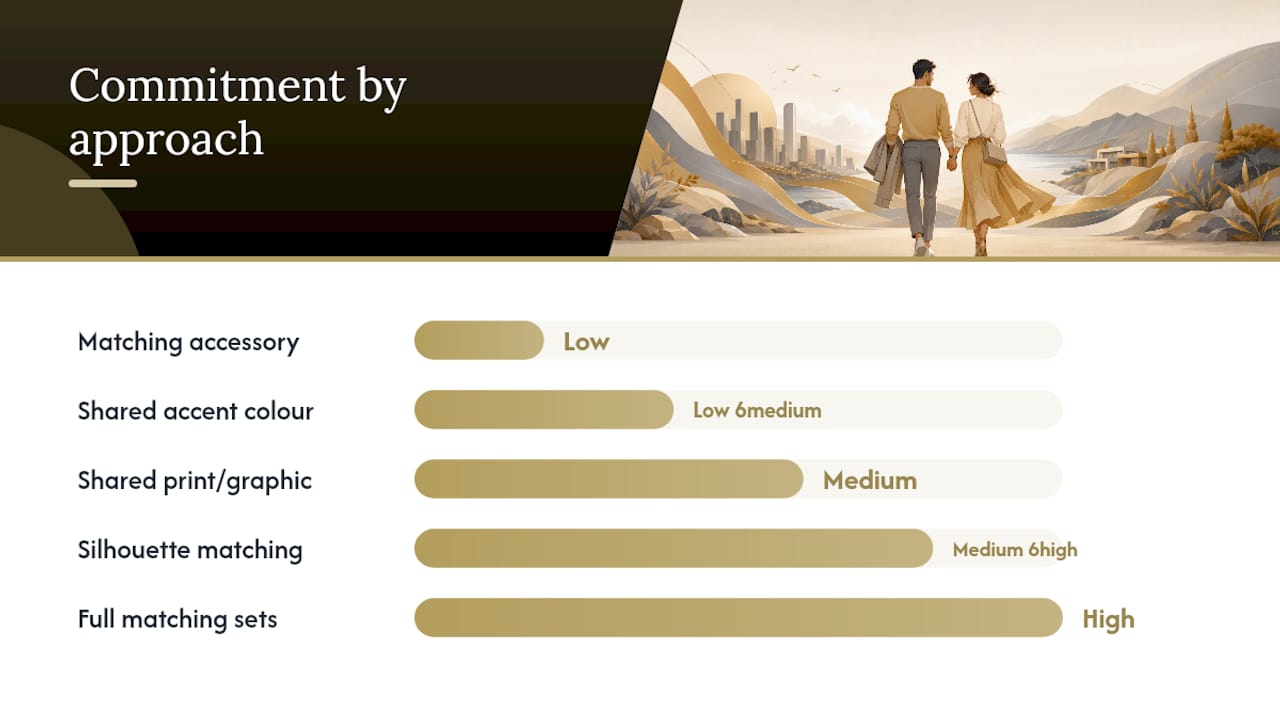
1. Matching accessory (commitment: low) One shared detail — same sock pattern, matching watch straps, or coordinating belts. Works for any occasion. Why it works: it creates a focal link without touching either outfit. Examples: both in burgundy socks with otherwise independent outfits; matching leather belt tones.
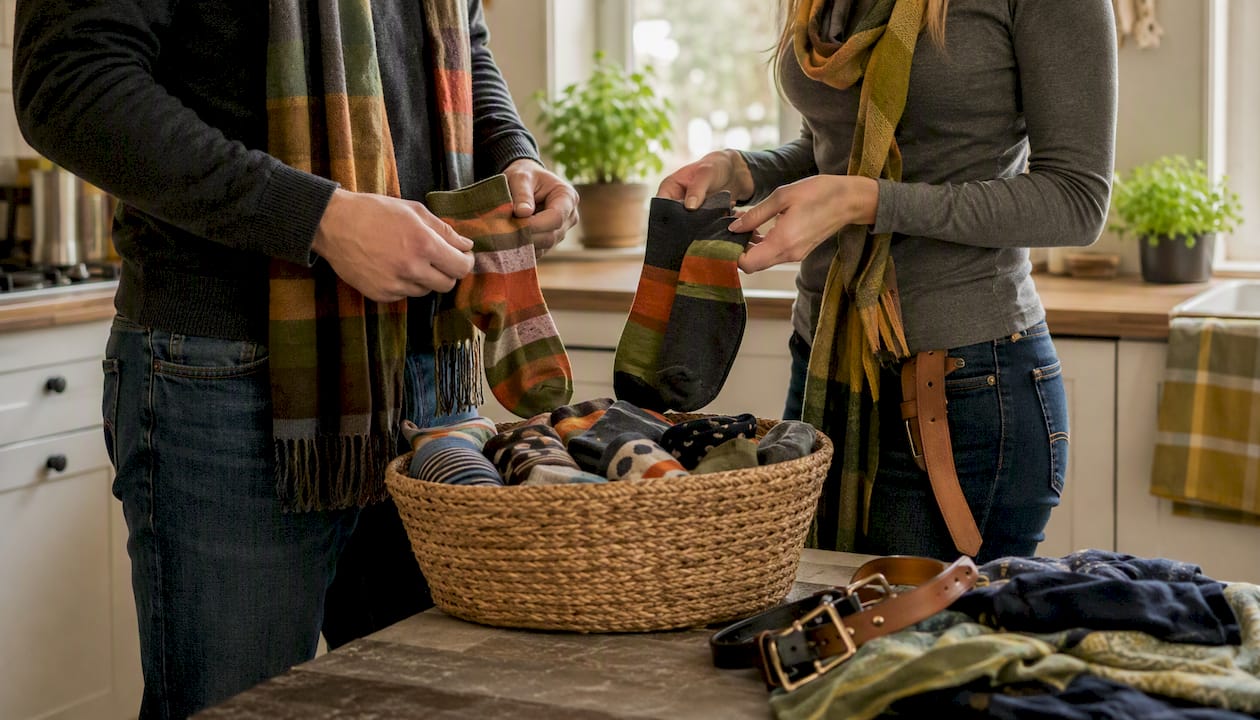
2. Shared accent colour (commitment: low–medium) Both outfits contain the same colour, even if the garments are completely different. Works for dates, travel, and casual events. Why it works: the eye groups the colour and reads the pair as coordinated. Examples: one in a rust jumper, the other with rust trainers; both with a navy stripe somewhere.
3. Shared print or graphic (commitment: medium) Both wear the same print family stripes, florals, or checks - without wearing identical pieces. Works well for holidays and relaxed weekends. Why it works: the print echo looks considered rather than coincidental. Examples: both in gingham, different colours; matching stripe direction on shirts.
4. Silhouette matching (commitment: medium–high) Both choose the same overall shape - both in tailored trousers and blazers, or both in relaxed wide-leg cuts. Works for formal events and portrait sessions. Why it works: the matched silhouette reads as a unified aesthetic even when colours differ. Examples: both in slim-fit suits, different shades; both in oversized knitwear and straight-leg jeans.
5. Full matching sets (commitment: high) Identical or near-identical outfits. Best reserved for photoshoots, themed events, or when both partners genuinely want the statement. Celebrity coordination tends to land here via monochrome or a shared designer aesthetic - and it reads as stylish precisely because the execution is deliberate, not accidental.
| Approach | Commitment | Best for | Typical effort |
|---|---|---|---|
| Matching accessory | Low | Any occasion | Buy or swap one item |
| Shared accent colour | Low–medium | Dates, travel, casual | Check wardrobes first |
| Shared print/graphic | Medium | Holidays, weekends | Light shopping or styling |
| Silhouette matching | Medium–high | Formal events, portraits | Outfit planning session |
| Full matching sets | High | Photoshoots, themed events | Full outfit coordination |
Socks sit firmly in the low-commitment, high-visual-payoff column. They show up in photos, they are easy to swap, and neither partner has to change a single other thing.
How to plan a coordinated look step by step
The process in one line: plan together, pick a visual thread, assemble or shop, fit-check side by side, then reveal. Practical styling advice backs this sequence - the fit-check step in particular catches formality mismatches before they become a problem.
- Ask each other for three favourite outfits. Lay them out or photograph them. Look for what they share: a colour, a fabric weight, a silhouette.
- Identify the shared visual thread. It might be a recurring navy, a preference for relaxed cuts, or a love of texture. That thread is your coordination anchor.
- Choose one lever to coordinate. Pick the approach from the ranked list above that suits the occasion and your comfort level. One lever is enough.
- Buy or repurpose one item. Often you only need to add a single piece - a matching sock set, a belt in the right tone, or a scarf in the shared colour.
- Do a side-by-side fit check. Stand together in front of a mirror. Ask: “Does this read as intentional?” and “Is the formality level the same?” Not just “Are you comfortable?” - that question misses fit and proportion issues.
- Photograph a test shot. A quick phone photo reveals colour clashes and formality gaps that the mirror can miss.
The 3-3-3 rule is a useful styling shorthand: aim for no more than three colours, three accessories, and three textures across both outfits combined. It stops coordination from becoming visual noise. If your combined look exceeds those limits, remove one element rather than adding another.
Shopping tip: match shoes or socks online first. They are the easiest items to coordinate without a fitting room, and they anchor the rest of the look.
Small details that make coordination look intentional
Accessories are the fastest, most reversible coordination choice - and styling guides agree they are the right place to start.
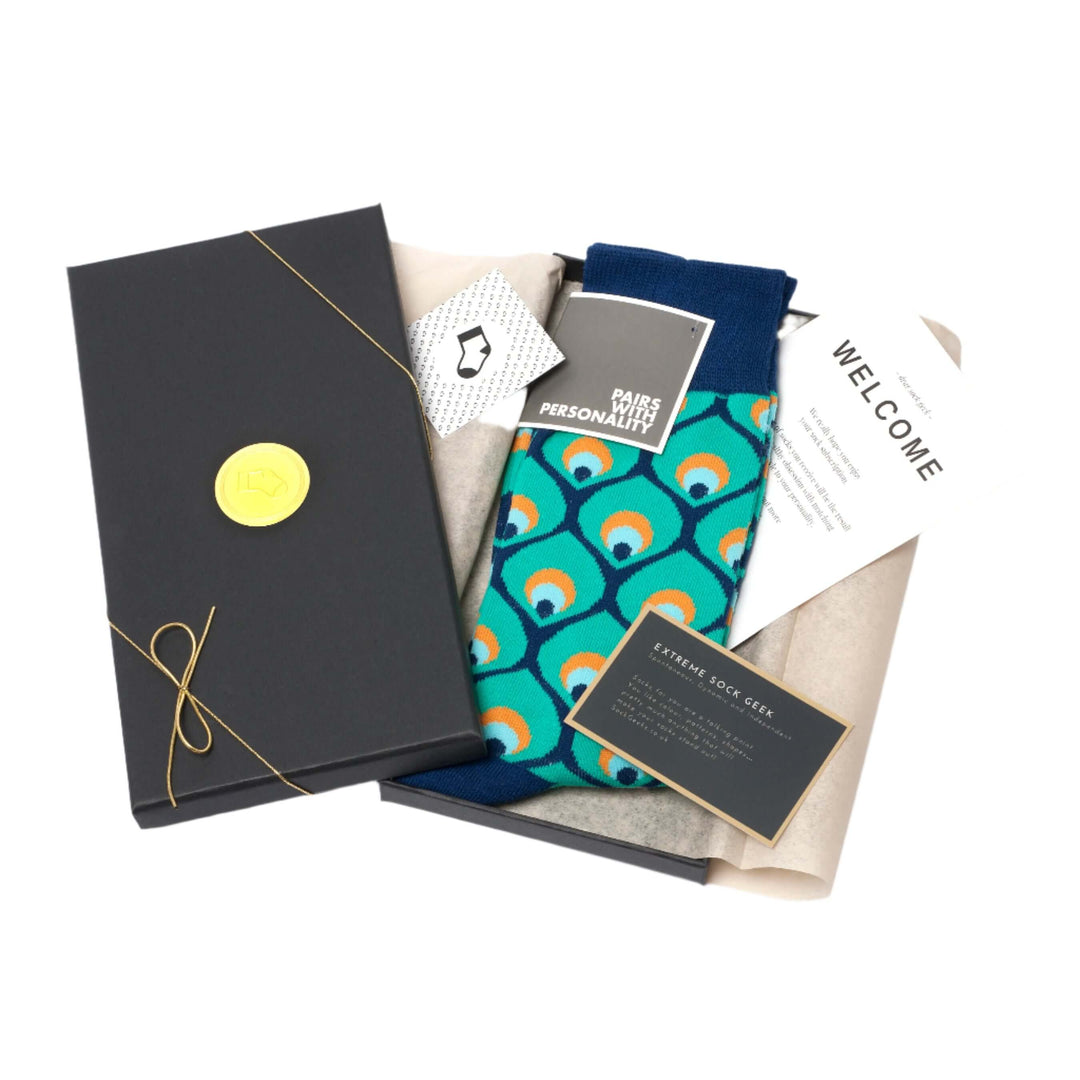
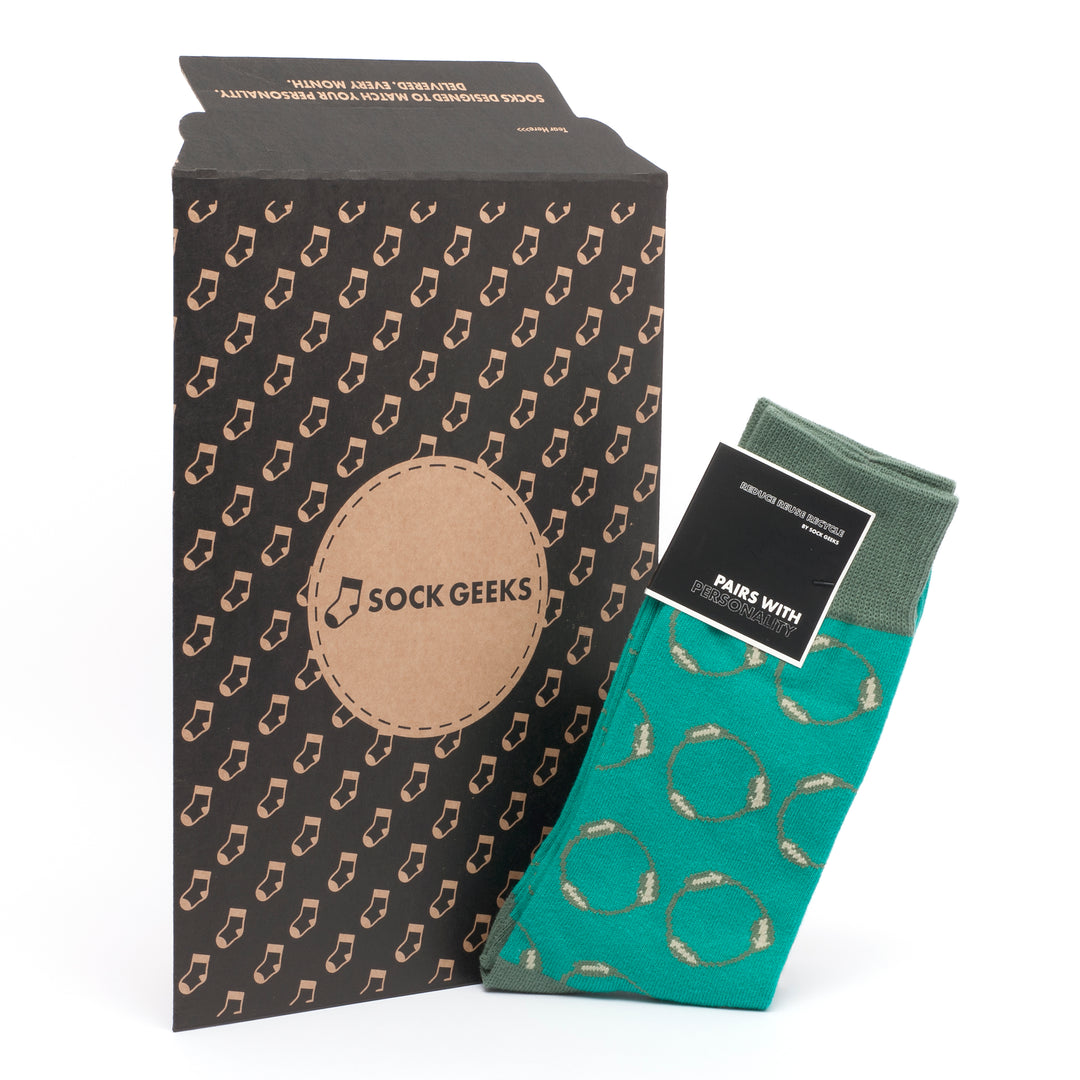
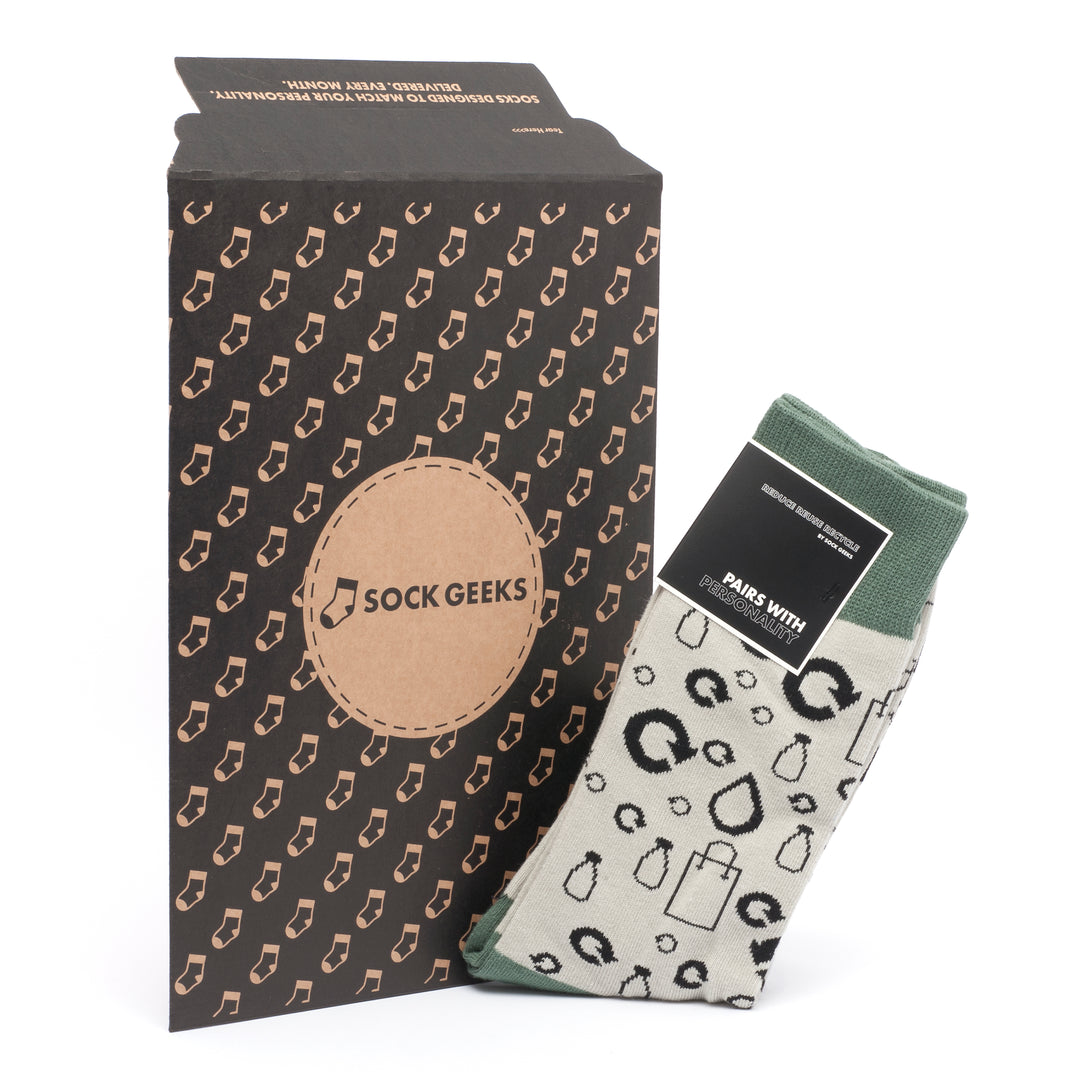
Socks. The most underrated coordination detail. A matching pattern or tonal pair shows up clearly in seated photos and candid shots. Sock Geeks’ couple sock sets are designed for exactly this: both partners get a complementary pair without wearing identical garments.

Shoes. Matching shoe tone (both in white trainers, both in tan leather) is one of the strongest cohesion signals. You do not need the same style - just the same colour family.
Belts. A shared leather tone (tan, black, or cognac) links two outfits quietly. Most people already own a belt; it is often a free coordination win.
Watches and jewellery. Matching metal tones - both in gold, both in silver - creates a subtle but consistent thread. Mixing metals between partners reads as unplanned.
Scarves and hats. Complementary textures work better than identical pieces here. One in a chunky knit, the other in a fine wool, reads as considered. Identical hats can tip into costume territory.
Pro Tip: Pick one shared metallic tone or shoe colour across both looks before you touch anything else. It takes thirty seconds and creates instant cohesion without a single outfit change.
Common coordination mistakes and how to fix them
Most mistakes come from over-matching or mismatched formality - and both are easy to correct once you know what to look for.
- Identical shades on both. Fix: choose a tonal family instead. One in forest green, one in olive reads as coordinated. Two in the exact same forest green reads as a uniform.
- Mismatched formality. Fix: raise or lower one outfit with a single piece. Add a blazer to lift a casual look; swap trainers for loafers to close a formality gap.
- Matching every element. Fix: coordinate one or two details, not everything. Same socks, same belt, same hat, same bag is too much. Pick two and stop.
- Ignoring proportion. Fix: if one partner is in a voluminous silhouette, the other should balance with something more fitted. Two oversized looks can read as shapeless rather than coordinated.
- Planning in isolation. Fix: lay both outfits out together before getting dressed. What looks fine separately can clash badly when placed side by side.
Before/after example: Partner A in a navy suit, Partner B in a casual grey hoodie and jeans. Fix: Partner B adds a navy scarf and swaps trainers for clean white ones. The formality gap closes, the navy thread links both looks, and neither person has changed their core outfit.
Ready-to-use outfit templates for four occasions
These templates are plug-and-play: adjust the colour, swap a fabric for a seasonal equivalent, and they work across body types and personal styles. Concrete outfit ideas — white tees with jeans, linen sets, matching sneakers, and loungewear - form the backbone of most of these templates.
| Occasion | Partner A | Partner B | Shared detail | Seasonal variant |
|---|---|---|---|---|
| Weekend walk | Dark jeans, white tee, light layer | Dark jeans, striped tee, light layer | Matching trainers or sock tone | Swap light layer for a puffer in winter; linen shirt in summer |
| Night out | Tailored trousers, blazer, loafers | Midi dress or tailored trousers, heels or loafers | Matching metal tone (jewellery/watch) | Add a velvet blazer in winter; linen blazer in summer |
| Travel day | Joggers, oversized hoodie, clean trainers | Joggers or leggings, oversized sweatshirt, clean trainers | Matching sock pattern or bag colour | Layer with a longline coat in autumn/winter |
| At-home date | Matching loungewear set or coordinating pyjamas | Matching loungewear set or coordinating pyjamas | Identical or tonal set | Cashmere or fleece in winter; cotton in summer |
Body type notes: the weekend walk and travel templates work across all silhouettes because the coordination sits in the accessories and colour, not the cut. For the night out template, both partners should choose their most flattering trouser or skirt cut independently - the shared metallic detail does the coordination work regardless of silhouette.
Why matching socks work so well as a couple detail
Matching socks are high-impact and low-fuss. They show up in photos, they respect individual style, and neither partner has to rethink their outfit to include them.
Sock Geeks is built around exactly this kind of detail. The brand runs a personalised subscription service driven by a personality quiz, so each partner gets socks that reflect their own taste - and the couple sock sets mean both looks connect without becoming identical. Materials are ethically sourced, and the cashmere option adds a premium touch for special occasions or winter coordination.
Practical use-cases for Sock Geeks couple products:
- Photo days and anniversaries: a matching sock set is a small, visible detail that photographs well and doubles as a thoughtful gift.
- Travel: coordinating sock patterns on a trip is a low-effort way to look intentional in holiday photos without packing extra outfits.
- Gifting: curated gift boxes - including anniversary, Valentine’s Day, and wedding options - make it easy to give both partners a coordinated detail at once.
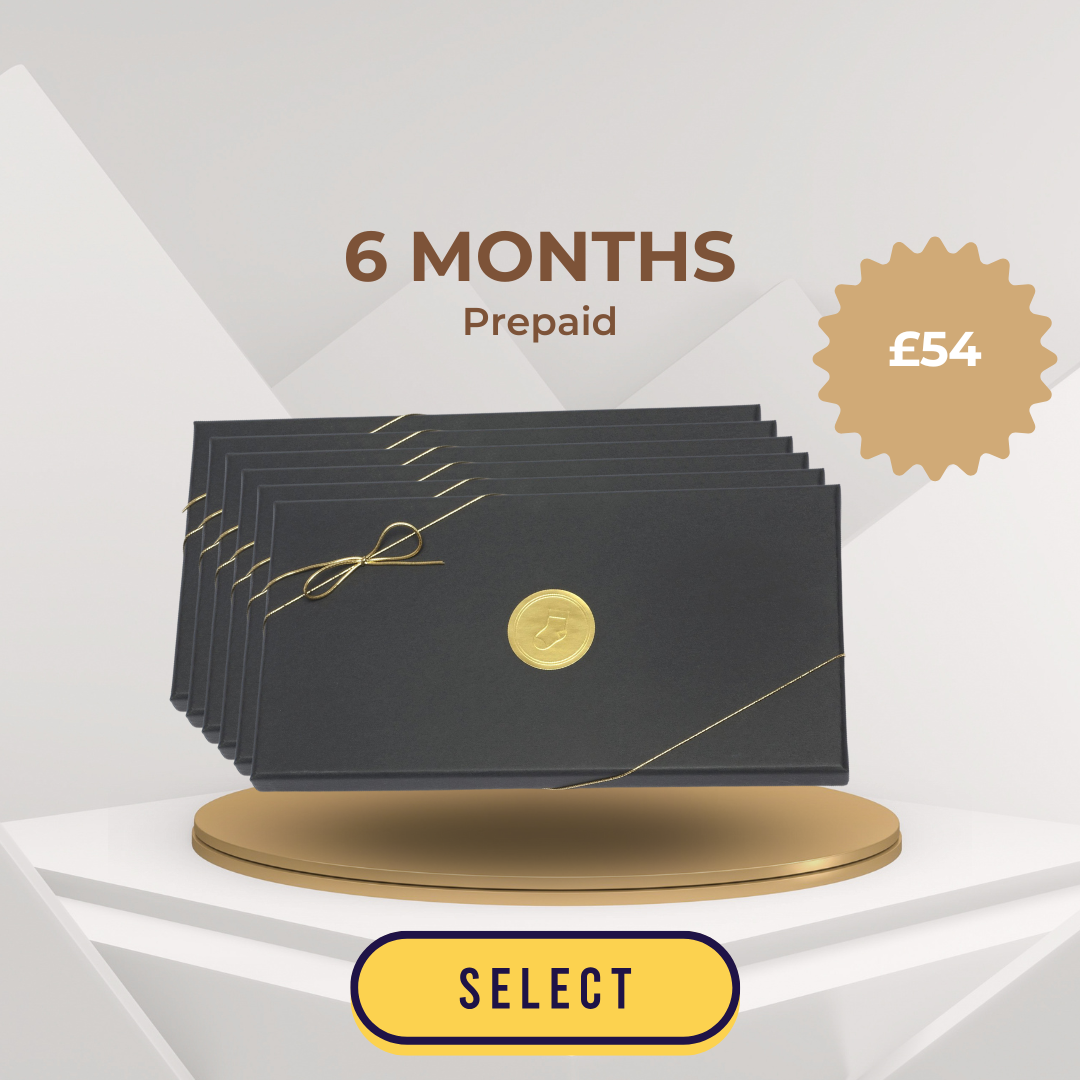
- Subscription: the monthly subscription means the sock drawer stays fresh with new designs, and couples can request complementary patterns.
How to coordinate outfits for different body types and personal styles
Coordination should feel like a choice, not a compromise. The key is to keep the shared element in the accessories or colour layer, not in the cut or silhouette - that way each partner dresses for their own body and comfort first.
If one partner prefers relaxed, oversized fits and the other prefers tailored cuts, a shared colour or matching accessory bridges the two styles without forcing either person into an unfamiliar silhouette. The coordination reads in the detail, not the shape.
For couples with very different personal styles - one minimalist, one maximalist - the shared print or graphic approach tends to work better than a colour-only link. A single pattern element (both in a subtle check, for example) gives the maximalist something to build on and gives the minimalist a clean anchor point.
Comfort is non-negotiable. Practical styling advice consistently flags fit and comfort as the first priority, ahead of colour matching. An outfit that fits well and feels right will always photograph better than a perfectly coordinated look that neither person is comfortable in.
How to use seasonal trends and fabrics without losing harmony
The easiest way to incorporate a seasonal trend into couple coordination is to treat it as the shared visual thread rather than adding it on top of an existing coordination plan. If linen is the fabric of the moment in summer, both partners wearing linen in different colours immediately looks coordinated and current.
Fabric matching is underused as a coordination tool. Two people in the same fabric - both in denim, both in velvet, both in a chunky knit - read as a pair even when the colours and cuts are completely different. It is a particularly useful tactic in autumn and winter, when texture becomes more visible and varied.
For trend-led pieces, the rule is the same as for any other coordination lever: one trend element shared between both outfits is enough. If wide-leg trousers are the silhouette of the season, both partners wearing them (in their own colours and tops) creates a coordinated, on-trend look with minimal planning. Adding a second trend element risks the look becoming too studied.
Seasonal colour palettes - the warm terracottas and mustards of autumn, the icy blues and creams of winter - are natural coordination anchors. Pick one palette colour as the shared accent and let each partner interpret it in their own way.
Keeping your individual style while dressing together
The biggest risk in couple coordination is that one or both partners end up wearing something that does not feel like them. The fix is structural: agree on the coordination lever first, then dress individually within it.
Think of it as a shared frame with individual paintings inside. The frame (a colour, a texture, an accessory) is shared. Everything inside it - the cut, the print, the styling details - belongs to each person separately. Styling guides describe this as choosing a shared aesthetic rather than a shared outfit, and it is the approach that reads as stylish rather than costume-y.
A practical way to protect individual style: each partner builds their outfit independently first, then identifies one element to align. That sequence keeps personal identity intact. The reverse - starting from a shared outfit and working backwards - tends to produce looks where one person has compromised more than the other.
Coordination should also be optional by occasion. Some days a matching sock is enough. Others, a full tonal look feels right. The level is always a choice, not a rule.
Why subtle coordination almost always wins
The couples who look best together are rarely the ones who planned the most. They are the ones who found one thing to share and wore everything else with confidence.
Full matching sets have their moment - a photoshoot, a themed event, a deliberate statement. But for most occasions, a matching sock, a shared colour, or a coordinating belt tone does more work with less effort. It signals connection without signalling effort, which is exactly what stylish coordination looks like. The side-by-side mirror check before leaving the house catches the mismatches that planning misses. Try it once and it becomes automatic.
The easiest way to add a coordinated detail today
Coordinating your look as a couple does not require a wardrobe overhaul or a shopping trip. Sometimes it is one pair of socks.

Sock Geeks makes couple coordination genuinely simple. The personalised sock subscription uses a personality quiz to match each partner with designs that reflect their own taste, while the couple sock sets give both looks a shared detail that photographs beautifully. Ethically sourced materials, a cashmere option for special occasions, and curated gift boxes - including anniversary, Valentine’s Day, and wedding sets - mean there is a version for every occasion and every budget.
Sources
- Walking Someone Else Into a Matching Relationship Outfits Look That Feels Like Them • InstaOutfits
- The Modern Guide To The Couple Matching Outfit
- How to Do Couple Matching Outfits Celebrity 2026 — Complete Style Guide - SHOWBIZ247
- Matching couple outfits — Seventeen
- 65 Trendy Couple Outfit Ideas For Dates, Travel, Weddings & Everyday Style
FAQ
How do you coordinate outfits as a couple?
Start with one shared detail - a matching accessory, a shared colour, or the same fabric - rather than identical outfits. Pick one coordination lever from the five approaches (accessory, accent colour, shared print, silhouette, or full set) and dress individually within it.
What is the 3-3-3 rule for clothes?
The 3-3-3 rule is a styling shorthand: keep your combined look to no more than three colours, three accessories, and three textures across both outfits. It stops coordination from becoming visual noise.
Why do couples coordinate outfits?
Subtle coordination reads as unity in photos and public settings without erasing individual style. Shared colour stories and matched accessories create a visual link that the eye registers quickly, making couples look more cohesive in photographs.
What are some good captions for couples twinning?
Short, specific captions tend to perform best: “Matching energy, matching socks,” “Same thread, different style,” “Coordinated, not cloned,” or “One colour, two looks.” Keep it honest to the level of coordination - a caption that oversells the match can read as ironic.



Leave a comment