





Ethical Sock Subscriptions For Corporate Gifting Guide
Most corporate gifting dies in a drawer. You know the drawer. The one in the kitchen at the office, stuffed with bent pens, frayed lanyards, and the sort of “swag” that looks like it was panic-bought at 4:55pm on a Friday because someone remembered there’s a company party on Tuesday. People smile, because they’re polite. Then they forget.

An ethical sock subscription for corporate gifting is the opposite play: you’re sending a useful, wearable item on a recurring cadence (monthly, quarterly, seasonal, whatever fits your budget), with the branding kept tasteful, the materials and manufacturing provably responsible, the packaging not stupid, and the delivery handled like a grown-up operation rather than a one-off scramble. The whole corporate gifting journey typically runs from discovery and quoting, to design proofs, to approvals, to payment, to onboarding recipients, to a repeatable fulfilment rhythm that survives job changes, office moves, multi-site teams, and international shipping.
That’s the thesis. Socks are practical, and practicality is underrated.
Also, socks are brutally honest. If they pill, slip, shrink, or the seam chews someone’s toes on a long workday, no amount of ESG language will save you. Quality shows up in the laundry basket, not the brochure.
What do buyers get from recurring sock gifts?
Practicality over novelty
A recurring gift does something a one-off present can’t: it creates a small, steady “they thought of me” signal without needing fireworks. Socks fit into that rhythm because the item is quietly universal. Different climates, different roles, different wardrobes, different levels of interest in fashion. People still need fresh socks. People still wear socks with sports shoes, boots, loafers, trainers, you name it.
It’s why “corporate gift hampers” so often miss. They’re a moment. A sugar rush. Then you’re left with three jars of something in the cupboard and a vague sense you’ve been marketed at.
A sock subscription box lands differently. It’s functional presents, delivered as a pack that gets used, washed, worn again, and folded into a real sock drawer rather than becoming desk clutter. And when you do it well, the designs can carry personality without screaming “I am branded merchandise”.
If you’re trying to delight customers, or keep an internal team feeling seen across a distributed office footprint, recurring goods that actually get worn have a weirdly strong halo.
ESG-aligned employee experience
There’s a reason sustainability-focused corporate gifts have grown up from “nice idea” to actual procurement line item. People are paying attention. Employees too. According to a recent employee preference study on sustainable corporate gifting, a clear majority say they’d rather receive sustainably-made gifts. It’s not moral posturing, it’s taste. Nobody wants landfill vibes.
From an ESG perspective, socks are oddly defensible because the footprint per unit is relatively modest compared with chunky items, and they tend to be used hard. The average sock has an estimated footprint you can actually reference, like this carbon footprint breakdown, which is useful when someone inevitably asks, “Are we doing anything measurable here, or just buying bamboo socks and calling it impact?”
Recurring gifting can also smooth demand. That matters in textiles. If you’re serious about supply chain ethics, a steadier production plan tends to be kinder than frantic seasonal spikes. The best providers are basically running a controlled system: predictable volumes, stable relationships with factories, and less pressure to shave costs through dodgy shortcuts.
Common pitfalls to avoid
Let’s not romanticise it. Subscriptions can also become a gimmick if the business model depends on churn, constant novelty, and opaque fulfilment. A corporate gifting service should feel boring in the best way: reliable, transparent, not allergic to spreadsheets.
A few pitfalls I’ve seen companies walk into, smiling confidently, then quietly regretting it:
-
Buying “ethical” socks because the website said so, then discovering there’s no meaningful proof beyond vibes and recycled-looking packaging.
-
Over-branding, which turns a wearable item into an awkward uniform people “forget” to wear outside the office.
-
Underestimating sizing and fit, which is where good intentions go to die.
-
Treating delivery logistics like an afterthought, then watching the whole gifting process fracture across time zones and customs delays.
-
Assuming a sock club subscription is always safer than a one-off box, even though recurring fulfilment adds more points of failure.
And yes, standard apparel subscriptions can get messy at scale. It’s not exactly scandalous, it’s just operational reality. If you want a sense of how fulfilment inconsistency shows up in the wild, the mixed feedback on Trustpilot for a sock subscription retailer is a reminder that shipping, timing, and quality variance aren’t theoretical risks when you’re sending hundreds of packs.
Map the ordering journey end to end
Discovery to quote
Corporate buyers usually start with a search, then a comparison spiral, then a “fine, I’ll just book a call” moment.
The first fork in the road is whether you’re buying off-the-shelf subscription boxes or going custom socks. Off-the-shelf is faster and often cheaper. Custom designs are where the brand alignment lives, but you’ll pay in time, approvals, and minimum order quantities.
A sensible supplier will ask questions that feel mildly annoying but are actually the difference between a smooth rollout and a slow-motion disaster: recipient location mix, preferred delivery windows, whether you need individual address capture, how strict your brand guidelines are, what your budget per gift recipient is, and whether this is for employees, clients, or partners.
This is also where “ethical” needs to stop being a word and start being criteria. If a vendor can’t speak clearly about fibre composition, certifications, and manufacturing location, don’t move forward just because the mock-ups look cute.
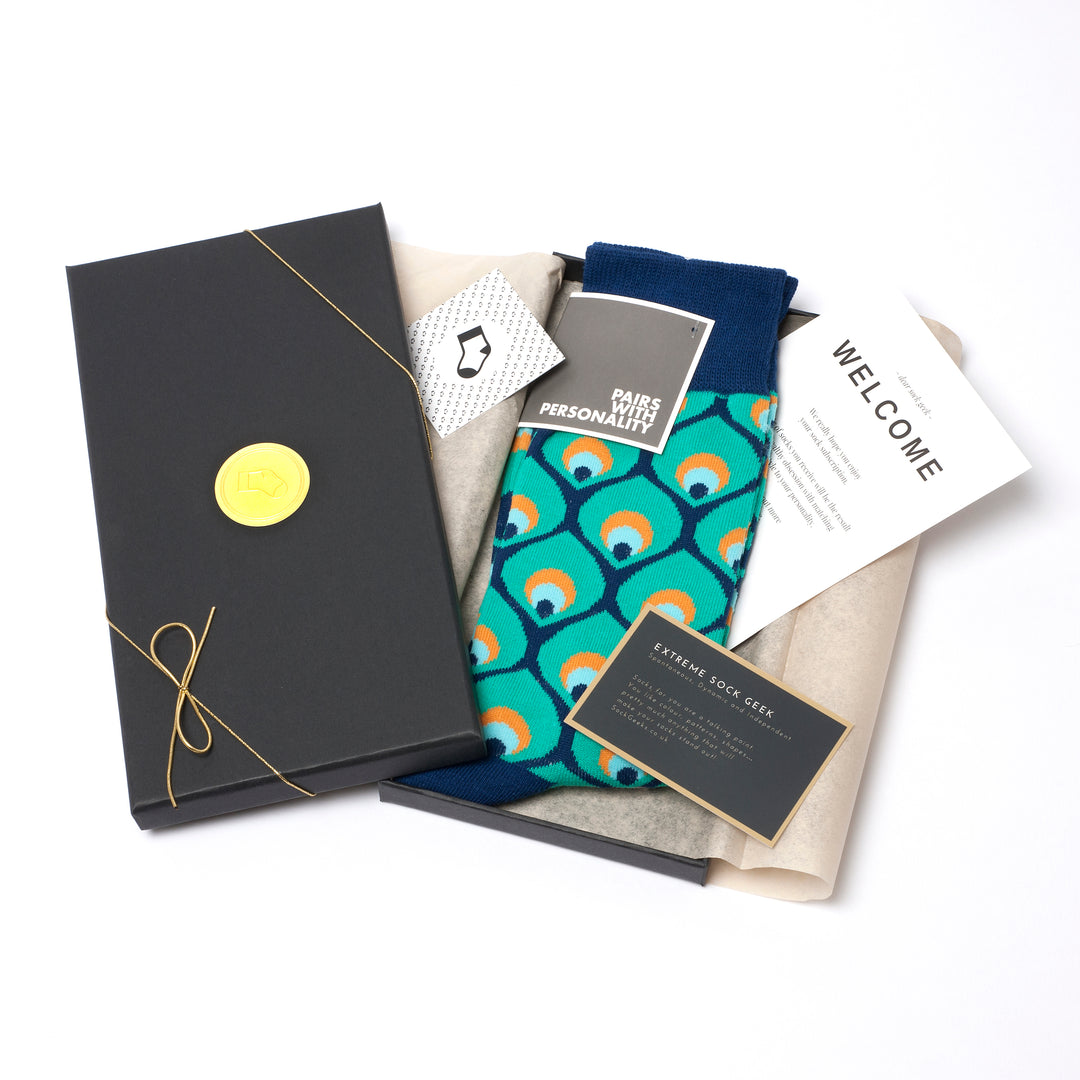
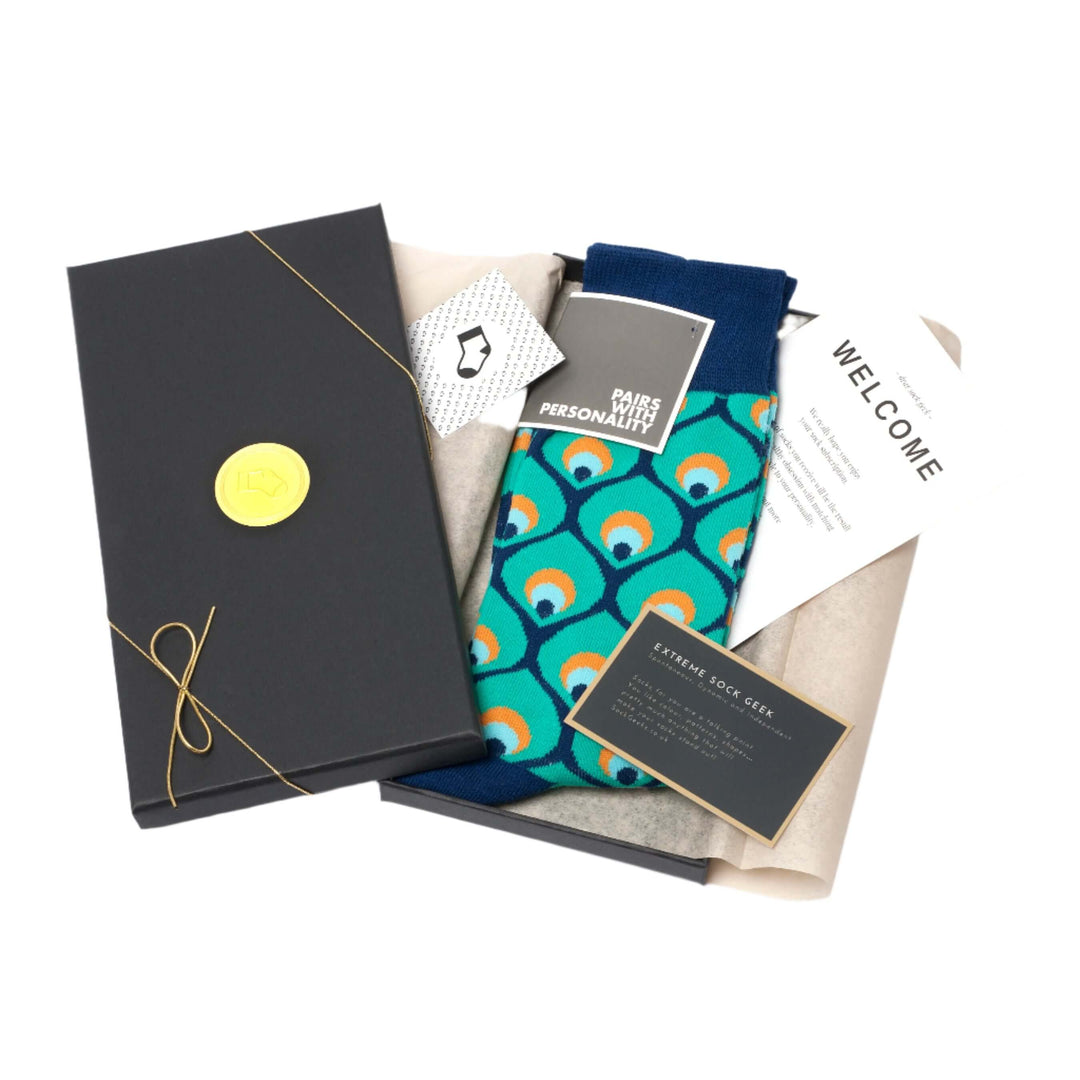
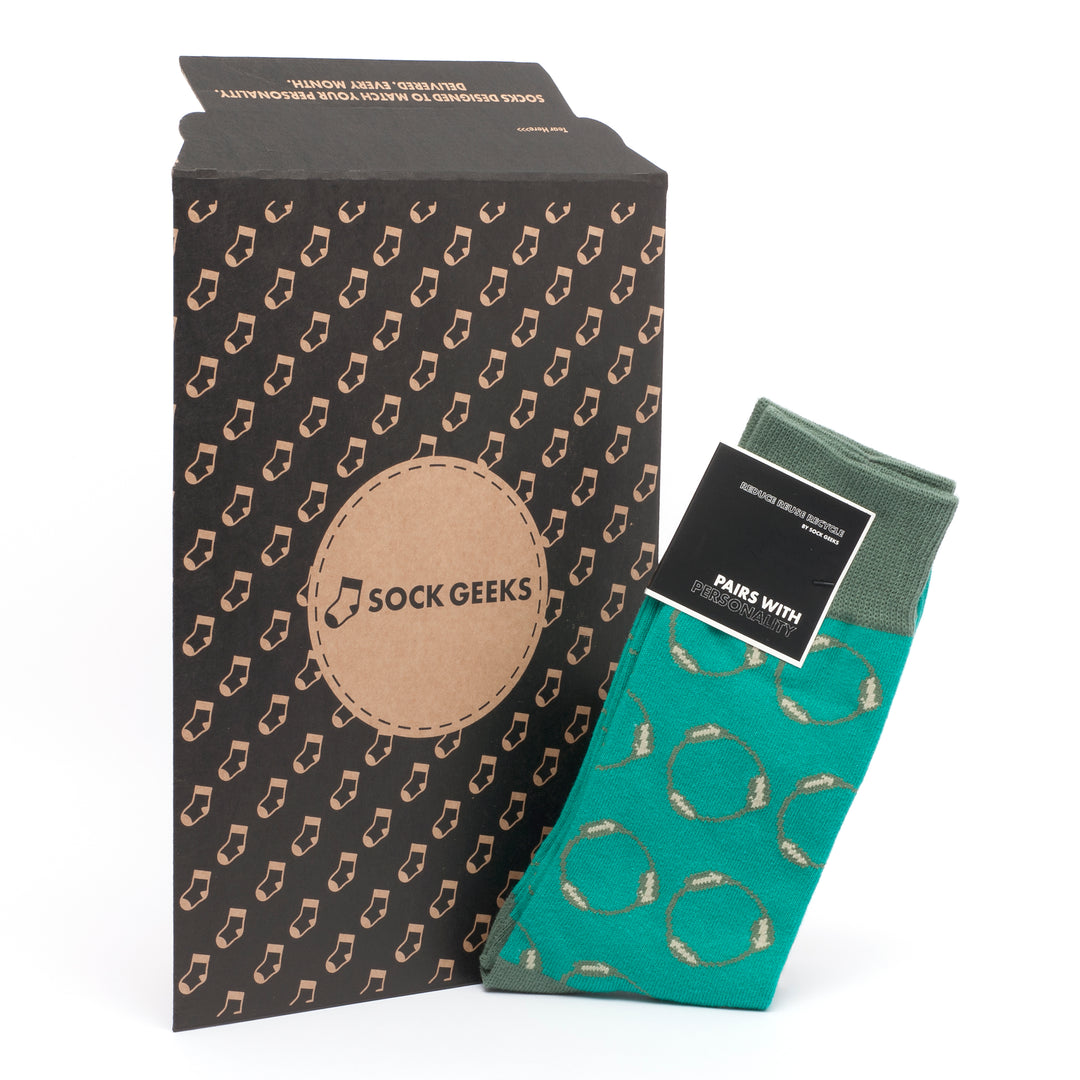
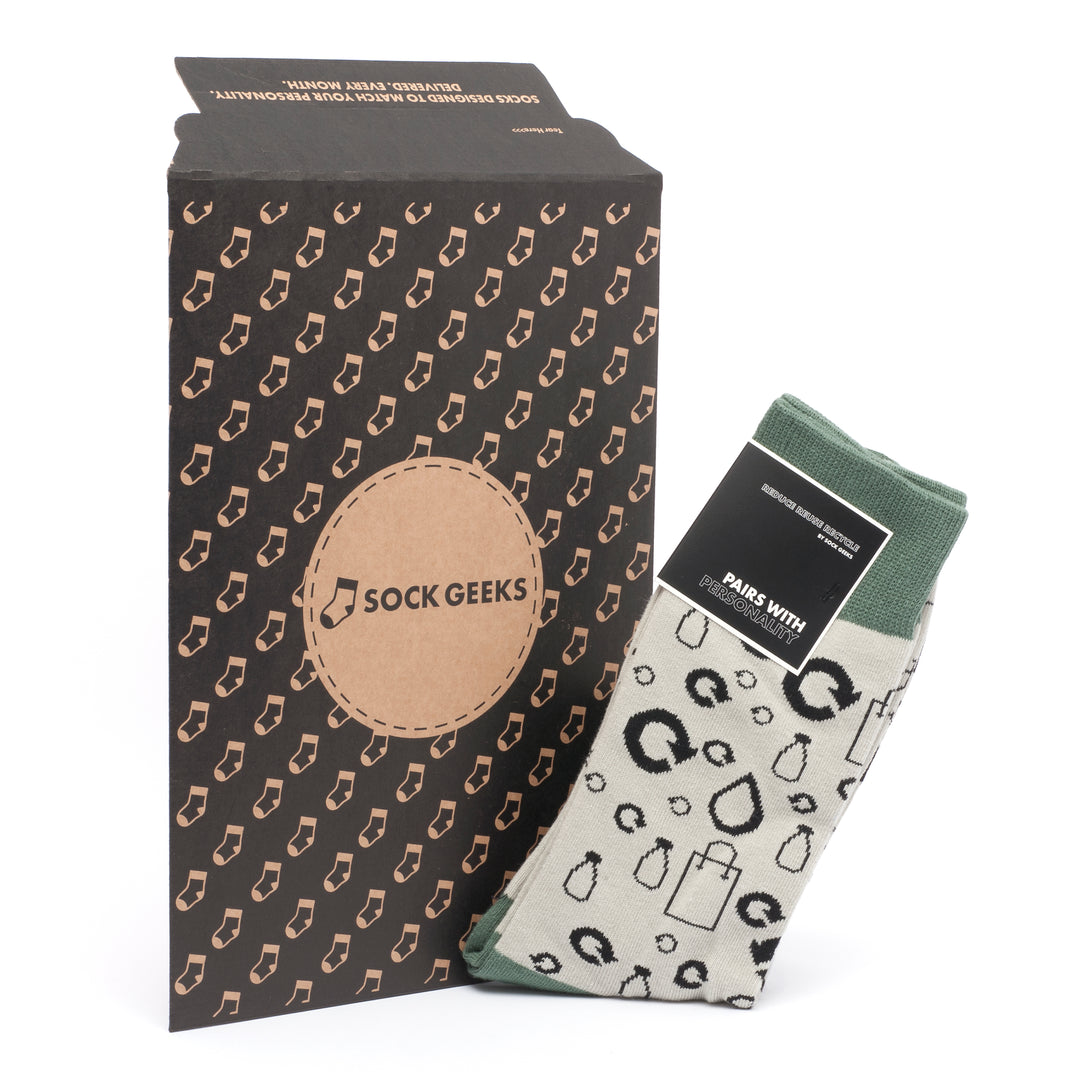
If you want an example of a UK operator that leans into the “we’ll match this to people, not just print a logo” approach, this is where something like Sock Geeks becomes genuinely useful, because personality-matched sock subscription gifting changes the recipient experience from “company merch” to “someone actually chose this”.
Proofs and approvals
Proofing is where timelines go to get mugged.
For corporate gifting, you’re normally approving three layers: the sock design itself (patterns, colours, placement), the packaging (gift boxes, inserts, sock tags), and the operational details (ship dates, address handling, customs paperwork for global teams). If you’re in a regulated industry, you can add compliance review for any claims about sustainability or donations.
Good suppliers will give you a digital proof, sometimes a physical sample pack for sign-off, and a clear line between what’s included and what’s an add-on. Watch for the sneaky stuff: “free personalisation” that means a generic sticker, or “sustainable packaging” that still uses mixed materials nobody can recycle.
Branding is a trade-off. A tasteful mark on the cuff is different from plastering the whole sock with a logo like it’s a NASCAR bonnet. The second option sounds “stronger” in a meeting. In real life, it often reduces wear rate, which is the entire point of giving socks in the first place.
Payment and onboarding
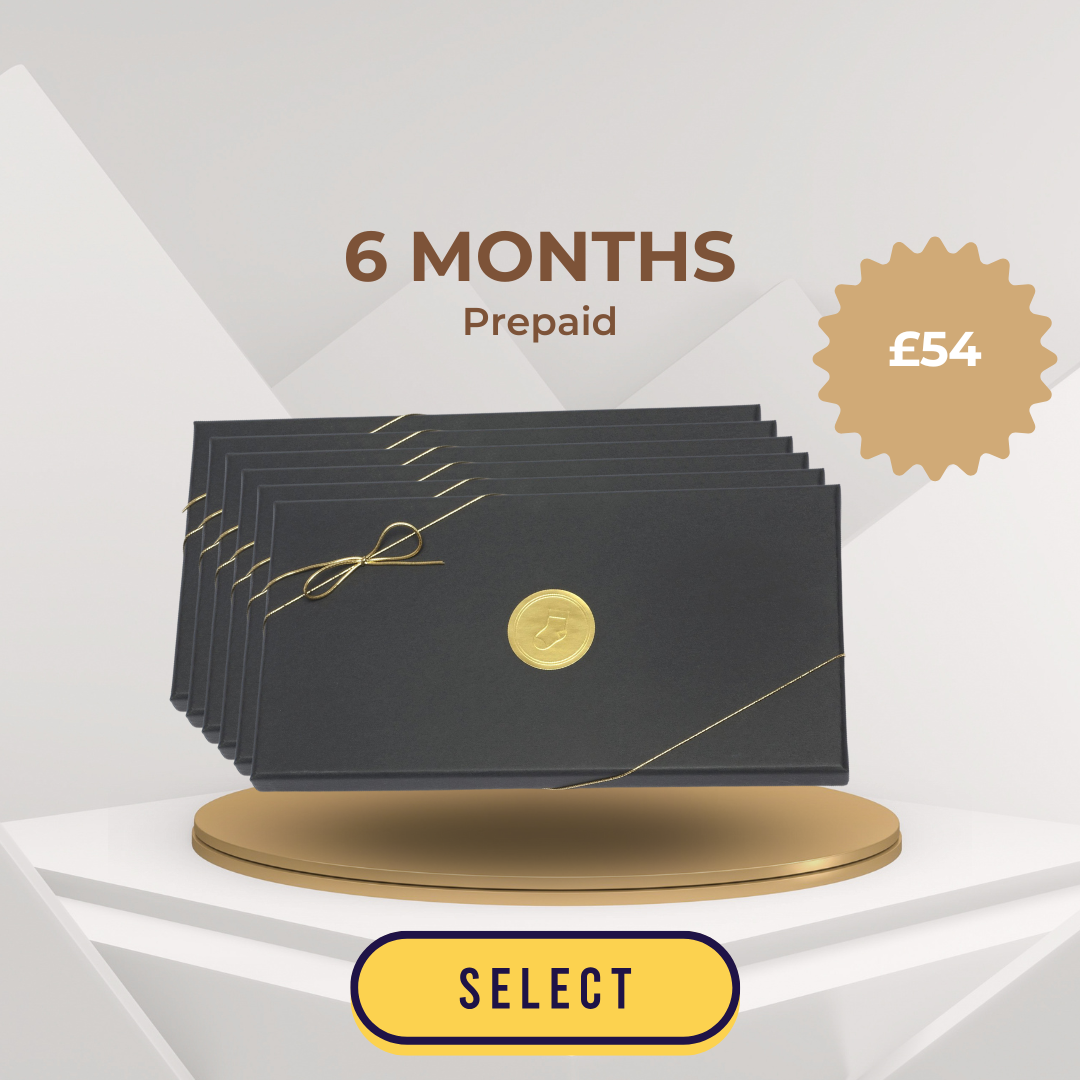
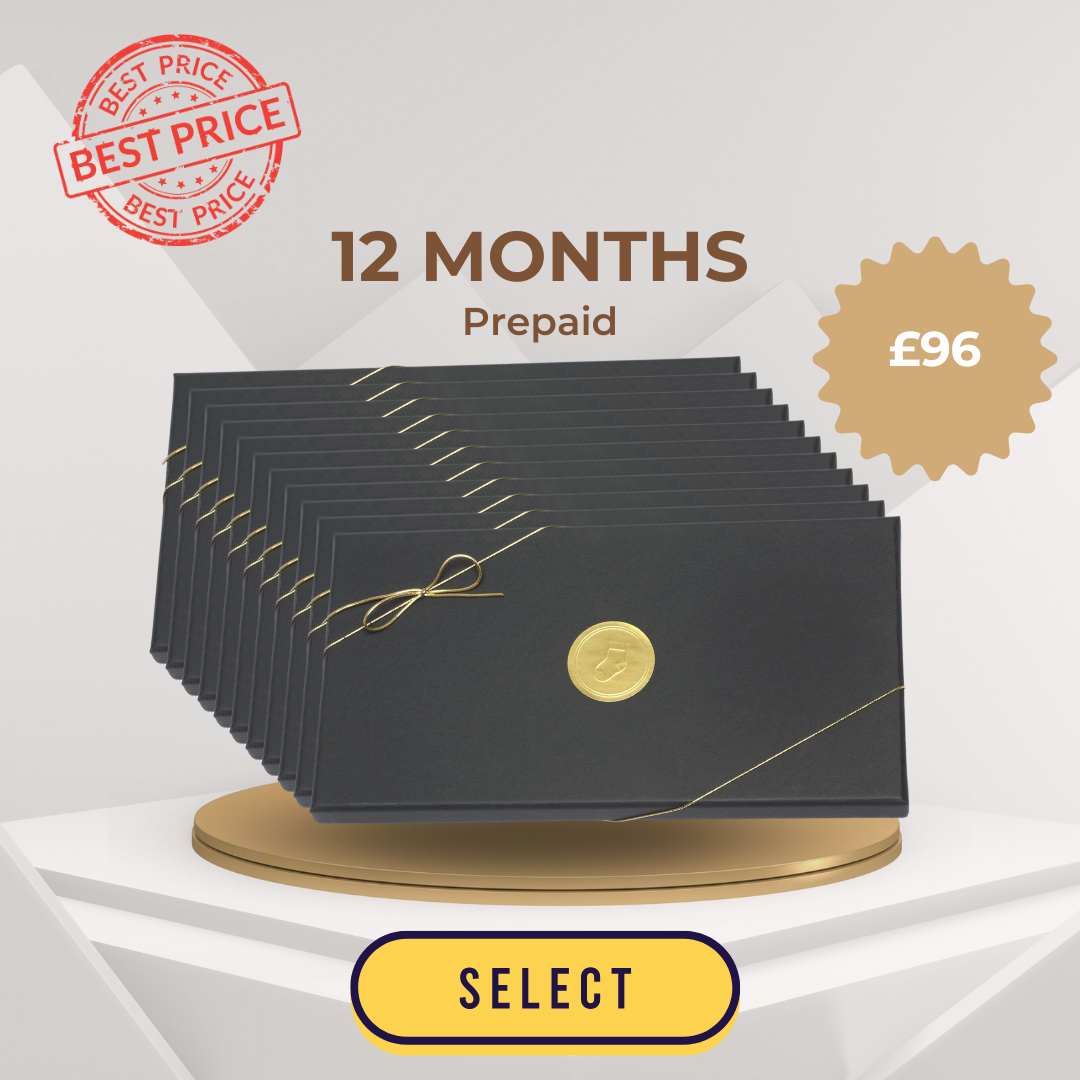
Payment tends to be either invoice terms (common for larger orders), or upfront card payment for smaller packs. For subscriptions, you’ll see a couple of models: pay per drop, pay upfront for a fixed term (like 3-month, 6-month, 12-month), or a hybrid where you commit to a volume with a schedule.
Onboarding is the part everyone forgets to plan for. If recipients are spread across sites, you need a clean address capture process that respects privacy rules. If you’re in the UK and EU mix, you also need to decide how you’re handling VAT and any duties, because nothing kills the “nice surprise” energy like someone being asked to pay at the door.
Operationally, the difference between “we ship everything to the office” and “we deliver to home addresses globally” is massive. It changes the whole back-end, and it changes what you should buy.
Choose personalisation that recipients actually use
Logo limits and placement
There’s a weird corporate instinct to treat socks like billboards. It’s understandable. Branding feels like ROI. Then people don’t wear them, and now your ROI is… a drawer full of unworn socks.
If you want a high wear rate, keep the logo small, place it where it’s not visually aggressive, and let the design do the work. Subtle can still be branded. A signature colour, a stripe detail, a tiny woven mark, a motif that nods to your product without spelling it out. Think stylish socks rather than uniform.
I also think it’s healthy to decide, upfront, where you’re willing to compromise. If your brand team wants perfect designs, and your people team wants comfortable socks, pick the comfort. Always. A sock is a foot item, not a slide deck.
Sizing and fit options
Sizing is where “universal gift” fantasies go to die.
The simplest corporate gifting setup is unisex sizing bands, but feet don’t read your procurement policy. You need a choice set that covers a realistic spread, and you need to respect that some recipients won’t want to disclose shoe size to their employer. The workaround is recipient self-selection, via a neutral form owned by the supplier, with only fulfilment data shared back.
Fit is not just size. It’s cuff pressure, stretch recovery, seam feel, heel pocket shape, and whether the sock stays put after six hours in a desk chair and a commute. If you’re buying bamboo socks, note that bamboo viscose blends can feel softer but vary wildly in durability depending on knit density and reinforcement. Soft bamboo socks that die quickly are not ethical. They’re just comfy landfill.
If you want to talk materials with a straight face, ask about reinforced toes and heels, needle count, and wash testing. You don’t need to be a textile engineer, but you do need to stop pretending “premium quality socks” is a self-proving phrase.
Notes and unboxing
Unboxing matters, but not in the influencer way. In the “does this feel like a thoughtful gift or a marketing drop?” way.
A short note is powerful if it sounds human. Not “Dear Valued Team Member”. Please. Say why you chose this, tie it to the occasion, keep it brief, and avoid corporate euphemisms. If this is for a team anniversary or a holiday gift, the note should feel like it came from leadership with a pulse.
Packaging should be simple, recyclable, and not oversized. If you’re shipping direct-to-recipient, remember that a gift box also needs to survive delivery without arriving crushed. And yes, people notice when you use too much packaging. They also notice when the box looks like it was engineered to be thrown away.
Plan logistics for multi-site and global teams
Address collection and privacy
Address collection is where HR starts sweating.
If you’re sending to home addresses, you’re handling personal data. You need a process that’s consent-based, time-bound, and limited to what’s necessary. The cleanest approach is a supplier-hosted address capture portal where the company never touches raw addresses, only aggregated status reporting. If you’re operating across regions with different privacy expectations, this stops becoming “best practice” and becomes survival.
Also, decide what happens when someone doesn’t respond. Do you default to office delivery? Do you send a reminder? Do you let people opt out and donate the goods instead? Ethical gifting includes not forcing stuff on people who don’t want it.
Batch versus direct-to-recipient
Batch shipping to the office is cheaper and simpler. It’s also a bit old-world now, because “office” is less of a single place and more of a concept. If you do batch, you need internal distribution, which becomes someone’s unpaid job. Usually the office manager. Sometimes a random junior person who gets “voluntold”.
Direct-to-recipient delivery costs more per pack, but it scales better across locations and remote work. It also avoids the awkwardness of a gift sitting on a desk while someone is on leave.
If you’re UK-based and distributing domestically, services like Royal Mail can be perfectly adequate, but you need to ask about tracking levels, replacement policy, and how many working day windows you’re promising internally. People remember when gifts arrive late. They don’t send a formal complaint, they just quietly file it under “this company can’t organise anything”.
Customs, duties, and delivery SLAs
International shipping is the part nobody wants to think about until the first parcel gets stuck.
If you’re shipping from the UK to the EU, the US, or elsewhere, you need clarity on Incoterms-style responsibility, even if you’re not calling it that. Who pays duties? Are you shipping Delivered Duty Paid, or are recipients going to be asked for money? If it’s the latter, don’t do it. It turns a gift into an invoice.
Ask your supplier for realistic SLAs, not optimistic ones. For recurring drops, you want consistency more than speed. And you need a plan for exceptions: lost parcels, damaged packages, address changes, and the inevitable “my socks never arrived” message that lands the same day your CFO asks for “proof of impact”.
Set subscription formats and budgets confidently
One-off box versus multi-month plan
A one-off sock gift box works for moments: onboarding, a celebration, a client thank-you, a festive occasion like Christmas, even a themed drop for spooky Halloween designs if your culture can pull it off without trying too hard.
A multi-month sock subscription is a relationship tool. It says, “You’re not a line item, you’re part of the story.” It also creates a recurring touchpoint for remote teams who don’t get the daily micro-signals of being in the same office.
The trap is thinking longer is always better. If your recipients don’t want more stuff, a 12-month plan becomes guilt mail. Three months is often the sweet spot for corporate gifting, because it feels substantial without turning into clutter.
Here’s a simple comparison that tends to calm internal debates:
|
Format |
Best for |
Operational load |
Risk level |
|---|---|---|---|
|
One-off gift boxes |
Onboarding, events, client thank-yous, holidays |
Lower |
Lower |
|
3-month subscription |
Team milestones, retention nudges, remote team cohesion |
Medium |
Medium |
|
6 to 12-month sock subscriptions |
VIP clients, long programmes, high-trust teams |
Higher |
Higher |
Minimum order quantities and lead times
Minimum order quantities are where the “boutique” promise meets manufacturing reality. Custom socks usually require a MOQ, because you’re setting up knitting programmes, yarn orders, and production slots. If someone offers fully bespoke designs with no MOQ and a two-day lead time, they’re either printing on something generic, or you’re not getting what you think you’re getting.
Lead times depend on complexity. Off-the-shelf can move fast. Custom bundles with bespoke packaging, insert cards, and approvals take longer. You also have seasonality. Pre-Christmas production slots fill up. So do shipping networks. Plan early, and don’t pretend your lack of planning is the supplier’s emergency.
If you’re doing a corporate brochure wholesale approach, where procurement wants everything documented and repeatable, ask for a schedule that includes proofing, production, packing, and transit as separate chunks, not one vague promise.
Price drivers and cost controls
Budget per person isn’t just “how much are the socks”. It’s design, materials, packaging, picking and packing, address handling, shipping, replacements, and customer support. A cheap sock delivery service can become expensive once you start paying for all the fixes.
Your main price drivers are fibre choice (premium merino wool costs more than basic cotton), knit density, custom designs, and whether you’re doing direct-to-recipient deliveries worldwide.
A good control tactic is to keep the sock itself high quality and simplify the extras. Fancy boxes are nice. A sock that survives wash after wash is nicer. If you want to anchor price internally, don’t do the weird “ramadan sock original price” style comparison where you inflate a list price to make the discount look heroic. People can smell that.
If you need a premium option, consider adding one “hero” item like cashmere socks once, rather than upgrading every drop. The perceived value stays high, the budget stays sane.
Define “ethical” with evidence, not slogans
Materials and certifications
Ethical in a corporate context means you can explain, in plain language, why the product is responsibly made, and you can prove it without sending someone on a treasure hunt.

Materials matter, but so do the processes around them. Organic cotton can still be spun and dyed under grim conditions. Bamboo viscose can be soft and efficient, but the chemical processing varies. Recycled fibres can reduce footprint, as long as you’re not quietly trading durability for marketing.
When a supplier mentions certifications, they should mean something specific. If you want a quick map of what’s commonly credible:
|
Standard |
What it actually signals |
Why it matters for corporate gifting |
|---|---|---|
|
Organic fibre content plus strict environmental and social criteria in processing |
Stops “organic” being a sticker and nothing else |
|
|
Tested for harmful substances |
Useful for recipient trust and skin-contact products |
|
|
Labour and pricing standards |
Gives you a clearer story about worker conditions |
Certifications are not perfection. They’re evidence. And in corporate gifting, evidence is what keeps you from embarrassing sustainability claims.
If a company is a certified B Corp, that’s another useful signal because it evaluates broader business practices, not just a single product line. If you need a sense of what that universe looks like, lists like this B Corp brands roundup are a decent starting point for sanity checks.
Packaging and waste rules
Packaging is where “ethical” gets exposed fast.
Sustainable packaging should be recyclable in the places your recipients actually live, not just theoretically recyclable in a lab. Avoid mixed materials, plastic laminates, and glittery coatings. Keep it compact. Use paper tape where possible. If you’re doing gift boxes, make them sturdy enough to reuse.
Also, be honest about why you’re packaging it. If you’re shipping a single pack, you need protection. If you’re shipping twenty packs to one office address, you don’t need twenty separate layers of theatre.
If you’re making carbon claims, get specific about what you’re measuring and how, because “carbon neutral” can mean anything from rigorous reduction plus offsets to vague maths. A practical reference point for corporate teams trying to do this properly is the sort of methodology write-up you see in guides like this carbon neutral gifting overview, even if you don’t follow it perfectly.
Supply chain transparency and audits
Ethical means you can trace where things come from. Not necessarily down to the sheep’s name, but close enough that you can say: this is where the yarn is sourced, this is where the knitting happens, this is how workers are treated, this is what audits exist, this is what we do when something fails.
Transparency isn’t a vibe. It’s a set of disclosures. Country of manufacture. Factory standards. Material composition by percentage. Audit cadence. Wage policies if they’ll share. A returns and defects policy that doesn’t punish recipients. Repairability and end-of-life options if available.
This is where my patience runs thin with subscription services for clothes in general. Subscriptions can reduce waste if they nudge longer use cycles and stop the fast-fashion churn. But if a sock club is just pushing constant new-season drops to justify a monthly charge, you’ve built a treadmill with nicer copywriting.
If you want philanthropic impact, ask for numbers. Some brands bake giving into the model in a way you can actually point to, like Bare Kind’s published charity impact reporting, which is the sort of thing a sustainability lead can cite without feeling like they’re reading from a script.
And yes, there are corporate gifting sock providers that get praised precisely because they’re practical and values-aligned, like Stand4 Socks’ corporate gifting offering. The signal there isn’t “we’re ethical because we said so”, it’s “we’re ethical because we built the model around long-term use and a clearer impact story”.
Match the option to gifting occasions and audiences
Occasion is the part most buyers underestimate. Not because they can’t name an occasion. Because they don’t think about what the occasion implies emotionally, and what it implies operationally.
Onboarding gifts are about belonging. Go easy on branding, prioritise comfort, and keep the delivery simple. A one-off pack, maybe a small set of vibrant socks with a welcoming note. You’re aiming for “I can wear this on Monday” not “I’ve been recruited into a marketing campaign”.
Client gifts are about taste and restraint. If you’re sending socks to a client in finance, don’t send fun patterns that look like novelty presents unless you know the relationship. If you’re sending to a creative agency, you can get away with amazing designs and bolder colours. Read the room. Always.
Team anniversaries work well with a short subscription because it reinforces continuity. It’s also a sneaky retention move without being manipulative. People like being remembered across time.
Holidays are loaded. Christmas gifting can be warm, but it can also exclude people if you don’t handle it carefully across cultures. If you have global teams, consider “end-of-year” framing, and let people choose styles. A lot of companies still mess this up.
Then you’ve got the lighter moments: birthdays, project wins, celebration milestones. This is where themed socks can be genuinely fun, as long as you don’t overdo it. Nobody needs twelve months of novelty.
If you’re comparing mainstream fashion socks, like Happy Socks, with ethical subscription options, the key question is whether your corporate gifting is meant to be playful or principled. Happy socks can be bright and joyful, sure, but corporate buyers chasing ethics need the supply chain story, not just the print. (And yes, there’s room for both. Just don’t pretend they’re interchangeable.)
One small note on “London” branded sock searches because it comes up constantly: if you’re looking at london sock co socks or anything calling itself a london sock company, don’t let the geographic branding do the ethical heavy lifting. London is a marketing word. Ask where it’s made.
If you want UK-made, boutique, sustainability-forward gifting, it’s worth looking at B Corp operators who take both quality and the recipient experience seriously. I’ve already mentioned Sock Geeks because their angle on personality and gifting is less generic than the typical wholesale catalogue approach, and for corporate buyers who are tired of disposable swag, that difference shows up in wear rates.
FAQ
How does a sock subscription work for corporate gifting, practically?
You choose a format (one-off box or subscription), approve the design and packaging, confirm recipient handling (office batch or direct-to-recipient), then the supplier ships on a schedule. Recipients either receive the same style each time or a curated rotation.
What subscription choices are most common?
For companies, it’s usually a one-off pack, a 3-month plan, or a quarterly drop. Monthly sock subscriptions can work, but only if the audience genuinely wants that cadence.
What makes a sock subscription “ethical” in a corporate context?
Responsible materials backed by credible standards, low-waste packaging, transparent manufacturing and supply chain disclosures, and measurable social impact if giving is part of the model. “Ethical” should be auditable, not decorative.
Can we do custom socks with our logo?
Yes, but keep logo limits sensible if you want people to wear them. Expect design proofs, approvals, and minimum order quantities for bespoke knitting.
What are typical MOQs and lead times?
MOQs vary by supplier and customisation level. Off-the-shelf can ship quickly, bespoke corporate gift programmes take longer because of proofing and production scheduling. If you need it for Christmas, plan early.
Do suppliers ship internationally?
Many do, but you must confirm how customs and duties are handled. Avoid any setup where the gift recipient is asked to pay charges on delivery.
What about delivery reliability?
Ask about tracking, replacement policy, and realistic working day timelines. A pretty box is irrelevant if it doesn’t arrive.
Is bamboo always more sustainable than cotton?
Not automatically. Bamboo viscose can be efficient, but processing varies and durability matters. Organic cotton with strong processing standards can be a better choice than poorly made bamboo socks that fail early.
Conclusion
If you’re going to do corporate gifting, do it like you mean it.
Ethical sock subscriptions work when they respect the recipient’s daily life, not your brand mood board. That means comfort and durability first, personalisation that doesn’t kill wearability, logistics that don’t collapse at the first address change, and ethics you can prove without hand-waving.
The best version of this is almost boring: steady deliveries, clean data handling, clear standards, honest impact. The fun part comes later, when you realise people are actually wearing the socks, in real meetings, on real commutes, on days that have nothing to do with your company party. That’s the point. That’s the win.



Leave a comment