





Eco-friendly socks are defined by three verifiable factors: the sustainability of their raw materials, the ethics of their manufacturing process, and the presence of recognised third-party certifications such as GOTS, OEKO-TEX Standard 100, or B Corp. Knowing how to check if socks are eco friendly protects both your health and the environment, because conventional sock production can involve pesticide-heavy cotton farming, chemical dyeing, and exploitative labour practices. The good news is that the textile industry now has clear, auditable standards that make verification straightforward. Sock Geeks, for example, prioritises ethically sourced materials and transparent production as core brand values, not afterthoughts.
What certifications confirm socks are eco friendly?
Certifications are the most reliable way to verify sustainability claims. A brand’s word alone is not enough. Third-party bodies audit the entire supply chain, from fibre farming to finished product, and their logos on a label carry legal weight.
GOTS certification requires that at least 95% of a sock’s fibres are organic and prohibits a wide range of harmful chemicals throughout production. That means the cotton or wool in your sock was grown without synthetic pesticides and processed without toxic finishing agents. GOTS is the gold standard for natural fibre socks.

OEKO-TEX Standard 100 takes a different approach. It tests the finished product for harmful substances that could contact your skin directly. This standard applies to both natural and synthetic fibre socks, making it relevant even for recycled polyester blends. GOTS and OEKO-TEX are not interchangeable. They complement each other by covering different parts of the sustainability picture.
Other certifications worth knowing:
- Global Recycled Standard (GRS): Verifies the percentage of recycled content in a sock and audits the chain of custody from waste source to finished product.
- BSCI / SMETA: Audits factory social compliance, covering fair wages, working hours, and safe conditions. These focus on people rather than materials.
- B Corp: A broader business certification assessing environmental and social performance across the entire company, not just one product line.
| Certification | Focus area | Covers materials? | Covers ethics? |
|---|---|---|---|
| GOTS | Organic fibre integrity and processing | Yes | Yes |
| OEKO-TEX Standard 100 | Product safety for skin contact | Partially | No |
| Global Recycled Standard | Recycled content verification | Yes | Partially |
| BSCI / SMETA | Factory social compliance | No | Yes |
| B Corp | Whole-business sustainability | Yes | Yes |
Pro Tip: Look for multiple certifications on one product. A sock carrying both GOTS and OEKO-TEX Standard 100 addresses organic integrity and skin safety simultaneously.
Which materials make socks genuinely eco friendly?
Material choice is the single biggest factor in a sock’s environmental footprint. Not all natural fibres are equal, and not all synthetic fibres are automatically harmful.
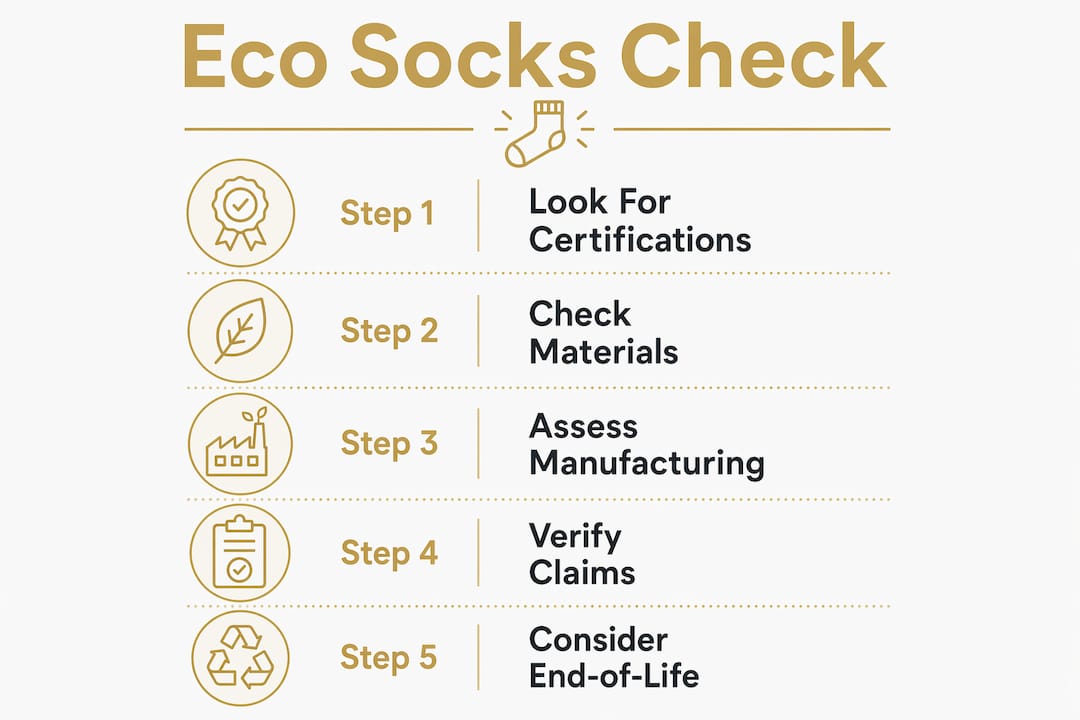
Organic cotton
Organic cotton grown to GOTS standards uses no synthetic pesticides or fertilisers. Conventional cotton, by contrast, is one of the most chemically intensive crops in the world. The benefits of organic cotton extend beyond the environment: fewer chemical residues mean less skin irritation, which matters for anyone wearing socks all day.
Responsibly sourced wool
Merino wool certified by RWS or ZQ supports better animal welfare and land management. Wool is naturally renewable and biodegradable, though concerns about land use and methane emissions are legitimate. Certifications like the Responsible Wool Standard (RWS) and ZQ address these concerns directly by setting measurable farm-level standards. Bison and yak wool are emerging alternatives with lower environmental impact per kilogram of fibre.
Recycled fibres
Recycled polyester and nylon divert plastic waste from landfill, which is a genuine benefit. The problem is microplastic shedding. Recycled polyester socks release microplastic fibres with every wash, and those particles enter waterways and indoor air. Recycled cotton avoids this issue entirely and is a stronger choice for health-conscious shoppers.
Alternative plant fibres
- Hemp: Grows with minimal water and no pesticides, produces a durable fibre, and improves soil health. Hemp socks are less common but genuinely low-impact.
- Tencel™ lyocell: Made from sustainably sourced wood pulp in a closed-loop process that recycles almost all solvents. Soft, breathable, and biodegradable.
- Modal: Similar to Tencel™ but with a less tightly controlled production process. Look for OEKO-TEX certification to confirm chemical safety.
A quick note on bamboo: bamboo socks usually contain bamboo viscose, not raw bamboo fibre. The viscose process is chemically intensive and largely cancels out bamboo’s natural sustainability advantages. Certified organic cotton is a more reliable choice than uncertified bamboo viscose.
How do you verify eco friendly claims and ethical manufacturing?
Verification requires more than reading a product description. Genuine eco-friendly brands welcome scrutiny and provide documentation.
- Request certification documents. Ask the brand for their GOTS, OEKO-TEX, or GRS certificates. Legitimate certifications are issued by named bodies and include expiry dates. A brand that cannot produce documents is a red flag.
- Ask about production processes. Specifically ask about wastewater treatment, energy sources used in manufacturing, and how chemical waste is managed. Ethical manufacturing includes wastewater treatment, energy efficiency, no child labour, fair wages, and transparent supply chains.
- Check labour standards. Fair wages and safe working conditions are non-negotiable components of true sustainability. Look for BSCI or SMETA audit results, or a published supplier code of conduct.
- Read client testimonials and independent reviews. Third-party reviews on platforms outside the brand’s own website reveal patterns in quality and consistency that marketing copy never will.
- Order a sample before committing. For anyone buying in volume, testing a sample confirms fibre quality, dye fastness, and construction before a larger purchase.
Pro Tip: Search the brand name alongside the word “greenwashing” before buying. If other shoppers have already done the investigative work, their findings will surface quickly.
Vague marketing claims like “eco-friendly” or “natural” without supporting certifications or specific details are the clearest sign of greenwashing in the textile industry. Demand verifiable proof.
Common mistakes when assessing eco friendly socks
Even well-intentioned shoppers make errors that lead them to less sustainable choices. Knowing the pitfalls saves time and money.
The most common mistake is treating recycled synthetics as fully eco-friendly. Recycled polyester reduces landfill waste, but the microplastic shedding problem means it carries a real environmental cost. It is a better choice than virgin polyester, but not equivalent to organic cotton or certified wool.
The second mistake is trusting bamboo labelling without checking the fibre type. As noted above, bamboo viscose involves chemical processing that undermines the plant’s natural credentials. Always check whether the label says “bamboo viscose” or “bamboo linen.” The latter is mechanically processed and genuinely sustainable, though rare.
Watch out for these red flags:
- No third-party certifications listed anywhere on the product or website
- Vague terms like “natural,” “green,” or “planet-friendly” with no supporting detail
- No information about the factory or country of manufacture
- Packaging that contradicts sustainability claims (excessive plastic wrapping on an “eco” product)
- No transparency about supply chain or fibre sourcing
Two further blind spots deserve attention. First, packaging and shipping carry their own carbon footprint. A sock made from organic cotton but shipped in single-use plastic and flown across the world has a larger overall impact than the fibre choice alone suggests. Second, brand mission transparency matters. A company that publishes its supplier list, audit results, and environmental targets is far more credible than one that offers only a paragraph of vague commitments. For a deeper look at how ethical production practices shape the global sock industry, the scale of manufacturing makes supplier transparency even more critical.
How to make an informed purchase of eco friendly socks
Buying eco-conscious socks well means thinking beyond the label on the packet. Durability is sustainability. A pair of well-made socks that lasts three years has a lower environmental impact than three cheap pairs that wear out in twelve months each.
Consider end-of-life options before buying. Some brands offer take-back or recycling programmes for worn-out socks. This closes the loop and prevents textile waste from reaching landfill. If a brand offers no such programme, check whether the fibre content is biodegradable. Pure organic cotton or wool socks will break down naturally; synthetic blends will not.
Pro Tip: Wash synthetic socks in cold water and use a microplastic filter bag to significantly reduce fibre release into wastewater. This one habit cuts the environmental cost of synthetic socks considerably.
For a practical purchasing checklist, use this framework:
| Check | What to look for |
|---|---|
| Fibre certification | GOTS for organic fibres; GRS for recycled content |
| Product safety | OEKO-TEX Standard 100 on the label |
| Labour standards | BSCI, SMETA, or published supplier code of conduct |
| Packaging | Minimal, plastic-free, or compostable materials |
| Durability | Reinforced heel and toe; brand warranty or repair policy |
| End of life | Biodegradable fibre content or brand take-back programme |
For shoppers who want to understand how healthy sock choices connect to both personal wellbeing and environmental impact, the material and certification decisions above apply equally to everyday comfort and long-term skin health. Understanding textile certifications in depth also helps shoppers read labels with greater confidence across all fabric purchases, not just socks.
True sustainability addresses four pillars: materials, manufacturing ethics, packaging, and a verified brand mission. A sock that scores well on all four is genuinely eco-friendly. One that scores well on only one is a partial solution at best.
Key takeaways
Checking if socks are eco friendly requires verifying third-party certifications, assessing fibre sustainability, and scrutinising manufacturing ethics rather than relying on brand marketing alone.
| Point | Details |
|---|---|
| Certifications are non-negotiable | Look for GOTS, OEKO-TEX Standard 100, or GRS on every eco sock claim. |
| Material type determines impact | Organic cotton and certified wool outperform uncertified bamboo viscose and recycled synthetics. |
| Microplastics are a hidden cost | Recycled polyester socks shed fibres every wash; use filter bags and cold water to reduce harm. |
| Greenwashing is widespread | Vague terms without certification documents are a reliable sign of misleading claims. |
| Durability equals sustainability | A long-lasting sock has a lower lifetime footprint than multiple cheap replacements. |
Why I think most shoppers are looking in the wrong place
Most people checking a sock’s eco credentials go straight to the fibre content. Organic cotton? Tick. Job done. I understand the instinct, but it misses the bigger picture entirely.
The part of the supply chain that causes the most harm is often invisible on the label. Pesticide residues from conventional farming, chemical dyes that irritate skin and pollute rivers, and factories with no wastewater treatment all sit behind the word “natural” on a swing tag. Health-conscious sustainability prioritises the absence of pesticide residues, harmful dyes, and microplastic shedding over just the raw fibre source. That framing changed how I evaluate any textile claim.
The other thing I have noticed is that shoppers underestimate their own power. When you ask a brand for its GOTS certificate and it cannot produce one, that question alone creates pressure. Brands respond to what customers demand. Buying from companies like Sock Geeks, which build sustainability into their sourcing rather than bolting it on as a marketing claim, sends a clear signal to the wider industry. The more shoppers demand verifiable proof, the harder it becomes for brands to hide behind vague language.
My honest advice: treat a sock purchase the way you would treat any considered buy. Ask questions. Expect answers. If a brand cannot tell you where its fibres were grown and how its factory treats wastewater, spend your money elsewhere.
Sock Geeks and your sustainable sock choices
Sock Geeks takes sustainability seriously at the sourcing level, not just in its marketing copy.
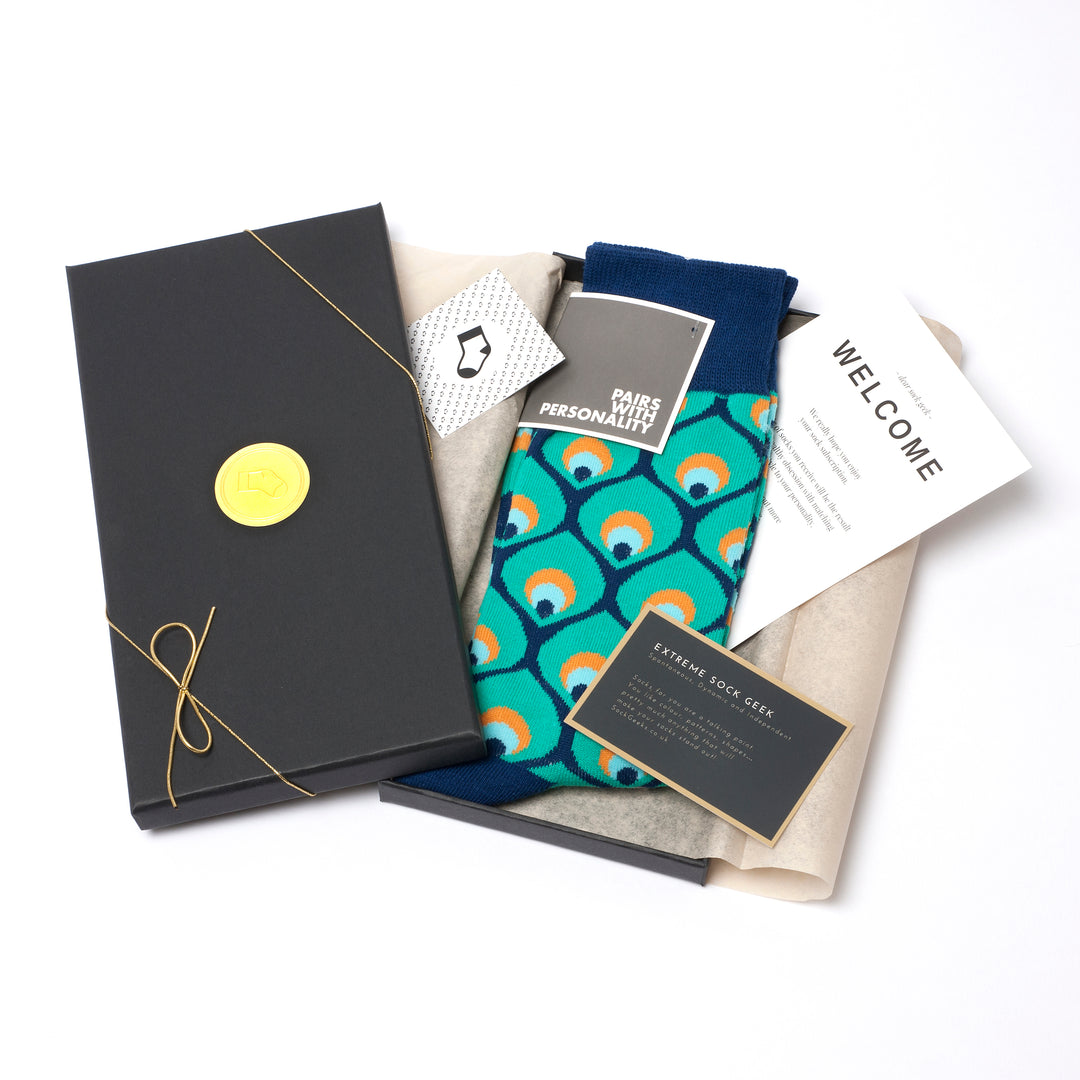
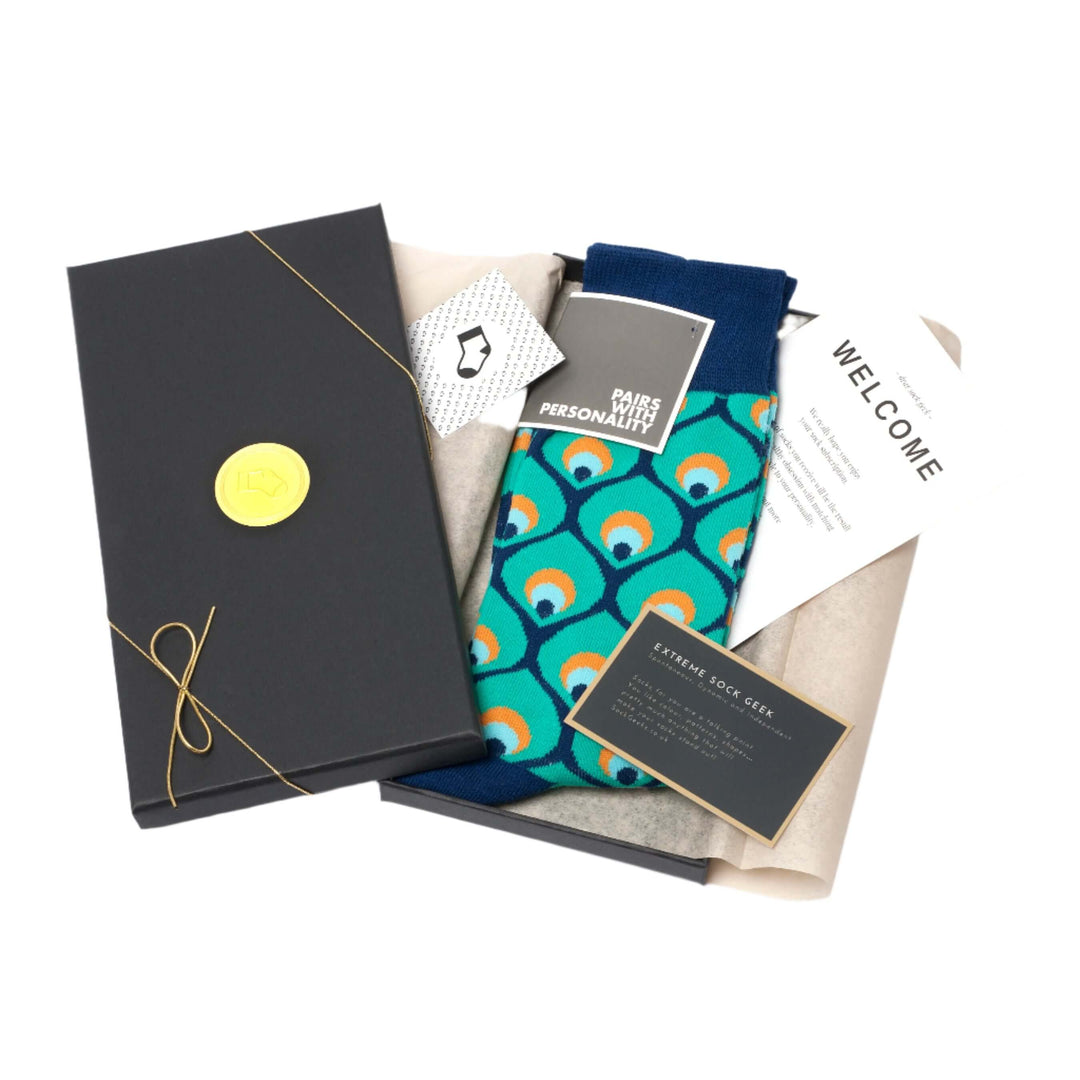
The brand focuses on high-quality, ethically sourced materials and transparent production practices, giving shoppers the confidence that comes from knowing what is actually in their socks. Whether you are looking for a thoughtfully curated gift box for a special occasion or a subscription that delivers personality-matched, premium socks to your door, Sock Geeks combines quality with genuine care for how each pair is made. Sook Geeks customer rating and a commitment to certified materials, it is a straightforward choice for anyone who wants to buy eco-conscious socks without the guesswork of decoding labels alone.
FAQ
What does GOTS certification mean on socks?
GOTS certification confirms that at least 95% of the sock’s fibres are organic and that harmful chemicals are prohibited throughout production. It is the most rigorous standard for natural fibre socks.
Are bamboo socks genuinely eco friendly?
Most bamboo socks are made from bamboo viscose, which involves chemically intensive processing that reduces their sustainability credentials. Certified organic cotton is generally a more reliable eco-friendly choice.
How do I spot greenwashing on sock labels?
Vague terms like “natural” or “eco-friendly” with no third-party certification documents are the clearest indicators of greenwashing. Always ask for verifiable proof such as a GOTS or OEKO-TEX certificate number.
Do recycled polyester socks harm the environment?
Recycled polyester reduces landfill waste but sheds microplastic fibres during every wash, which enter waterways and indoor air. Using a microplastic filter bag and washing in cold water reduces this impact significantly.
What is the difference between OEKO-TEX and GOTS?
OEKO-TEX Standard 100 tests the finished product for substances harmful to skin, while GOTS verifies organic fibre integrity and ethical processing throughout the supply chain. Both certifications address different aspects of sustainability and work best together.





Leave a comment