





The Psychology Behind Wearing or Using Custom Accessories at Events
At any event, be it a corporate conference, trade show, festival or workshop, people are quick to size up those who surround them. Communication happens long before the conversation in these environments. Instead, it starts visually.
Though often imperceptible at all, custom accessories like lanyards, badges, wristbands, and ID holders are instrumental in crafting these first impressions. They tell us something about who plays what role or the identity of a group, and they explain how our society is structured almost instantaneously.
On the surface they may seem to be simply functional tools but in reality matter imperceptibly, yet significantly, influencing behaviour and emotional response and impacts how we connect with others. The psychology, what is going on behind the scenes, is easily explained and brings an understanding of why these small items are so important in structured social environments, for example at events.
The Science of First Impressions at Social Gatherings
Various studies in the field of psychology have shown that humans make first impressions within the space of seconds. In venues packed with hundreds, or even thousands of people walking around, discernible identifiers are crucial for digesting information in the moment.
ID lanyards or badges are also accessories that address the following unconscious questions:
-
A speaker or an organizer?
-
Who is an attendee or guest?
-
Who's part of the club, or who owns the company?
This minimizes uncertainty and guides people to go through social situations more amicably. Not having these signals would add cognitive load to all interactions making big events feel more mental stress and design just too overwhelming.
Identity Signals: Visual Markers That Humans Use
Identity is conveyed primarily through symbols which humans use almost unconsciously. Visual cues such as ancient tribal markings to modern uniforms have long been used to signal belonging.
Custom Accessories Do Exactly This At Events. These function as "identity markers" and convey information without language.
For example:
-
Tiered access as represented by colour-coded wristbands
-
Staff/Delegate Identification lanyards
-
Badges hopefully indicate the company that they work for and / or if they are speaking.
They provide a structure for new environments. They also help in that they facilitate interaction between people whose previous knowledge of each other is little or zero, as roles can be efficiently inferred without any contextual explanation.
Events Human Physiology: The Psychology of Belonging
The need to belong is one of the most potent human drivers. People with similar interests, goals, or work in the same sector are brought together through naturally occurring events,but be a large enough group and most people will still feel disconnected.
Custom accessories provide that link.
An item of similar design worn by the participants subtly creates a spirit of unity. It reminds everyone that we are all in this together, even if we don’t know each other personally. It is this common visual identity that lowers social barriers so communication can take place.
And perhaps for this reason alone, many people feel both more confident to engage in conversation due to just identifying similar visual clues.
Cognitive Ease The Visual Structure Less Work
Large events can be intensive mentally. Individuals are required to be physically mobile, absorb new schedules, acclimatize with new contacts and synthesize a significant quantity of information in a brief amount of time.
Using custom accessories helps to lessen this mental burden by making it easier to identify.
Attendees can lean on visual shortcuts instead of asking questions repeatedly or interpreting context. This is because it enhances what psychologist Daniel Kahneman calls “cognitive ease,” a psychological condition in which our brain feels less burdened due to the information being easier on the cognitive system.
-
In practical terms, this means:
-
Faster recognition of roles
-
Easier navigation of social groups
-
Reduced confusion in crowded environments
That is at least one way in which structured identification systems become along with customary standards by means of conferences and professional events.
Perception of Authority and Trust via Accessories
Options: Visual consistency is key to how people see authority and professionalism.
When the representatives or staffers of an event wear clearly designed accessories, they create a feeling of orderliness.This, in turn, increases trust.
People are more likely to:
-
Approach staff for help
-
Follow event guidelines
-
Respect designated zones
Even small design decisions, like using the same branding again or having clear labels, can shape how legitimate or trustworthy someone is perceived as being in an event context.
This effect happens even when people are unconsciously aware of it, interestingly. People associate order and clarity with competence, this is automatic for the brain.
How Personalization Helps You Connect with Emotions
Personalisation introduces another psychological layer to custom accessories. For example, when an item has its name, role, or unique identifier added to it can be seen as not just a tool but more so as an aspect of who the person is within the context of this event.
This tiny detail can make a tremendous difference for emotional involvement.
Personalized items tend to:
-
Make individuals feel acknowledged
-
Increase participation and involvement
-
Enhance memory of the experience
Fewer events will people remember than those they remembered where they felt personally acknowledged, not just part of the crowd.
Social Behavior and Conversation Triggering
Custom accessories are also subtly affecting social interactions. They usually play the role of "social catalysts i.e. they facilitate conversation initiation between people.
For example:
-
A special design can make a person getting startle
-
Well, shared branding can provide almost instant common ground
-
Indicators of role might facilitate icebreaking between unfamiliar individuals
-
It alleviates the natural hesitancy people sometimes feel in new circumstances.
Often, these small visual cues serve as the jumping off point for networking, collaboration or casual conversation.
A Psychology of Groups: Events as Temporary Communities
Not only are events not just gatherings,they operate as ephemeral social systems. Here the immediate community is formed by an aggregate of experiences.
This is visually supported by custom accessories.
There's a sense that when everybody wears associated identifiers you feel like some kind of larger group. Psychologically, this creates:
-
A stronger sense of unity
-
Clearer group boundaries
-
A shared experience identity
Perhaps this sense of community, even if temporary, is why people sometimes comment during and after an event that it was memorable or meaningful.
Branding Effects Without Branding
Custom accessories, which are not meant to serve as marketing devices, inherently bolster visual memory. We humans usually link exposure to the same content as recognition and familiarity.
Because you have been training on this data for the entire time it will begin to attach itself to things that are famous from the event as a whole which includes lots of different visuals which could be color schemes or materials.
This does not depend on any sort of direct advertisement. Instead, this is an active psychological effect passed on passively where repeated exposure strengthens memory by reinforcing context.
Companies like 4inlanyards exist in this realm of functional design and identity tools, focusing more on creating a proper recognizable system for events to follow as they can use less emphasis on promotion and rather support.
Final Thoughts
To an untrained eye, these additions are simple accessories but they have a large effect on the psychology behind it. They mold views on identity, authority, who belongs where and communication in event spaces.
They fill the human experience, from cutting cognitive overload to reinforcing social connection, to ensure that events run more effectively behind-the-scenes.
Most importantly, they remind us that even the smallest of visual details can shape how we identify, interact, and reflect upon shared spaces together.
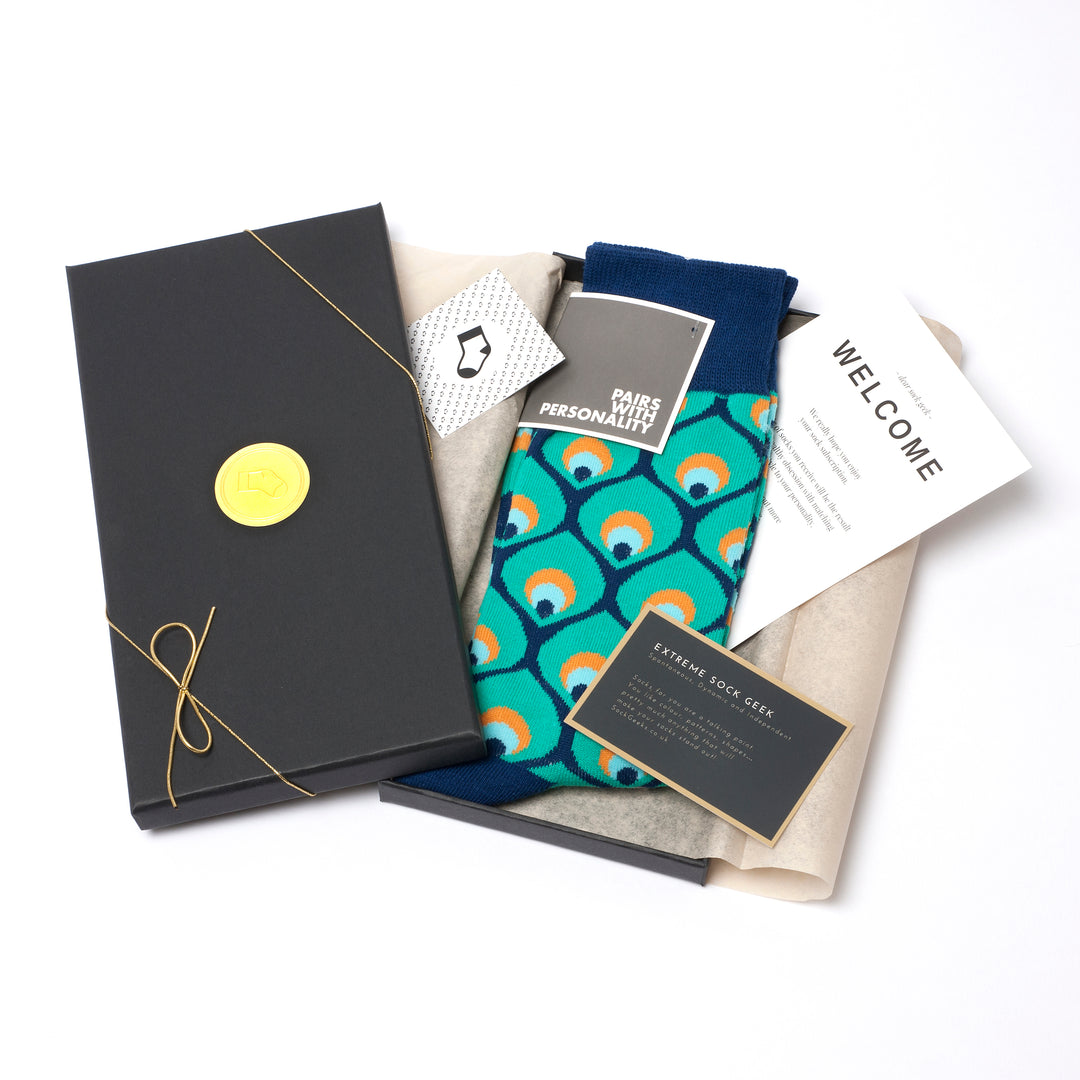
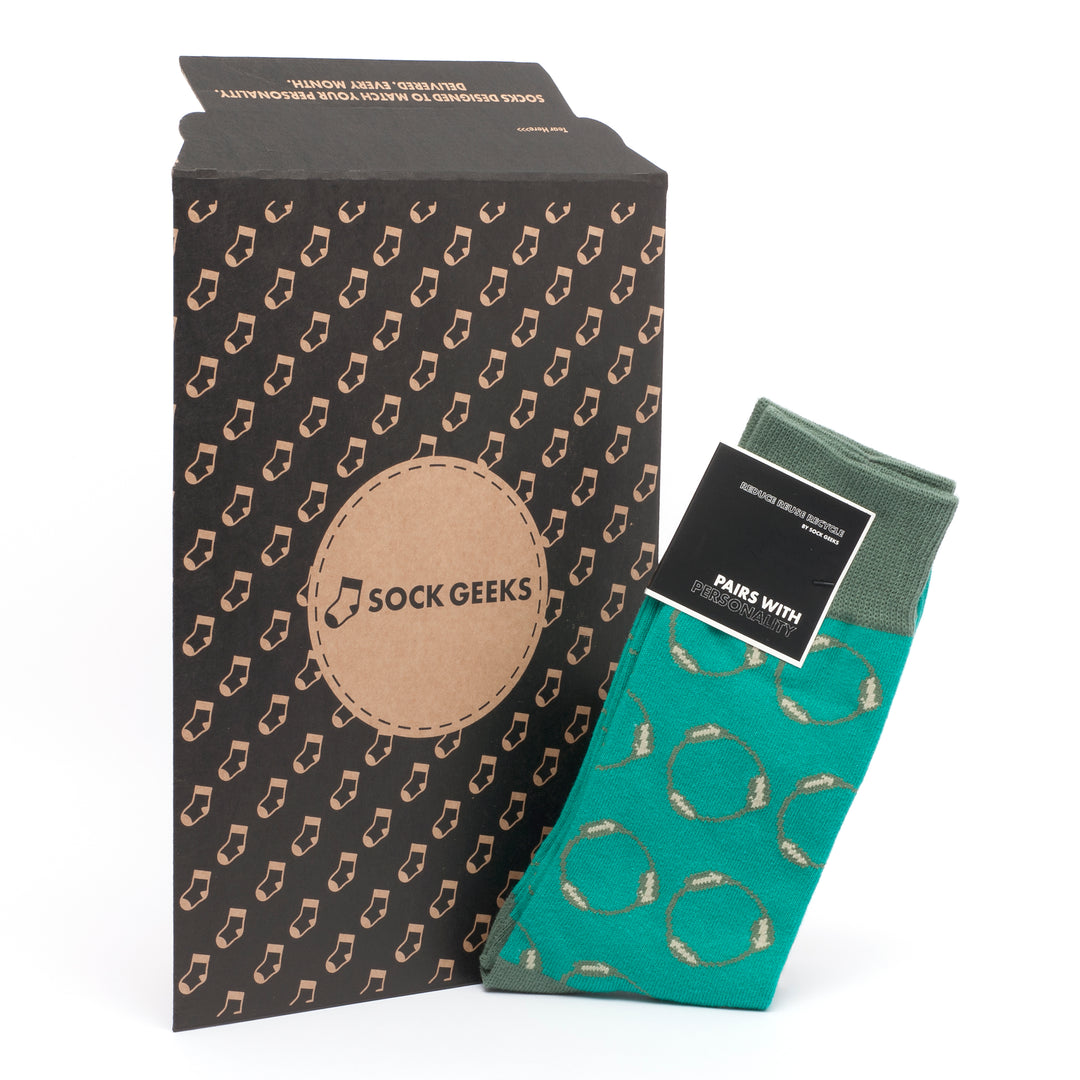
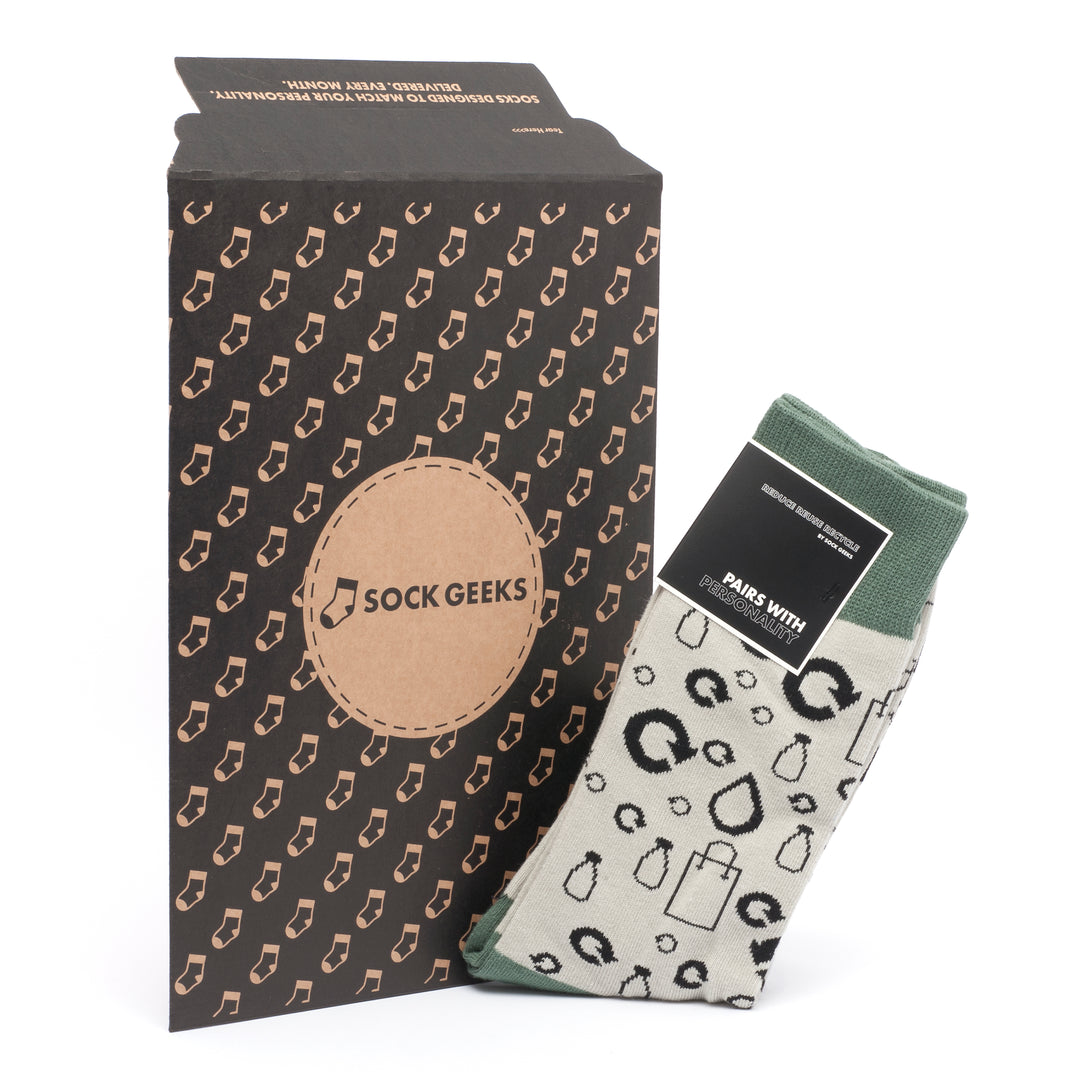
Companies such as 4inLanyards understand the importance of visual identity and functional design within event environments. By creating customised lanyards, badges, and event accessories, they help organisations establish professionalism, improve attendee recognition, and strengthen group belonging at conferences, exhibitions, and corporate gatherings. These small but highly visible accessories contribute significantly to first impressions, social interaction, and the overall event experience. Much like other wearable identity-focused brands such as Sock Geeks, which uses creative socks to encourage self-expression and conversation, custom event accessories can subtly shape communication, confidence, and human connection in shared social spaces.


Leave a comment