





Sock Fabric Materials Guide: Comfort And Durability
Introduction
Most people buy socks the way they buy bottled water: they grab whatever’s nearest, assume it’s basically the same as the next option, then act shocked when their feet feel clammy, cold, or weirdly pungent by mid-afternoon.

So the main answer, up front: sock comfort, warmth, moisture control, odour, and durability are driven less by “natural vs synthetic” ideology and more by the specific fibres in the blend, how the yarn is spun, how dense the knit is, where reinforcement is placed (toe, heel, sole), how the seams are built, whether the fit actually matches your foot, and how you wash and dry them.
And yes, my bias is showing. I’m firmly in the wool-blend-wins camp. People chasing 100% cotton are mostly buying nostalgia, not performance. Cotton feels friendly for about five minutes, then you sweat a little and it turns into a damp handshake that never ends.
Which fibres feel best on skin?
Skin-feel is the part everyone thinks they understand, because you can touch a sock in a shop and go “ooh, soft”. Then you wear it for a twelve-hour day and find out “soft” is not the same thing as “still pleasant after friction, heat, and a bit of sweat”. Texture, fibre diameter, yarn twist, and finishing matter. So does how sensitive you are to itch, pressure, and seams.
If you want a quick mental model, it’s usually one of these that decides whether a pair feels good or drives you mad:
- The fibre’s surface and diameter (prickle vs smooth, fuzzy vs slick).
- The knit and cushioning (thin fine-gauge vs terry loops that feel like a towel).
- The fit and toe seam (bunching beats any “premium materials” story on the label).
Merino and other wools
Merino wool gets treated like magic, which is annoying, because it’s not magic, it’s just unusually good textile engineering that happens to come from a sheep. Merino fibres are typically finer than “regular” wool, so you get less itch, more next-to-skin comfort, and a kind of springy resilience that makes a sock feel alive rather than limp. Wool’s crimp gives it natural elasticity, and that helps with fit, micro-cushioning, and not sliding around inside shoes.
The other bit people forget is that wool doesn’t need to feel bulky to feel warm. Fine merino can be thin and still feel cosy because it traps air and manages humidity in a way cotton simply does not. If you want to geek out on why, the structure is the story, and this technical data on merino wool properties explains the cellular and surface behaviour that gives merino its elasticity and breathability.
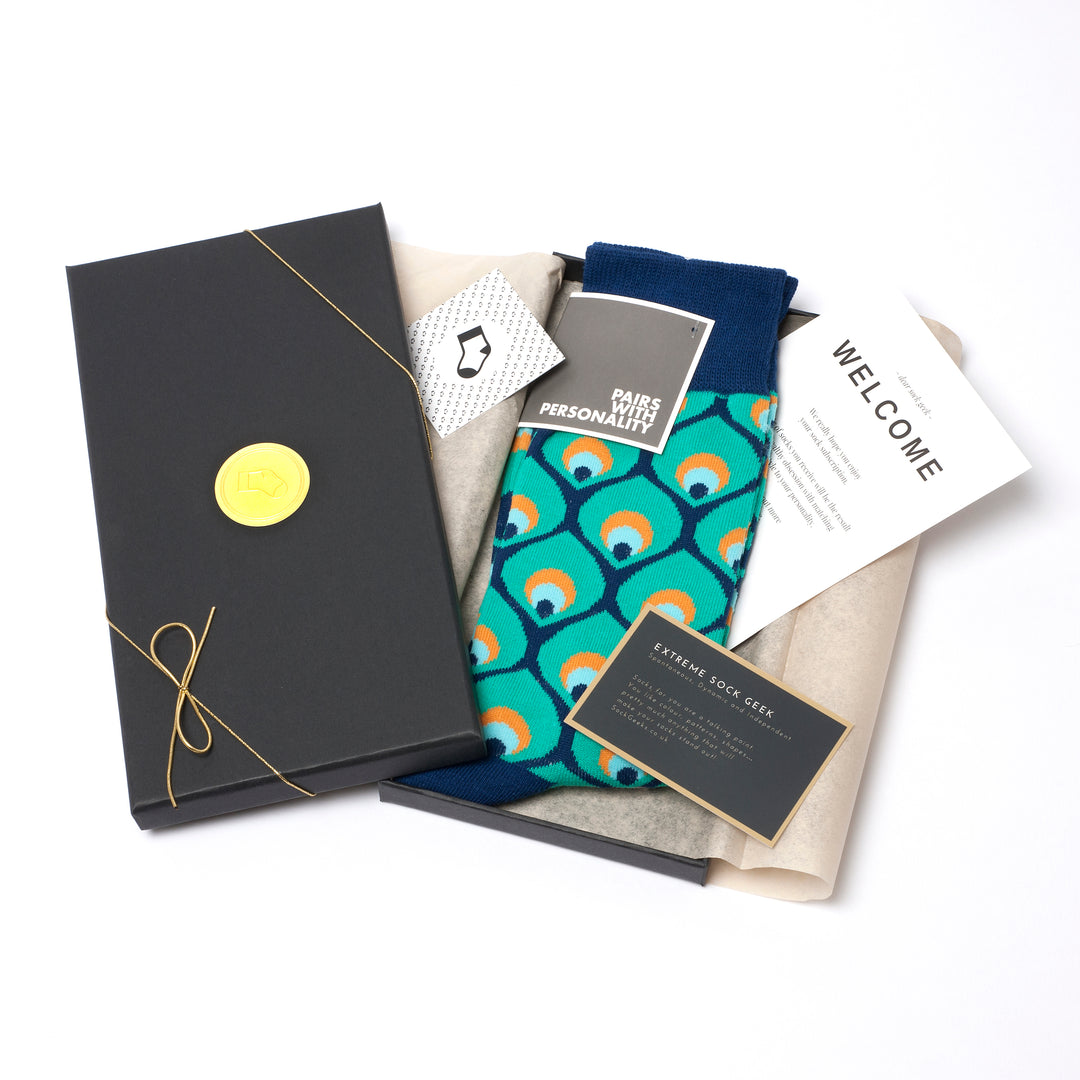
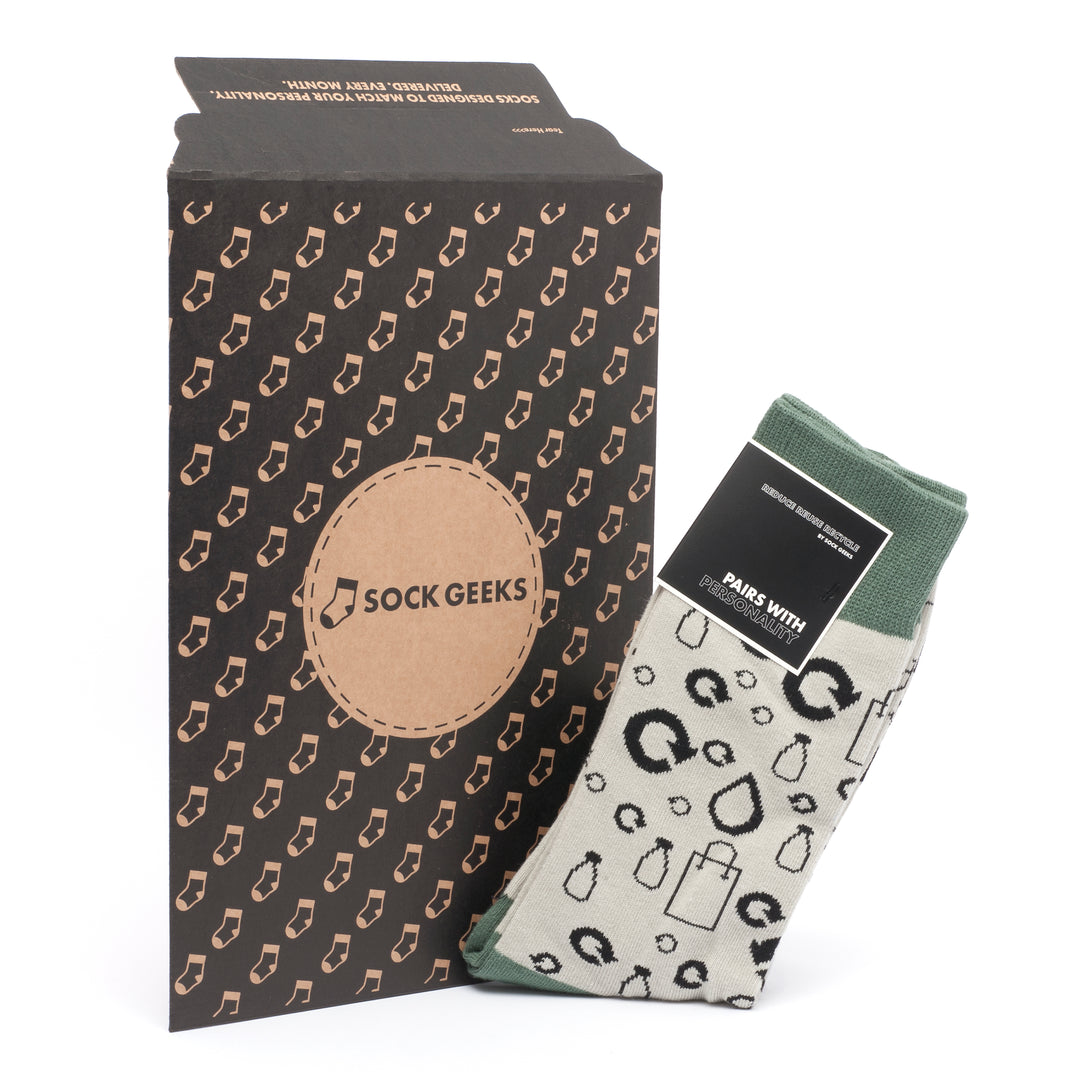
Other wools show up too. Lambswool is often a bit loftier and can feel plush, but it’s not automatically tougher. Mohair is the oddball performance cousin, slippery and resilient, sometimes blended into hiking or ski setups for abrasion resistance and warmth without the soggy feel. Cashmere is the diva: absurdly soft, properly luxurious, and honestly not what I’d pick for high-friction days unless I was willing to baby it. That’s where a brand like Sock Geeks quietly makes sense, because if you’re buying cashmere socks for comfort and gifting (and you care about UK-made, B Corp sustainability credentials), you’re not pretending they’re indestructible workwear. You’re choosing a specific feeling.
Cotton grades and feel
Cotton is comforting in the same way a white T-shirt is comforting. Familiar, soft, not complicated. The problem is cotton’s relationship with water. It loves it. It holds it. It hangs onto it like a grudge. That’s why cotton socks can feel gorgeous in the morning and depressing by lunch if you run warm, walk a lot, or deal with sweaty feet.
Combed cotton (where shorter fibres are removed) is smoother and less prone to fuzzing than standard cotton, and long-staple cotton usually pills less and feels cleaner against the skin. Organic cotton can be excellent, but “organic” tells you about farming inputs, not durability. Organic cotton socks can still be loosely knit, poorly reinforced, and destined to go baggy at the ankle.
Cotton does have a lane. Fine-gauge dress socks in cotton can sit beautifully inside smarter shoes, especially if you’re not generating much heat. The moment you turn the day into travel, commuting, or anything resembling sport, cotton starts losing, not because it’s evil, but because its moisture behaviour is stubborn. The figures in this moisture management study on sock fibres line up with what your feet already know: cotton is inferior at transporting moisture compared to technical fibres.
Bamboo viscose and modal
Bamboo viscose gets sold like a guilt-free spa day. Soft, silky, “anti-odour”, eco-ish. The feel is real, I’ll give it that. Bamboo socks can feel smoother than cotton and cooler on the skin, and modal has that clean drape that makes a sock feel less fluffy and more sleek.
The less sexy truth is that bamboo viscose and modal are regenerated cellulose fibres, meaning they’re processed, and the processing plus yarn quality plus knit density do a lot of the heavy lifting. A well-made modal blend can be stable and comfortable; a cheap one can stretch out, pill, and look tired quickly. If you want a blunt, non-poetic clue about durability limits, bamboo’s tensile strength simply isn’t in the same league as top synthetics, and you can see that laid out in this fibre strength comparison chart.
If you’re buying bamboo for the skin-feel, fine. Just don’t confuse “soft on day one” with “strong fibres in high-friction zones”.
How do fibres handle heat and sweat?
This is where marketing gets silly. Brands love the words “breathable” and “moisture-wicking” because they sound like salvation. Your foot doesn’t care about slogans. It cares about humidity, temperature, and friction inside a shoe that is often made of leather or synthetic layers that trap heat like a little portable greenhouse.
Insulation when damp
Cold feet are rarely about air temperature alone. They’re about dampness stealing heat. Wool does something important here: it insulates even when it’s holding moisture. Not dripping-wet, obviously, but “damp from a long day” is where wool stays composed and cotton becomes a chill rag.
That’s why merino wool socks show up everywhere from hiking to travel to ski layering. It’s also why 100% wool can be a trap: pure wool can wear faster under abrasion, especially at the toe and heel, so the “all-wool” fantasy often ends with a thinning patch where your foot rubs hardest.
Wicking and dry time
Wicking is basically moisture transport across fibres and through the knit so sweat can evaporate. Polyester and nylon are generally better at moving moisture and drying quickly, partly because they don’t absorb much water into the fibre itself. Cotton absorbs and holds. Wool absorbs too, but manages vapour and releases it in a more useful way, which is why it can feel less clammy even if it’s technically holding moisture.
If your goal is outright speed, synthetics win. If your goal is “I want to feel comfortable for hours and not smell like I’ve been marinating”, a wool blend tends to be the sweet spot.
Venting and cushioning knits
Knit structure is the quiet assassin of comfort. You can have the perfect fibre blend and still end up with a hot, sweaty mess if the knit is dense in the wrong places or the sock is built like a tube with a logo.
Terry loop cushioning (those little loops on the inside) changes everything: more air, more padding, more comfort underfoot, and often better durability because the loops take abrasion before the yarn body does. It also adds bulk, which can crowd tighter shoes, so it’s a trade. If you want the technical side without falling asleep, this explanation of what terry fabric is makes it clear how looped structures affect wear and feel.
Vent zones, mesh panels, and different knit densities across the instep and sole are not gimmicks when they’re done properly. They’re a way to manage pressure, heat, and moisture without relying on miracle fibres.
What controls odour between washes?
Sock odour is mostly bacteria metabolising compounds in sweat, then leaving behind that unmistakable “why is my laundry judging me?” smell. Fibre type matters. So does how quickly the sock dries inside your shoe, because bacteria adore damp environments.
Wool’s odour resistance
Wool’s reputation here is deserved. It tends to resist odour because it can manage moisture vapour and because its surface chemistry is less friendly to the kind of bacterial party that happens in synthetics. Wool also keeps feeling wearable for longer between washes, which is why travellers and hikers get evangelical about it.
If you want a research-backed angle rather than vibes, there’s solid material science behind wool’s antimicrobial behaviour, and this paper on the antimicrobial properties of merino wool is the sort of thing I wish more “anti-odour bamboo” marketing had to sit next to.
Synthetics and stink buildup
Synthetics are durable and fast-drying, but they can hold onto oils and compounds that bacteria love, and once the smell embeds, it becomes a recurring character in your life. Polyester is especially notorious for this. Nylon can do it too, though it often behaves better in blends.
This is why “athletic socks” can be both technically brilliant and socially risky if you don’t wash them properly. Fast drying helps, yes. Odour retention is a separate beast.
Antimicrobial finishes and limits
Some socks use antimicrobial treatments (silver-based, zinc-based, or other finishes). They can help. They’re not a forcefield. Treatments can wash out over time, and they don’t fix the core problem if the sock stays damp in a shoe for ten hours.
Oddly enough, the best “anti-odour” move is often boring: pick a fibre blend that dries reasonably fast, rotate pairs so they fully dry between wears, and don’t cook them in a tumble dryer until the elastane gives up on life.
What makes a pair last longer?
Durability is where people get fooled by softness. The softest sock in the world can still die young if it’s built with weak yarn, low knit density, and no reinforcement. The opposite is also true: a slightly less “luxury” feel can last ages if the construction is smart.
If I had to name the biggest drivers of sock durability without turning this into a manufacturing textbook, it’s abrasion resistance at the toe and heel, shape retention (hello elastane), and yarn strength (nylon is the usual hero).
Nylon strength and denier
Nylon, also called polyamide, is a workhorse because it has excellent abrasion resistance and tensile strength. Denier is one way to talk about yarn thickness and mass; higher denier can mean a tougher yarn, but you can’t judge it in isolation because spinning method and knit structure matter too.
The underlying reason nylon holds up so well comes down to polymer structure and toughness, and this nylon vs polyester durability comparison is a decent plain-English reminder that not all synthetics behave the same way under rubbing and repeated flex.
In practical terms, that’s why a merino-nylon-elastane blend tends to outlast a near-100% wool sock, even if the all-wool one feels like a warm hug for the first few wears.
Knit density and yarn type
Knit density is basically how tightly the loops are packed. Loose knits feel airy and relaxed, but they can snag, pill, and thin faster. Dense knits resist abrasion better, hold shape, and often feel more supportive, but can trap heat if ventilation isn’t built in.
Yarn type matters too. Ring-spun yarns, compact spinning, and multi-filament synthetics can all change pilling and wear behaviour. This is the part where obsessing over wool percentage misses the point. I’d rather wear a well-made 70/25/5 merino-nylon-elastane sock than a flimsy “pure” option that dies early. Construction is the multiplier.
Toe, heel, and sole reinforcement
Most socks fail in the same places because most feet move in the same ways. The toe area gets constant rubbing, the heel gets grinding friction, and the sole gets compressed and scuffed.
Reinforcement can be done by adding nylon, changing knit structure, adding terry loops, or using tighter density zones. Some brands also focus on seam design, because seam ridges can create friction points that accelerate wear. If you’ve ever had a toe seam that feels like a tiny rope, you already understand this.
On seam construction, “true seamless” is one of those phrases that gets thrown around, but when it’s real, it reduces friction and hot spots. The explanation of true seamless toe technology is useful because it connects comfort directly to lifespan. Less rubbing at the seam means less wear, not just fewer blisters.
Read the label like a buyer
Composition labels are both helpful and weirdly misleading. Helpful because they tell you the fibre blend. Misleading because they don’t tell you knit density, reinforcement layout, yarn quality, or seam build. Still, you can get surprisingly far if you read the tag like someone who has been disappointed before.
Blend ratios that usually work
There’s no magic scoreboard where 85% automatically beats 60%. Once you’re in a sensible range, the build quality tends to matter more than the headline number. That said, some blends reliably behave in certain ways.
Here’s a table I’d actually use while shopping, because it’s grounded in how socks are worn, not how they’re marketed.
| Use case | Typical blend that behaves well | Why it works | Watch-outs |
|---|---|---|---|
| Everyday / office | Merino wool with nylon and a little elastane | Comfortable, better odour control, stays springy | Too thick can crowd dress shoes |
| Dress | Fine-gauge cotton with nylon, or merino blends in fine knit | Smooth feel, clean look, decent durability | Pure cotton can go damp and lose shape |
| Sport / hot weather | Nylon or polyester-heavy with elastane, sometimes a bit of merino | Fast drying, abrasion resistant | Odour retention if washed poorly |
| Cold / hiking / travel | Higher merino wool content with nylon reinforcement | Warmth even when damp, less stink between washes | All-wool can wear faster at toe and heel |
| “Luxury lounge” | Cashmere blends, fine merino, modal blends | Soft, cosy, giftable | Needs gentler care, lower abrasion tolerance |
If you’re trying to balance comfort and durability in one go, this is where that “primary comfort fibre plus synthetics for longevity” approach that manufacturers keep repeating is actually correct, not marketing fluff.
Elastane for fit retention
Elastane (spandex) is the stretch fibre that keeps a sock from turning into a bag. It helps with shape retention, prevents slippage, and keeps cushioning where it should be, especially after repeated wear and washing.
The catch is that elastane is sensitive to heat and aggressive washing. Treat it badly and your sock loses grip, bunches, and starts rubbing, which speeds up wear. There’s a reason technical textiles people talk about elastomer fatigue, and this elastane technical data spells out the repeated-stretch reality in a way the average laundry label never will.
Red flags on composition tags
A label can’t tell you everything, but it can warn you. I tend to side-eye a few things:
- Very high cotton content with no mention of reinforcement, especially for “active” claims.
- No elastane at all in anything that’s meant to fit closely or stay put.
- Vague “other fibres” with no clarity, which can sometimes mean cost-cutting blends that pill and sag.
Also, if the sock feels overly fluffy in a way that seems designed to impress your fingers, it can be a sign of loose structure that won’t survive real wear. Not always. Often enough to be suspicious.
Choose the right mix for your use
This part gets personal fast because everyone’s feet run different. Some people run cold, some overheat, some can tolerate seams, some cannot. Still, there are patterns that show up over and over.
Daily wear and office
For daily wear, I keep coming back to merino wool blended with nylon and elastane. It’s the best compromise between comfort, odour control, and durability, and it doesn’t demand that you live a perfectly dry, perfectly sedentary life to feel good.
If you sit most of the day and you love the feel of cotton, fine-gauge cotton can be perfectly reasonable, especially in dress socks. Just don’t pretend it’s the same thing as a commuting sock that’s going to spend hours inside shoes, on pavements, up stairs, down stairs, in overheated offices, then back out into the world.
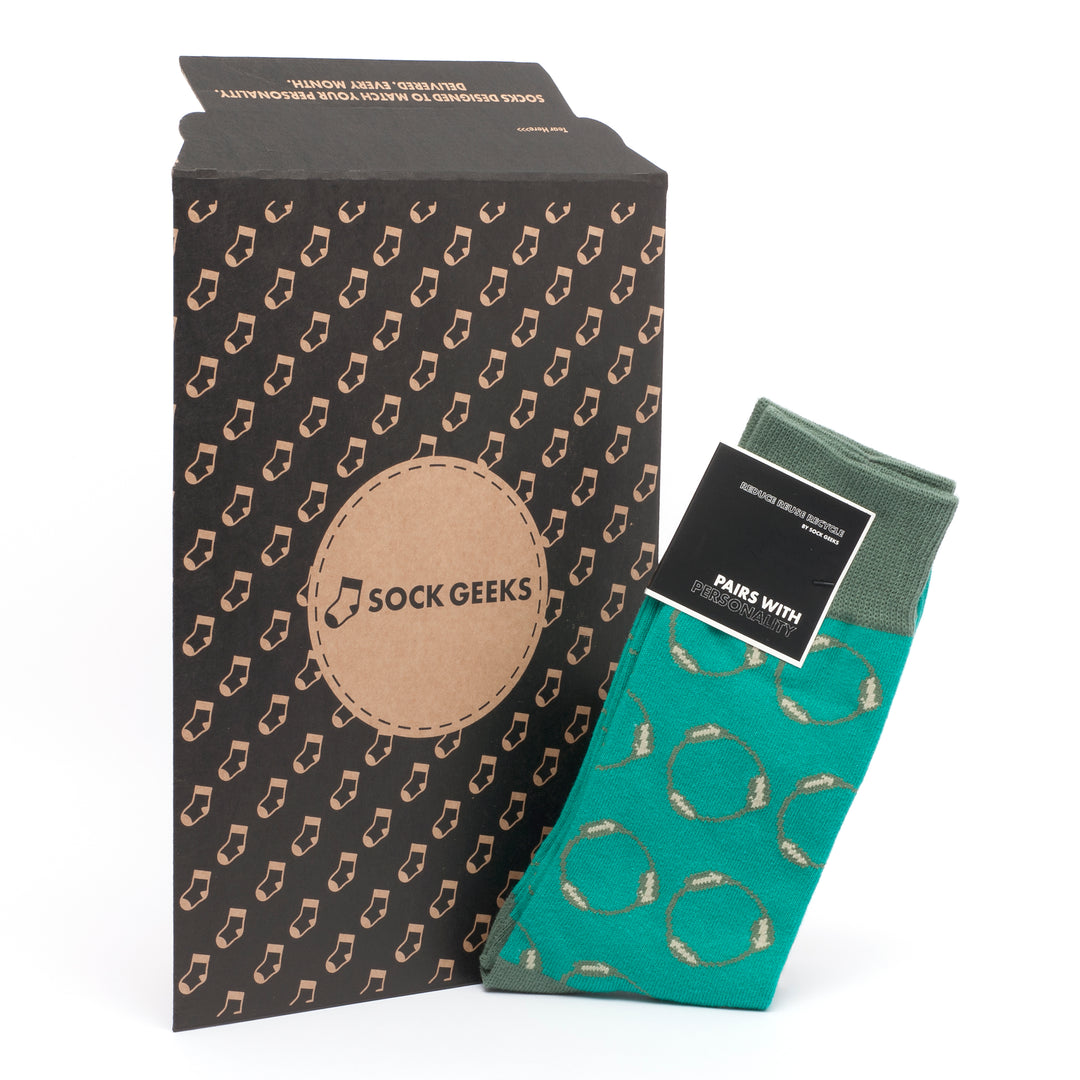
If you’re buying for gifting, and you want something that doesn’t scream “I panic-bought this”, the personality-matched subscription angle is actually clever. This is where Sock Geeks feels like an insider move: UK-made luxury options, personalised gift boxes, and the sustainability side that makes the purchase easier to justify when you’re trying to buy nicer things on purpose.
Sport and hot weather
For sport, you want fast moisture transport, snug fit, and high abrasion resistance. That often means synthetics with elastane, sometimes with a touch of merino for comfort and odour management. The blend choice here depends on how much you care about smell versus dry time.
Hot weather is its own category because “breathable” becomes life-or-death for mood. Thin knits with venting zones matter. So does choosing a shoe that isn’t a heat trap, because socks can only do so much when your trainers are basically insulation.
If you’re the type who sweats a lot and then wonders why your cotton socks feel like swamp fabric, this is the moment to let cotton go. Not forever. Just not here.
Cold, hiking, and travel
Cold conditions punish dampness. Hiking punishes seams and bad fit. Travel punishes odour control and slow drying because you’re often re-wearing and rotating with limited laundry options.
This is the zone where merino wool earns its reputation, but blended, reinforced, and built for abrasion. The toe and heel should be clearly designed to take a beating, and the sock should hug the midfoot so it doesn’t bunch and rub. If you’ve ever finished a long walk with a hot spot and thought, “maybe my boots are the problem”, sometimes yes, sometimes it’s your sock sliding and folding under pressure.
One more thing: thick socks inside tight boots can reduce circulation, which makes feet feel colder. So piling on warmth can backfire if the fit is wrong. Insulation needs air space, not compression.
What else affects comfort and lifespan?
The uncomfortable truth is that even the best sock material can’t save you from a bad match between foot, shoe, and care habits. People love to blame fibres because it’s tidy. Reality is messier.
Fit is huge. If a sock is too big, it creases, and those creases become abrasion points. If it’s too small, it stretches the knit, thins out the yarn, and forces elastane to work overtime. Size charts matter more than most shoppers admit, and “one size fits most” usually means “fits enough people to reduce returns”.
Shoes matter too. Rough insoles, stiff heel counters, and poorly finished seams inside a shoe can grind through socks that would otherwise last. If you always get holes in the same spot, look at the inside of your shoe like a detective, not a victim.
Then there’s washing. Heat, agitation, and harsh chemicals accelerate ageing. Wool can shrink or felt if you treat it like cotton. Elastane hates high heat. Nylon holds up well, but fabric softener can coat fibres and mess with moisture management.
If you want socks to last, wash cooler, skip softener, and air-dry when you can. The data on how to wash merino wool socks without wrecking them is basically a long way of saying: stop boiling your good stuff.
Rotation helps as well. Giving a pair a full day to dry and recover shape reduces odour and reduces fibre stress. It’s not romantic, but it works.
FAQ
Are 100% cotton socks ever a good idea?
Yes, if your day is low-sweat, you prioritise soft feel, and you’re fine with slower drying and weaker odour control. For day-long walking, commuting, or anything sporty, cotton socks tend to underperform because they hold moisture and can lose shape.
Is higher merino wool percentage always better?
Not automatically. Higher wool content can improve warmth and odour resistance, but durability often improves when merino wool is blended with nylon and stabilised with elastane. A well-made 70/25/5 blend can outlast a flimsy near-100% wool sock.
Why do my socks get holes at the toe or heel so fast?
Those are the highest abrasion zones. Holes usually come from a mix of friction (shoe fit or rough interior), insufficient reinforcement, low knit density, and overstretching from poor sizing. Reinforced toe and heel areas and a denser knit can dramatically extend sock life.
What’s the best material for sweaty feet?
Usually a merino blend or a technical synthetic blend built for moisture transport. Merino helps with odour control and comfort across long wear; synthetics dry fast. Cotton is typically the worst choice for sweaty feet because it holds moisture.
Do antimicrobial treatments actually work?
They can reduce odour, especially early in a sock’s life, but they’re not a substitute for good moisture management and proper washing. Treatments can fade with laundering, and they don’t fix a sock that stays damp inside a shoe all day.
How should I wash socks to make them last?
Wash cooler, avoid fabric softener, don’t overdo high heat drying, and follow the care label for wool. Air-drying is gentler on elastane and helps preserve fit retention over time.
Conclusion
If you only remember one thing, make it this: socks don’t fail because you picked the “wrong” fibre category, they fail because the fibre blend, knit, reinforcement, seam build, fit, and care routine don’t match how you actually live.
Cotton has its place, mostly when life is calm. Synthetics shine when the job is sweat and abrasion. Merino wool, blended properly, is the grown-up compromise for people who want comfort, warmth, and less stink without treating laundry like a full-time hobby. That’s the honest map. Everything else is just packaging.





Leave a comment